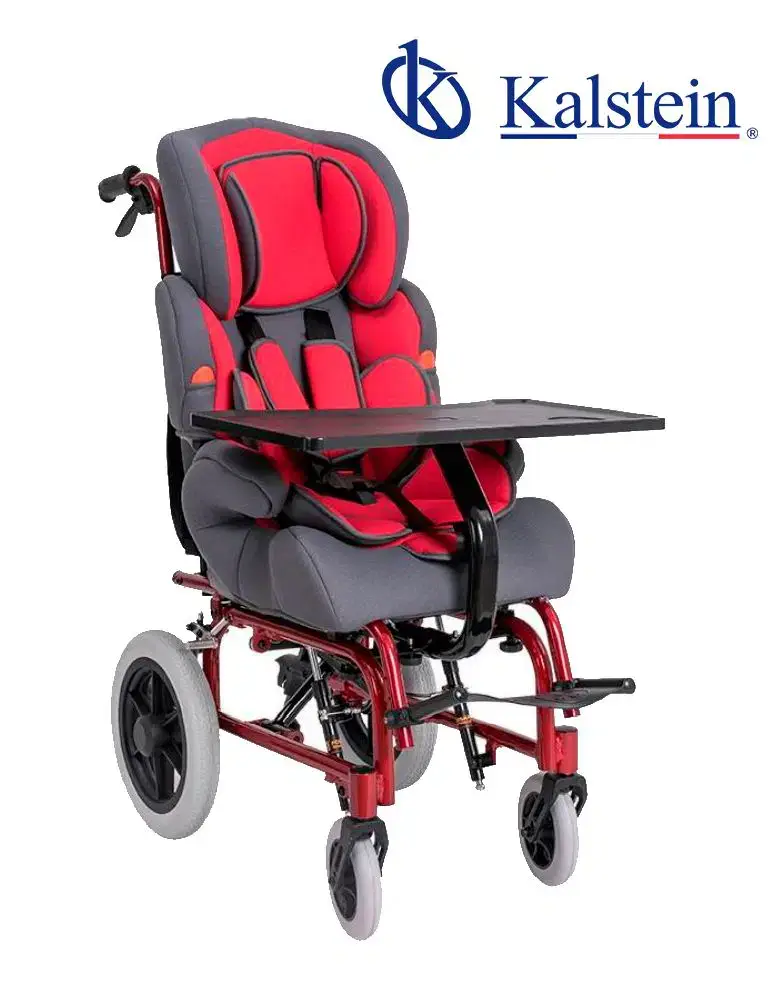
How to Choose the Most Sustainable Children's Wheelchair for Environmental Impact Reduction?
In today's world, sustainability has become a crucial aspect of product design and selection, especially in the medical and mobility sectors. This article delves into the considerations necessary for selecting children’s wheelchairs that focus on reducing environmental impact while ensuring the comfort and mobility of young users. A detailed comparison of several models will guide you in making an informed choice that aligns with both functionality and sustainability.
Understanding Sustainability in Children's Wheelchairs
Sustainability in children's wheelchairs encompasses various factors, including the materials used in construction, energy consumption during manufacturing, and the lifecycle of the product from production to disposal. With increasing awareness of environmental issues, manufacturers are innovating to create wheelchairs that not only serve their primary purpose but also minimize their carbon footprint.
By opting for wheelchairs that utilize eco-friendly materials and energy-efficient manufacturing processes, organizations and parents can contribute to a more sustainable future. This is particularly important in the context of children's wheelchairs, where the longevity and durability of the product can significantly affect waste generation.
Key Features to Look for in Sustainable Children's Wheelchairs
- Materials: Opt for wheelchairs made from lightweight, recyclable materials such as aluminum or eco-friendly plastics.
- Energy Efficiency: Assess the manufacturing process to ensure it adheres to energy-efficient practices.
- Lifespan: Consider models that offer durability and ease of repair to prolong the product's life.
- Weight and Portability: Lightweight models are easier to transport, reducing energy consumption during handling.
- Adjustability: Look for features that allow for adjustments as the child grows, minimizing the need for replacement products.
Comparison of Available Models
| Model Code | Weight (kg) | Material | Seat Width (cm) | Price (USD) | Best For |
|---|---|---|---|---|---|
| YR05459 | 17.4 | Aluminum Alloy | 30 | 424.00 | Lightweight mobility |
| YR05460 | 18 | Steel | 42 | 456.00 | Adjustable features |
| YR05457 | 21.5 | Steel | 38 | 302.00 | Durable design |
| YR05458 | 21.5 | Alloy Aluminum | 38 | 422.95 | Comfort and support |
| YR06611 | Unknown | Aluminum Alloy | 34 | 316.00 | Special needs support |
Common Mistakes and How to Avoid Them
When selecting a children's wheelchair, it's easy to overlook critical factors that contribute to sustainability and overall effectiveness. Here are some common mistakes and how to avoid them:
- Ignoring Material Composition: Always inquire about the materials used in the wheelchair's construction to ensure they are environmentally friendly.
- Overlooking Adjustability: Choose models with adjustable features that can grow with the child, avoiding the need for frequent replacements.
- Neglecting Weight Considerations: Heavier models may pose challenges for transportation and use, impacting energy efficiency.
- Not Assessing User Needs: Understand the specific requirements of the child, such as any special needs, to select the most appropriate model.
Benefits of Sustainable Children's Wheelchairs
Sustainable children's wheelchairs provide numerous advantages, from reducing environmental impact to enhancing user comfort. Here are some key benefits:
- Reduced Carbon Footprint: Eco-friendly materials and manufacturing processes lower the overall carbon output of the product.
- Cost Efficiency: Durable designs minimize replacement costs and waste, providing long-term savings.
- Enhanced Comfort: Models that prioritize user needs improve overall satisfaction and mobility for children.
- Positive Brand Image: Organizations that invest in sustainable options often enhance their reputation among consumers who value environmental responsibility.
Technologies Supporting Sustainability in Wheelchairs
Innovative technologies have emerged to support sustainability in children's wheelchairs. These technologies include:
- Recyclable Materials: Advances in material science have led to the development of high-performance, recyclable components.
- Manufacturing Processes: Adoption of energy-efficient manufacturing techniques reduces waste and lowers energy consumption during production.
- Modular Designs: These allow for easy repair and replacement of parts, extending the lifespan of the wheelchair.
Frequently Asked Questions
How can I choose a children's wheelchair with low environmental impact?
When selecting a children's wheelchair, consider models like YR05459 and YR06611 that use recyclable materials and are energy efficient in production. Evaluate features such as adjustability and weight to ensure minimal environmental impact.
What are the energy consumption benefits of using lightweight children's wheelchairs?
Lightweight children's wheelchairs, such as YR05459, reduce the energy required for transportation and handling. Their design improves mobility and minimizes user fatigue, enhancing overall usability while being environmentally friendly.
Which children's wheelchair offers the best sustainability features and specifications?
The model YR06611 stands out for its robust and adjustable design, providing maximum comfort for children with special needs while also focusing on sustainable materials and manufacturing processes.
How does the material of a children's wheelchair affect its environmental impact?
Materials used in children's wheelchairs, like those in model YR05460, significantly influence their environmental footprint. Opting for recyclable and lightweight materials helps reduce waste and energy consumption during production and usage.
What role does adjustability play in the sustainability of children's wheelchairs?
Models such as YR05458 that feature adjustable components can accommodate growing children, reducing the need for replacements. This design contributes to sustainability by minimizing waste and extending the product's lifecycle.
How can I assess the sustainability of children's wheelchairs during purchasing?
To assess sustainability, inquire about the materials, manufacturing processes, and lifespan of models like YR05457. Look for certifications or eco-labels that indicate adherence to environmental standards.
What are the common sustainability metrics for children's wheelchairs?
Common sustainability metrics for children's wheelchairs include material recyclability, energy consumption during production, and overall product lifespan. Models like YR05459 are designed with these metrics in mind to reduce environmental impact.
How do I evaluate the long-term benefits of a sustainable children's wheelchair?
Evaluate long-term benefits by analyzing the durability, maintenance needs, and energy efficiency of models such as YR05460. Consider factors like reduced waste and potential savings in replacement costs to determine overall value.
If you are looking for a fusion of innovation and quality, you have come to the right place. At Kalstein, we offer you the luxury of exploring our exclusive catalog of laboratory equipment. We manufacture every device to the highest standards of excellence. Our intuitive and seamless online purchasing channels are designed for your convenience, securing the most competitive prices. Hesitate no longer — we bring science to life, it is time to become part of our community.