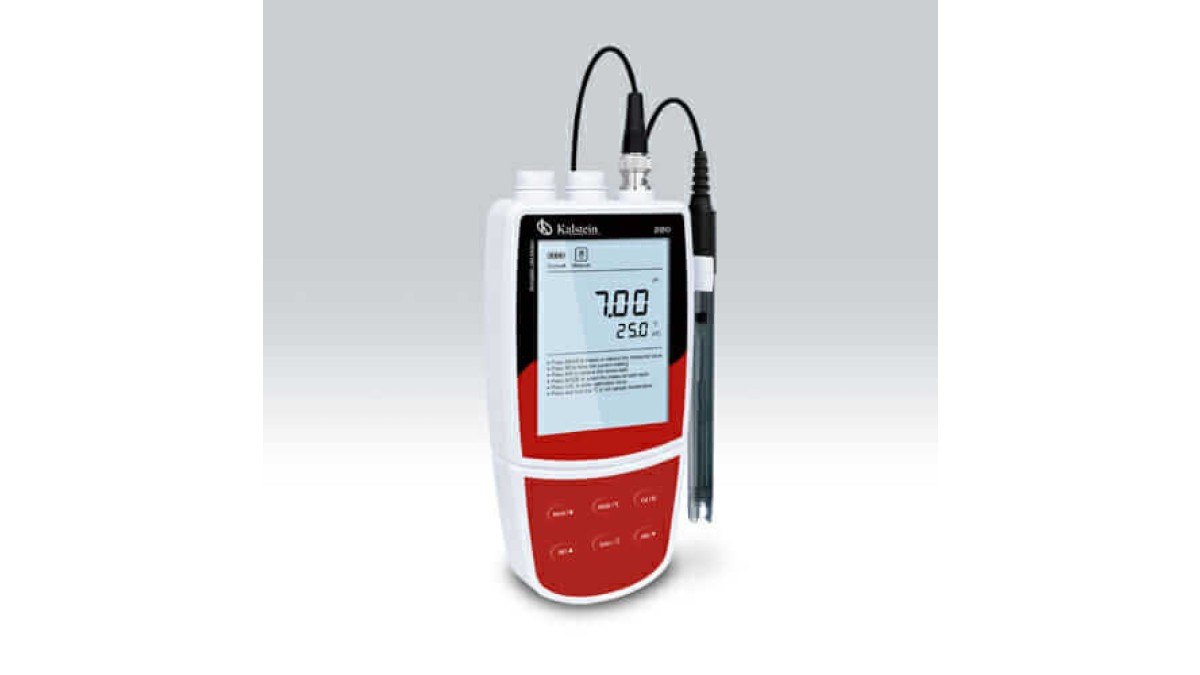
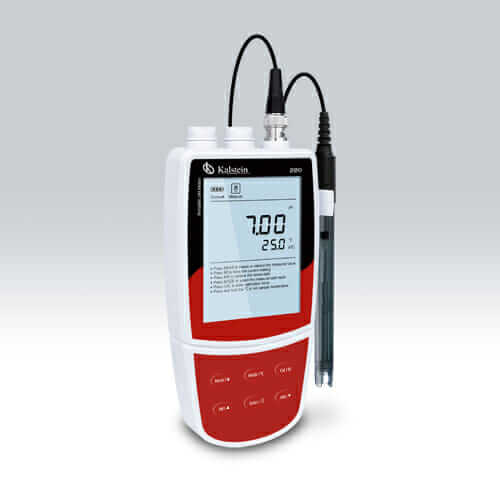
Table pH Meters: Practical Usage Guide Step by Step 2026
What is it used for in 2026
Table pH meters are essential tools used in laboratories for measuring the acidity or alkalinity of a solution. In 2026, their applications span across various fields, including environmental testing, food and beverage quality control, pharmaceutical development, and educational laboratories. Accurate pH measurement is critical for ensuring product quality, conducting scientific research, and maintaining compliance with regulatory standards.
History and evolution of the technology
The development of pH measurement technology dates back to the early 20th century when the first glass electrodes were introduced. Over the decades, advancements have led to the creation of more sophisticated instruments, including digital pH meters. With the introduction of microprocessors and automated calibration features, modern table pH meters have become more user-friendly, accurate, and versatile, evolving to meet the growing demands of laboratory professionals.
How to use it step by step
Using a table pH meter involves several important steps to ensure accurate measurements:
- Preparation: Gather all necessary materials, including the pH meter, calibration solutions, and the sample to be tested.
- Calibration: Calibrate the pH meter using standard buffer solutions. Follow the manufacturer's instructions for the calibration process, typically requiring 1-3 points calibration for optimal accuracy.
- Sample Measurement: Rinse the electrode with distilled water, then immerse it in the sample solution. Allow the reading to stabilize before recording the pH value.
- Post-Measurement Care: Rinse the electrode again and store it according to the manufacturer's recommendations to ensure longevity.
Best techniques and protocols
To achieve the best results when using a table pH meter:
- Always use freshly prepared calibration buffers.
- Ensure the electrode is properly maintained and cleaned between uses.
- Allow the pH meter to reach room temperature before calibration and measurement.
- Record measurements promptly and keep a log for traceability.
Practical applications by laboratory type
Different laboratories utilize table pH meters in various ways:
- Environmental Labs: Monitoring water quality in rivers, lakes, and aquifers.
- Food and Beverage Labs: Testing acidity levels in products like wine, yogurt, and sauces to ensure safety and quality.
- Pharmaceutical Labs: Ensuring pH balance in drug formulations, which is crucial for efficacy and stability.
- Educational Labs: Providing students with hands-on experience in chemistry and biology experiments.
Regulations, standards and certifications
Table pH meters must adhere to various regulations and industry standards, ensuring that they provide accurate and reliable measurements. Organizations such as ASTM International and ISO (International Organization for Standardization) outline the necessary guidelines for laboratory equipment, including calibration protocols, maintenance requirements, and performance testing. Complying with these standards not only ensures the quality of measurements but also supports laboratory accreditation processes.
Comparison with alternative technologies
While table pH meters are the most common tools for measuring pH, alternative technologies include:
- pH Strips: Inexpensive and portable, but less accurate than electronic meters.
- Ion Selective Electrodes (ISE): More specialized for certain ions but can be costly and require specific calibration.
Table pH meters offer greater accuracy, ease of use, and advanced features such as data storage and temperature compensation, making them the preferred choice in many laboratory settings.
Comparison of available models
| Model | Best for | Key specs | Recommended use case |
|---|---|---|---|
| YR0220A | General laboratory use | pH Range: -2.00~20.00, Resolution: 0.01pH, Price: $155.00 | Routine pH testing with automatic diagnostics |
| YR01822 | Advanced applications | pH Range: -2.00~20.00, Resolution: ±0.02pH, Price: $215.00 | Data storage and real-time data transfer |
| YR01825 | High precision measurements | pH Range: -2.00~20.00, Resolution: 0.01/0.001pH, Price: $335.00 | Research labs requiring high accuracy |
| YR01823-2 | Precision testing | pH Range: -2.000~20.000, Resolution: 0.001, Price: $315.00 | Laboratories requiring detailed pH analysis |
| YR01823 | Versatile applications | pH Range: -2.00~20.00, Resolution: 0.01/0.1pH, Price: $285.00 | General use and educational purposes |
| YR01826 | Long-distance measurements | pH Range: -2~19.999, Resolution: 0.1/0.01pH, Price: $340.00 | Fieldwork requiring extended readability |
Common mistakes and how to avoid them
Laboratory professionals often encounter mistakes when using table pH meters. Common errors include:
- Neglecting Calibration: Always calibrate the meter before use to ensure accuracy.
- Improper Storage of Electrodes: Follow storage guidelines to maintain electrode integrity.
- Inadequate Cleaning: Clean the electrode after each use to prevent contamination.
By adhering to best practices, laboratory professionals can avoid these pitfalls and ensure reliable results.
Maintenance, calibration and good practices 2026
To maintain the performance of table pH meters, regular maintenance is essential. This includes:
- Routine Calibration: Perform calibration using fresh buffer solutions at least once a week or before critical measurements.
- Electrode Care: Clean electrodes according to manufacturer instructions and store them in suitable solutions.
- Regular Inspection: Check for any physical damage or wear on the equipment to prevent operational failures.
Good maintenance practices will extend the life of the equipment and ensure consistent performance.
Cost-benefit analysis 2026
Investing in a table pH meter can yield significant benefits for laboratories. Analyzing the cost-effectiveness involves considering:
- Initial Investment: The purchase price of the pH meter and necessary accessories.
- Operational Costs: Ongoing costs related to calibration standards, maintenance, and electrode replacement.
- Value of Accuracy: Enhanced accuracy leads to better product quality and compliance with regulations, ultimately saving costs associated with errors.
Overall, the right table pH meter represents a valuable investment for laboratories seeking to produce high-quality results.
Frequently asked questions
What is the best way to choose a table pH meter?
When selecting a table pH meter, consider factors such as the required measurement range, accuracy, calibration options, and additional features like data storage and connectivity. Assess your laboratory's specific needs to ensure the chosen model meets your operational requirements.
How often should I calibrate my table pH meter?
Calibration frequency depends on usage; however, it is recommended to calibrate the meter at least once a week or before important measurements to ensure accuracy.
Can I use my pH meter for different types of samples?
Yes, table pH meters can be used for a variety of samples, including liquids, gels, and slurries. Ensure that the electrode is compatible with the sample type and follow cleaning protocols to avoid contamination.
What should I do if the pH meter gives inconsistent readings?
If your pH meter provides inconsistent readings, check the calibration, ensure the electrode is clean, and verify that the meter is functioning correctly. It may be necessary to replace the electrode if issues persist.
Is there a specific way to maintain the pH electrode?
Yes, it is important to keep the electrode clean and properly stored. Rinse it with distilled water after use, and store it in an appropriate storage solution when not in use to maintain its performance.
Are there special considerations for using pH meters in fieldwork?
When using pH meters in fieldwork, consider factors such as temperature fluctuations, electrode sensitivity to physical shock, and the need for portability. It may also be beneficial to have backup calibration solutions readily available.
How can I request a quote on a table pH meter?
You can request a quote for a table pH meter by contacting us directly or visiting our website to inquire about available models and pricing options.
If you are looking for a fusion of innovation and quality, you have come to the right place. At Kalstein, we offer you the luxury of exploring our exclusive catalog of laboratory equipment. We manufacture every device to the highest standards of excellence. Our intuitive and seamless online purchasing channels are designed for your convenience, securing the most competitive prices. Hesitate no longer — we bring science to life, it is time to become part of our community.