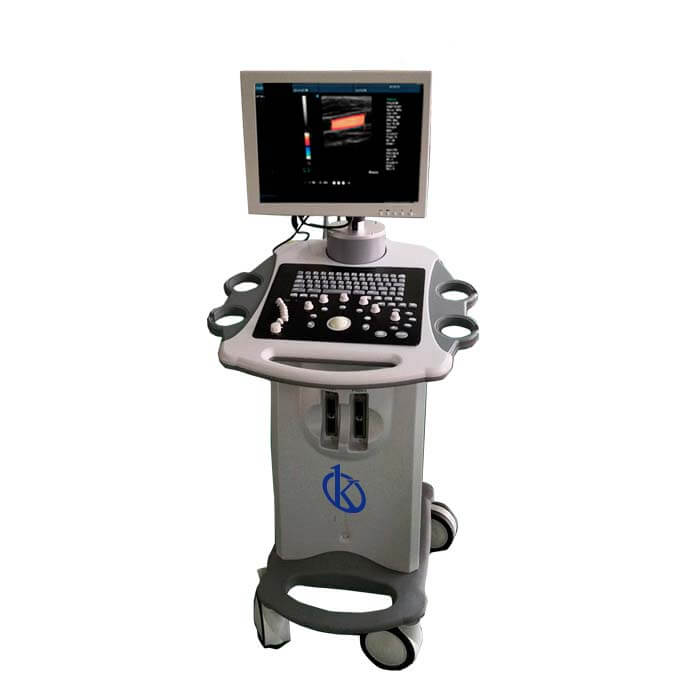
Technical Glossary and Key Terminology for the YR05154-1
The YR05154-1 ultrasound scanner is a sophisticated piece of diagnostic equipment that requires a solid understanding of its technical terms and functionalities. This article aims to provide a comprehensive glossary of key terminology and related concepts that are essential for optimal usage of the YR05154-1, helping operators enhance their skills and knowledge in the field of ultrasound diagnostics.
Understanding the YR05154-1: An Overview
The YR05154-1 is designed for a variety of applications in medical diagnostics. Whether in clinical settings or specialized practices, understanding the terminologies associated with this ultrasound scanner is crucial for effective use. This glossary serves as a foundational resource for medical professionals and technicians who operate this model.
Technical Specifications of YR05154-1
| Model | Brand | Category | Subcategory | Price (USD) | Weight (kg) | Dimensions | Package Dimensions |
|---|---|---|---|---|---|---|---|
| YR05154-1 | Kalstein | Ultrasound Scanner | Ultrasonic Diagnostic Equipment | $1150.00 | 4 | x x | 31 x 39 x 19 |
Essential Terms in Ultrasound Diagnostics
| Term | Definition |
|---|---|
| Ultrasound | A type of sound wave with a frequency higher than the audible range, used in medical imaging. |
| Transducer | A device that converts electrical energy into ultrasound waves, and vice versa, crucial for the functioning of the YR05154-1. |
| Impedance | The resistance of tissue to ultrasound waves, affecting image quality and diagnostic accuracy. |
| Gain | A control that adjusts the sensitivity of the ultrasound system, impacting the brightness of the image. |
| Frequency | The number of oscillations per second of a sound wave, influencing resolution and penetration of ultrasound waves. |
| Resolution | The ability of the ultrasound system to distinguish between two close objects in the image. |
| Echo | Reflected sound waves returning to the transducer, used to create images of internal structures. |
| Calibration | The process of adjusting the YR05154-1 to ensure accurate measurements and imaging. |
| Probe | The hand-held device containing the transducer, used to emit and receive ultrasound waves. |
| Image Optimization | Techniques applied to enhance the quality of ultrasound images for better diagnostics. |
Applying Key Terminology in Practice
Understanding these terms is foundational for operators of the YR05154-1. For instance, recognizing how impedance affects imaging can guide operators in adjusting settings for optimal results. Moreover, knowing how to calibrate the device can prevent inaccuracies in diagnostics.
Additionally, professionals should familiarize themselves with gain adjustments and frequency selection, which are essential for maximizing the clarity and effectiveness of the ultrasound images produced by the YR05154-1.
Common Challenges and Solutions in Ultrasound Operation
Operators may face challenges such as poor image quality or inaccurate readings. These issues can often be traced back to improper use of key terms and concepts.
For example, inadequate calibration can lead to compromised image resolution. Furthermore, misunderstanding gain settings may result in images that are either too bright or too dark, ultimately complicating diagnosis.
Frequently Asked Questions
What is the role of the transducer in the YR05154-1?
The transducer in the YR05154-1 is essential as it emits ultrasound waves and receives the echoes that return from the tissues. This process is what creates the images that are used in diagnostics.
How does frequency affect the quality of ultrasound imaging?
Frequency directly influences the resolution and penetration ability of ultrasound waves. Higher frequencies provide better resolution but less penetration, while lower frequencies penetrate deeper but offer lower resolution.
What are the common impedance issues that can arise when using the YR05154-1?
Common impedance issues include misinterpretation of imaging due to tissue density variations. This can result in artifacts or unclear images, necessitating adjustments in settings for accurate diagnostics.
How important is calibration for the YR05154-1?
Calibration is crucial for ensuring that the YR05154-1 operates correctly and provides accurate measurements. Regular calibration can prevent errors that might affect patient diagnosis and treatment.
What is image optimization in the context of ultrasound scanning?
Image optimization involves adjusting various settings on the YR05154-1 to improve image quality. This can include modifying gain, frequency, and other parameters to ensure clear and precise diagnostic images.
Can the YR05154-1 be used in different medical specialties?
Yes, the YR05154-1 is versatile and can be used across various medical specialties, including obstetrics, cardiology, and emergency medicine, adapting its settings based on specific diagnostic needs.
Conclusion
If you are looking for a fusion of innovation and quality, you have come to the right place. At Kalstein, we offer you the luxury of exploring our exclusive catalog of laboratory equipment. We manufacture every device to the highest standards of excellence. Our intuitive and seamless online purchasing channels are designed for your convenience, securing the most competitive prices. Hesitate no longer — we bring science to life, it is time to become part of our community.