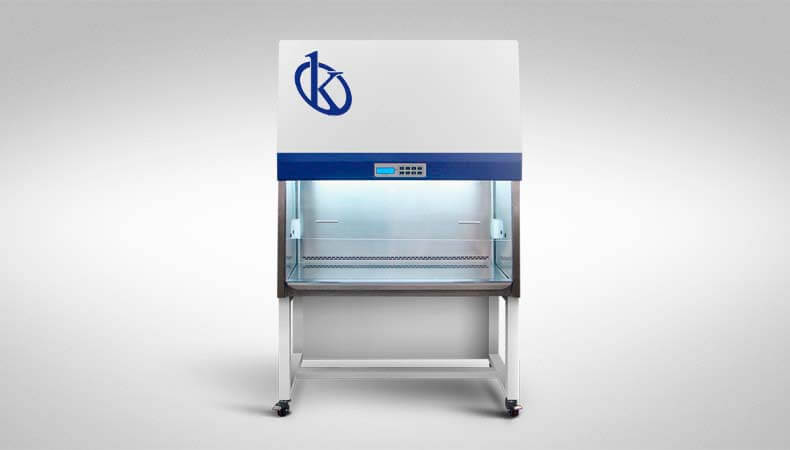
Technical Glossary and Key Terminology for the YR05271-1 Biosafety Cabinet
The YR05271-1 Biosafety Cabinet is a vital piece of equipment in laboratories working with pathogens and hazardous materials. Understanding the technical terminology associated with this model helps ensure safe and effective operation. This article presents a detailed technical glossary, alongside a comprehensive exploration of the YR05271-1's features and operational principles.
Understanding the YR05271-1 Biosafety Cabinet
The YR05271-1 is a Class II biosafety cabinet designed to provide a sterile workspace for laboratory personnel. It protects the user, the environment, and the materials being handled. This section provides insight into its critical components and functions, which are essential for understanding its operation and safety protocols.
Technical Data Table for YR05271-1
| Model | YR05271-1 |
|---|---|
| Cleanliness Rating | ISO14644.1 CLASS 5 (US209E, CLASS 100) |
| Inflow Velocity | 0.53 m/s |
| Downflow Velocity | 0.35 m/s |
| Noise Level (dB) | ≤65 |
| HEPA Efficiency | 99.995% |
| External Dimensions (mm) | 2120×1340×740 |
| Weight (kg) | 210 |
Key Terminology Related to the YR05271-1
This section defines critical terms that are essential for operating the YR05271-1 Biosafety Cabinet effectively.
| Term | Definition |
|---|---|
| Biosafety Cabinet | A ventilated enclosure designed to protect the user and environment from exposure to biological agents. |
| Class II Cabinet | A biosafety cabinet type that provides both personnel and product protection through a combination of inflow and downflow air. |
| HEPA Filter | High-efficiency particulate air filter that captures over 99.995% of particles down to 0.3 microns in size. |
| Downflow Velocity | The speed at which air flows downward from the cabinet's HEPA filter into the workspace. |
| Inflow Velocity | The speed at which air is drawn into the cabinet from the environment, essential for maintaining negative pressure. |
| Cleanroom Standards | Regulatory requirements that specify the allowable levels of particulate contamination in controlled environments. |
| Microorganism Containment | The process of preventing the escape of harmful microorganisms from the cabinet during use. |
| Pressure Sensor | A device that monitors the pressure within the cabinet to ensure safe operational conditions. |
Operating Principles of YR05271-1
The YR05271-1 operates based on fundamental principles of airflow dynamics and containment technology. Understanding these principles is essential for effective operation.
The cabinet uses CleanFlow™ technology to create a sterile airflow environment. The air is drawn into the cabinet through a high-efficiency HEPA filter, ensuring that contaminated air does not escape and that the workspace is kept free of external contaminants. The design reduces turbulence and maintains a steady airflow, crucial for safe handling of biological samples.
Importance of Maintenance and Cleaning
Regular maintenance and cleaning of the YR05271-1 are vital for ensuring optimal performance and longevity. Procedures include checking filter integrity, cleaning surfaces, and calibrating sensors regularly.
Cleaning should be done using appropriate disinfectants that do not damage the cabinet materials. It is essential to follow the manufacturer’s instructions on cleaning and maintenance schedules to prevent the buildup of contaminants that could compromise safety.
Frequently Asked Questions
What is the purpose of the YR05271-1 Biosafety Cabinet?
The YR05271-1 Biosafety Cabinet is designed to provide a safe working environment for laboratory personnel by protecting them from exposure to hazardous biological agents while also preventing contamination of sensitive samples.
How often should the HEPA filter in the YR05271-1 be replaced?
It is recommended to monitor the HEPA filter's performance regularly. Typically, filter replacement is suggested every 1-3 years, depending on usage and the specific laboratory environment conditions.
What are the key features of the YR05271-1?
The YR05271-1 features include a high-efficiency HEPA filter, stable airflow technology, ergonomic design, and an integrated microcomputer control system for monitoring operational parameters.
How to ensure proper airflow in the YR05271-1?
To ensure proper airflow, regularly check the filter conditions and ensure that there are no obstructions in the airflow path. Calibration of the airflow sensors should also be performed periodically.
Can the YR05271-1 be used for all types of biological materials?
The YR05271-1 is primarily designed for handling pathogenic microorganisms and potentially harmful biological materials. Always consult the guidelines for specific applications and materials.
If you are looking for a fusion of innovation and quality, you have come to the right place. At Kalstein, we offer you the luxury of exploring our exclusive catalog of laboratory equipment. We manufacture every device to the highest standards of excellence. Our intuitive and seamless online purchasing channels are designed for your convenience, securing the most competitive prices. Hesitate no longer — we bring science to life, it is time to become part of our community.