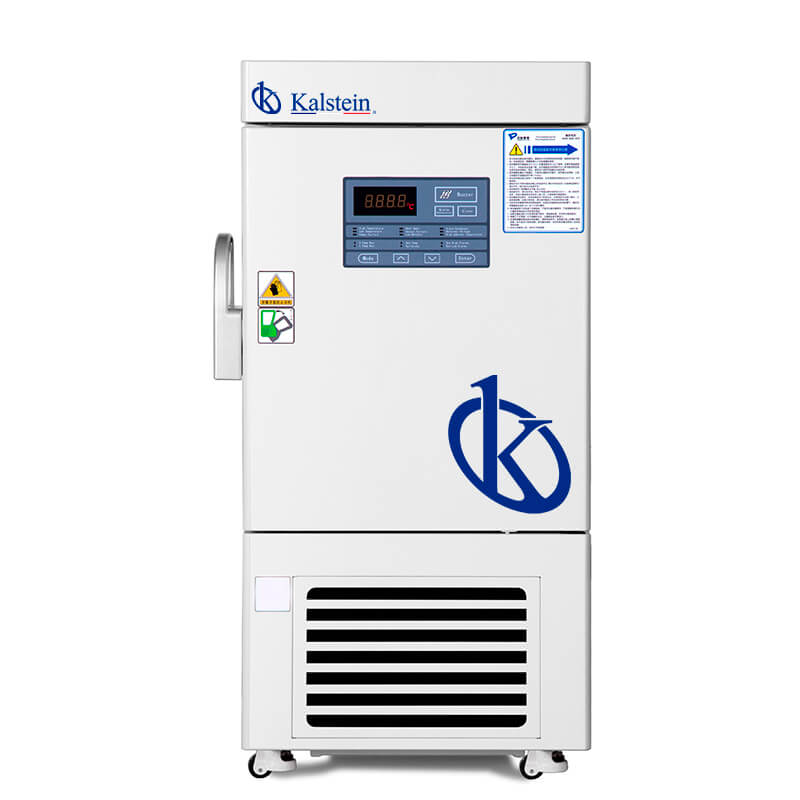
Ultra Freezers: Applications in Research, Biotechnology, and Academia 2026
Ultra freezers play a critical role in preserving sensitive biological materials at extremely low temperatures. This article delves into the applications, techniques, and best practices for using ultra freezers effectively in various laboratory settings.
What is it used for in 2026
Ultra freezers are primarily used for the long-term storage of biological products such as viruses, bacteria, red blood cells, white blood cells, and tissue samples. Laboratories in blood banks, hospitals, epidemic prevention services, research institutes, chemical and electronic plants, and marine fishing companies utilize these devices to ensure the integrity and viability of samples. The need for precise temperature control, typically between -40 °C and -86 °C, is crucial for preserving the structural and functional properties of biological materials.
History and evolution of the technology
The evolution of ultra freezing technology can be traced back to the growing need for preserving biological samples in research and medical fields. Initially, conventional freezers were used, but advancements in refrigeration technology led to the development of ultra freezers. These systems now incorporate advanced sensors, microprocessors, and efficient compressors, allowing for better temperature regulation and energy efficiency. Over the decades, their design has evolved to accommodate larger capacities and improve user interfaces, making them more accessible for laboratory professionals.
How to use it step by step
Using an ultra freezer involves the following steps:
- Preparation: Ensure that the ultra freezer is plugged in and turned on in a stable environment with suitable ambient temperatures.
- Temperature Setting: Set the desired storage temperature using the digital interface, ensuring it is within the -40 °C to -86 °C range.
- Sample Preparation: Properly package biological samples in appropriate containers. Ensure they are labeled clearly and securely sealed.
- Loading: Place samples carefully within the freezer, avoiding overcrowding. Leave space for air circulation to maintain a uniform temperature.
- Monitoring: Regularly check the temperature and functionality indicators. Set alarms for temperature deviations or malfunctions.
- Retrieval: When retrieving samples, minimize opening time to maintain internal temperature stability.
Best techniques and protocols
For optimal use of ultra freezers, follow these protocols:
- Pre-cooling: Pre-cool containers and samples before placing them in the ultra freezer.
- Regular Maintenance: Perform routine maintenance checks and calibrations as per manufacturer guidelines.
- Record Keeping: Maintain records of sample storage conditions, including temperature logs and any incidents of malfunction.
- Backup Systems: Utilize backup power systems to prevent temperature fluctuations during power outages.
Practical applications by laboratory type
Different laboratory types utilize ultra freezers for specific applications:
- Research Laboratories: Storing cell lines, recombinant proteins, and other bioreagents critical for experiments.
- Clinical Laboratories: Preserving blood products and biological samples for diagnostic testing.
- Biotechnology Companies: Maintaining the viability of genetic materials, plasmids, and vaccine components.
- Academic Institutions: Facilitating research and teaching by preserving specimens for long-term studies.
Regulations, standards and certifications
Laboratories using ultra freezers must adhere to various regulations and standards to ensure compliance and safety. Common standards include:
- ISO 9001: Quality management systems ensuring consistent product quality.
- FDA Regulations: Guidelines for laboratories handling biological materials, especially in medical applications.
- Good Laboratory Practices (GLP): Ensuring reliability and reproducibility of laboratory results.
Comparison with alternative technologies
While ultra freezers are specifically designed for low-temperature storage, alternatives such as standard freezers and liquid nitrogen storage systems exist. Here’s a brief comparison:
| Technology | Temperature Range | Pros | Cons |
|---|---|---|---|
| Ultra Freezer | -40 °C to -86 °C | Highly effective for biological samples; precise temperature control | Higher initial cost |
| Standard Freezer | -18 °C to -25 °C | Lower cost; more common | Not suitable for long-term storage of sensitive biological products |
| Liquid Nitrogen Storage | -196 °C | Superior preservation | Requires special handling and storage systems |
Comparison of available models
| Model | Best for | Key specs | Recommended use case |
|---|---|---|---|
| YR05106 | Long-term storage of biological materials | Energy consumption: 5.6 kWh/24h, Temperature range: -40 °C to -86 °C | Ideal for blood banks and research institutes |
| YR05107 | Storage of multi-sample types | Energy consumption: 8.2 kWh/24h, Noise: 52 dB | Useful for epidemic prevention and hospitals |
| YR05108 | Large volume storage | Energy consumption: 12 kWh/24h, Temperature range: -40 °C to -86 °C | Best for biotechnology companies |
| YR05109 | Enhanced sample security | Energy consumption: 16.5 kWh/24h, Noise: 53 dB | Recommended for academic institutions |
| YR05110 | High-capacity storage | Energy consumption: 20 kWh/24h, Temperature range: -40 °C to -86 °C | Suitable for large research projects |
| YR05111 | Multiple sample types with high reliability | Energy consumption: 18.8 kWh/24h, Noise: 55 dB | Ideal for pharmaceutical research |
Common mistakes and how to avoid them
Laboratory professionals may encounter pitfalls when using ultra freezers. Here are common mistakes and ways to avoid them:
- Overloading: Avoid placing too many samples inside, as this can impede air circulation and affect temperature accuracy.
- Ignoring Maintenance: Neglecting routine checks can lead to malfunctions. Always follow maintenance schedules.
- Improper Labeling: Ensure all samples are properly labeled to prevent confusion during retrieval.
- Frequent Opening: Limit the frequency and duration of opening the door to maintain stable internal temperatures.
Maintenance, calibration and good practices 2026
Maintaining ultra freezers involves regular calibration and adherence to good practices:
- Inspection: Monthly inspections of seals, gaskets, and door mechanisms to ensure integrity.
- Calibration: Annual calibration of temperature sensors and monitoring systems to ensure accurate readings.
- Training: Provide regular training for staff on proper usage and protocols.
Cost-benefit analysis 2026
The investment in ultra freezers is substantial, but the benefits outweigh costs:
- Long-Term Preservation: The ability to maintain sample viability over extended periods translates to better research outcomes.
- Reduced Waste: Proper storage prevents sample degradation, reducing the need for repeated experiments.
- Regulatory Compliance: Adhering to standards can prevent costly penalties associated with non-compliance.
Frequently asked questions
What are the key factors to consider when choosing an ultra freezer?
When selecting an ultra freezer, consider the required temperature range, capacity, energy efficiency, and additional features like alarms and monitoring systems.
How can I ensure the reliability of my ultra freezer?
Regular maintenance, calibration, and monitoring of temperature logs are crucial for ensuring the reliability of ultra freezers.
What is the ideal temperature for storing biological samples?
The ideal temperature for storing most biological samples is between -40 °C and -86 °C, depending on the specific requirements of the sample type.
How often should I perform maintenance on my ultra freezer?
Perform routine maintenance checks at least monthly, with formal calibration once a year or as specified by the manufacturer.
Can ultra freezers be used for long-term storage of all biological materials?
While ultra freezers are suitable for many biological materials, it is essential to verify the specific storage requirements for each type to avoid degradation.
What should I do if an alarm goes off on my ultra freezer?
Immediately check the temperature display and investigate the cause of the alarm. Take corrective action if necessary, such as adjusting the temperature or contacting maintenance.
How can I request a quote for an ultra freezer?
You can request a quote by visiting our contact page and submitting your inquiry for an ultra freezer tailored to your laboratory needs.
If you are looking for a fusion of innovation and quality, you have come to the right place. At Kalstein, we offer you the luxury of exploring our exclusive catalog of laboratory equipment. We manufacture every device to the highest standards of excellence. Our intuitive and seamless online purchasing channels are designed for your convenience, securing the most competitive prices. Hesitate no longer — we bring science to life, it is time to become part of our community.