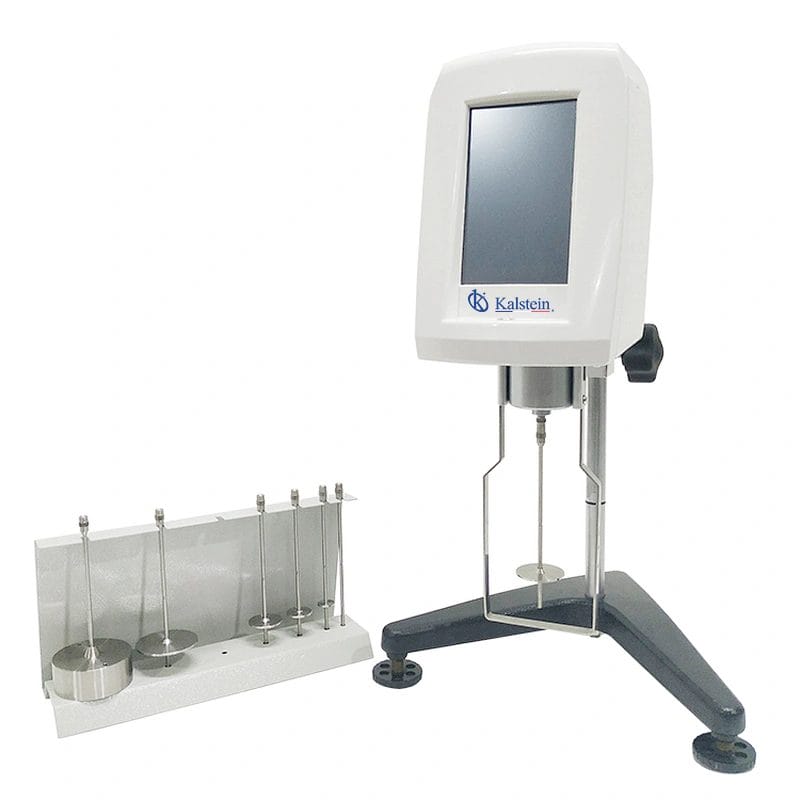
Understanding Measurement Results with the YR05860 Brookfield Viscometer
The YR05860 Brookfield Viscometer is an essential instrument for measuring the viscosity of various substances in laboratory settings. Understanding how to accurately interpret the results obtained from this device is crucial for ensuring reliable and reproducible data. This article delves into the specifics of measurement interpretation and offers practical guidance for operators using the YR05860.
Technical Specifications of the YR05860
| Specification | Details |
|---|---|
| Model | YR05860 |
| Measurement Range | 10-13,000,000 mpa.s (cp) |
| Display | LCD |
| Spindle Specifications | No. 0, 1, 2, 3, 4, 5, 6, 7 |
| Speed of Rotation | 0.3 / 0.6 / 0.5 / 3 / 6 / 12 / 30 / 60 rpm/min |
| Measurement Tolerance | ± 1% |
| Weight | 6.8 kg (net), 9 kg (gross) |
| Dimensions | 370×325×280 mm |
| Operating Conditions | Temperature: 5-35 degrees, Humidity: not exceeding 80% |
Interpreting Measurement Results
Understanding how to read the results from the YR05860 involves familiarizing oneself with viscosity units, typical ranges for various substances, and potential sources of error in measurement.
The primary unit of measurement for viscosity is the centipoise (cp). For many common fluids, the expected viscosity ranges can help in interpreting results. For example, water at room temperature has a viscosity of approximately 1 cp, while honey may have a viscosity of around 2,000 cp. When measuring higher viscosity materials, the YR05860's range extends to 13,000,000 mpa.s, making it versatile for various applications.
Common Misinterpretations of Viscosity Data
Operators often encounter misinterpretations of viscosity data. A frequent error is assuming that a higher reading indicates a better quality or more desirable product. For example, in food production, a thick sauce may be preferred over a thin one, but viscosity variations can be critical to product stability and taste.
Another common mistake is neglecting to consider temperature effects on viscosity measurements. Viscosity is temperature-dependent; thus, accurate readings must be contextualized with the operating temperature during measurement.
Technical Challenges and Solutions for Accurate Measurements
When using the YR05860, operators might face challenges such as inconsistent readings or error codes. These issues can stem from several factors:
- Improper spindle selection for the material being tested.
- Environmental factors such as temperature fluctuations affecting viscosity.
- Instrument calibration errors or mechanical issues.
To mitigate these challenges, operators should adhere to best practices such as routine calibration checks, using the appropriate spindle, and maintaining consistent environmental conditions.
Calibration and Maintenance of the YR05860
Regular calibration is essential for maintaining the accuracy of the YR05860. Calibration should be performed using standard fluids with known viscosity values. Additionally, routine maintenance, including cleaning spindles and checking for wear, will extend the lifespan of the instrument and ensure reliable measurements.
Frequently Asked Questions
What is the viscosity measurement range of the YR05860?
The YR05860 Brookfield Viscometer has a viscosity measurement range of 10-13,000,000 mpa.s (cp), making it suitable for a wide variety of materials.
How do I choose the correct spindle for my application?
Selecting the appropriate spindle depends on the viscosity range of the material you are testing. The YR05860 is compatible with spindles numbered 0 through 7, with each spindle designed for different viscosity levels.
Can temperature affect viscosity readings?
Yes, temperature significantly affects viscosity. It is essential to maintain consistent temperature conditions during measurements, as viscosity generally decreases with increasing temperature.
What maintenance is required for the YR05860?
Maintenance of the YR05860 includes regular calibration, cleaning of spindles, and checking for mechanical issues. This will ensure accurate and consistent measurement results.
How can I improve the accuracy of my viscosity measurements?
To improve measurement accuracy, ensure proper spindle selection, maintain stable environmental conditions, and perform routine calibrations with standard fluids.
Are there any common errors when using the YR05860?
Common errors include selecting the wrong spindle, not accounting for temperature effects, and failing to calibrate the instrument regularly.
Where can I purchase the YR05860 Brookfield Viscometer?
You can request a quote for the YR05860 through your preferred laboratory equipment supplier or directly through specialized distributors.
If you are looking for a fusion of innovation and quality, you have come to the right place. At Kalstein, we offer you the luxury of exploring our exclusive catalog of laboratory equipment. We manufacture every device to the highest standards of excellence. Our intuitive and seamless online purchasing channels are designed for your convenience, securing the most competitive prices. Hesitate no longer — we bring science to life, it is time to become part of our community.