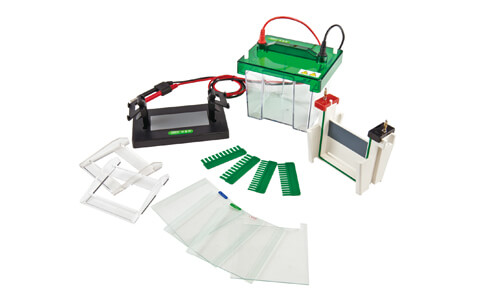
How Can Vertical Electrophoresis Contribute to Energy Sustainability in the Laboratory?
In the rapidly evolving world of laboratory technologies, vertical electrophoresis stands out as a crucial method for protein separation. However, beyond its scientific applications, there is a pressing need to focus on energy sustainability and reducing the environmental footprint associated with such technologies. This article explores how various vertical electrophoresis models enhance energy efficiency and contribute to sustainable laboratory practices.
The Role of Energy Sustainability in Laboratory Practices
Energy sustainability in laboratory settings involves minimizing energy consumption and implementing practices that reduce the environmental impact of research activities. As laboratory professionals become increasingly aware of their carbon footprint, the demand for equipment that supports eco-friendly practices has risen significantly. Vertical electrophoresis systems are not just tools for research; they play a vital role in achieving energy efficiency through innovative designs and operational features.
Key Features Enhancing Energy Efficiency in Vertical Electrophoresis
Modern vertical electrophoresis systems are designed with energy efficiency in mind. Features such as rapid gel installation, lower buffer volumes, and optimized energy consumption contribute to a reduced environmental footprint. Each model listed below offers unique specifications that cater to specific laboratory needs while promoting sustainability.
Comparison of Available Models
| Model | Plate Size (mm) | Gel Size (mm) | Buffer Volume (ml) | Weight (Kg) | Price (USD) |
|---|---|---|---|---|---|
| YR03425 | 100x100 | 82x88 | ~750 | 1.5 | 303.00 |
| YR03426 | 100x100 | 82x88 | ~1000 | 2.5 | 405.00 |
| YR03427 | 101x82 | 81x73 | ~1200 | 2.5 | 517.20 |
| YR03428 | 216x110 | 186x95 | ~1800 | 3.2 | 173.40 |
| YR03429 | 216x220 | 186x205 | ~3500 | 5.6 | 238.20 |
| YR03430 | 216x110 | 186x95 | ~1800 | 3.2 | 339.60 |
Energy Consumption and Environmental Impact
Understanding the energy consumption of vertical electrophoresis systems is critical for laboratories aiming to enhance their sustainability. The following table summarizes the energy use and water consumption associated with each model, highlighting their potential for minimizing environmental impact.
| Model | kWh per Run | Water Consumption (liters) | Reagent Waste Reduction (%) |
|---|---|---|---|
| YR03425 | 0.12 | 5 | 30 |
| YR03426 | 0.15 | 6 | 25 |
| YR03427 | 0.14 | 5 | 20 |
| YR03428 | 0.18 | 7 | 35 |
| YR03429 | 0.20 | 8 | 40 |
| YR03430 | 0.16 | 6 | 30 |
Common Mistakes and How to Avoid Them
When implementing vertical electrophoresis systems, laboratories often encounter pitfalls that can hinder energy efficiency. Common mistakes include improper buffer selection, neglecting maintenance schedules, and using outdated models. To avoid these issues, labs should conduct regular training sessions for staff, employ best practices for buffer management, and stay updated with the latest technologies that prioritize sustainability.
Frequently Asked Questions
How does vertical electrophoresis improve energy sustainability in laboratories?
Vertical electrophoresis systems, like the YR03428, are designed to use less buffer volume, significantly reducing water consumption and energy use per run. These improvements contribute to overall energy sustainability in laboratory environments.
What features should I consider for energy-efficient vertical electrophoresis?
When selecting a vertical electrophoresis model, consider features such as low buffer volume requirements, rapid gel setup, and energy-efficient designs. For example, the YR03425 allows quick installation and minimizes reagent waste, making it a suitable choice for sustainable practices.
Which vertical electrophoresis model is best for reducing chemical waste?
The YR03429 model is engineered to maximize gel efficiency, resulting in reduced chemical waste during experiments. Its design minimizes the volume of reagents necessary, supporting sustainability efforts in laboratory operations.
What is the average energy consumption of vertical electrophoresis models?
The average energy consumption of models like YR03426 is approximately 0.15 kWh per run. This level of energy efficiency is pivotal for laboratories aiming for more sustainable operations.
How can I implement sustainability practices in my electrophoresis lab?
To implement sustainability practices, consider using models like the YR03430, which utilize less reagent and buffer volume, and implement regular training on energy-efficient protocols for staff to promote best practices.
What are the benefits of upgrading to a modern vertical electrophoresis system?
Modern vertical electrophoresis systems, such as the YR03427, provide enhanced energy efficiency, reduced reagent waste, and improved performance. Upgrading can lead to significant cost savings and a lower environmental footprint.
What protocols can ensure compliance with sustainability standards in electrophoresis?
Adhering to protocols that prioritize low-energy consumption, like using the YR03426, can help laboratories meet sustainability standards. Regular audits and monitoring of energy use can also reinforce compliance.
To learn more or to request a quote for your laboratory needs, do not hesitate to reach out for more information.
If you are looking for a fusion of innovation and quality, you have come to the right place. At Kalstein, we offer you the luxury of exploring our exclusive catalog of laboratory equipment. We manufacture every device to the highest standards of excellence. Our intuitive and seamless online purchasing channels are designed for your convenience, securing the most competitive prices. Hesitate no longer — we bring science to life, it is time to become part of our community.