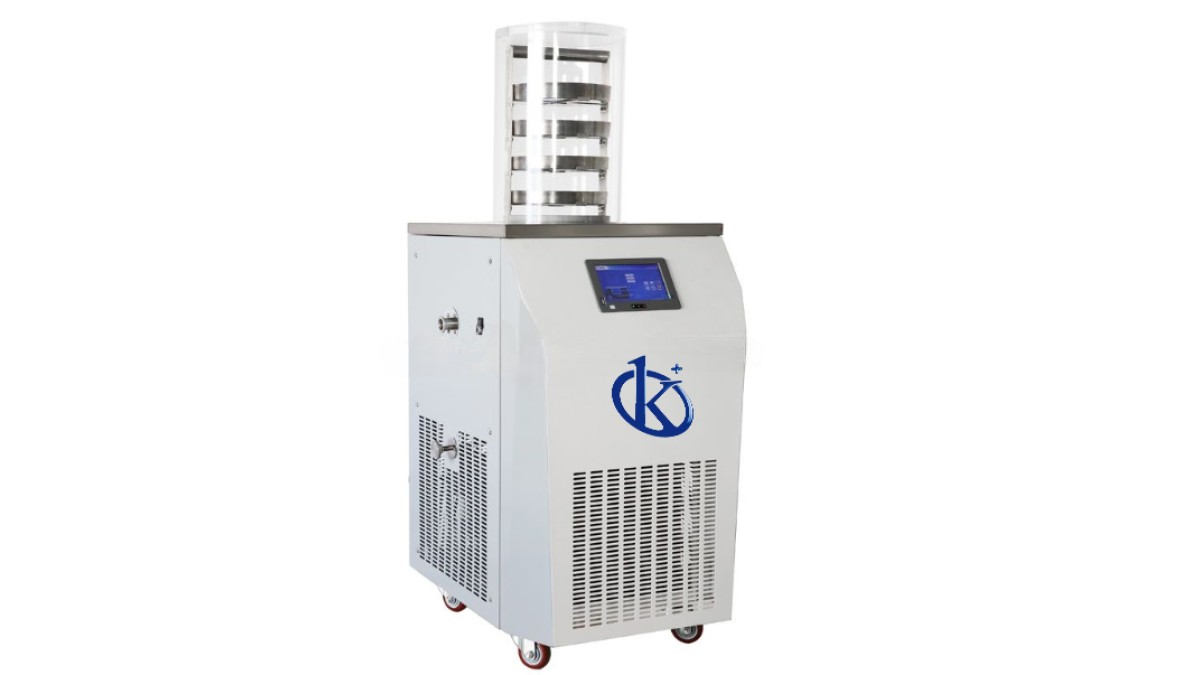
Vertical Laboratory Freeze Dryers: Common Mistakes and How to Avoid Them in Daily Operation 2026
Vertical Laboratory Freeze Dryers have become indispensable in various laboratory settings due to their efficiency in preserving biological samples, pharmaceuticals, and food items. Understanding their operation, applications, and best practices is critical for laboratory professionals. This comprehensive guide will delve into the uses, history, techniques, and common pitfalls associated with these vital devices in 2026.
What is it used for in 2026
In 2026, Vertical Laboratory Freeze Dryers are utilized in numerous fields such as medicine, pharmacy, biological research, chemistry, and food processing. They are primarily used for removing moisture from sensitive substances without compromising their biochemical properties. The freeze-drying process allows for long-term storage of materials, making it easier to restore them to their original state after rehydration.
History and evolution of the technology
The technology behind freeze drying has evolved significantly since its inception in the early 20th century. Originally developed for preserving blood serum during World War II, the method has undergone improvements to enhance efficiency and scalability. Advances in vacuum technology, automation, and temperature control have made modern Vertical Laboratory Freeze Dryers more reliable and user-friendly, catering to a broader range of laboratory applications.
How to use it step by step
Using a Vertical Laboratory Freeze Dryer involves several critical steps to ensure optimal results:
- Preparation: Ensure the samples are suitable for freeze-drying and prepare them accordingly. This may involve placing them in appropriate containers.
- Loading: Load the samples into the drying chamber, ensuring proper spacing to allow air circulation.
- Setting Parameters: Set the freeze-dryer’s parameters, including temperature, pressure, and drying time based on the sample type.
- Monitoring: Regularly monitor the process to ensure it is proceeding as expected. Adjust settings if necessary.
- Completion: Once the drying cycle is complete, remove samples and store them appropriately.
Best techniques and protocols
To achieve the best results with Vertical Laboratory Freeze Dryers, consider the following techniques and protocols:
- Optimize sample size and shape for uniform drying.
- Pre-freeze samples at -40°C for faster and more efficient drying.
- Utilize proper vacuum levels to expedite the sublimation process.
- Conduct test runs to fine-tune parameters for different materials.
Practical applications by laboratory type
Different types of laboratories utilize Vertical Laboratory Freeze Dryers for specific applications:
- Pharmaceuticals: Used to preserve drugs and vaccines.
- Biology: Ideal for storing biological specimens, enzymes, and antibodies.
- Food Science: Employed to extend the shelf life of fruits, vegetables, and ready-to-eat meals.
Regulations, standards and certifications
Laboratories using Vertical Laboratory Freeze Dryers must comply with various regulations and standards, including:
- ISO 9001 for quality management systems.
- FDA regulations for pharmaceutical production.
- Good Manufacturing Practices (GMP) for processing and storage.
Comparison with alternative technologies
While freeze drying is effective, other technologies exist for moisture removal:
- Spray Drying: Suitable for liquid samples but can affect heat-sensitive materials.
- Oven Drying: Simple and cost-effective but risks thermal degradation of samples.
Comparison of available models
| Model | Best for | Key specs | Recommended use case |
|---|---|---|---|
| YR05198 | Routine laboratory lyophilization | 0.18m²/0.27m², 1800W, -40 ~ +60°C | Ideal for general use in labs |
| YR05199 | Routine laboratory lyophilization | 0.09m², 1800W, -40 ~ +60°C | Best for smaller sample sizes |
| YR05200 | Routine laboratory lyophilization | 0.18m²/0.27m², 1800W, -40 ~ +60°C | Versatile option for various lab applications |
| YR05201 | Routine laboratory lyophilization | 0.09m², 1800W, -40 ~ +60°C | Compact design for limited space |
| YR05985-1 | Freeze drying fruits and vegetables | 0.7m², ≥10 kg/24h, -55°C ~ +70°C | Best for bulk food preservation |
| YR05985-2 | Freeze drying fruits and vegetables | 1.04m², ≥15 kg/24h, -55°C ~ +70°C | High-capacity option for food processing |
Common mistakes and how to avoid them
Here are common mistakes laboratory professionals make with Vertical Laboratory Freeze Dryers and how to avoid them:
- Overloading the chamber: Always adhere to the recommended sample capacity for optimal airflow and drying efficiency.
- Ignoring temperature settings: Use the appropriate settings for different materials to prevent degradation.
- Inconsistent monitoring: Regularly check the drying process to make necessary adjustments.
Maintenance, calibration and good practices 2026
To ensure the longevity and accuracy of Vertical Laboratory Freeze Dryers, follow these maintenance practices:
- Perform routine cleaning of the chamber and components.
- Regularly calibrate temperature and pressure sensors.
- Document maintenance and calibration activities for compliance and tracking.
Cost-benefit analysis 2026
Investing in a Vertical Laboratory Freeze Dryer can provide significant benefits, including:
- Extended shelf life of samples, reducing waste.
- Retention of biochemical properties, enhancing research quality.
- Time savings in sample processing, improving laboratory efficiency.
Frequently asked questions
How do I choose the right model for my laboratory?
Consider your laboratory's specific needs, including the types of samples you work with, the volume of material, and your available space. Refer to the specifications of each model to align with your requirements.
What are the key parameters to set for optimal freeze drying?
Key parameters include the initial freezing temperature, vacuum pressure, and shelf temperature during the drying process. Adjust these based on the material being processed.
How can I ensure consistent results with freeze drying?
Optimize sample preparation, monitor the drying process closely, and maintain equipment properly to ensure consistent results.
Is it necessary to pre-freeze samples before freeze drying?
Yes, pre-freezing samples can enhance the efficiency of the freeze-drying process and improve final product quality.
What common issues might arise during freeze drying?
Common issues include uneven drying, sample degradation, and equipment malfunction. Regular monitoring and maintenance can help prevent these problems.
How often should I calibrate my freeze dryer?
Calibration should be performed regularly, ideally every six months, or anytime you suspect a measurement issue.
Can I use the freeze dryer for materials other than biological samples?
Yes, Vertical Laboratory Freeze Dryers are versatile and can be used for various materials, including pharmaceuticals and food products.
If you are looking for a fusion of innovation and quality, you have come to the right place. At Kalstein, we offer you the luxury of exploring our exclusive catalog of laboratory equipment. We manufacture every device to the highest standards of excellence. Our intuitive and seamless online purchasing channels are designed for your convenience, securing the most competitive prices. Hesitate no longer — we bring science to life, it is time to become part of our community.