Veterinary Anesthesia Ventilator YR06103
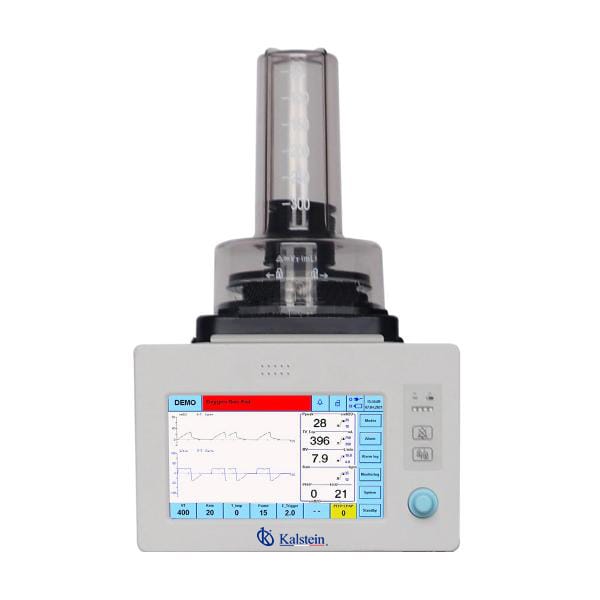
Compacto y ahorra espacio Ligero y fácil de mover Cálculo automático por peso de los demás parámetros Con el modo de respiración PCV modo, lograr la respiración de forma automática Características Asegurar que el animal esté más cómodo Con fuelle para animales grandes y fuelle para animales pequeños La tubería de la fuente de gas toma la fuente de gas de alto valor, sin fugas para siempre Pantalla táctil HD TFT para un manejo fácil y sencillo Batería incorporada para soportar más de dos horas en caso de corte del suministro eléctrico Compatible con diferentes marcas de máquinas de anestesia veterinaria
This page provides an overview of the Veterinary Anesthesia Ventilator YR06103, including selection criteria, investment factors, operational advantages and maintenance recommendations. The aim is to support an informed decision before requesting a quotation.
This Kalstein model is available for laboratories in New Zealand, with selection criteria adapted to local purchasing, installation and support conditions.
Key factors to consider
Before selecting the Veterinary Anesthesia Ventilator YR06103, confirm workflow, available space, required accessories and installation conditions. This prevents oversizing the purchase and helps prepare a more accurate quotation.
Its use is oriented to laboratory routines that require observation, control and operational continuity.
For the market in New Zealand, evaluation should consider local context such as Medsafe regulation, dairy and agro research and match the product to the real workload of the laboratory.
Market price range
The investment should be evaluated according to configuration, required accessories, installation conditions and available technical support.
The final price may vary according to configuration, accessories, logistics, warranty and territorial availability. Compare the technical sheet with the real laboratory workload before confirming the investment.
In New Zealand, budget comparison should include Medsafe references, 230V/50Hz power conditions, accessories, logistics and after-sales support.
Value for money
Equipment value depends on operational stability, required accuracy, ease of maintenance and accessory availability.
Value for money should be reviewed together with equipment stability, after-sales support, technical documentation and expected service life. A well-matched selection reduces downtime and improves return on investment.
Advantages and disadvantages
Its use is oriented to laboratory routines that require observation, control and operational continuity.
Main advantages include specialized application, integration with laboratory routines and accessory configuration. Limitations may include installation requirements, user training and preventive maintenance to preserve performance.
Expected lifespan based on use and maintenance
Model YR06103 Display 9-inch TFT touch screen Gas type O2 or Air Inlet pressure 280-600 kPa Max flow ≤ 120 L / min Operating Mode VCV, PCV, SPONT, Manual, Demo Waveform Pressure, flow-rate, volume Loop PV loop, PF loop, FV loop Safety Pressure System pressure does not exceed 6 KPa Battery Type Li-ion, work time more than 2 hours Tidal volume Range 20 - 1500 ml Respiratory rate Range 1 ~ 150 bpm Inspiratory time Range 0.1 ~ 12s Breathing ratio Range 9.9:1 to 1:9.9 Percentage of inspiratory pause Range 0 to 50% PEEP Range OFF, 3 ~ 20 cmH2O Support Pressure Range 0 ~ 60 cmH2O Inspiratory Pressure Range 2 ~ 60 cmH2O Flow trigger Range 0.
Service life depends on usage frequency, cleaning, storage, calibration when applicable and adherence to technical recommendations. A structured maintenance plan helps preserve accuracy, safety and operational continuity.
Support and spare-parts availability oriented to New Zealand helps preserve service continuity and plan preventive maintenance without extended downtime.
Specifications table for the Veterinary Anesthesia Ventilator YR06103
Veterinary Anesthesia Ventilator YR06103
Características
- Asegurar que el animal esté más cómodo
- Con fuelle para animales grandes y fuelle para animales pequeños
- La tubería de la fuente de gas toma la fuente de gas de alto valor, sin fugas para siempre
- Pantalla táctil HD TFT para un manejo fácil y sencillo
- Batería incorporada para soportar más de dos horas en caso de corte del suministro eléctrico
- Compatible con diferentes marcas de máquinas de anestesia veterinaria
| Model | YR06103 |
| Display | 9-inch TFT touch screen |
| Gas type | O2 or Air |
| Inlet pressure | 280-600 kPa |
| Max flow | ≤ 120 L / min |
| Operating Mode | VCV, PCV, SPONT, Manual, Demo |
| Waveform | Pressure, flow-rate, volume |
| Loop | PV loop, PF loop, FV loop |
| Safety Pressure | System pressure does not exceed 6 KPa |
| Battery Type | Li-ion, work time more than 2 hours |
| Tidal volume Range | 20 - 1500 ml |
| Respiratory rate Range | 1 ~ 150 bpm |
| Inspiratory time Range | 0.1 ~ 12s |
| Breathing ratio Range | 9.9:1 to 1:9.9 |
| Percentage of inspiratory pause Range | 0 to 50% |
| PEEP Range | OFF, 3 ~ 20 cmH2O |
| Support Pressure Range | 0 ~ 60 cmH2O |
| Inspiratory Pressure Range | 2 ~ 60 cmH2O |
| Flow trigger Range | 0.5 ~ 20L/min |
| Pressure Trigger Range | -1 ~ -20 cmH2O |
| PSV Insp Termination Level | 25% |
| Monitoring parameters | Inspiratory/Expiratory tidal volume Range:0 ~ 2500 mL |
| Minute ventilation | Display Range: 0 ~ 99L/min, Using Range: 0 ~ 25L/min |
| Spontaneous minute ventilation | Display Range: 0 ~ 99L/min, Using Range: 0 ~ 25L/min |
| Pea/Mean airway pressure Range | 0 ~ 80 cmH2O |
| FiO2(optional) Range | 15 to 100% |
Frequently Asked Questions about the Veterinary Anesthesia Ventilator YR06103
How do I choose the right veterinary anesthesia ventilator yr06103 for my laboratory?
Selection should start from workload, critical technical parameters, available space and frequency of use. Kalstein can support the comparison between operational needs, budget and maintenance requirements to avoid choosing equipment that is oversized or insufficient.
What should I review before requesting a quotation?
Review the model, technical specifications, required accessories, electrical conditions, consumables, delivery timing and installation needs. With this information, the quotation can be prepared more accurately and aligned with the laboratory workflow.
Does Kalstein provide guidance for this type of equipment?
Yes. The commercial and technical team can support product evaluation, explain differences between models, answer application questions and advise on preventive maintenance, spare parts and documentation required for a secure purchase.
What maintenance helps extend the equipment lifespan?
Follow the manufacturer manual, perform regular cleaning, verify calibrations or controls when applicable, avoid workload abuse and keep maintenance records. Stable use and preventive routines reduce failures and improve operational continuity.