Veterinary Laparoscopy System: Common Mistakes and How to Avoid Them in Daily Operations 2026
What is it used for in 2026
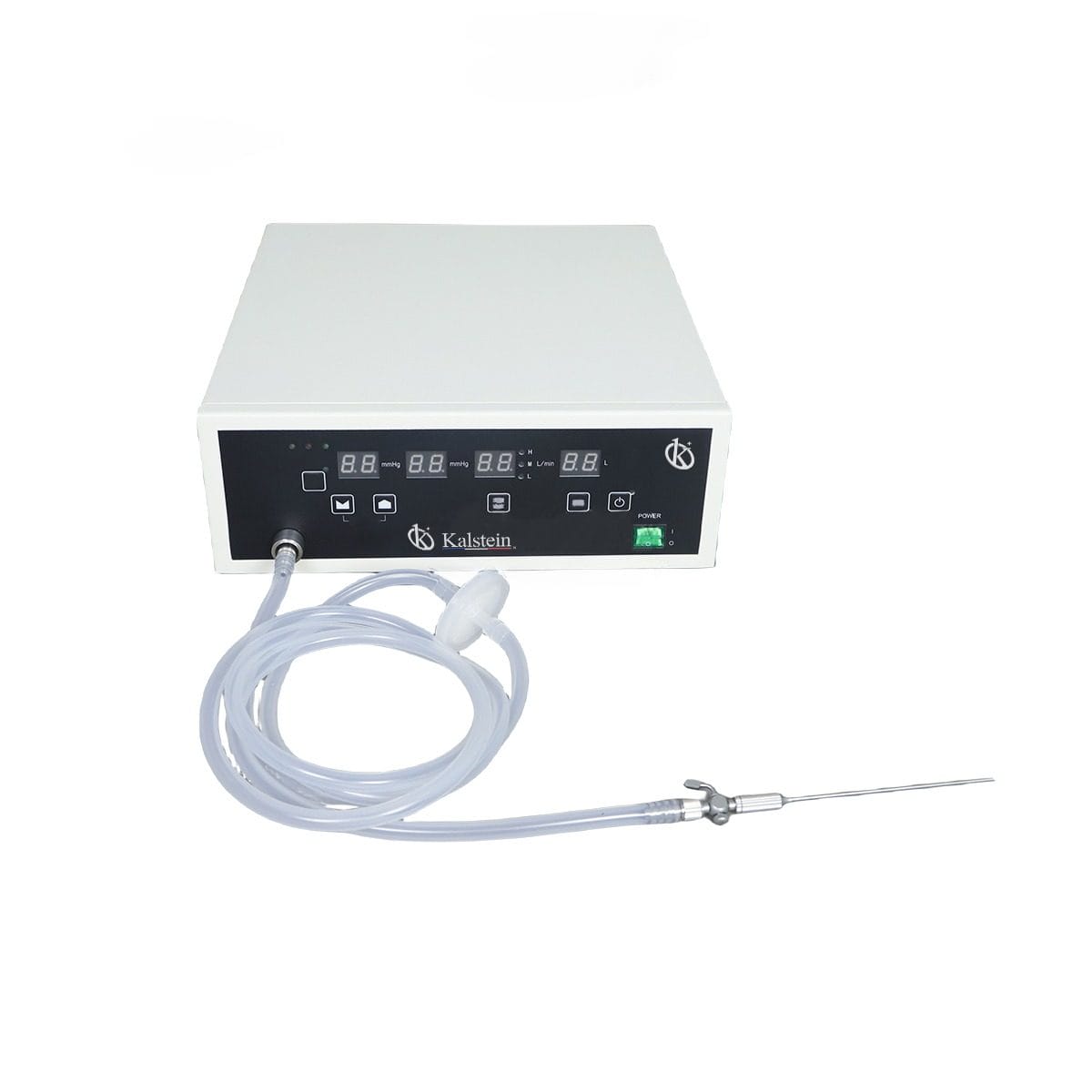
The Veterinary Laparoscopy System is increasingly becoming an essential tool in veterinary medicine, providing minimally invasive surgical options for various procedures. In 2026, it facilitates diagnosis and treatment in small animals, including dogs and cats, as well as larger species. The system allows for operations such as spaying, neutering, and organ biopsies while minimizing recovery time and reducing post-operative pain. The use of CO2 insufflators and high-definition imaging systems enhances the accuracy of procedures, allowing veterinarians to perform surgeries with precision.
History and evolution of the technology
The roots of laparoscopic surgery date back to the early 20th century, but its application in veterinary medicine has gained significant momentum over the past two decades. Initially utilized for exploratory surgeries, advancements in technology have led to the development of sophisticated equipment such as the Veterinary CO2 Insufflator and Mobile High-Definition Endoscopic Imaging Systems. These innovations have transformed surgical practices, making procedures safer and more efficient while significantly reducing the trauma associated with traditional methods.
How to use it step by step
Using the Veterinary Laparoscopy System involves several critical steps:
- Preparation: Gather all necessary equipment, including the insufflator, endoscope, and monitoring devices. Ensure that the surgical area is sterile and organized.
- Patient Setup: Anesthetize the animal according to established protocols and position it appropriately on the surgical table.
- Insufflation: Connect the CO2 insufflator (e.g., YR06157 or YR06158) to establish pneumoperitoneum, ensuring pressure settings are accurate.
- Visualization: Introduce the endoscope through a trocar to provide a visual field. Adjust lighting and camera settings as needed (using YR06156 for optimal imaging).
- Surgical Procedure: Carry out the surgical procedure guided by the visual feed from the endoscope, ensuring to follow all best practices for the specific operation being performed.
- Conclusion: Once completed, carefully remove instruments and release the CO2. Monitor the patient as they recover from anesthesia.
Best techniques and protocols
In 2026, employing best practices in laparoscopic surgery is crucial for success. Recommended techniques include: - Adequate training for personnel operating the equipment. - Strict adherence to aseptic techniques to prevent infections. - Proper calibration of the insufflator before each use to ensure accuracy. - Continuous monitoring of the patient’s vital signs throughout the procedure. - Regular maintenance of equipment to ensure functionality and reliability.
Practical applications by laboratory type
The Veterinary Laparoscopy System is versatile and can be utilized in various settings: - Veterinary Clinics: For routine surgical procedures in small animals, enhancing efficiency and improving recovery times. - Research Facilities: Enabling advanced research and surgical studies on animal models without significant trauma. - Teaching Institutions: Providing veterinary students with hands-on experience in minimally invasive surgical techniques in a controlled environment.
Regulations, standards and certifications
In 2026, compliance with veterinary surgical regulations and standards is paramount. Equipment must meet safety certifications from relevant authorities, ensuring that all devices are reliable and effective. Veterinary practices should be familiarized with local regulations regarding surgical procedures, anesthesia monitoring, and post-operative care to guarantee compliance and safety for both staff and animals.
Comparison with alternative technologies
Compared to traditional open surgeries, laparoscopic techniques offer several advantages such as: - Less tissue damage and reduced recovery time. - Smaller incisions leading to minimal scarring. - Enhanced visualization through high-definition imaging systems that surpass standard surgical methods. However, the initial investment for laparoscopic equipment may be higher, necessitating a cost-benefit analysis to determine viability for individual practices.
Comparison of available models
| Model | Best for | Key specs | Recommended use case |
|---|---|---|---|
| YR06157 | Small animals | Flow rate: 4L/min, 6L/min, 10L/min; Pressure: 0.67kPa~3.30kPa | Ideal for routine laparoscopic procedures requiring controlled insufflation. |
| YR06156 | Endoscopic imaging | LED light source; Resolution: 1920*1080 | Best suited for high-definition imaging during surgical procedures. |
| YR06158 | High-flow insufflation | Flow rate: 2L/min-40L/min; Pressure range: 5~25mmHg | Recommended for surgeries requiring rapid insufflation and extensive visual field. |
Common mistakes and how to avoid them
Many practitioners encounter challenges with laparoscopic equipment. Common mistakes include:
- Inadequate training: Ensure all staff are trained on equipment use and surgical techniques.
- Poor maintenance: Regularly check and calibrate all devices to prevent malfunction during surgeries.
- Improper patient preparation: Always follow protocols for anesthesia and positioning to enhance surgical outcomes.
- Neglecting to monitor vitals: Continuous monitoring is crucial throughout the procedure to ensure patient safety.
Maintenance, calibration and good practices 2026
To maintain proper functionality of the Veterinary Laparoscopy System in 2026, follow these guidelines: - Conduct regular cleaning and sterilization of all instruments and equipment after each use. - Perform calibration checks on the insufflator before every surgery session. - Schedule routine maintenance checks by qualified technicians to ensure equipment reliability. - Maintain comprehensive records of all maintenance activities to track equipment performance over time.
Cost-benefit analysis 2026
Investing in a Veterinary Laparoscopy System may seem substantial initially, but the long-term benefits are considerable. Consider the following points: - Reduced recovery time translates to quicker patient turnover and potential for increased revenue. - Minimally invasive techniques minimize complications, leading to lower overall costs associated with post-operative care. - Enhanced surgical precision can lead to improved outcomes, fostering better client relationships and potentially increasing clientele.
Frequently asked questions
What are the key factors in choosing a Veterinary Laparoscopy System?
When selecting a system, consider factors such as the type of surgeries you intend to perform, equipment compatibility, and the necessary imaging capabilities. Assess your budget in relation to the expected return on investment from reduced recovery times and improved patient outcomes.
How do I ensure the safety of my patients during laparoscopic procedures?
To ensure patient safety, follow established anesthesia protocols, monitor vital signs continuously throughout the procedure, and maintain a sterile environment. Regular training for your team on best practices is also essential.
What is the average lifespan of laparoscopic equipment?
The lifespan of laparoscopic equipment can vary, but with proper maintenance and calibration, systems can last several years. Regular servicing can help extend their lifespan significantly.
How can I improve my skills in laparoscopic surgery?
Improvement can be achieved through hands-on training, attending workshops, and seeking mentorship from experienced veterinarians. Practicing on simulation models can also be beneficial.
What maintenance is necessary for laparoscopic equipment?
Regular cleaning, sterilization, and calibration checks are necessary. Equipment should also undergo periodic professional servicing to ensure it operates correctly.
Can laparoscopic techniques be used for all types of surgeries?
While laparoscopic techniques are suitable for many procedures, not all surgeries can be performed laparoscopically. It is important to evaluate each case individually.
How to request a quote for veterinary laparoscopic equipment?
You can request a quote directly from equipment suppliers by providing details on the specific models you are interested in and your practice requirements.
If you are looking for a fusion of innovation and quality, you have come to the right place. At Kalstein, we offer you the luxury of exploring our exclusive catalog of laboratory equipment. We manufacture every device to the highest standards of excellence. Our intuitive and seamless online purchasing channels are designed for your convenience, securing the most competitive prices. Hesitate no longer — we bring science to life, it is time to become part of our community.