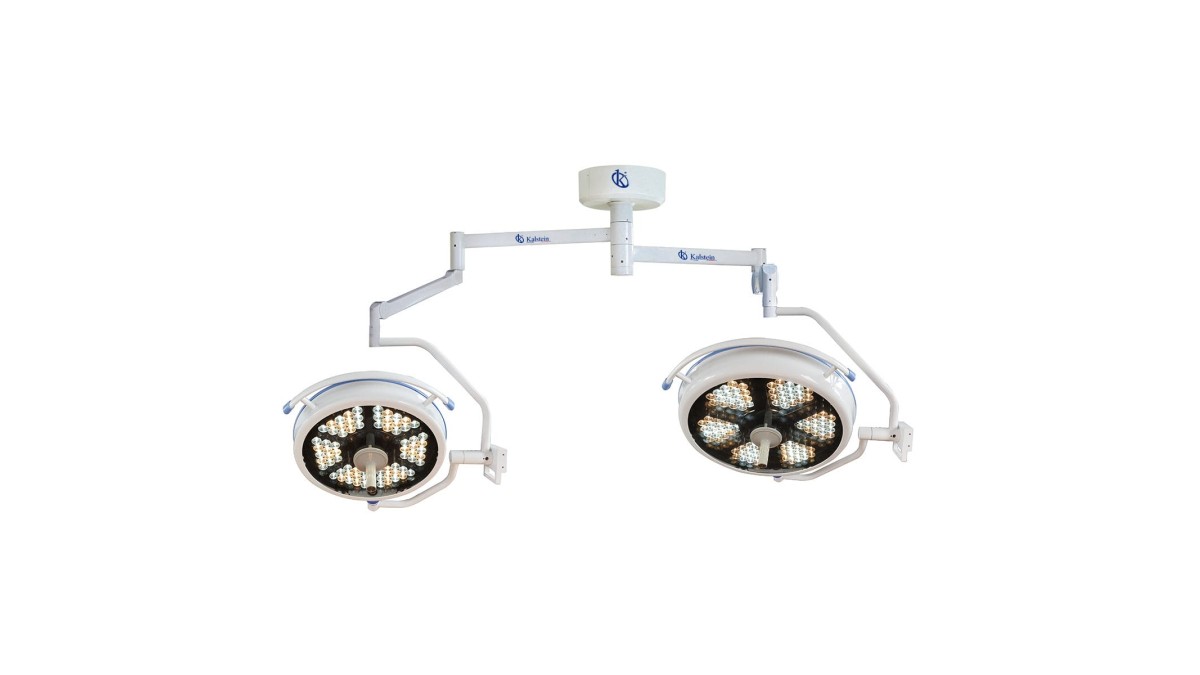
Veterinary Operating Lamps: Practical Applications and Techniques 2026
What is it used for in 2026
Veterinary operating lamps are essential tools in modern veterinary practices. They provide high-quality illumination during surgical procedures, which is crucial for visibility and precision. In 2026, these lamps are used in various applications, including surgical operations, diagnostic procedures, and even routine examinations. Their advanced features allow for optimal lighting conditions, minimizing shadows and enhancing the focus on the surgical field.
History and evolution of the technology
The history of veterinary operating lamps dates back to the early 20th century when basic incandescent bulbs were used. Over the years, advancements in technology led to the development of shadowless lamps, which eliminated shadows created by traditional lighting. The introduction of LED technology has revolutionized veterinary lighting, providing brighter, more energy-efficient options with longer lifespans. As technology continues to evolve, features such as adjustable color temperature and automatic brightness control have become standard in modern veterinary operating lamps.
How to use it step by step
Using veterinary operating lamps effectively involves several key steps:
- Setting up the lamp: Ensure the lamp is securely mounted (either ceiling or wall-mounted) and connected to a power source. Check that all components are functioning correctly.
- Adjusting the brightness: Depending on the procedure, adjust the brightness to the required level. Most models allow for fine-tuning.
- Positioning the light: Position the lamp to ensure maximum illumination over the surgical field. This may involve moving the head of the lamp to the desired angle.
- Checking color temperature: Adjust the color temperature to match the needs of the procedure. Different surgeries may require different lighting conditions.
- Conducting a pre-surgery check: Before starting, double-check that the light is correctly positioned and functioning as intended to avoid any complications during surgery.
Best techniques and protocols
To maximize the effectiveness of veterinary operating lamps, adhere to the following techniques and protocols:
- Regularly calibrate the lamps to maintain optimal lighting conditions.
- Use lamps with adjustable brightness and color temperature for versatility across different procedures.
- Establish protocols for the maintenance and cleaning of lamps to ensure longevity and reliability.
- Train all veterinary staff on proper usage techniques to minimize errors and enhance safety during procedures.
Practical applications by laboratory type
Veterinary operating lamps have various applications depending on the type of laboratory or veterinary practice:
- Surgical Rooms: Provide critical illumination during complex surgeries.
- Emergency Clinics: Essential for urgent procedures requiring immediate visibility.
- Diagnostic Labs: Useful for examinations that require detailed observation.
- Research Facilities: Important for studies involving animal surgery and experimental procedures.
Regulations, standards and certifications
In 2026, compliance with various regulations and standards is crucial for veterinary operating lamps:
- Ensure that all lamps meet ISO certification for safety and performance.
- Verify that products comply with local health and safety regulations specific to veterinary practices.
- Consider lamps certified for electromagnetic compatibility to avoid interference with other devices.
Comparison with alternative technologies
Veterinary operating lamps compare favorably with alternative lighting technologies, such as halogen and fluorescent lights:
- LED Technology: Offers superior brightness, energy efficiency, and a longer lifespan compared to halogen and fluorescent options.
- Adjustability: LED lamps often provide adjustable features that traditional lights cannot match.
- Heat Emission: LED lamps operate at lower temperatures, minimizing heat exposure during surgeries.
Comparison of available models
| Model | Best for | Key specs | Recommended use case |
|---|---|---|---|
| YR06115 | Complex surgeries requiring high illumination | Illuminance: ≥160,000Lux; Temperature: 3800±500K | Best for thoracic and cranial surgeries |
| YR06116 | General surgical procedures | Illuminance: 160,000Lux; Lifespan: 60,000 hours | Ideal for routine surgeries with varying light needs |
| YR06117 | High-level aseptic environments | Illuminance: 40,000~160,000Lux; Adjustable color temperature | Suitable for modern operating rooms |
| YR06118 | Wall-mounted applications | Illuminance: 40,000~160,000Lux; Adjustable color temperature | Best for confined spaces where ceiling mounts are impractical |
| YR06119 | Minor surgeries and examinations | Illuminance: ≥100,000Lux; Lifespan: ≥30,000 hours | Excellent for use in clinics for quick procedures |
| YR06120 | Basic surgical lighting | Illuminance: ≥50,000Lux; Lifespan: 30,000 hours | Ideal for less complex operations |
Common mistakes and how to avoid them
Many users make common mistakes when operating veterinary lamps. Here are several pitfalls and tips to avoid them:
- Incorrect positioning: Always double-check the lamp's position before surgery; a misaligned light can reduce visibility.
- Ignoring maintenance: Regular cleaning and calibration prevent malfunctions. Establish a maintenance schedule.
- Not training staff: Ensure all users are trained on the specific model being used. This minimizes confusion and maximizes efficiency.
Maintenance, calibration and good practices 2026
To maintain optimal performance of veterinary operating lamps in 2026, follow these best practices:
- Perform regular checks on all electrical components to ensure safe operation.
- Implement a cleaning routine to remove dust and debris from the lamp's surfaces.
- Calibrate brightness and color settings based on the types of procedures commonly performed.
- Document maintenance and calibration activities for compliance and to track performance over time.
Cost-benefit analysis 2026
When evaluating the cost-effectiveness of investing in veterinary operating lamps, consider the following:
- Initial investment: Weigh the upfront costs against the features and longevity provided by LED lamps.
- Operational costs: Factor in energy savings and reduced maintenance costs over time.
- Quality of care: Higher quality lighting contributes to better surgical outcomes, which can lead to increased client satisfaction and revenue.
Frequently asked questions
What should I consider when choosing a veterinary operating lamp?
When selecting a veterinary operating lamp, consider factors such as brightness, color temperature adjustability, lamp design (ceiling or wall-mounted), and the specific lighting needs of your practice.
How do I maintain the lamp properly?
Proper maintenance includes regular cleaning, checking electrical components, and adhering to a calibration schedule to ensure the lamp functions optimally.
Can I use these lamps for different types of procedures?
Yes, modern veterinary operating lamps are versatile and can be used for various surgical and diagnostic procedures, making them essential in any veterinary practice.
What are the advantages of LED operating lamps?
LED operating lamps provide brighter illumination, energy efficiency, longer life spans, and reduced heat emission, making them superior to traditional lighting options.
How often should I replace the bulbs in these lamps?
The lifespan of the bulbs varies by model, but generally, LED bulbs can last upwards of 30,000 hours. Regularly check performance and replace as needed.
What are common mistakes in using veterinary operating lamps?
Common mistakes include incorrect positioning, neglecting maintenance, and inadequate staff training. Avoid these by establishing clear protocols and conducting regular training sessions.
Where can I find more information or request a quote?
For more details about veterinary operating lamps and to request a quote, please reach out through our channels.
If you are looking for a fusion of innovation and quality, you have come to the right place. At Kalstein, we offer you the luxury of exploring our exclusive catalog of laboratory equipment. We manufacture every device to the highest standards of excellence. Our intuitive and seamless online purchasing channels are designed for your convenience, securing the most competitive prices. Hesitate no longer — we bring science to life, it is time to become part of our community.