Veterinary Surgical Tools: Applications and Techniques 2026
Veterinary surgical tools are crucial in providing efficient surgical interventions for animals. In 2026, these tools have evolved to encompass various functionalities, allowing veterinary professionals to conduct a wide range of procedures with precision and safety. This article explores the applications, operational techniques, and best practices associated with veterinary surgical tools, focusing on their use in research, biotechnology, and academia.
What is it used for in 2026
In 2026, veterinary surgical tools are used for a multitude of applications, including orthopedic surgery, soft tissue surgery, and dental procedures. These tools are designed to support a variety of surgical interventions, from minimally invasive techniques to more complex surgeries requiring precision and control. The advancements in technology have allowed for tools that are not only multifunctional but also ergonomically designed to reduce fatigue during prolonged surgical procedures.
History and evolution of the technology
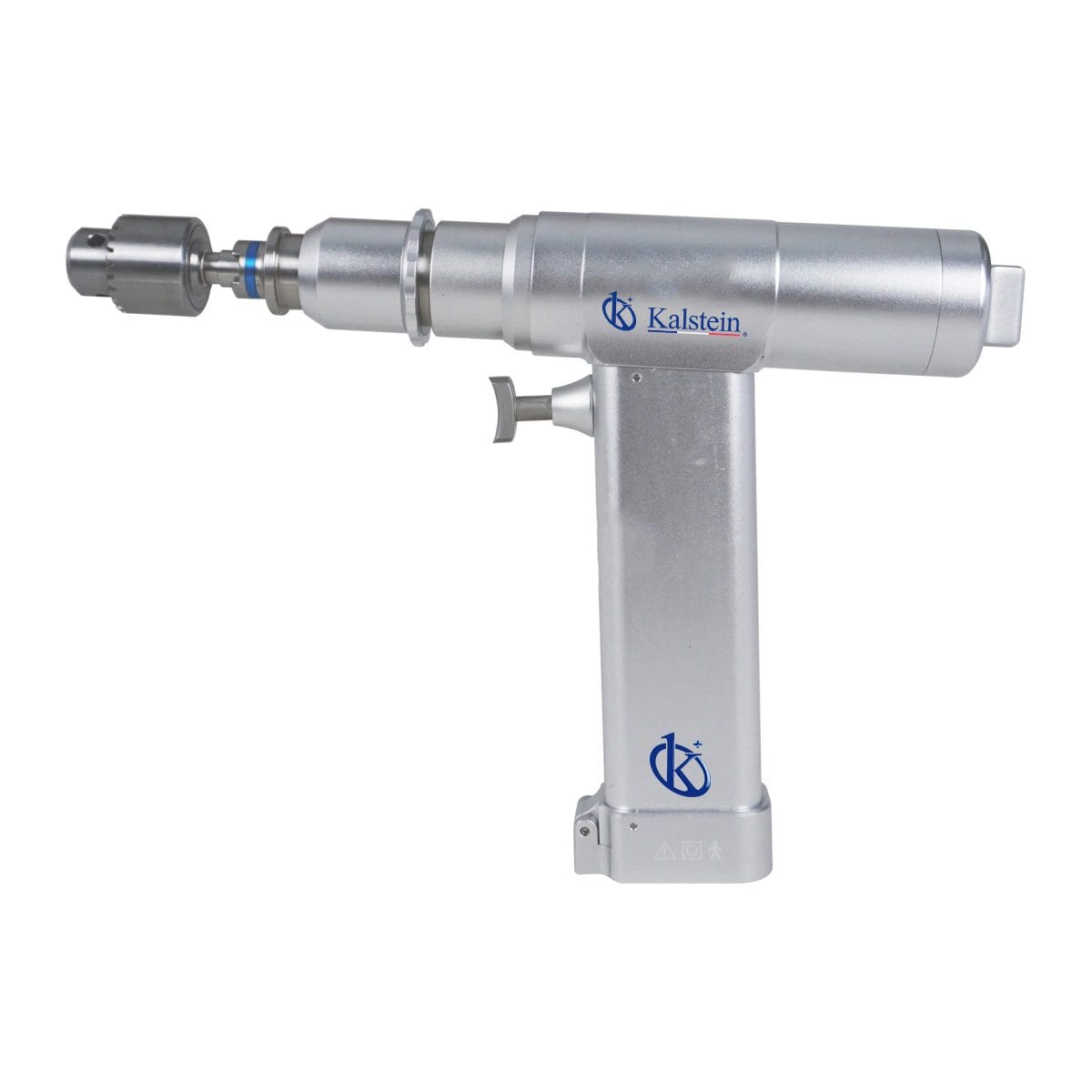
The history of veterinary surgical tools dates back to ancient times when basic instruments were made from available materials. Over the years, technological advancements have transformed surgical tools into highly specialized equipment. The introduction of electric multifunctional tools, such as the Electric Multifunction Tool for Veterinary Surgery YR06126, has allowed for rapid adaptation to various surgical needs. These tools continue to evolve, integrating smart technologies that enhance their functionality and usability.
How to use it step by step
Using veterinary surgical tools effectively involves several key steps:
- Preparation: Ensure all tools are sterilized and checked for functionality.
- Familiarization: Understand the specific functions of each tool, such as the Electric Multifunction Tool for Veterinary Surgery YR06126, which offers multiple adapters for various surgical applications.
- Technique Application: Follow established protocols for each surgical procedure. For example, when using the Micro/Mini Multifunctional Veterinary Tool for Small Animals YR06127, ensure the quick chuck is properly engaged to hold the drill bit securely.
- Post-Procedure Care: After surgery, inspect the tools for any signs of wear or damage and clean and sterilize them appropriately.
Best techniques and protocols
Best practices for using veterinary surgical tools include:
- Regularly updating skills and training on new technologies.
- Adhering to strict sterilization protocols before and after each procedure.
- Utilizing ergonomic handling techniques to reduce strain on hands and wrists.
- Engaging in team briefings to ensure all personnel are aware of their roles during surgery.
Practical applications by laboratory type
Veterinary surgical tools find applications in various laboratory settings:
- Research Laboratories: Conducting experimental surgeries to study animal physiology.
- Biotechnology Firms: Developing and testing biomedical devices aimed at improving animal health.
- Academic Institutions: Training veterinary students on surgical techniques and best practices.
Regulations, standards and certifications
In 2026, the use of veterinary surgical tools is governed by various regulations and standards aimed at ensuring safety and efficacy. Compliance with ISO standards for medical devices is crucial, as is adherence to local veterinary medical boards' guidelines. Certifications for tools, such as CE marking in Europe, indicate compliance with safety and performance regulations.
Comparison with alternative technologies
Veterinary surgical tools are often compared with alternative technologies such as robotic surgical systems and traditional hand tools. While robotic systems offer enhanced precision and control, veterinary surgical tools remain essential due to their versatility and ease of use. Additionally, hand tools generally have lower operational costs and require less training, making them more accessible for most veterinary practices.
Comparison of available models
| Model | Best for | Key specs | Recommended use case |
|---|---|---|---|
| YR06126 | Joint, trauma, neurosurgery | Output Power: ≥130W, Noise: ≤75dB, Working Voltage: 14.4V | Comprehensive surgeries requiring multiple adapters. |
| YR06127 | Small animal surgeries | Output Power: ≥50W, Noise: ≤60dB, Working Voltage: 7.2V | Minimally invasive surgeries on small animals. |
| YR06128 | TPLO surgeries | Frequency: 0-16000 Hz, Working Voltage: 12V | Stabilizing knee joints after cranial cruciate ligament injuries. |
Common mistakes and how to avoid them
Common mistakes in using veterinary surgical tools include:
- Improper Sterilization: Always follow recommended sterilization protocols to prevent infections.
- Neglecting Tool Maintenance: Regularly check tools for wear and damage to ensure safe operation.
- Inadequate Training: Ensure all personnel are properly trained in the use of tools to maximize safety and efficacy.
Maintenance, calibration and good practices 2026
Maintaining veterinary surgical tools involves regular cleaning, checking for mechanical integrity, and appropriate calibration to ensure they perform as designed. Establish a routine maintenance schedule and train all team members on proper handling and care techniques.
Cost-benefit analysis 2026
In 2026, conducting a cost-benefit analysis of veterinary surgical tools is essential for practices to understand their value. This includes evaluating the initial investment, maintenance costs, and potential revenue from enhanced surgical capabilities. Each tool's efficiency and versatility can lead to better patient outcomes and increased client satisfaction, ultimately supporting better business growth.
Frequently asked questions
What should I consider when choosing veterinary surgical tools?
When selecting surgical tools, consider factors such as the types of procedures you will perform, the ease of use, ergonomic design, and the availability of accessories. Assessing these factors will help you choose the most suitable tools for your practice.
How often should surgical tools be maintained?
Surgical tools should be inspected and maintained regularly, ideally after each use. Develop a maintenance schedule that includes sterilization, checking for wear, and calibrating tools as necessary.
Can I use multiple models for the same procedure?
Yes, different models can often be used interchangeably for similar procedures, depending on the specific requirements and the tools' capabilities. However, ensure that the chosen model is appropriate for the complexity of the surgery.
What are the best practices for sterilizing surgical tools?
Best practices include cleaning tools thoroughly before sterilization, using appropriate sterilization methods (such as autoclaving), and following manufacturer guidelines to ensure effective sterilization.
Is training necessary for using veterinary surgical tools?
Yes, proper training is crucial to ensure safe and effective use of surgical tools. It minimizes the risk of errors during procedures and maximizes the tools' effectiveness.
What are the latest innovations in veterinary surgical tools?
Recent innovations include multifunctional electric surgical tools that offer quick adapter changes, improved ergonomic designs, and advanced materials that enhance durability and performance in surgical settings.
If you are looking for a fusion of innovation and quality, you have come to the right place. At Kalstein, we offer you the luxury of exploring our exclusive catalog of laboratory equipment. We manufacture every device to the highest standards of excellence. Our intuitive and seamless online purchasing channels are designed for your convenience, securing the most competitive prices. Hesitate no longer — we bring science to life, it is time to become part of our community.