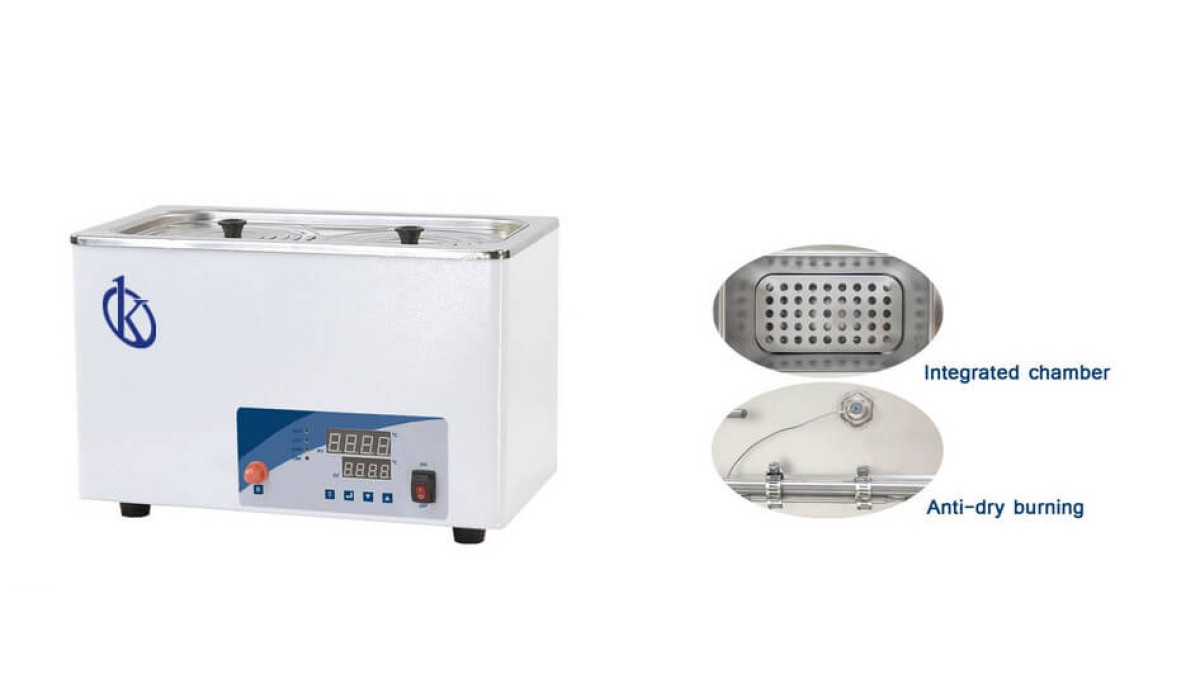
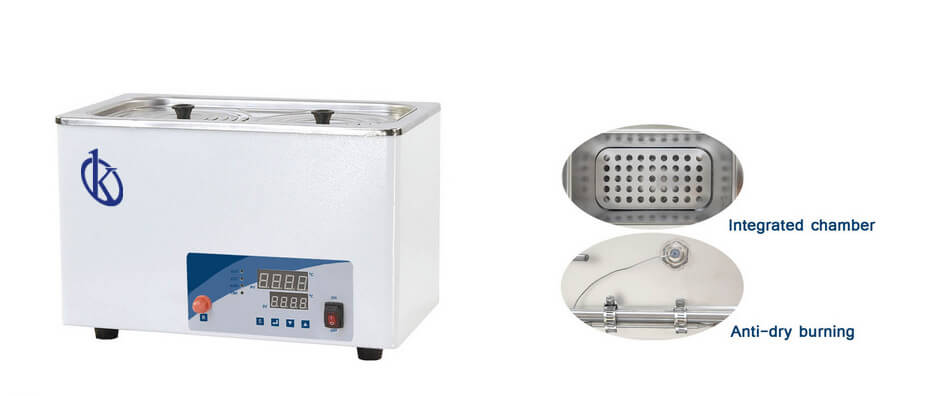
Water Baths: Practical Applications and Techniques 2026
What is it used for in 2026
Water baths are essential tools in laboratories for a variety of applications, including heating, incubating, and maintaining samples at specific temperatures. In 2026, their usage extends to clinical diagnostics, biochemistry, and microbiology, where consistent temperature control is crucial for accurate results. They are vital in processes where uniform heating is necessary for reactions or growth, such as enzyme assays, DNA amplification, and cell culture.
History and evolution of the technology
Water baths have evolved significantly since their inception. Initially, simple metal containers filled with water served as basic heating devices. Over the decades, advancements in materials and temperature control have led to the development of sophisticated models with precise PID controllers and safety features. The incorporation of digital displays and programmable settings has made it easier for laboratory professionals to manage complex protocols efficiently.
How to use it step by step
Using a water bath effectively involves several steps:
- Preparation: Clean the water bath and ensure it is placed on a stable surface away from direct sunlight.
- Filling: Fill the bath with distilled water to the recommended level, avoiding overflow.
- Temperature Setting: Set the desired temperature using the control panel. Allow time for the bath to reach this temperature.
- Sample Placement: Place samples in appropriate containers, ensuring they are submerged adequately but do not touch the bottom to avoid overheating.
- Monitoring: Regularly check the temperature and adjust as necessary during the experiment.
- Post-Use: Once the procedure is complete, turn off the water bath, clean the containers, and drain the water if required.
Best techniques and protocols
To maximize the efficacy of water baths, consider the following techniques:
- Utilize a calibrated thermometer to verify the water bath's temperature accuracy.
- For sensitive samples, use insulated containers to minimize temperature fluctuations.
- Implement regular maintenance checks to ensure optimal performance and safety.
Practical applications by laboratory type
Water baths serve different functions across various laboratory settings:
- Clinical Laboratories: Used for sample incubation, enzyme reactions, and maintaining cell cultures.
- Research Laboratories: Assist in biochemical assays, PCR preparations, and microbial growth studies.
- Industrial Laboratories: Employed in quality control processes and materials testing.
Regulations, standards and certifications
Laboratories using water baths must comply with several regulations to ensure safety and accuracy:
- ISO standards for laboratory equipment safety.
- GLP (Good Laboratory Practice) guidelines to maintain the integrity of experiments.
- Calibration standards set by recognized bodies to ensure measurement accuracy.
Comparison with alternative technologies
Alternative technologies to water baths include dry block heaters and incubators. While dry block heaters provide rapid heating and can be more energy-efficient, they lack the versatility of water baths in terms of temperature uniformity and sample size. Incubators, on the other hand, are designed for prolonged incubation but often have a narrower temperature range compared to water baths.
Comparison of available models
| Model | Best for | Key specs | Recommended use case |
|---|---|---|---|
| YR05073 | General laboratory use | Temperature range RT +5~100°C, 300W power | Enzyme reactions and routine heating tasks |
| YR05074 | Versatile laboratory applications | Temperature range RT +5~100°C, 600W power | Sample incubation in clinical labs |
| YR030L | Biological applications | Temperature range RT~100°C, includes shaking function | Cell culture and bacterial growth studies |
| YR05001 | Chemical reactors | Temperature range -35-200°C, 3000W power | Temperature control in chemical processes |
| YR05002 | Chemical reactors | Temperature range -35-200°C, 6000W power | Pre-cooling and heating processes in reactors |
| YR05003 | Chemical reactors | Temperature range -35-200°C, 6000W power | Cooling and heating in more extensive chemical setups |
Common mistakes and how to avoid them
Here are some common pitfalls in using water baths and how to avoid them:
- Failing to preheat: Ensure the bath is preheated to the desired temperature before placing samples.
- Overloading the bath: Follow manufacturer guidelines on maximum load capacity to maintain performance.
- Neglecting calibration: Regularly calibrate the device to ensure accurate temperature readings.
Maintenance, calibration and good practices 2026
To prolong the lifespan of water baths, adhere to these maintenance practices:
- Clean the bath after each use to prevent contamination.
- Check seals and gaskets regularly for wear and tear.
- Calibrate the temperature control system quarterly for accuracy.
Cost-benefit analysis 2026
Investing in a water bath can be cost-effective when considering its versatility and essential role in various laboratory processes. While initial costs may seem high, the time saved and accuracy gained during critical experiments justify the investment. Additionally, operational efficiencies and enhanced productivity lead to significant long-term savings.
Frequently asked questions
What is the average lifespan of a water bath?
The average lifespan of a well-maintained water bath can be between 5 to 10 years, depending on usage and care.
Can I use tap water in my water bath?
It is advisable to use distilled or deionized water to prevent mineral buildup and ensure consistent heating.
How often should I calibrate my water bath?
Calibration should be performed at least quarterly or more frequently if the device is used in critical applications.
What types of samples can be heated in a water bath?
You can heat various samples, including biological materials, chemical reactions, and enzyme assays, as long as they are compatible with water immersion.
Are water baths energy-efficient?
Modern water baths are designed to be energy-efficient, but their efficiency can vary based on the model and usage patterns.
How do I ensure my water bath is safe to use?
Regular maintenance, calibration, and adherence to safety protocols, including checking for leaks and ensuring proper electrical connections, will maximize safety.
If you are looking for a fusion of innovation and quality, you have come to the right place. At Kalstein, we offer you the luxury of exploring our exclusive catalog of laboratory equipment. We manufacture every device to the highest standards of excellence. Our intuitive and seamless online purchasing channels are designed for your convenience, securing the most competitive prices. Hesitate no longer — we bring science to life, it is time to become part of our community.