Autoclaves
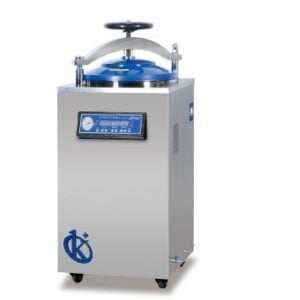
Autoclaves are essential devices in laboratories for sterilizing equipment and materials. They utilize high pressure and temperature steam to eliminate bacteria, viruses, and spores, ensuring a sterile environment for experiments and procedures.
Choosing the right autoclave depends on various factors, including the type of materials being sterilized, volume requirements, and specific applications. Understanding these aspects will guide you to select an autoclave that meets your laboratory's needs effectively.
Types of autoclaves your laboratory may need
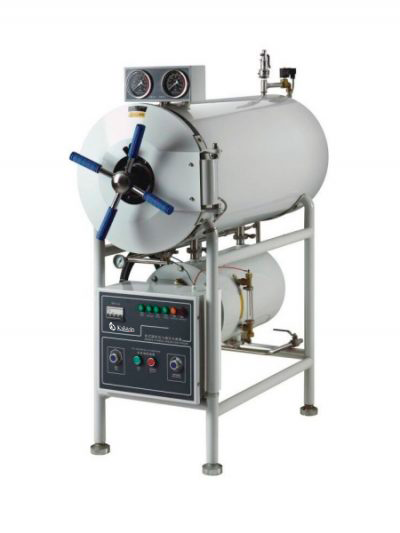
Horizontal autoclave
Horizontal autoclaves are designed for larger loads and provide efficient sterilization for bulk items. They are often used in hospitals and research facilities to sterilize tools, glassware, and other equipment that require a thorough sterilization process.
These autoclaves typically offer a spacious chamber, making them ideal for accommodating various laboratory needs. Their design allows for easy loading and unloading, enhancing operational efficiency in busy environments.
Vertical autoclave
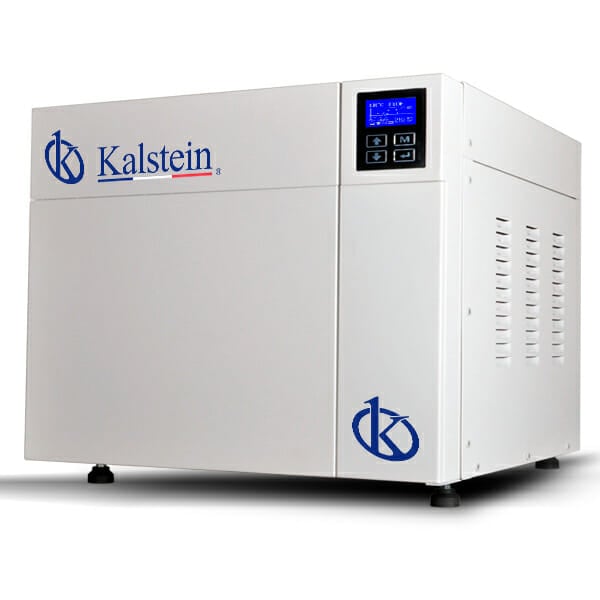
Vertical autoclaves are compact and efficient, making them suitable for smaller laboratories that require sterilization of smaller items. Their vertical design allows for a smaller footprint while still providing effective sterilization capabilities.
These autoclaves are often equipped with advanced features, such as digital displays and programmable settings, ensuring that users can achieve optimal results while maintaining ease of use and safety.
What you should know before selecting a autoclaves and making an investment
Key factors to consider
When selecting an autoclave, consider the specific requirements of your laboratory. Factors such as chamber size, sterilization cycles, and ease of use are critical. Additionally, assess the type of materials you will be sterilizing to ensure compatibility with the autoclave's technology.
Operational efficiency is vital; hence, choose an autoclave that optimizes time and energy consumption while delivering reliable performance to meet your laboratory's demands.
Market price range
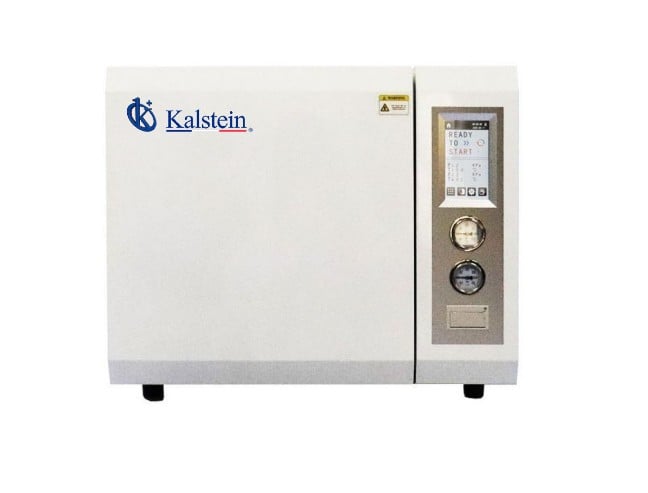
The market for autoclaves offers a wide range of prices, depending on specifications and features. Basic models can start at a lower price point, while advanced units with additional functionalities can be significantly more expensive.
It’s essential to compare the prices across different brands and models, ensuring that you’re making an informed decision based on your laboratory's budget and requirements.
Value for money
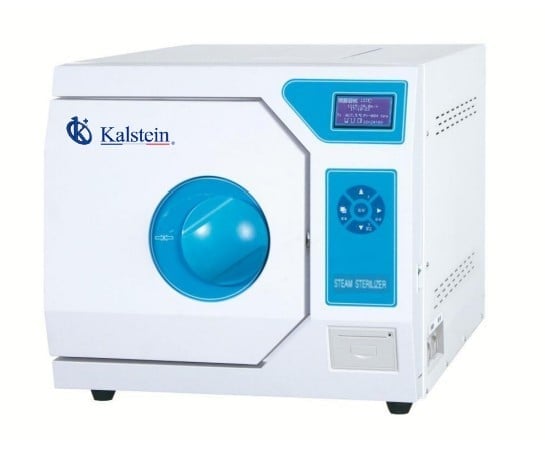
Investing in an autoclave is a significant commitment, so it’s crucial to evaluate the value for money. Consider the long-term operational costs, maintenance requirements, and warranty options when making your choice.
Higher initial costs might be justified by better energy efficiency, faster cycle times, and advanced features that enhance usability and reliability in the long run.
Expected lifespan based on use and maintenance
The lifespan of an autoclave can vary widely based on its usage and maintenance. Regular servicing and adherence to manufacturer guidelines can significantly extend the operational life of the unit.
It is advisable to consult with suppliers about the expected lifespan and any maintenance packages they offer, ensuring that your investment remains reliable over time.
AUTOCLAVES KALSTEIN
Discover autoclaves for your laboratory
Explore our range of Kalstein autoclaves designed to meet the diverse needs of modern laboratories. Whether you require a compact benchtop model or a larger vertical unit, our selection offers reliable performance and cutting-edge technology for effective sterilization.
Vertical type pressure steam autoclave with LCD display YR06941 // YR06944
It is the ideal solution for sterilization in laboratories, hospitals, and other scientific facilities requiring high-quality sterilization processes.
View productYR06706 Benchtop Autoclave
The YR06706 Benchtop Autoclave is a high-performance sterilizer designed for clinical laboratories, universities, scientific research centers, and ins
View productYR06828 Class B benchtop pulsating vacuum autoclave
The YR06828 Class B Benchtop Pulsed Vacuum Autoclave is an advanced sterilization solution designed to meet the demanding needs of medical and laborat
View productBenchtop autoclave with pulsating vacuum, class B, with LCD display YR06926 // YR06930
The YR06926 // YR06930 Class B pulsed vacuum benchtop autoclave is an advanced sterilization solution for medical, laboratory, and research environmen
View productOur best-selling autoclaves
Benchtop autoclave with pulsating vacuum, class B, with LCD display YR06926 // YR06930
The YR06926 and YR06930 autoclaves feature chamber volumes ranging from Ø170×320 mm for the smallest model to Ø300×452 mm for the largest, enabling the sterilization of a wide variety of equipment and materials. With microprocessor control and a 4.3″ LCD touchscreen, these autoclaves provide easy operation and real-time monitoring of temperature, pressure, and sterilization time. Furthermore, their preset sterilization cycle, along with the ability to customize cycles and perform vacuum tests, offers flexibility to meet diverse user needs.
Design and Technology (Functionality)
The YR06926 // YR06930 autoclave stands out for its pulsating vacuum system, which ensures deeper and more uniform sterilization by eliminating any trace of air that could compromise the effectiveness of the process. Its SS304 stainless steel construction makes it durable, robust, and easy to maintain. Furthermore, the temperature accuracy of 0.1°C and thermal uniformity of ≤1°C guarantee consistent results. The vacuum level of -0.081 MPa ensures excellent air evacuation and improves the efficiency of the sterilization cycle.
Frequently Asked Questions
- What is the difference between the YR06926 and YR06930 models?The main difference lies in the chamber volume and product dimensions. The YR06926 is suitable for smaller volumes (8 liters), while the YR06930 offers a larger capacity (30 liters) for more demanding sterilization processes.
- Is this autoclave suitable for sterilizing medical instruments?Yes, this autoclave is designed to sterilize a variety of medical, laboratory, and research instruments, making it especially useful in clinics, hospitals, and research laboratories.
- Can I customize the sterilization cycles?Yes, the YR06926 // YR06930 allows for customization of the sterilization cycles, providing great flexibility according to the specific needs of the user.
Advantages and Disadvantages
Advantages:
- Reliable sterilization: Thanks to its pulsating vacuum system, it ensures complete elimination of microorganisms.
- Easy to use: The LCD screen and microprocessor control make its operation intuitive.
- Versatility: With different volumes, it is suitable for both small and medium-sized installations.
- Durability: Made of high-quality stainless steel, ensuring a long service life.
Disadvantages:
- Size: Although compact, models with higher capacity (such as the YR06930) may be bulkier and require more space in the laboratory or clinic.
- Initial cost: The price is competitive for a team in its category, but it is important to consider the initial investment.
Product Use in the Field
The YR06926/YR06930 autoclave is ideal for use in research laboratories , dental clinics , hospitals , pharmaceutical laboratories , and veterinary laboratories . Its ability to sterilize equipment of different sizes and types makes it an indispensable tool in the healthcare and scientific research sectors. In a clinical setting, it is commonly used for sterilizing surgical instruments , laboratory materials , and diagnostic equipment .
Recommendations
To maximize the performance and lifespan of the autoclave, the following is recommended:
- Perform regular maintenance to ensure that autoclave components, such as seals and pressure valves, are in optimal condition.
- Use appropriate sterilization cycles according to the type of material to be sterilized.
- Do not overload the chamber to ensure that sterilization is effective on all objects.
- Regular cleaning of the camera and exterior surfaces to prevent the accumulation of residue.
Technical Specifications
| Model | YR06926 | YR06927 | YR06928 | YR06929 | YR06930 |
| Volume | 8 Liters | 12 Liters | 18 Liters | 24 Liters | 30 Liters |
| Camera Volume | Ø170×320 mm | Ø200×355 mm | Ø250×370 mm | Ø250×452 mm | Ø300×452 mm |
| Design Pressure | -0.1/0.3 MPa | -0.1/0.3 MPa | -0.1/0.3 MPa | -0.1/0.3 MPa | -0.1/0.3 MPa |
| Work Pressure | 0-0.22 MPa | 0-0.22 MPa | 0-0.22 MPa | 0-0.22 MPa | 0-0.22 MPa |
| Operating Temperature | 105-134°C | 105-134°C | 105-134°C | 105-134°C | 105-134°C |
| Sterilization Program | Preset cycle + User-defined cycle + Test cycle | Preset cycle + User-defined cycle + Test cycle | Preset cycle + User-defined cycle + Test cycle | Preset cycle + User-defined cycle + Test cycle | Preset cycle + User-defined cycle + Test cycle |
| Sterilization Time | 0-99 min | 0-99 min | 0-99 min | 0-99 min | 0-99 min |
| Drying Time | 0-99 min | 0-99 min | 0-99 min | 0-99 min | 0-99 min |
| Vacuum Rate | -0.081 MPa | -0.081 MPa | -0.081 MPa | -0.081 MPa | -0.081 MPa |
| Temperature Accuracy | 0.1°C | 0.1°C | 0.1°C | 0.1°C | 0.1°C |
| Average Heat | ≤1°C | ≤1°C | ≤1°C | ≤1°C | ≤1°C |
| Power | 1.5 kW | 1.8 kW | 2.2 kW | 2.2 kW | 2.8 kW |
| Product Dimensions | 445×580×400 mm | 445×580×400 mm | 480×590×450 mm | 480×690×450 mm | 580×690×450 mm |
| Package Dimensions | 650×500×450 mm | 650×500×450 mm | 670×560×510 mm | 670×560×510 mm | 670×560×610 mm |
| Gross Weight/Net Weight | 45/42 kg | 48/44 kg | 57/48 kg | 60/53 kg | 68/57 kg |
Detailed analysis of autoclaves for an effective and safe choice
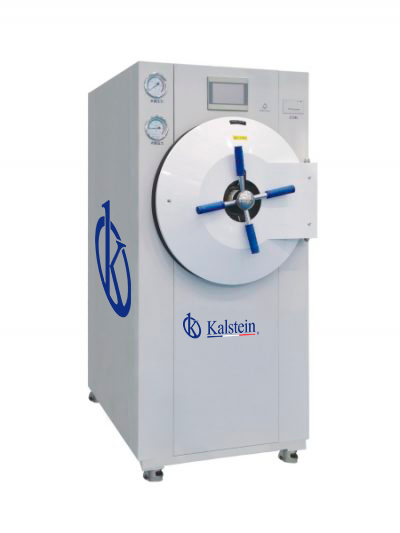
Exploring the Efficiency and Versatility of Horizontal Autoclaves
Horizontal Autoclave: The Kalstein Brand Kalstein's horizontal autoclaves represent state-of-the-art technology in the realm of laboratory sterilization. Designed with precision and user satisfaction in mind, these autoclaves are engineered to meet the diverse needs of modern laboratories. My experience with them has shown them to be reliable, efficient, and incredibly versatile, catering to vario
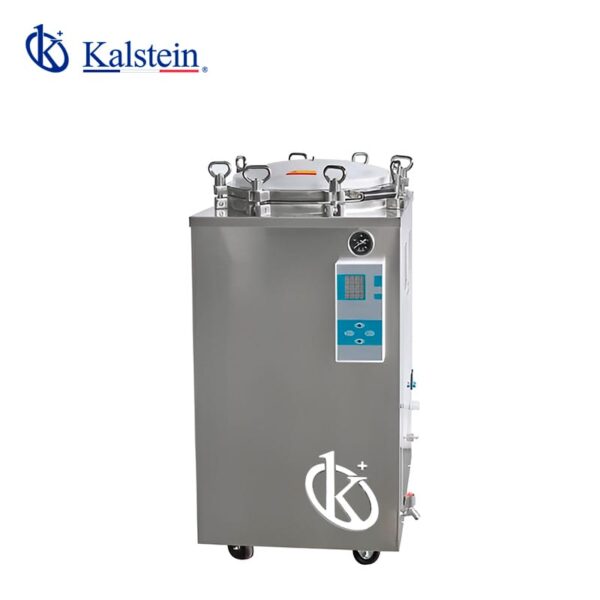
Discover the Ultimate Laboratory Solutions with Kalstein Autoclaves
Autoclaves, Kalstein Brand Autoclaves are a vital component in any laboratory, facilitating the sterilization of equipment and materials. When it comes to choosing the right autoclave, the Kalstein brand stands out as a reliable and efficient option. Known for their quality and durability, Kalstein autoclaves provide researchers and lab technicians with peace of mind, knowing that their steriliza
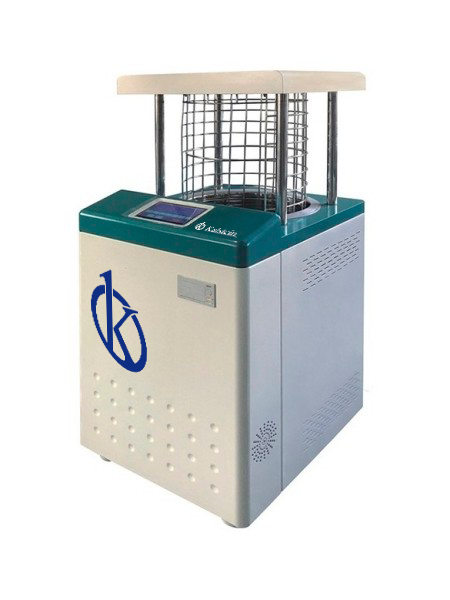
Innovative Autoclaves: A Comprehensive Comparison between Kalstein and LTE Scientific
In the realm of advanced laboratory equipment, the choice of a sterilization unit can significantly impact operational efficiency and reliability. Presenting two top contenders: the Automatic Lifting Door Pulsating Vacuum Autoclave YR05688 // YR05691 from Kalstein and the Vacuum Autoclave with Sliding Doors VAC S from LTE Scientific. Each product boasts unique features and capabilities that cater
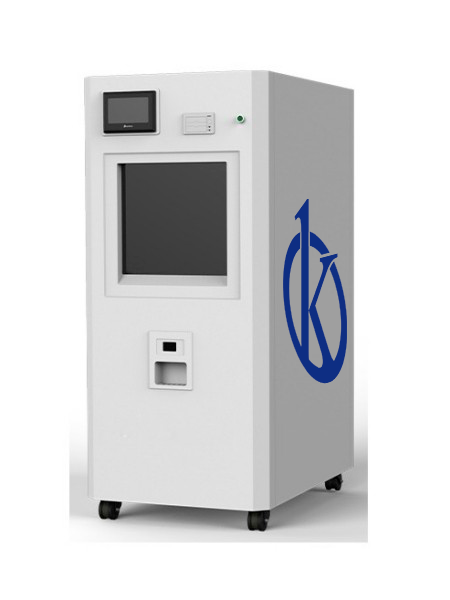
Next-Generation Autoclaves: Efficiency in Laboratory Equipment Sterilization
Sterilization is a fundamental part of any laboratory, ensuring that equipment and materials are free from microorganisms and contaminants. Next-generation autoclaves have become the essential tool for this task, offering unmatched efficiency and safety. Today, I want to share my experience and knowledge about these advanced devices, exploring their features, benefits, and the reasons behind their pricing.
autoclaves offer catalog
Guides about autoclaves
Complete guides to choose autoclaves
Techniques of Mastery Over Autoclaves in Laboratories: Comprehensive Guide for Scientists and Science Lovers
The autoclave, an essential tool that cannot be missing in any modern laboratory, is known for its bulky and sometimes complex usage. However, the truth is that with a little understanding and practice, any scientist can master its use. Kal
Leer más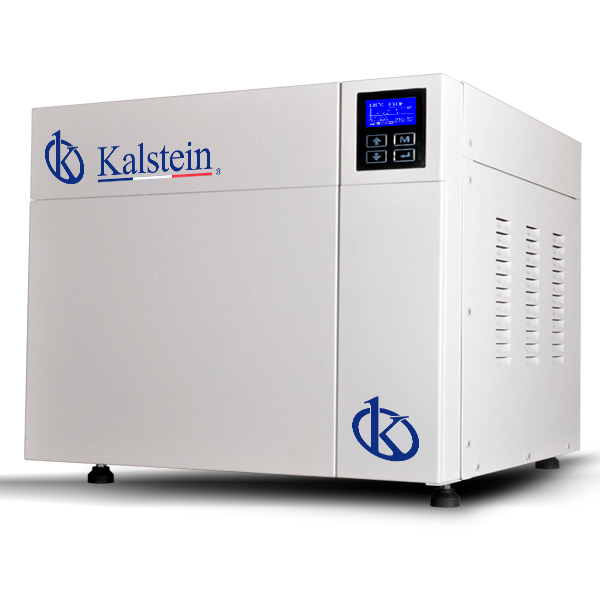
Calibration and adjustment of horizontal autoclaves
The calibration and regulation of horizontal autoclaves is an essential part to ensure that processes are executed optimally, the autoclave is a cleaning assurance equipment that works by generating high temperatures and pressures inside.
Leer más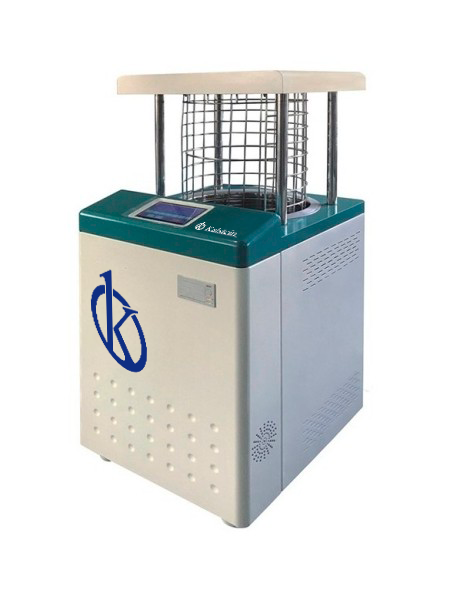
Horizontal autoclaves with drying and without drying, uses
These models of horizontal autoclaves are used in large-scale sterilization applications, specially designed to sterilize surgical equipment and instruments, in addition to having other uses depending on the industry where they are used; of
Leer másAdvanced Autoclave Comparison: Kalstein vs Sturdy
In the evolving landscape of laboratory equipment, autoclaves stand as essential devices, indispensable for maintaining sterile conditions. Two prominent models lead the market with their advanced features and reliable performance: Kalstein
Leer másFrequently asked questions about Autoclaves
How to know the prices of Autoclaves?
To know the price of Autoclaves, please send us an email with your request through the contact form AQUI.
What are the delivery times for Autoclaves?
Delivery time depends on stock availability and freight type (air or sea). In stock: air 15-30 days, sea 45-60 days. Out of stock: air 30-60 days, sea 60-90 days.
How to make a purchase of Autoclaves?
You can buy by email ([email protected]), phone (+33 (0) 1 70 39 26 50) or through the official Kalstein website in your country.
How does the warranty work for Autoclaves?
All Kalstein equipment comes with a 1-year warranty against manufacturing defects. The warranty does not cover damage from improper installation or misuse. See our «terms and conditions» AQUI.
Can I request a quote online for Autoclaves?
Yes, you can request a quote for the Kalstein equipment you are interested in directly from our official website. Click AQUI.