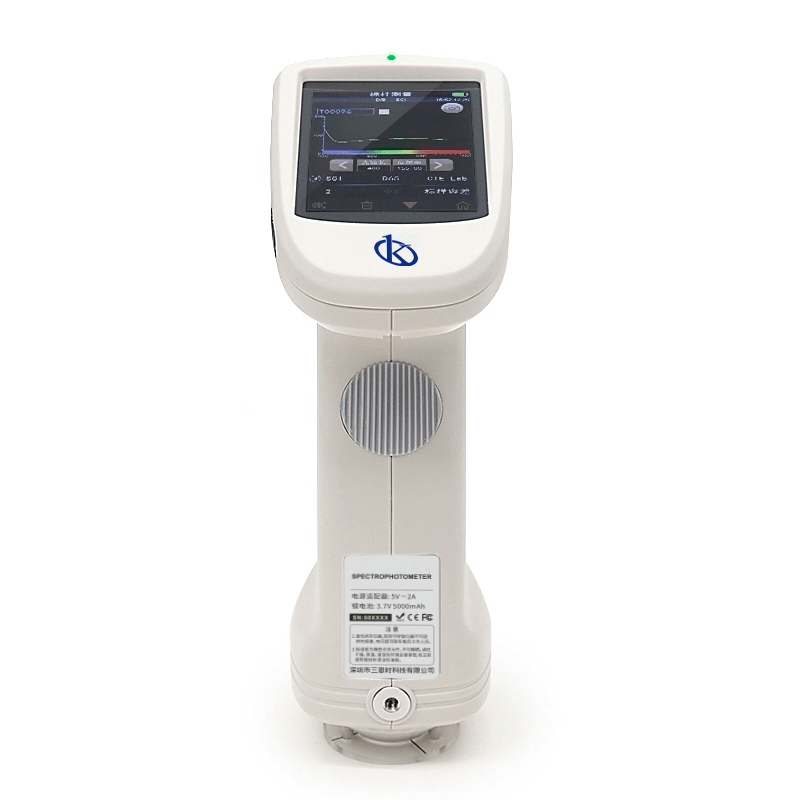
Biosafety Protocols and Operator Safety Management for Handheld Spectrophotometers
As laboratory environments continue to evolve, the need for stringent biosafety protocols and operator safety management becomes increasingly critical, especially in the context of handheld spectrophotometers. These versatile tools are essential in numerous applications, from quality control in manufacturing to academic research. However, ensuring that operators work safely and effectively with these instruments is paramount. This article examines key biosafety protocols, operator safety management strategies, and best practices tailored specifically for handheld spectrophotometers.
Understanding Biosafety Protocols in Spectrophotometry
Biosafety protocols are essential guidelines developed to protect laboratory personnel, the surrounding environment, and the integrity of laboratory results. In the context of handheld spectrophotometers, it is crucial to establish protocols that not only prioritize safety but also ensure compliance with relevant standards. Key elements include:
- Personal Protective Equipment (PPE): Operators should wear appropriate PPE, which may include lab coats, gloves, and eye protection to mitigate exposure risks.
- Work Environment: Ensure that the workspace is well-ventilated and that all equipment is regularly maintained and calibrated to prevent malfunctions.
- Training: Comprehensive training for all personnel on the proper usage of the spectrophotometers and relevant safety protocols is essential.
Operator Safety Management Strategies
Managing operator safety effectively involves ongoing evaluation and improvement of workplace practices. Here are several strategies to enhance safety management in laboratories using handheld spectrophotometers:
- Risk Assessments: Conduct regular risk assessments to identify potential hazards associated with the use of handheld spectrophotometers.
- Emergency Procedures: Develop and communicate clear emergency procedures for accidents or spills involving hazardous substances during testing.
- Regular Safety Audits: Perform regular audits to ensure compliance with biosafety protocols and operator safety practices.
Compliance with Regulatory Standards
Compliance with standards such as ISO 17025 and ISO 15189 is crucial for laboratories utilizing handheld spectrophotometers. These standards outline requirements for testing and calibration laboratories, including:
- Quality management systems that ensure reliability and validity of test results.
- Documented procedures for equipment maintenance and calibration.
- Traceability of measurements to national or international standards.
Comparison of Available Models
| Model | ISO/IEC Clauses Covered | Traceability Features | Best For |
|---|---|---|---|
| YR05493 | ISO7724-1, ASTM E1164 | 3 measurement apertures for color analysis | Textiles, automotive, and food industries |
| YR05494 | ISO7724-1, ASTM E1164 | Dual apertures for precise color transmission | Plastics, painting, and textile industries |
| YR05495 | ISO7724-1, ASTM E1164 | Custom aperture for quality control | Textiles, ceramics, and automotive sectors |
| YR05496 | CIE No.15, GB/T 3978 | 45/0 geometry with extensive color management | Color matching and quality management |
| YR05499 | CIE No.15, GB/T 3978 | 8° diffuse illumination for quality control | Food industry and product development |
| YR05498 | CIE No.15, GB/T 3978 | Integrated software for enhanced functionality | Academic research and product testing |
Common Mistakes and How to Avoid Them
In laboratories utilizing handheld spectrophotometers, several common mistakes can lead to safety and compliance issues. Here are a few pitfalls and how to avoid them:
- Neglecting Training: Ensure all operators are trained on biosafety protocols and the specific functionalities of the spectrophotometers.
- Inadequate Documentation: Maintain thorough documentation of all calibration records and safety audits to ensure compliance with ISO standards.
- Ignoring Equipment Maintenance: Regularly schedule maintenance for spectrophotometers to avoid operational failures that could compromise safety.
Frequently Asked Questions
What biosafety protocols should be followed when using handheld spectrophotometers?
When using handheld spectrophotometers like the YR05493, it is vital to adhere to biosafety protocols including wearing proper PPE, conducting risk assessments, and ensuring that all operators are adequately trained on equipment usage.
How can I ensure compliance with ISO 17025 for my handheld spectrophotometer?
To comply with ISO 17025, ensure that your handheld spectrophotometer, such as the YR05494, is calibrated to traceable standards, and maintain comprehensive quality management documentation.
Which handheld spectrophotometer is best for the food industry?
The YR05499 is particularly suited for the food industry, as it features diffuse illumination and is designed for quality control, ensuring accurate measurements in food testing scenarios.
How do I document safety protocols in my lab using handheld spectrophotometers?
Documenting safety protocols can be managed through comprehensive records that include operator training logs, equipment maintenance schedules, and risk assessments, which are essential for compliance with standards like ISO 15189.
What types of PPE are recommended for using handheld spectrophotometers?
Recommended PPE for using handheld spectrophotometers such as the YR05496 includes lab coats, gloves, and safety goggles to protect operators from potential chemical exposure during testing.
How often should I calibrate my handheld spectrophotometer?
Calibration intervals for handheld spectrophotometers, like the YR05495, generally depend on usage frequency but should be at least once every six months or before critical measurements as per ISO guidelines.
What are the key features to look for in a handheld spectrophotometer for research purposes?
For research applications, look for features such as customizable measurement apertures, comprehensive software integration, and compliance with CIE standards, as seen in models like the YR05498.
How does the use of handheld spectrophotometers affect laboratory efficiency?
Utilizing handheld spectrophotometers can significantly improve laboratory efficiency by providing accurate, portable measurements that reduce processing time, especially in applications like quality control and color matching.
If you are looking for a fusion of innovation and quality, you have come to the right place. At Kalstein, we offer you the luxury of exploring our exclusive catalog of laboratory equipment. We manufacture every device to the highest standards of excellence. Our intuitive and seamless online purchasing channels are designed for your convenience, securing the most competitive prices. Hesitate no longer — we bring science to life, it is time to become part of our community.