How to Implement Predictive Maintenance and Recommended Calibration for Handheld Spectrophotometers
In the realm of laboratory operations, ensuring optimal performance of handheld spectrophotometers is critical for accurate results and operational efficiency. Predictive maintenance and scheduled calibration are the cornerstones of a reliable laboratory environment, where every reading must meet stringent quality standards. This article delves into the methodologies for implementing predictive maintenance and the importance of calibration intervals for various handheld spectrophotometer models.
Understanding Predictive Maintenance in Spectrophotometers
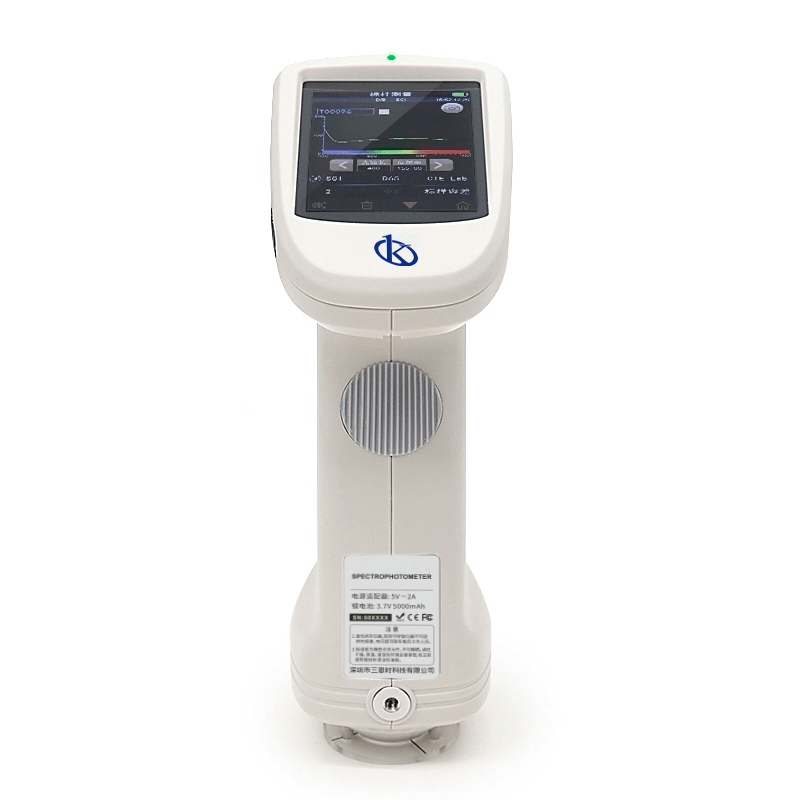
Predictive maintenance involves monitoring equipment conditions to predict when maintenance should be performed. This approach minimizes unexpected failures and prolongs the instrument's lifespan. For handheld spectrophotometers, such as the Grid Spectrophotometer YR05493, predictive maintenance ensures that the device operates within its optimal parameters, thereby producing accurate and reliable data. Key performance indicators (KPIs) such as Mean Time Between Failures (MTBF) and Mean Time To Repair (MTTR) are vital metrics in this maintenance strategy.
Benefits of Predictive Maintenance
1. **Reduced Downtime**: By identifying potential issues before they lead to equipment failure, predictive maintenance minimizes downtime. 2. **Cost Efficiency**: Regular checks can prevent costly repairs and extend the lifespan of instruments. 3. **Quality Assurance**: With reliable equipment, laboratories can maintain high standards of accuracy and repeatability.
Calibration: Why It Matters
Calibration is essential for ensuring that a handheld spectrophotometer operates accurately and adheres to industry standards. Regular calibration against traceable standards is crucial for compliance with protocols such as ISO 17025, which mandates consistent accuracy in laboratory measurements.
Calibration Frequency
Calibration frequency may vary based on usage, environmental conditions, and specific laboratory requirements. A recommended schedule involves calibrating handheld spectrophotometers like the Portable Color Spectrophotometer YR05496 at least once every six months or after significant usage changes.
Comparison of Available Models
| Model | Calibration Frequency (Months) | Key Features | Best Use Case |
|---|---|---|---|
| YR05493 | 6 | D/8 geometry, multiple apertures | Color measurement in lab environments |
| YR05494 | 6 | Reflective measurement, dual apertures | Textile and automotive industries |
| YR05495 | 6 | Single custom aperture | Quality control across multiple industries |
| YR05496 | 6 | 45/0 optical system | Color management and matching |
| YR05499 | 6 | Compact size, LED light sources | Field tests and remote locations |
Establishing a Calibration Plan
Developing a calibration plan is crucial to ensure that all spectrophotometers within the laboratory adhere to quality standards. A simple plan can include the following steps:
- Identify the instruments that require calibration.
- Set calibration intervals based on usage.
- Document calibration procedures and results.
- Assign responsibilities for carrying out calibration.
- Review and revise the calibration plan annually.
Common Mistakes and How to Avoid Them
Many laboratories face challenges in maintaining their spectrophotometers. Common mistakes include inadequate documentation, neglecting scheduled maintenance, and using non-compliant calibration standards.
Avoiding Documentation Errors
Ensure that all calibration and maintenance activities are documented meticulously in a dedicated logbook. This practice helps maintain compliance with ISO standards and provides a clear maintenance history for each instrument.
Neglecting Scheduled Maintenance
Set reminders for maintenance activities; this ensures that instruments like the Grid Spectrophotometer YR05494 are kept in optimal working condition.
Frequently Asked Questions
What are the recommended calibration intervals for handheld spectrophotometers?
The recommended calibration interval for handheld spectrophotometers, such as the YR05496, is typically every six months to ensure compliance with industry standards like ISO 17025 and maintain accuracy.
How does predictive maintenance enhance the lifespan of spectrophotometers?
Predictive maintenance, through regular condition monitoring, helps identify potential issues early, thus preventing unexpected breakdowns. This process prolongs the lifespan of devices like the YR05493 significantly.
Why is calibration necessary for compliance in laboratories using handheld spectrophotometers?
Calibration ensures that handheld spectrophotometers meet accuracy standards required by regulations like ISO 17025. Regular calibration verifies that models like the YR05495 provide reliable measurements.
How can I establish a calibration plan for my laboratory's spectrophotometers?
To establish a calibration plan for your laboratory, identify instruments requiring calibration, set intervals based on usage, document procedures, assign responsibilities, and review annually, ensuring compliance for devices like YR05494.
What is the impact of environmental conditions on spectrophotometer performance?
Environmental conditions such as temperature and humidity can significantly affect the performance of handheld spectrophotometers. For example, the YR05496 may require more frequent calibration in volatile environments to maintain accuracy.
Where can I find calibration standards for my handheld spectrophotometer?
Calibration standards can be obtained through accredited laboratories and suppliers, ensuring that your handheld spectrophotometers, such as the YR05498, are maintained according to recognized standards.
How does predictive maintenance reduce costs in laboratory operations?
Predictive maintenance helps in reducing costs by minimizing unexpected repairs and downtime. Using models like YR05495, labs can save money by addressing issues before they escalate into costly failures.
What role does documentation play in maintaining compliance for spectrophotometers?
Documentation is crucial for maintaining compliance as it provides a record of calibration and maintenance activities. For handheld spectrophotometers, this ensures adherence to standards like ISO 17025, supporting quality assurance.
If you are looking for a fusion of innovation and quality, you have come to the right place. At Kalstein, we offer you the luxury of exploring our exclusive catalog of laboratory equipment. We manufacture every device to the highest standards of excellence. Our intuitive and seamless online purchasing channels are designed for your convenience, securing the most competitive prices. Hesitate no longer — we bring science to life, it is time to become part of our community.