Homogenizers

Homogenizers are essential laboratory instruments designed to create uniform and consistent mixtures through mechanical agitation and turbulence. They play a pivotal role in breaking down particles and emulsifying compounds to facilitate analytical and experimental processes across medical, veterinary, and research fields.

Widely employed in various applications such as pharmaceuticals, biotechnology, food science, and environmental studies, homogenizers enable enhanced sample preparation, which improves the accuracy and reproducibility of results. Their capabilities range from simple blending to complex ultrasonic disruption techniques.

Types of Homogenizers Your Laboratory May Need


Ultrasonic Homogenizer

Ultrasonic Homogenizer


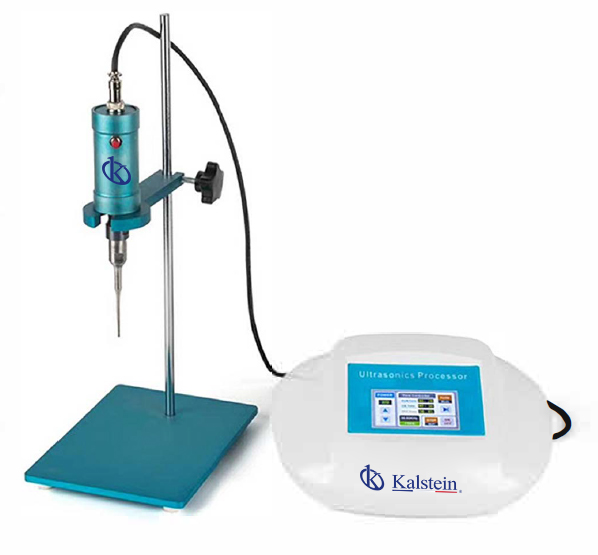
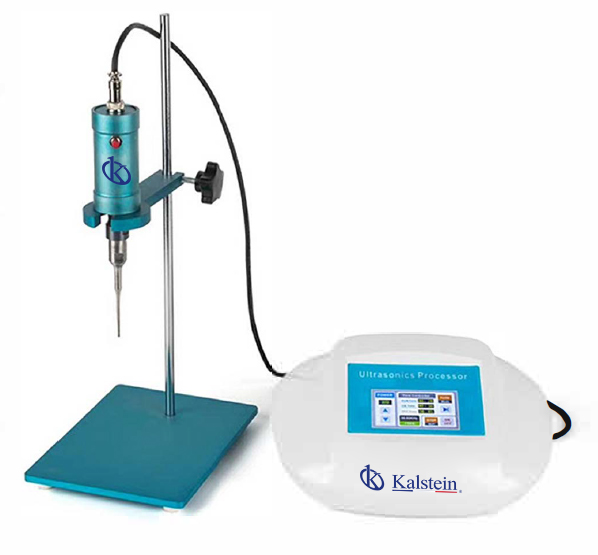
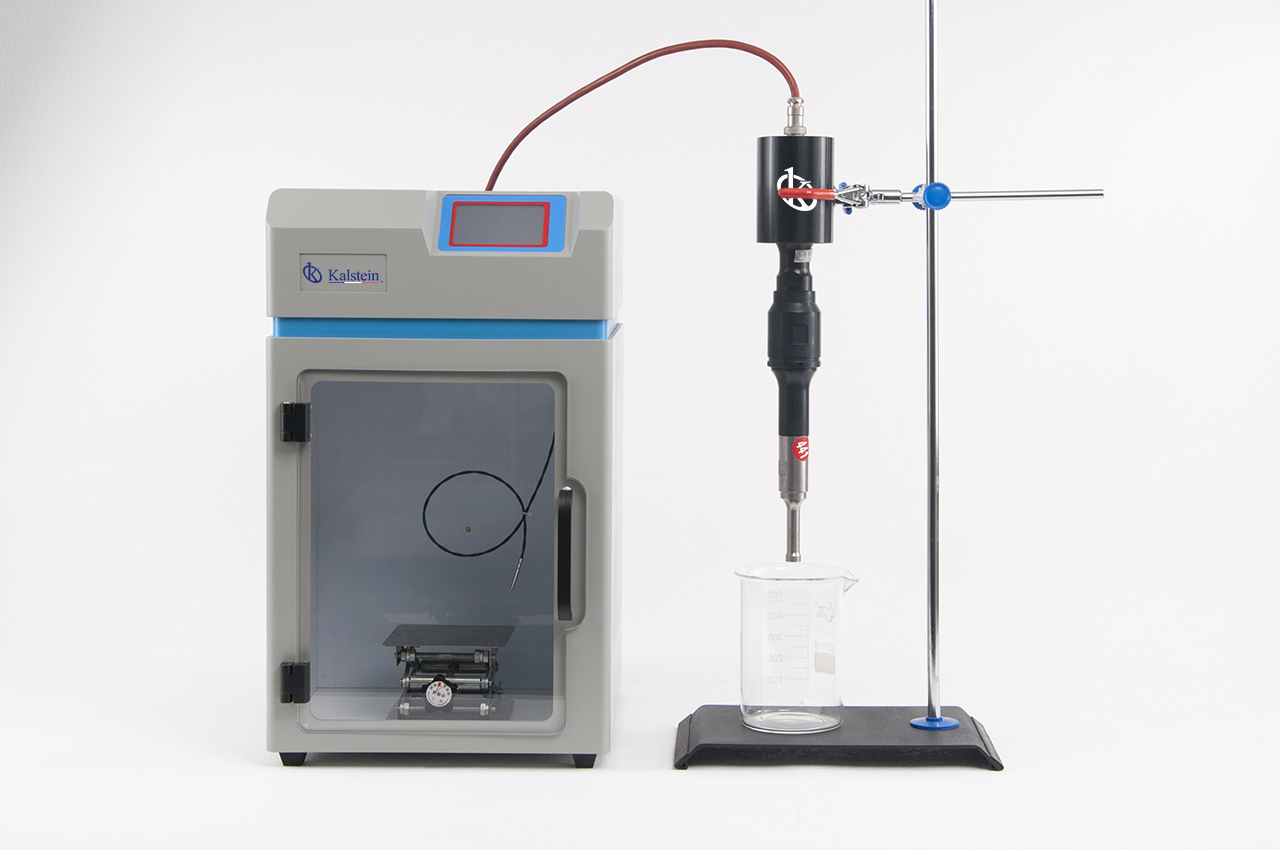
Ultrasonic homogenizers use high-frequency sound waves to disrupt and mix samples at a microscopic level. This technology is especially effective for cell lysis, emulsification, and particle size reduction, providing precise control over the processing conditions to achieve consistent results.

These devices are scalable to suit a variety of sample volumes and materials, making them indispensable in molecular biology, pharmaceutical development, and food analysis laboratories. Their ability to prevent overheating during processing preserves sample integrity.

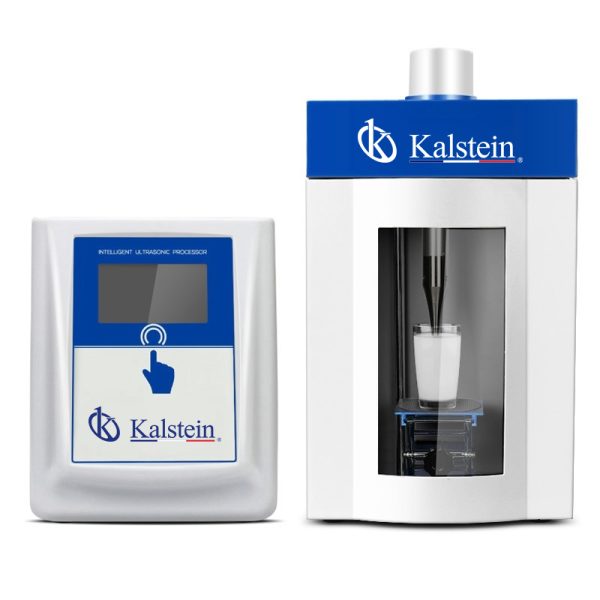
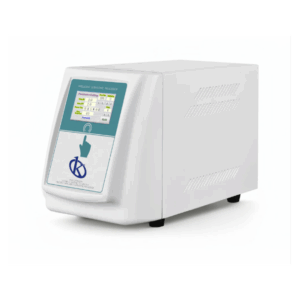
Digital Intelligent Integrated Ultrasonic Homogenizer


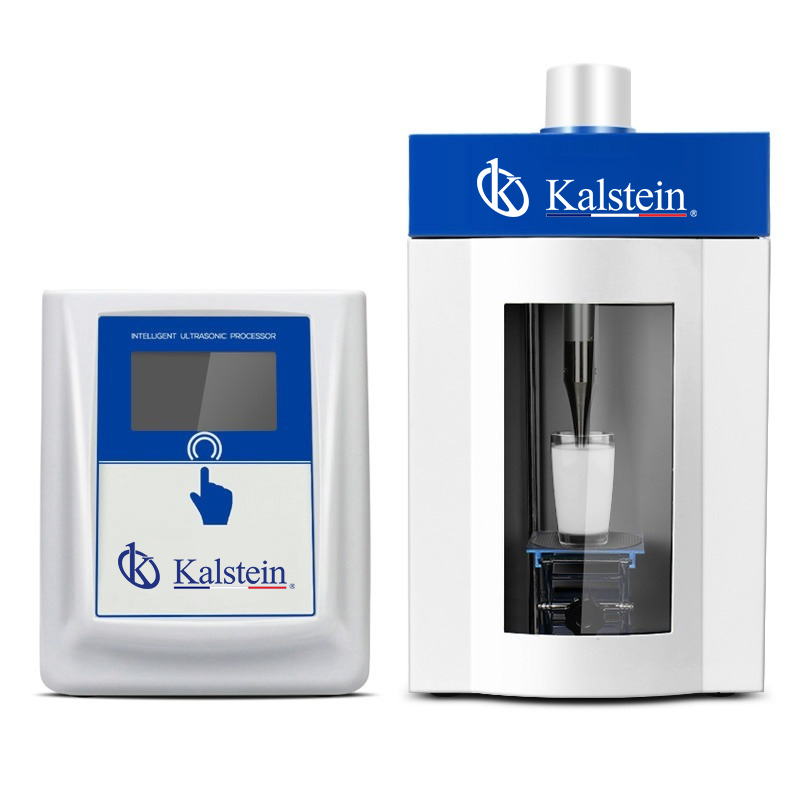
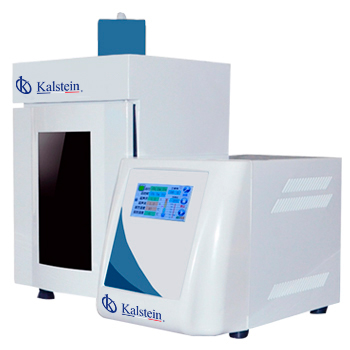
The digital intelligent integrated ultrasonic homogenizer combines ultrasonic technology with advanced digital controls and integrated components, offering enhanced precision and user-friendly operation. The digital interface allows for programming complex protocols and monitoring performance in real time.

Ideal for laboratories requiring high reproducibility and automation, these systems improve workflow efficiency and reduce operator error. Their compact design and integrated software make them versatile tools across medical and veterinary research applications.

Digital Intelligent Integrated Ultrasonic Homogenizer

What You Should Know Before Selecting a Homogenizer and Investing

Key Factors to Consider

When selecting a homogenizer, it is crucial to consider the sample type and volume, as different models cater to distinct material properties and batch sizes. Additionally, understanding the processing speed and efficiency requirements will guide the choice between manual, ultrasonic, or integrated digital homogenizers.

Safety features, ease of cleaning, and maintenance requirements also play vital roles in the long-term usability of homogenizers. Choosing equipment with accessible service support ensures minimal downtime and consistent performance, which is especially important in clinical or research environments.

Market Price Range

The price range for homogenizers varies widely depending on technology type, complexity, and features. Basic mechanical homogenizers start at a more affordable range, while ultrasonic and digitally integrated units command higher prices due to their advanced processing capabilities.

Investment in quality homogenizers reflects in durability and productivity; higher upfront costs often correspond to greater reliability and precision. Budget planning should also consider accessory needs and potential software updates for digital models to maximize value.

Quality-Price Ratio

Balancing quality and price involves evaluating the manufacturer’s reputation, warranty, and after-sale services. Kalstein offers homogenizers that deliver high performance and robust construction while maintaining competitive pricing to ensure excellent return on investment.

Evaluating cost-effectiveness includes considering the equipment’s operational costs and throughput capacity. A homogenizer with a better quality-price ratio reduces replacement frequencies and enhances experiment reproducibility, optimizing resource allocation over time.

Expected Lifespan Based on Usage and Maintenance

The expected lifespan of homogenizers depends highly on usage intensity, routine cleaning, and preventive maintenance. Properly maintained ultrasonic homogenizers can perform reliably for several years in demanding laboratory settings without compromising output quality.

Regular calibration and timely parts replacement extend operational life significantly. Users should adhere to manufacturer recommendations and maintain detailed service logs to prevent unexpected failures and ensure safe equipment operation.

KALSTEIN HOMOGENIZERS

Among so many products, at Kalstein you can find the ideal homogenizer for your Laboratory

If you don’t know what homogenizer to buy, consider your sample type, volume, and processing needs carefully. Kalstein’s range offers solutions from ultrasonic to digital integrated homogenizers to match diverse laboratory workflows, ensuring efficient dispersion and cell disruption with customizable settings and reliable performance.

Digital Intelligent Ultrasonic Homogenizer Processor Sonicator YR05837 // YR05839

The Digital Intelligent Ultrasonic Homogenizer Processor Sonicator YR05837 // YR05839 is an indispensable tool for labor…

Portable Ultrasonic Processor YR06677

The Portable Ultrasonic Processor YR06677 is an intelligent digital sonic processor specifically designed for the treatm…

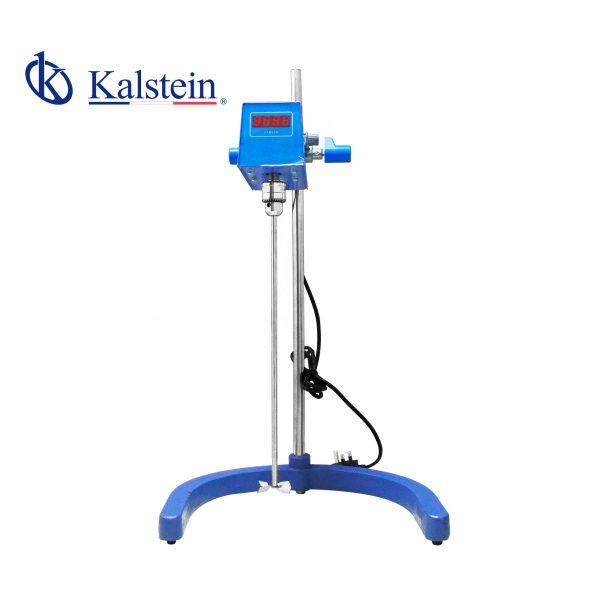
Electric Ceiling Shaker with Digital Display YR02956

The YR02956 Electric Overhead Stirrer with Digital Display (Hot Plate) is an essential laboratory tool used in fields su…

Continuous Flow Ultrasonic Homogenizer YR06670

The Continuous Flow Ultrasonic Homogenizer YR06670, is a full-featured, high-performance apparatus designed for large-sc…

Our homogenizer most sold

Comprehensive analysis helps us choose the right homogenizer model.

Comparative Analysis of Ultrasonic Homogenizers: Kalstein vs. Hielscher

Ultrasonic homogenizers are critical tools in laboratory environments, enabling efficient sample preparation through sound-wave induced cavitation. These device…

What technology does the homogenizer use?

Homogenizers are indispensable elements in any laboratory, since homogenization is a technique widely used in various fields and with various materials, for exa…

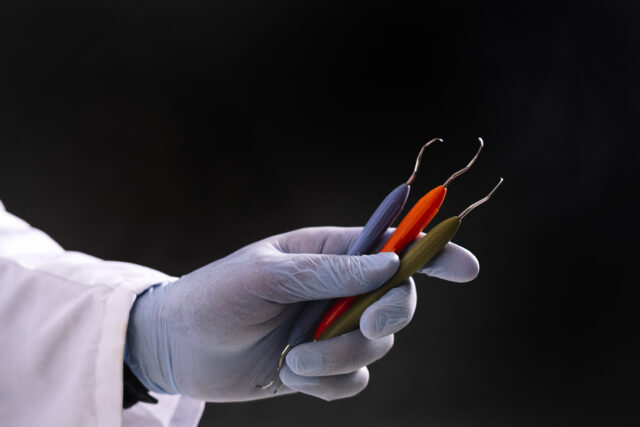
Use of Homogenizer for dental products

A homogenizer is a vital equipment among the components of any laboratory, since with them the technique of homogenization can be performed to different types o…

What are the advantages of the homogenizer?

The word homogenize refers to uniformity, that is, the ability to move a mixture from being formed by several phases to being formed by one phase, that is, to b…

Kalstein is constantly updated to provide cutting-edge homogenizer technology.

Guides cover selecting the best homogenizer type and maintenance tips to optimize performance.

Our guides and recommendations are arranged to equip you with expert knowledge, helping you operate your homogenizer efficiently while ensuring maintenance practices extend its lifespan and improve sample quality.

Why are the samples homogenized?

The word homogenize refers to the ability to make a mixture homogeneous, the latter referring to uniformity. This is usually related to the use of che…

What are the techniques of homogenization?

Homogenization is a chemical technique through which components are constantly mixed that are not miscible among themselves, that is, that conventiona…

Laboratory homogenizer: What are the different types that exist?

These equipments allow obtaining nanoparticles, nano dispersions, nano emulsions and cell rupture at high pressure. It is widely used in laboratories…

How is hydroalcoholic gel made with homogenizer?

Hydroalcoholic gel, also known as alcohol gel, antibacterial gel disinfectant gel, hydrogel or antibacterial gel, is a cleansing solution used as hand sanitizer, is an adjunct to the use of soap and water. Its main purpose is to prevent the spread of…

FAQs

To know the price of homogenizers we invite you to send us an email with your request through the contact form HERE.

The delivery time for your Kalstein product will depend on the following:

  1. If the equipment of your interest is in stock or if it has to be manufactured.
  2. The type of freight selected, which can be either air or sea.
  • Equipment in stock:

– Delivery Time (Air): 15-30 days.

– Delivery Time (Sea): 45-60 days.

  • Equipment not in stock:

– Delivery Time (Air): 30-60 days.

– Delivery Time (Sea): 60-90 days.

You can make your purchase through:

  1. Email: [email protected]
  2. Phone: +33 (0) 1 70 39 26 50
  3. E-commerce: Through Kalstein’s official website in your country.
All Kalstein equipment has a 1-year warranty against manufacturing defects. The warranty does not cover damage caused by improper installation or operation, transport defects, or uses other than those specified by the manufacturer. The warranty excludes electrical parts or consumables. For more information visit our “terms and conditions” by clicking HERE.

At Kalstein, we provide clients with inductions and technical support through new online methods. You can visit our induction videos, technical assistance, and guidance provided by the Kalstein team on our YouTube channel (Kalstein English). HERE.

Of course, you can request a quote for the Kalstein equipment of your interest directly from our official website. Once you have identified your preferred model, click HERE.

Send us a direct message and one of our agents will contact you