Microscopes
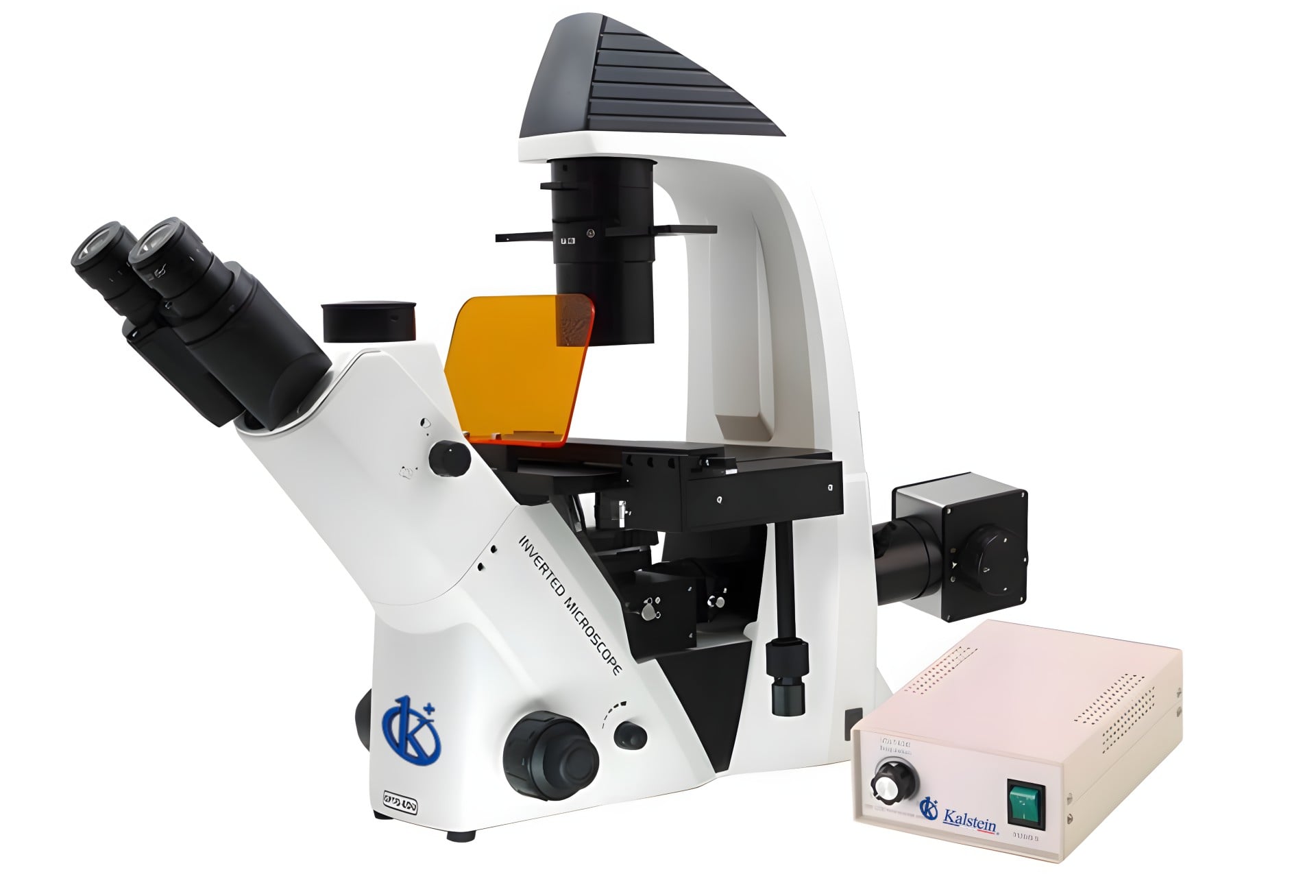
Microscopes are essential tools in laboratories, enabling scientists to observe specimens at a microscopic level. They play a crucial role in various fields, including biology, materials science, and medicine, providing insights that are not visible to the naked eye.
When selecting a microscope, it's important to consider the specific requirements of your laboratory. Different microscopes serve various purposes, making it vital to choose one that aligns with your research or educational goals.
What you should know before selecting a microscopes and making an investment
Key factors to consider
When choosing a microscope, consider factors such as magnification power, optical quality, and ease of use. Different applications may require specific features, such as fluorescence capabilities or digital imaging options, to enhance research outcomes.
Additionally, assess the type of specimens you will be viewing, as some microscopes are better suited for biological samples, while others excel in materials analysis.
Market price range
The price of microscopes can vary significantly based on features, brand, and specifications. Entry-level models may start at a few hundred dollars, while advanced research-grade microscopes can exceed several thousand dollars. It’s essential to set a budget that aligns with your laboratory's needs and usage frequency.
Researching different brands and models can help you find a balance between quality and cost-effectiveness, ensuring you make a wise investment.
Value for money
Investing in a microscope should offer you value beyond just the initial purchase price. Consider the long-term benefits, including durability, maintenance costs, and warranty options. A higher-priced microscope with superior optics and features may ultimately save money by reducing the need for replacements or repairs.
Evaluate additional costs such as accessories and consumables, which can impact the overall value of your investment.
Expected lifespan based on use and maintenance
The lifespan of a microscope largely depends on its usage and maintenance. Regular cleaning and proper care can extend the life of your equipment significantly. Understanding the manufacturer's guidelines for maintenance and potential wear can help you anticipate when to service or replace components.
In general, high-quality microscopes can last many years, making them a worthwhile investment for any laboratory or educational institution.
MICROSCOPES KALSTEIN
Discover microscopes for your laboratory
Explore our range of high-quality microscopes designed to meet the diverse needs of laboratories. From educational settings to advanced research applications, our products provide reliable performance and exceptional clarity.
YR06652 Trinocular Inverted LED Fluorescent Microscope
The YR06652 Trinocular Inverted LED Fluorescence Microscope is a professional solution designed for laboratories that require advanced observation of
View productBiological Microscope YR06685
The YR06685 is a precision binocular biological microscope designed to provide a reliable and accessible observation solution. Ideal for educational e
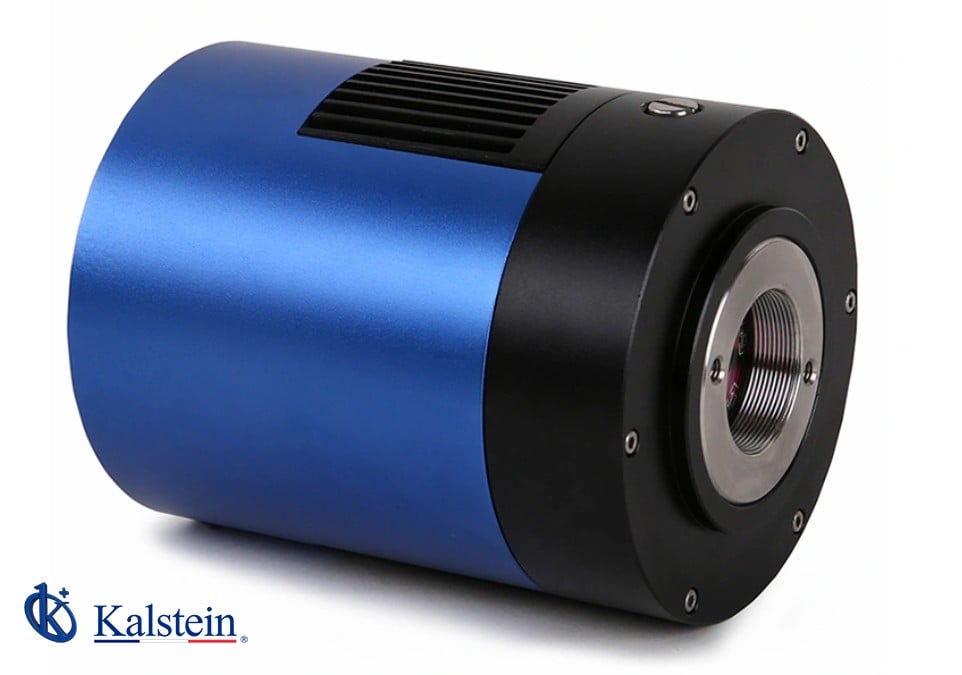
View productUSB 3.0 CMOS-cooled digital camera, fluorescent image, GS YR06651 shutter
The YR06651 USB 3.0 CMOS Cooled Digital Camera is an advanced scientific imaging solution designed for demanding applications in fluorescence microsco
View productOur best-selling microscopes
USB 3.0 CMOS-cooled digital camera, fluorescent image, GS YR06651 shutter
Frequently Asked Questions
What types of applications is this camera ideal for? It is designed for fluorescence microscopy, DIC, bright field (BF), dark field (DF), and phase contrast (PH), particularly in research and advanced teaching environments. Is it compatible with different operating systems? Yes, it is compatible with Linux, iMac/macOS, and Windows (7, 10, and 11), facilitating integration into a wide range of laboratory setups. What is the advantage of sensor cooling? Sensor cooling significantly reduces electronic noise, improving image quality during long exposures and under low-light conditions. Can it be integrated into custom systems? Yes, thanks to its SDK support, it is ideal for integrators, developers, and manufacturers of scientific imaging solutions.Advantages and Disadvantages
Advantages: • High-sensitivity SONY Exmor CMOS sensor • Deep cooling (–42 °C) for low-noise imaging • Global shutter (GS) for distortion-free images • Broad system compatibility with included SDK • Excellent performance in fluorescence and low-light applications Possible Disadvantages: • Requires an external power supply (DC adapter) • Designed for professional users and may exceed the needs of basic applicationsField Use
In practical applications, the YR06651 is widely used in biomedical research laboratories, cell biology, histology, microbiology, and university research centers. It easily mounts onto microscopes via a C-mount, enabling stable fluorescence image acquisition, scientific video recording, and long-exposure sequences for quantitative analysis. Its high performance makes it ideal for documentation, scientific publication, and advanced education, where image quality is critical.Recommendations
To maximize performance, it is recommended to operate the camera in vibration-controlled environments, use high-quality fluorescence-compatible optics, and keep the cooling system free of obstructions. Additionally, leveraging the image processing software and SDK will help optimize workflows, automate acquisitions, and enhance data analysis.Technical Specifications
| Model | YR06651 |
| Other specification | FPS / Resolution: 5 fps at 5440×3648; 10 fps at 4096×2160; 15 fps at 2736×1824; 30 fps at 1824×1216 |
| System support | Linux / iMac / Windows 11 / Windows 10 / Windows 7 |
| Camera output | USB |
| Camera mount | C-mount |
| Camera sensor size | 1″ |
| Camera resolution | 20 MP |
| Camera features | Fluorescence imaging / Cooling / SDK support |
| Power supply type | DC adapter |
| Standard functions | BF + DF + PH + DIC |
Detailed analysis of microscopes for an effective and safe choice
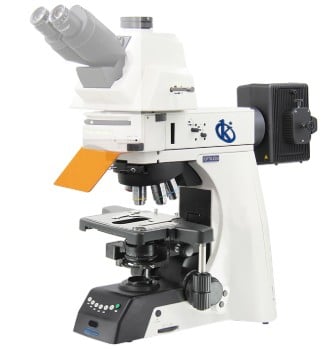
Advanced Fluorescence Microscopes: A Comparative Overview
The world of scientific microscopy is ever-evolving, with technological advancements constantly pushing the boundaries of what is possible. In this realm, fluorescence microscopes play a critical role in the illumination of unlabeled and labeled specimens, crucial for myriad applications in biological and material sciences. Among the leaders in this field, the Semi-Automatic Vertical Fluorescence
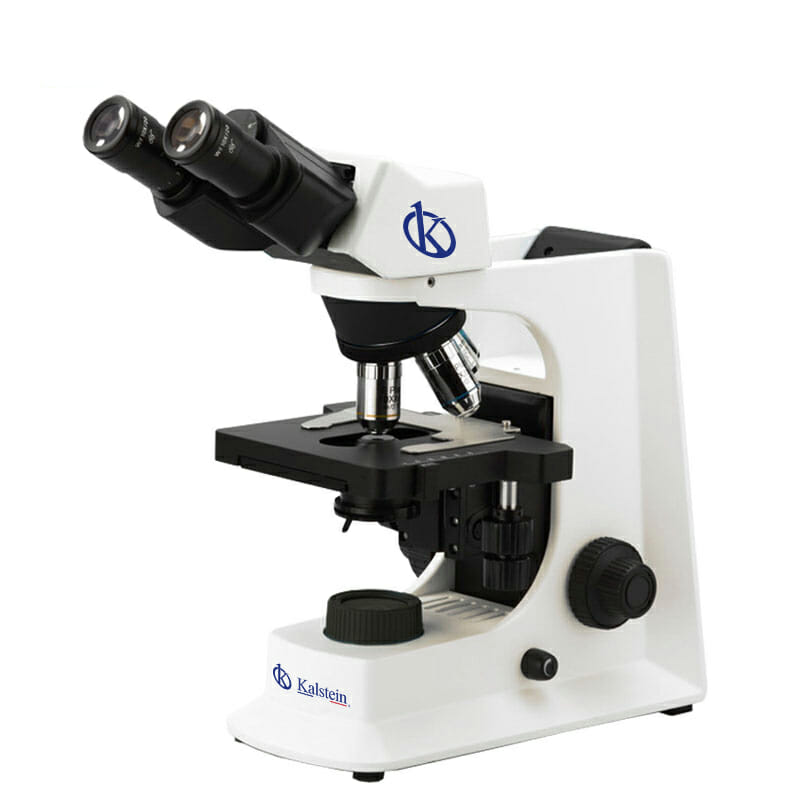
Innovative Microscopes: A Comprehensive Comparison of Kalstein's YR05787-YR05788 and OMAX's LED Compound Microscope
In the diverse world of biological laboratory microscopes, the Binocular Infinity Plan Laboratory Biological Microscope YR05787 - YR05788 from Kalstein stands out as a top-tier choice, offering state-of-the-art features and unmatched reliability. This microscope is designed with intricate attention to detail, ensuring precision and clarity in every observation. Meanwhile, the OMAX LED Binocular Co
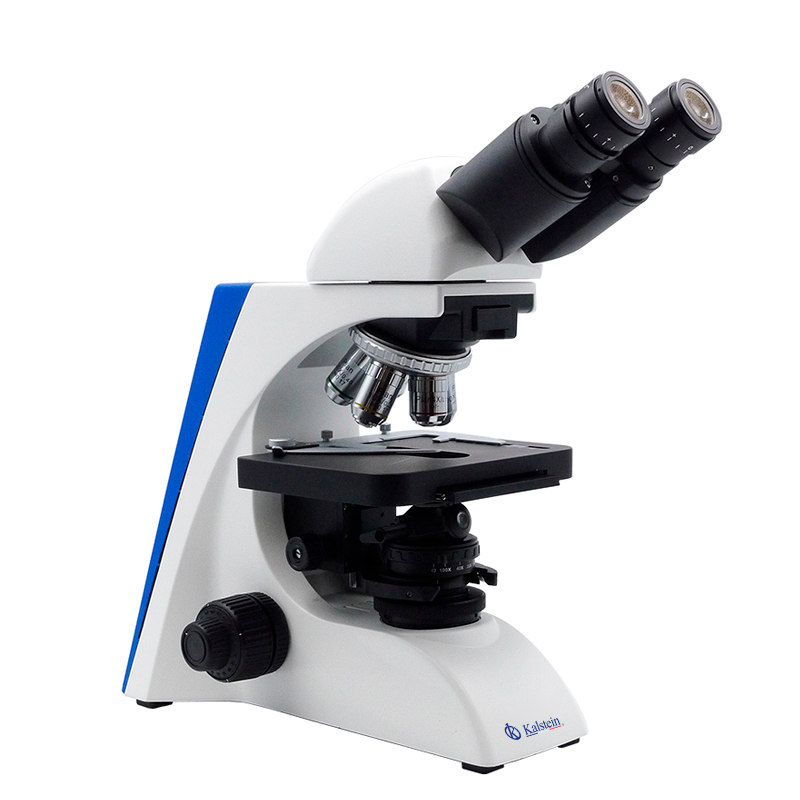
Explore the World of Microscopes: Unveiling the Intricacies of Kalstein's Microscopes
Microscopes, Brand Kalstein When delving into the microscopic world, the quality and precision of the tool you use are paramount. The Kalstein brand emerges as a leader in this arena, garnering trust and acclaim for its exceptional line of microscopes. Having had the opportunity to work with these precision instruments, I can attest to their remarkable performance and reliability. Kalstein is sy
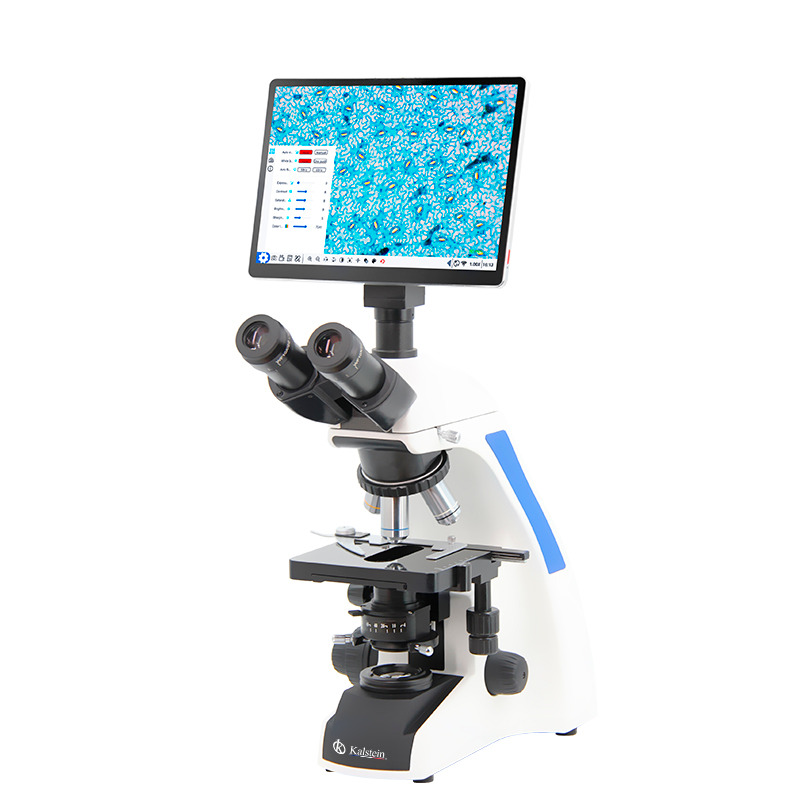
High-Resolution Optical Microscopes: Precision for Scientific Research
Kalstein's optical microscopes stand out for their precision, image quality, and durability. If you have worked with laboratory instruments, you know that reliability and the ability to obtain clear results are essential.
microscopes offer catalog
Guides about microscopes
Complete guides to choose microscopes
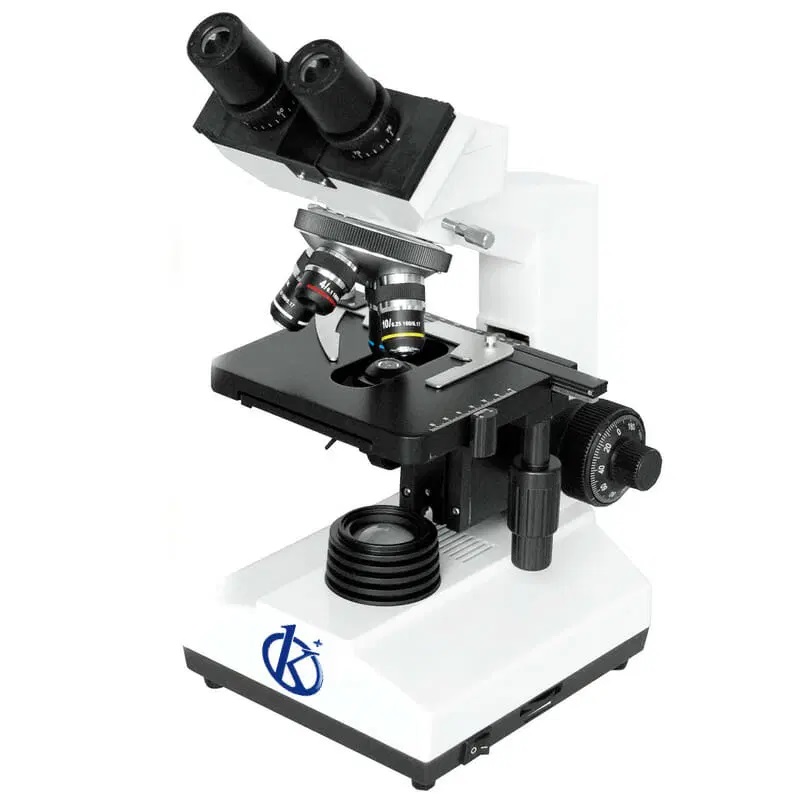
Laboratory Microscopes: Detailed Exploration for Precision Scientific Research
The advancement of scientific research is intrinsically linked to the use of tools that facilitate the detailed observation and analysis of tiny elements. Among them, laboratory microscopes are essential for conducting precision research in
Leer más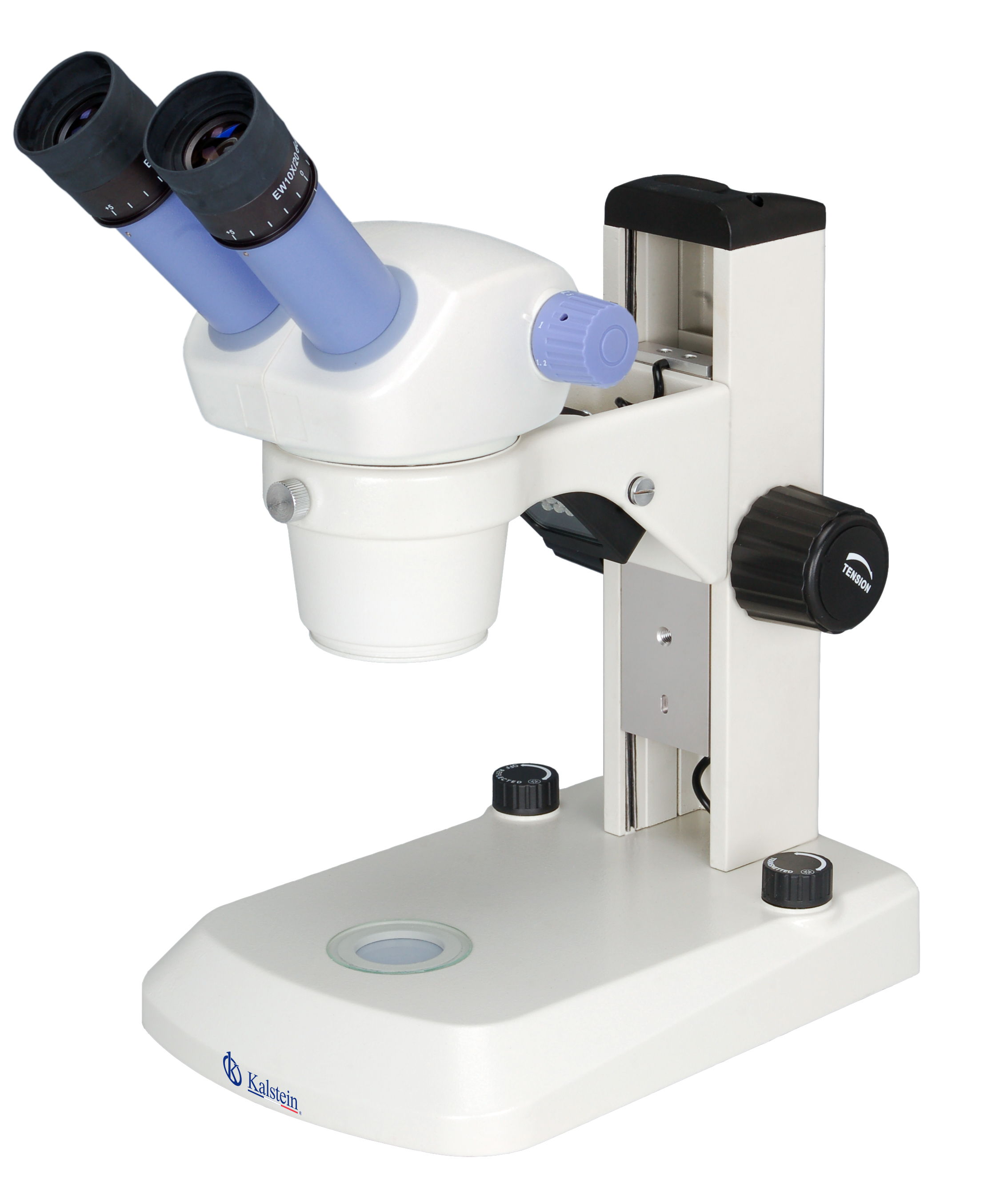
Why are optical microscopes generally used for the study of small objects?
An optical microscope is a useful tool for examining small objects. In this regard, many biology and science laboratories opt to purchase such equipment for some of their studies, as these precision instruments help researchers to make prec
Leer más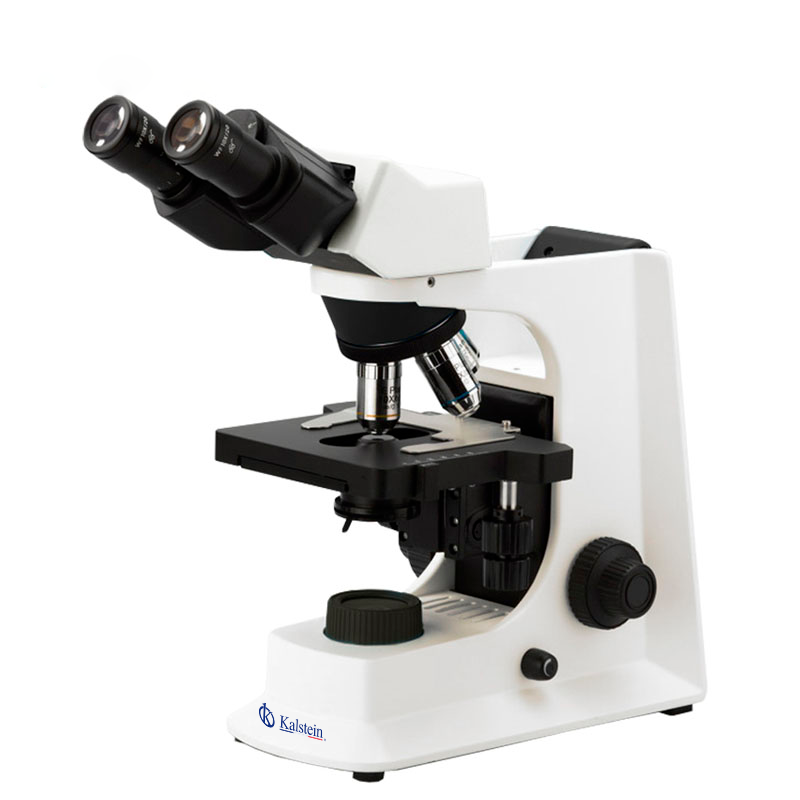
Laboratory microscopes: types, uses, and applications
Currently there are a wide variety of microscopes for different applications in the laboratory. Its main differences are in the imaging system, lighting, configuration and design.
Leer más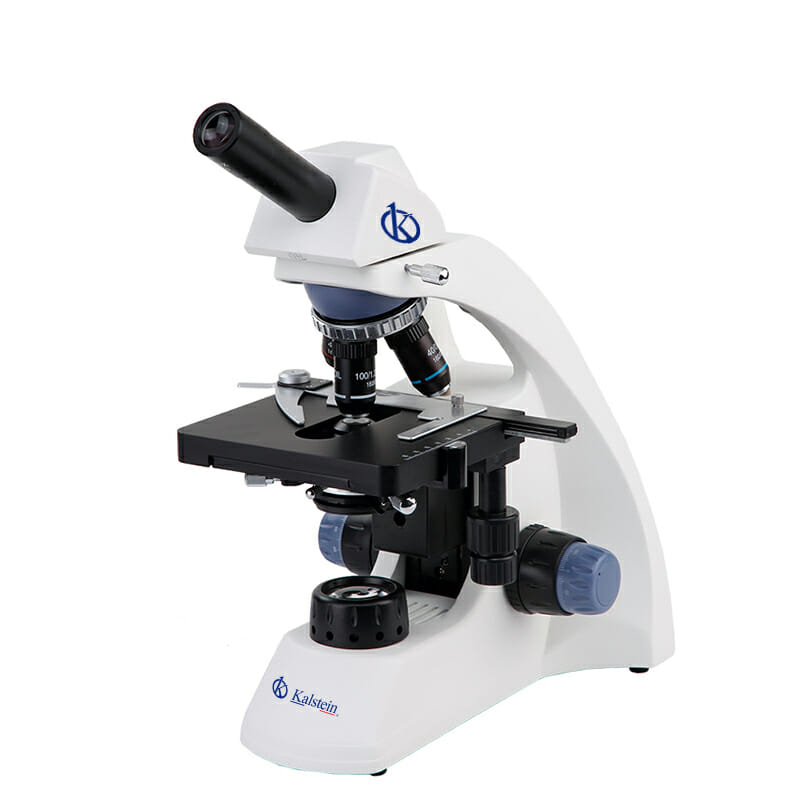
Pioneering Impact of Next Generation Microscopes in Laboratories
The role of a high-quality microscope manufacturer is crucial in the ongoing evolution of scientific and technological research. Kalstein, with its innovation and precision, is forging new paths, allowing laboratories to delve into details
Leer másFrequently asked questions about Microscopes
How to know the prices of Microscopes?
To know the price of Microscopes, please send us an email with your request through the contact form AQUI.
What are the delivery times for Microscopes?
Delivery time depends on stock availability and freight type (air or sea). In stock: air 15-30 days, sea 45-60 days. Out of stock: air 30-60 days, sea 60-90 days.
How to make a purchase of Microscopes?
You can buy by email ([email protected]), phone (+33 (0) 1 70 39 26 50) or through the official Kalstein website in your country.
How does the warranty work for Microscopes?
All Kalstein equipment comes with a 1-year warranty against manufacturing defects. The warranty does not cover damage from improper installation or misuse. See our «terms and conditions» AQUI.
Can I request a quote online for Microscopes?
Yes, you can request a quote for the Kalstein equipment you are interested in directly from our official website. Click AQUI.