
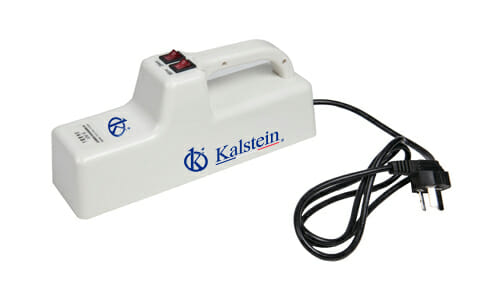
Kalstein Transilluminator: A Comprehensive Review
Kalstein has established itself as a powerhouse in laboratory equipment, and its line of transilluminators is no exception. Known for innovation and reliability, the Kalstein transilluminator stands out in the industry. These devices are essential for researchers and professionals who need to visualize DNA, RNA, or protein samples with exceptional clarity. As someone who has worked extensively with these tools, I can vouch for their precision and user-friendliness.
What sets the Kalstein transilluminator apart is its commitment to quality and functionality. Whether you’re a seasoned laboratory technician or new to gel imaging techniques, the intuitive design ensures that you can efficiently get accurate results without any hassle. Moreover, the feedback from other users has been overwhelmingly positive, which further solidifies its position as a top choice in transilluminators.
Key Features of the Transilluminator
One of the standout features of the Kalstein transilluminator is its advanced UV light technology. This ensures that even the smallest bands on your gel stand out with exceptional clarity. Additionally, the unit is designed with a durable, lightweight construction making it easy to transport and handle without sacrificing robustness.
Another attractive feature is its adjustable wavelength settings, allowing users to customize the light exposure depending on the specific needs of their sample analysis. This flexibility is key for laboratories that handle a variety of samples, ensuring accuracy and efficiency in their workflow.
Different Types or Models of the Transilluminator
The Kalstein transilluminator comes in a range of models, tailored to meet different laboratory needs. From more compact versions for small-scale labs to advanced models designed for high throughput environments, there’s a Kalstein solution for every setting. Each model is engineered with unique features that cater to diverse analytical requirements.
For instance, some models offer dual-light sources, combining UV and blue light, which are perfect for safe, versatile analysis without excessive UV exposure. Moreover, they each come with varying gel capacities and integrations with imaging systems, making them highly accommodating for a spectrum of laboratory applications.
Why is the Transilluminator Priced This Way?
The pricing of Kalstein’s transilluminator reflects its advanced technology, build quality, and brand trust. Investing in a reliable and durable unit can significantly affect research productivity and accuracy. The components used in Kalstein transilluminators are top-notch, ensuring longevity and reducing the need for frequent replacements or repairs.
Moreover, considering the precision and advanced capabilities of these devices, the cost is competitive within the market. When you buy a Kalstein transilluminator, you are essentially investing in superior technology and peace of mind, knowing that your lab will remain equipped with the best tools available.
Comparing the Transilluminator with Similar Products
In a market teeming with options, how does the Kalstein transilluminator stack up against other brands like Bio-Rad, Thermo Fisher Scientific, and GE Healthcare? Each of these companies offers models with their unique features, but the Kalstein transilluminator shines in several key areas.
Compared to Bio-Rad, Kalstein tends to offer comparable clarity and ease of use, but with more robust light settings. Thermo Fisher Scientific offers competitive alternatives, yet the Kalstein models typically provide better value for money, particularly for small to mid-sized labs. With GE Healthcare, the competition is fierce in terms of advanced imaging system integrations; however, Kalstein’s user-centric design offers an advantage in everyday usability and reliability.
Pros and Cons of the Transilluminator
| Pros | Cons |
|---|---|
| High precision UV light technology. | Slightly higher initial investment compared to basic models. |
| Durable and lightweight design. | Requires specific maintenance routines to ensure longevity. |
| Adjustable wavelength settings. | Complex samples may need collaborations with imaging software for detailed analysis. |
| Multiple models tailored for diverse lab needs. | Availability might be limited depending on the region. |
| Enhanced gel capacity options. | Training might be necessary for new users to maximize functionality. |
| Efficient dual-light sources. | Replacement parts need to be sourced from Kalstein authorized dealers. |
| Strong brand credibility. | |
| Advanced imaging integrations. |
Benefits of Using These Transilluminators
If you are working in molecular biology, genetics, or similar fields, a transilluminator is an essential part of your work. Kalstein’s transilluminators particularly excel in providing clear and accurate visual results, which is critical for identifying DNA fragments and protein bands efficiently.
The ergonomic and user-friendly design makes it effortless to handle and operate, optimizing workflow in any lab setting. The ability to switch between UV and visible light not only enhances flexibility but also ensures user safety, which is crucial in prevention-focused lab environments.
Additional Advantages of the Transilluminator
Beyond functionality, Kalstein offers excellent customer support and a warranty that provides peace of mind with your purchase. Knowing that the manufacturer stands behind the product makes it a more secure investment for labs of all sizes.
The brand’s holistic approach to design and technology ensures that these transilluminators are not just tools but partners in scientific discovery and innovation. Combining these devices with Kalstein’s broad range of laboratory equipment can further enhance lab efficiency and research outcomes.
References from Some Users about the Transilluminator
Many users appreciate the transilluminator for its clarity, noting that it offers crisp, clear images that aid significantly in analysis. One user stated, “The Kalstein transilluminator has transformed our gel imaging experience. The visibility of bands is substantially better than other brands we’ve tried.”
Another mentioned the reliability factor, highlighting, “We’ve used our Kalstein model extensively for over a year now with no issues, something we struggled with in previous products. It’s a reliable tool that becomes an asset in critical projects.”
Frequently Asked Questions
What is the primary function of a transilluminator?
The primary function of a transilluminator is to visualize DNA, RNA, or protein bands on a gel. It uses UV or LED light to illuminate the sample, making the nucleic acids or proteins visible.
How does the Kalstein transilluminator ensure user safety?
The Kalstein transilluminator comes with adjustable wavelength options, allowing users to choose safe light intensities and minimize exposure to potentially harmful UV radiation.
Are there different models available for various lab needs?
Yes, Kalstein offers a range of transilluminator models to cater to different lab sizes and requirements, from compact models for small labs to more advanced ones for extensive research facilities.
What makes Kalstein stand out from its competitors?
Kalstein stands out with its superior user-friendly designs, robust build quality, and affordability without compromising on advanced features which provide great value for professional researchers.
Is training required to use the Kalstein transilluminator?
While the transilluminator is designed to be user-friendly, some basic training might be beneficial to help new users maximize its functionality and understand its maintenance protocols.
How robust is the construction of these devices?
Kalstein transilluminators boast a lightweight yet durable construction, making them easy to handle and highly robust for continuous use in various laboratory environments.
Final Recommendations on Transilluminators
In conclusion, if you’re in the market for a reliable, high-quality transilluminator, Kalstein’s offerings should be at the top of your list. They provide precision, ease of use, and a strong safety profile, all crucial elements that make them excellent for regular laboratory work. It’s a worthwhile investment that will undoubtedly enhance your research capabilities and efficiency. For more details, visit their official site.