
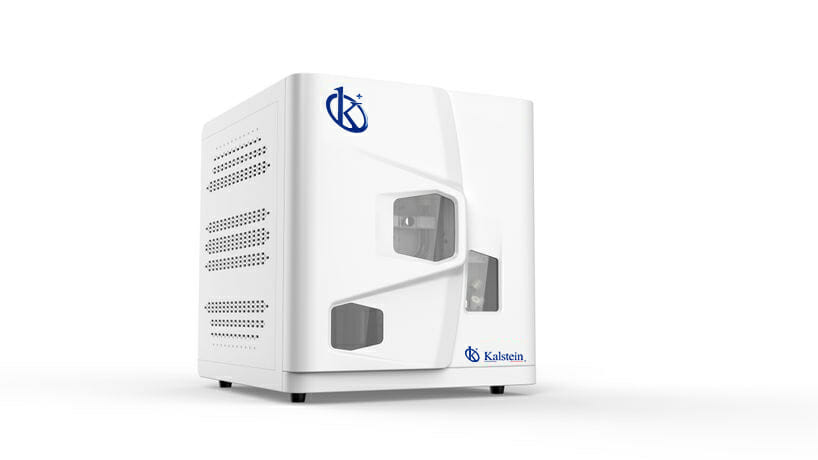
In the realm of laboratory instrumentation, Total Organic Carbon (TOC) analyzers play a crucial role in evaluating the organic carbon content in liquid samples. This evaluation aids in monitoring the quality of water, ensuring environmental standards, and conducting robust scientific research. Two notable products in this category are the Total Organic Carbon Analyzer YR04950-1 by Kalstein and the TOC-V CSN Total Organic Carbon Analyzer by Shimadzu. Understanding the differences between these two can help potential buyers make informed decisions based on their specific requirements.
The Kalstein Total Organic Carbon Analyzer YR04950-1 is designed with precision and user-friendliness in mind. With a focus on delivering accurate measurements and facilitating ease of use, this analyzer is a valuable asset in any laboratory setting. The Shimadzu TOC-V CSN, on the other hand, is renowned for its advanced technology and robust design, making it a staple in many research facilities globally. In the following sections, we will delve into a detailed comparison of these two exceptional products.
| Feature | Kalstein YR04950-1 | Shimadzu TOC-V CSN |
|---|---|---|
| Measurement Range | Wide range adaptable | Extensive range supported |
| Technology Used | UV Persulfate Oxidation | Combustion Catalytic Oxidation |
| User Interface | Highly intuitive interface | Specialized software interface |
| Portability | Compact and portable | Stationary setup |
How They Work
The Total Organic Carbon Analyzer YR04950-1 by Kalstein utilizes the UV Persulfate Oxidation method to detect and measure the total organic carbon present in liquid samples. This process involves oxidizing the organic matter to carbon dioxide, which is then quantified. Not only is this method highly efficient, but it also ensures repeatability and reliability of results, making it ideal for laboratories prioritizing precision.
Meanwhile, the Shimadzu TOC-V CSN employs the combustion catalytic oxidation method, which similarly converts organic carbon to carbon dioxide for measurement. This approach is known for its robustness and ability to handle a variety of sample matrices. The combination of high-temperature combustion and advanced software capabilities makes it a favorite for complex analyses.
What They Are Used For
Both analyzers are essential in processes such as water purification, environmental monitoring, and quality control in various industries. The Kalstein YR04950-1 is often chosen for its versatility and ease of use, making it accessible for facilities that require straightforward yet effective TOC measurements. The Shimadzu TOC-V CSN is particularly favored in high-demand settings where long-standing reliability and handling of higher throughput are crucial.
Types
TOC analyzers come in various configurations depending on their intended use. Portable models, such as the Kalstein YR04950-1, allow for greater flexibility and mobility, while more stationary setups like the Shimadzu TOC-V CSN focus on delivering consistent performance within a fixed location. The choice between portable and stationary models should consider the frequency and nature of the required tests.
Market Price
In the current market, the price range for TOC analyzers can vary significantly based on features, brand reputation, and technological advancements. Analyzers such as the Kalstein YR04950-1 are competitively priced, offering excellent value for cost-conscious laboratories. Shimadzu’s TOC-V CSN, with its extensive capabilities and premium build, often commands higher pricing. For accurate quotes and promotional offers, access the Kalstein website to generate a quick online quote through the Kalstein Plus platform.
Frequently Asked Questions
What is the principle behind TOC analyzers?
TOC analyzers primarily utilize oxidation methods to convert organic carbon in samples to carbon dioxide, which is then measured to determine the TOC level.
Can these analyzers handle different types of samples?
Yes, both the Kalstein YR04950-1 and Shimadzu TOC-V CSN are capable of handling a variety of aqueous samples.
How do I maintain a TOC analyzer?
Regular maintenance involving cleaning, calibration, and software updates is recommended for optimal performance of TOC analyzers.
Advantages and Disadvantages
Kalstein YR04950-1 Advantages: Offers portability and ease of use, backed by advanced UV Persulfate technology, user-friendly interface, cost-effective.
Kalstein YR04950-1 Disadvantages: Limited to specific operation environments.
Shimadzu TOC-V CSN Advantages: Handles high throughput, robust operation, advanced combustion method.
Shimadzu TOC-V CSN Disadvantages: Higher initial cost, requires more complex setup.
Product Use in the Field
The Kalstein YR04950-1 is often utilized in environmental studies, university labs, and industries where flexible movement between test locations is required. Its compact size and reliable results make it a go-to for field researchers. The Shimadzu TOC-V CSN excels in settings needing rigorous and frequent testing, such as large-scale water treatment facilities or dedicated research labs.
Recommendations
For maximum efficacy and longevity, it is advisable to perform regular maintenance and calibration on these analyzers. Additional training for users on the specific technology employed in these devices can enhance data accuracy and operational efficiency. Engaging with the manufacturer’s support channels can also provide insights into firmware updates or feature upgrades.
If you’re seeking a fusion of innovation and quality, you have come to the right place. At Kalstein, we invite you to explore our exclusive catalog of laboratory equipment. We manufacture each piece with excellence. Our intuitive and agile online purchase channels are designed for your comfort, ensuring the most friendly prices. Don’t hesitate any longer, we bring science to life; it’s time to become part of our community. https://kalstein.co.nz/product/total-organic-carbon-analyzer-yr04950-1/.