
Detailed Evaluation of the ROI for Investing in Modern Veterinary Monitors for Your Practice
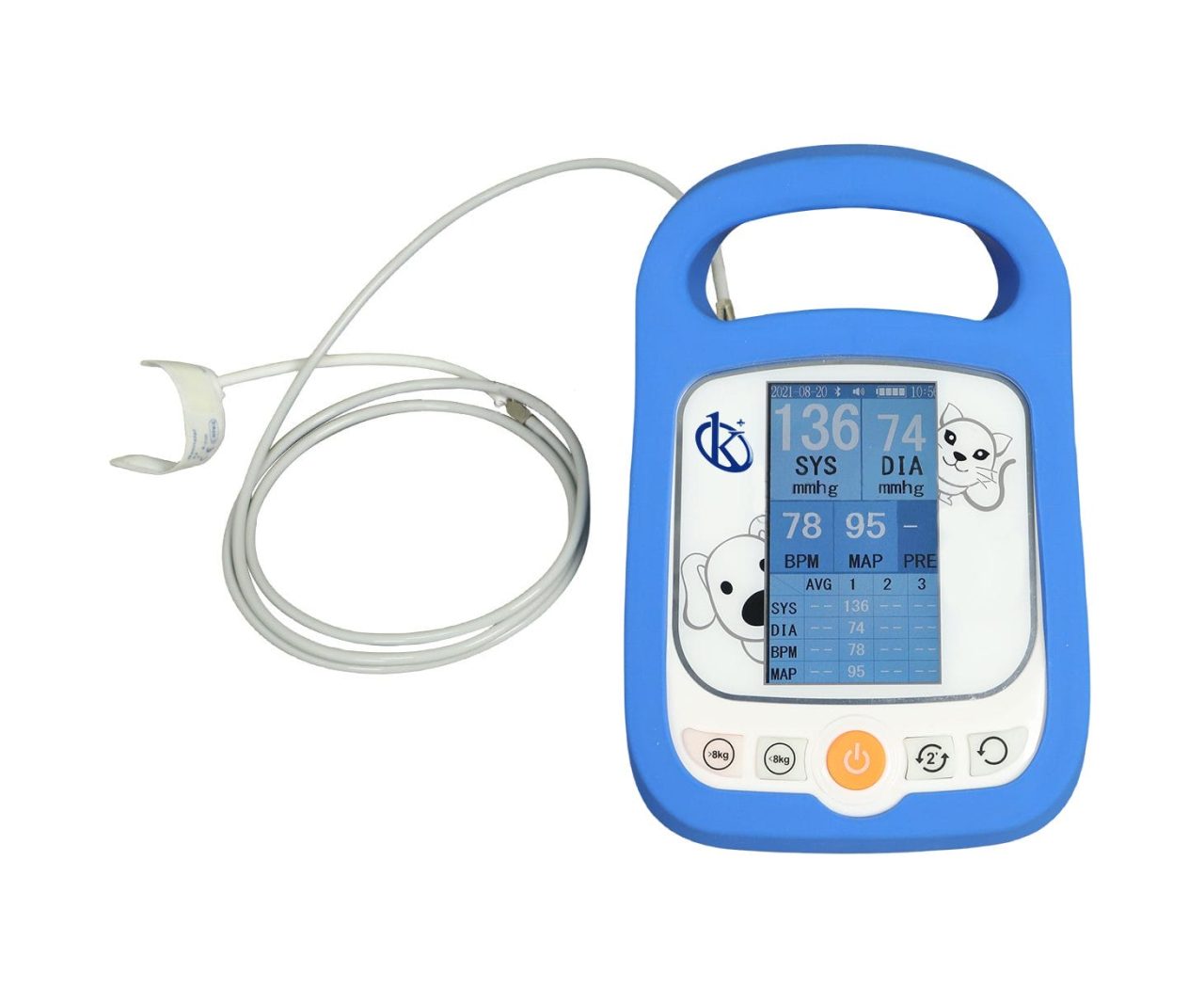
Advances in medical technology are not limited only to the human sector, but have also extended to the field of veterinary medicine. Modern veterinary monitors are multifunctional tools that help professionals perform more accurate diagnostic procedures and offer more effective treatments. Considering that these pieces of equipment represent a significant investment for any veterinary practice, it’s crucial to understand their return on investment (ROI) before proceeding to their purchase.
How to Choose the Most Suitable Veterinary Surgical Equipment for Your Clinic
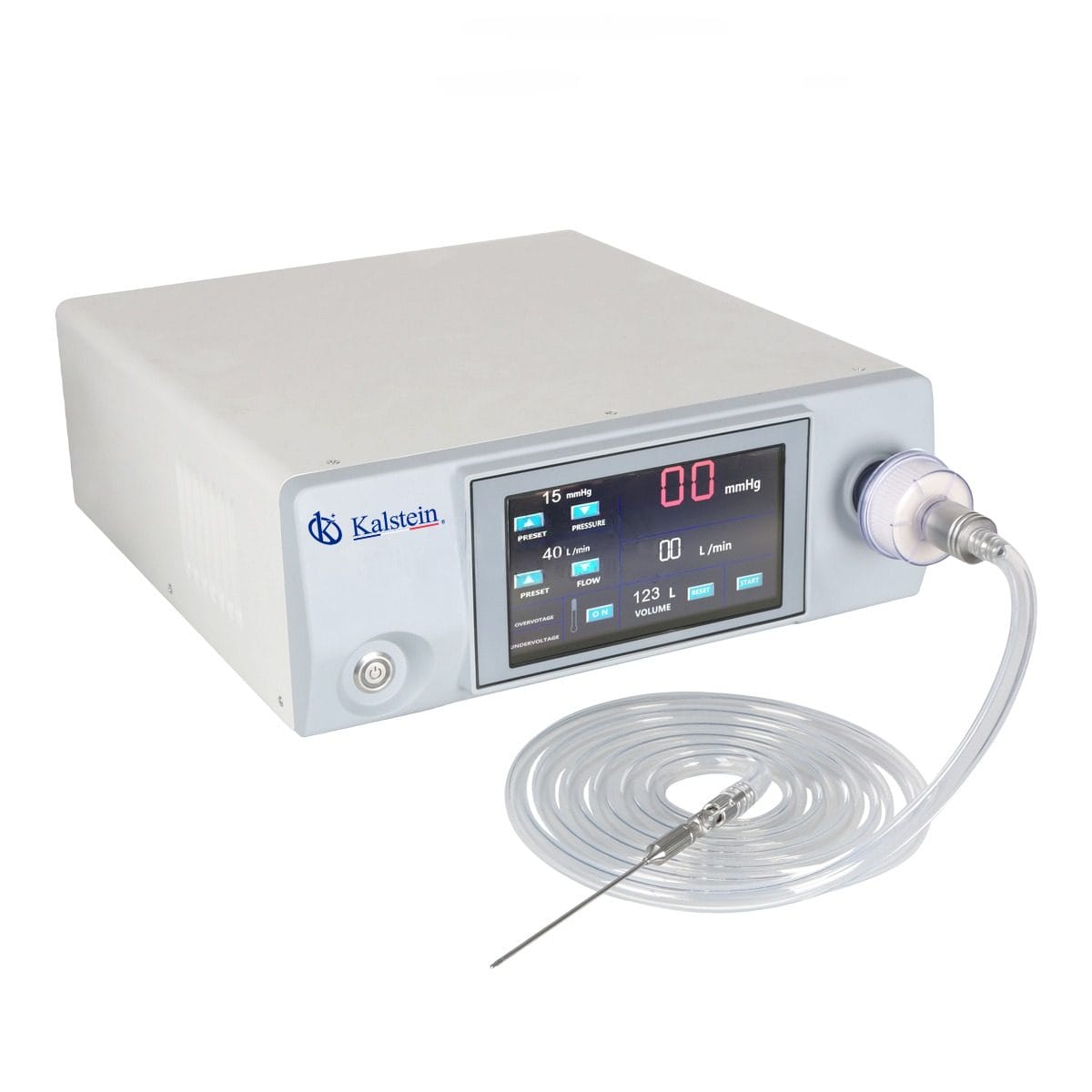
When choosing veterinary surgical equipment, the manufacturer’s reputation and prices play a crucial role. One of the leaders in this field is Kalstein, recognized for its exceptional manufacturing quality and competitive pricing. The medical equipment Kalstein offers is the result of years of research and development, ensuring the highest quality and the latest innovative technologies.
Specialized Surgical Equipment for Exotic Animal Surgery: A Detailed Look

Specialized surgical equipment for exotic animal surgery has undergone steady evolution over the years. From manual tools to cutting-edge technology, these pieces of equipment are essential to the success of surgical procedures in exotic animals. As a leading global manufacturer, Kalstein is known for its productivity, innovation, and quality assurance in surgical equipment, which has led to a significant shift in the healthcare of exotic animals.
Safety measures for the use of the Bacticinerator in the laboratory

It is important to comply with security measures, because it is not only the right way to work, it is the only way to do it. Therefore, working in a laboratory involves the use of equipment and other elements, whose dangers are mandatory to study them to prevent in all aspects. Reflecting on safety measures in the laboratory is a formal requirement, since the risk of accidents such as burns, poisoning, fires or electrical shocks are always present.
Why is a bacti-cinerator important?
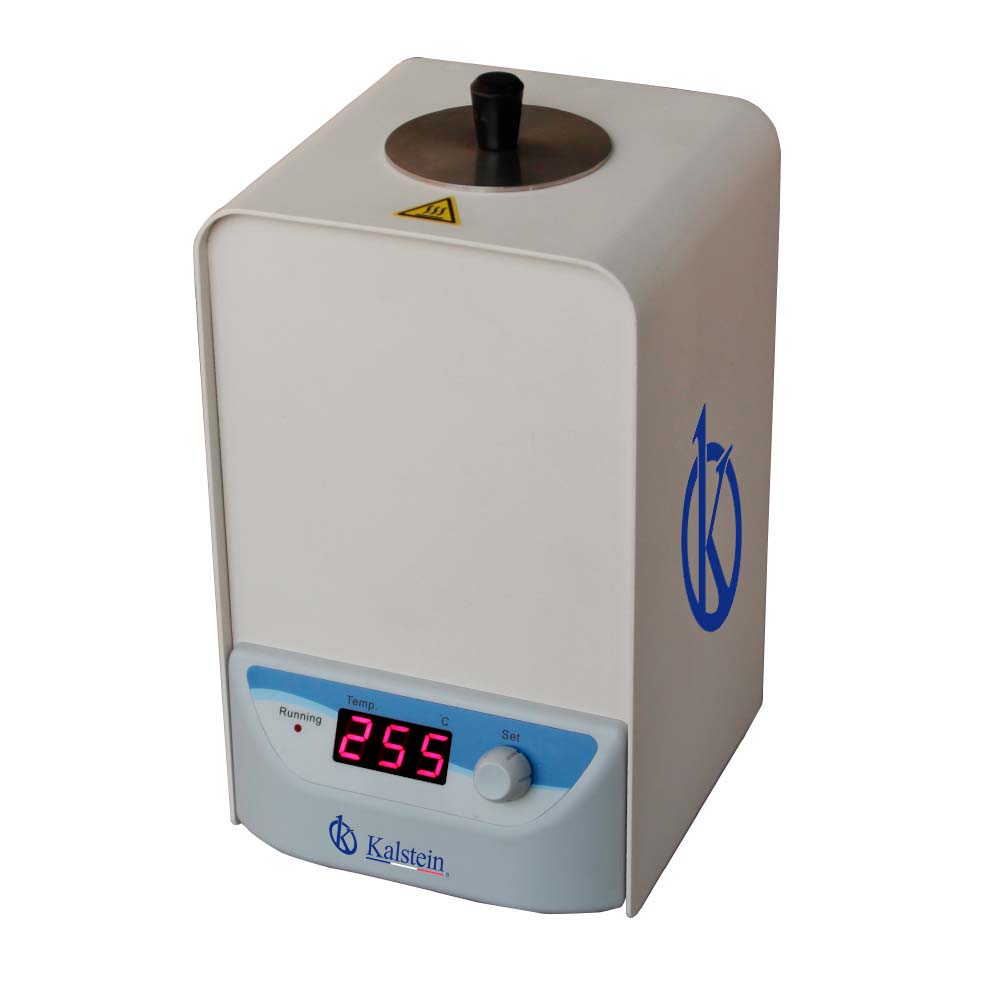
A bacterium-incinerator is a device used in microbiology laboratories to sterilize instruments, consisting of a ceramic tube surrounded by metal and with a hollow portion in the center. When ignited, the bacti-incinerator can reach temperatures around 800 degrees Celsius, enough to incinerate any organic material in an inoculation roast.
Bacticinerator Characteristics
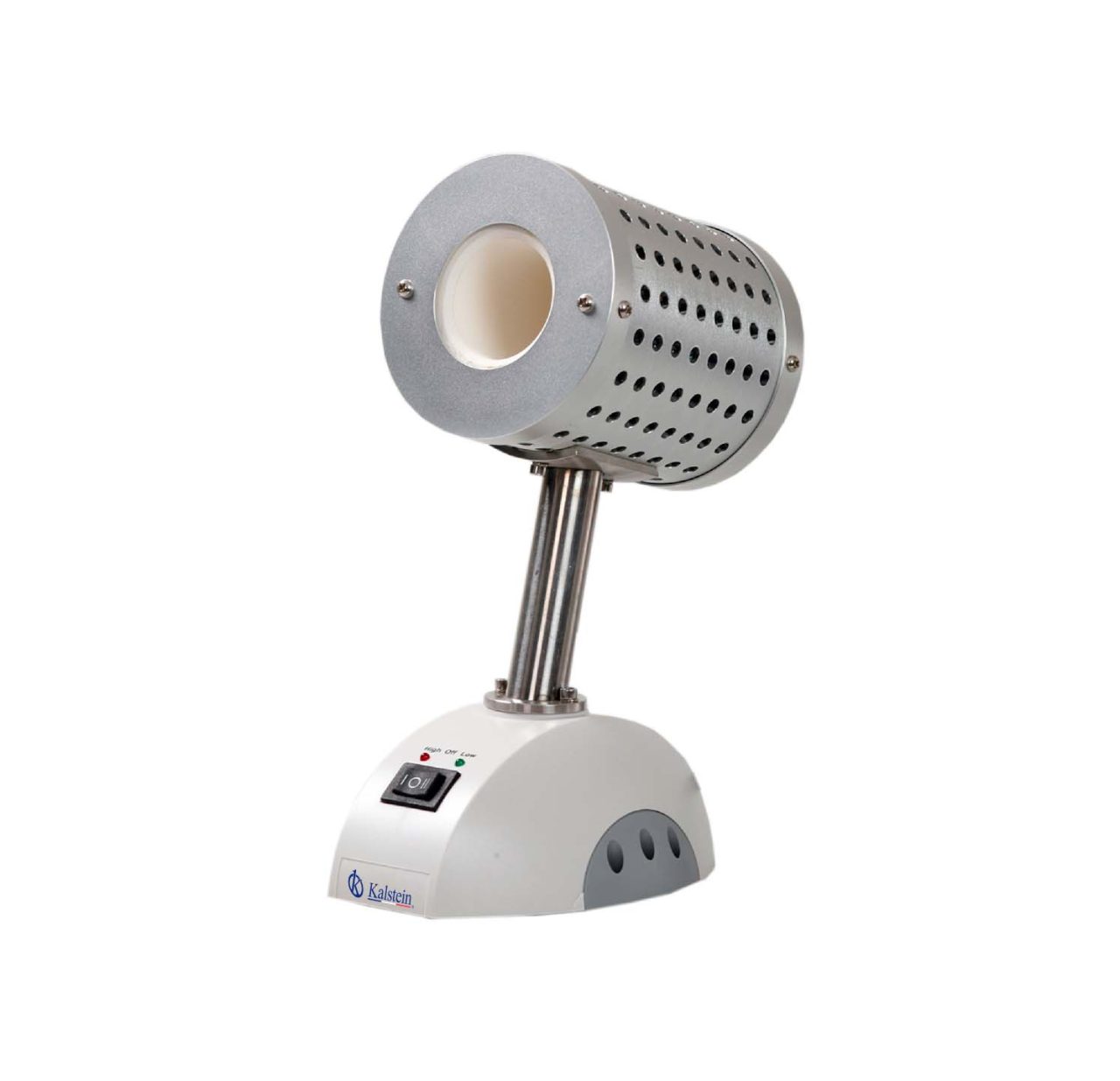
The Bacticinerador sterilizer is a gas-free, flameless laboratory instrument for use with microbiological needles and inoculation handles. It achieves sterilization through infrared heat without dangerous splashing of microorganisms, to comply with widely fundamental antiseptic techniques in the field of microbiology.
How is the Analytical Balance used for the production of Parkinson’s treatment?
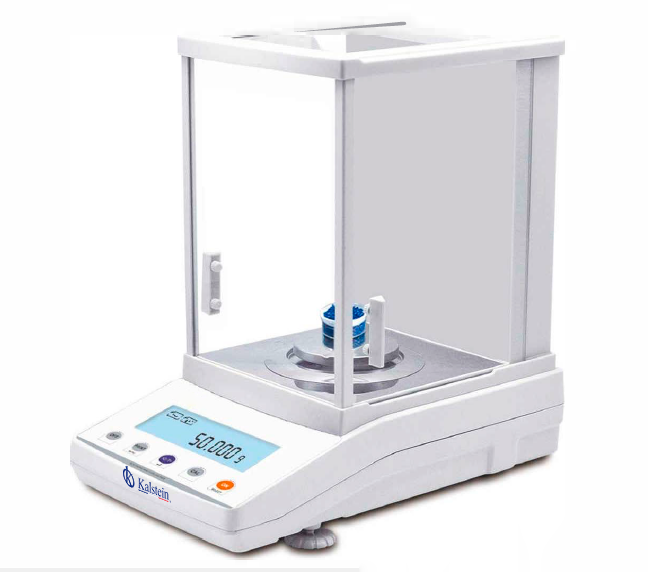
In the late 19th century, scientists began to suspect that the lack of a chemical in the brain could be causing Parkinson’s disease. In the early 20th century, Dr. James Alzheimer identified an abnormal chemical in the brain of a patient with this disease. Although the chemical is now known as a beta-amyloid plaque, it was thought at the time to be the cause of the disease.
Advantages in the use of Bacticinerator for Infectology Units
The Bacticinerador, is a equipment that sterilizes the handles used in laboratories, in charge of eliminating bacteria by infrared heat originated by a central ceramic mechanism. This equipment contains no fuel and certifies maximum sterility without splashing on the work surface. Heat is respected as the means of sterilization par excellence, as long as the material withstands high temperatures without suffering any damage. Complete sterilization occurs in 5-7 seconds, at a temperature of 815.6°C (1500°F). It is constituted as a sterilization protector, for greater safety in handling the material and any remaining remaining in the smooth area of the quartz tube, can be easily removed.
Using the Bacticinerator for the Cosmetic Laboratory
Cosmetics are products that we use to clean, protect and alter our appearance. They can be found in almost every home and are used every day by people of all ages. Although cosmetics have been around for thousands of years, their ingredients and formulations have changed dramatically over time.
Benefits of Bacticinerator for Microbiology tests in the Laboratory
The work of the microbiology laboratory is to identify precisely, firmly and quickly the responsible agents at the species level, and identify their patterns of antimicrobial resistance. Thus, standard microbiologic methods remain consistent in providing rapid identification and susceptibility testing.