
What are the Benefits of Laboratory Furniture?

A well-equipped laboratory is one of the main elements for carrying out various types of scientific research, especially in the field of natural sciences, where all experiments require the use of furniture specially designed for this purpose. These furnishings allow to achieve a high level of safety, efficiency and, in general, a good laboratory performance.
Developing Innovation with Laboratory Furniture
The rapid growth in the field of science today is encouraging. The discovery of new scientific theories and improvements in research and analysis procedures have served to promote innovation in the world of science and technology. The development of innovation in laboratory furniture is an important aspect that contributes significantly to the progress and impact of projects carried out in research laboratories.
Exploring New Technologies with Laboratory Furniture
The constant changes in technology are radically transforming today’s world. In fact, scientific progress, technological development and the application of new technologies are improving the quality of life for mankind. To cultivate science and knowledge, the intelligent design of laboratory furniture has been the starting point of many inventions.
How to apply Color Evaluation tool to achieve specific results in cosmetics laboratories

– Strictly follow the calibration periodicity: This is an important part of the process of applying and using the color evaluation tool. To obtain optimal results, it is necessary to calibrate the color evaluation equipment at an established periodicity, which can vary from two months to one year, depending on the equipment.
What potential do color evaluation boxes offer to industrial laboratories?
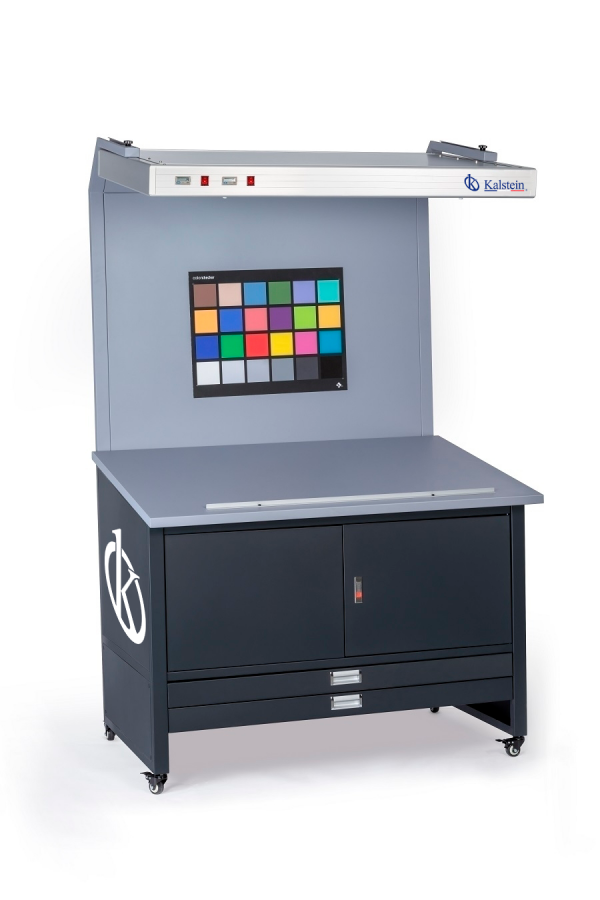
One of the main features that color evaluation boxes offer is a high degree of accuracy when measuring the color of an object. Laboratories can perform reliable color measurements with unmatched accuracy. This means that users can verify the quality of their products with confidence, avoiding the costs involved in discarding defective units.
Analyzer Applications in Chemistry Laboratories: New Technologies for More Accurate Analysis
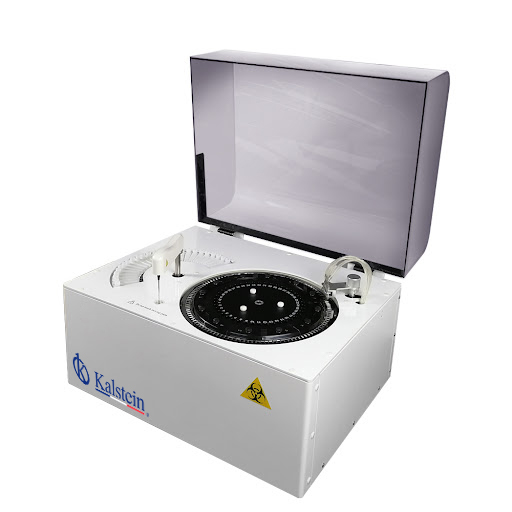
In the modern world, performing chemical analysis is part of everyday life. Chemistry laboratories have to perform chemical analysis accompanied by analyzers. Analyzers have played a key role in improving the quality and safety of chemicals. These technological tools provide more accurate analyses more quickly than manual analyses.
How are accurate results obtained with viscometers?
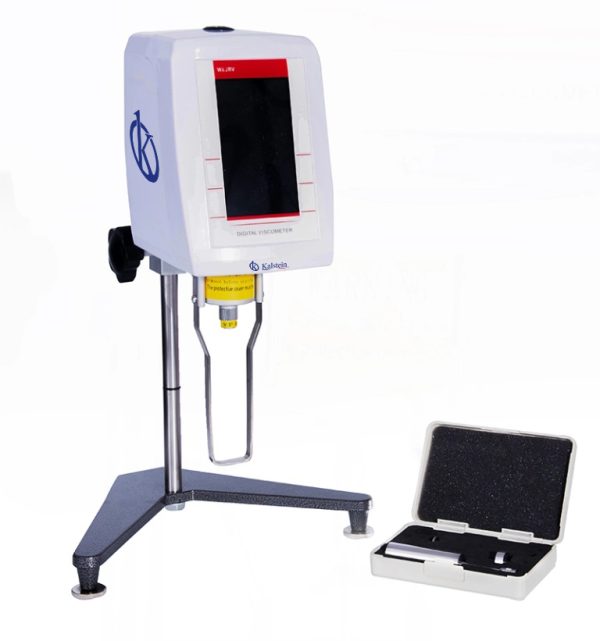
A viscometer is a device used to measure the viscosity of a liquid. Viscosity is described as the resistance of a liquid to flow. This resistance depends mainly on the molecular property of the liquid. Viscosity is measured in units of poise, centipoise or centimeter diameter. A viscometer is an essential tool for the manufacture of liquid products such as adhesives, paints and oils.
Interpretation of Blood Reagent Results

The interpretation of blood reagent results is a key element in diagnosis and effective medical care; this interpretation helps us to understand the results and to establish a correct diagnosis and appropriate treatment. Different reagents are used in the blood test to detect a wide range of abnormalities and diseases.
Optimization of Hematology Reagents for Diagnostics

Optimization of hematology reagents is a key strategy for obtaining a correct diagnosis and performing effective treatments for healthcare patients. The implementation of hematology reagents offers the possibility to ensure the quality of diagnostics and treatments applied to patients. Some of the main goals of hematology reagent optimization are to improve the quality and accuracy of results, increase the speed of obtaining results, and ensure safety in the process of acquiring hematology reagents.
Standardized Testing Using Blood Reagents to Address Various Diseases

Standardized tests using blood reactions to address various diseases have been in use for hundreds of years; in the past, physicians relied on clinical judgment to diagnose infectious diseases, but advances in science have allowed doctors to rely on the analysis of measurable reactions to detect a variety of diseases.