
The revolution of measuring light spectra: Spectrophotometry for laboratory
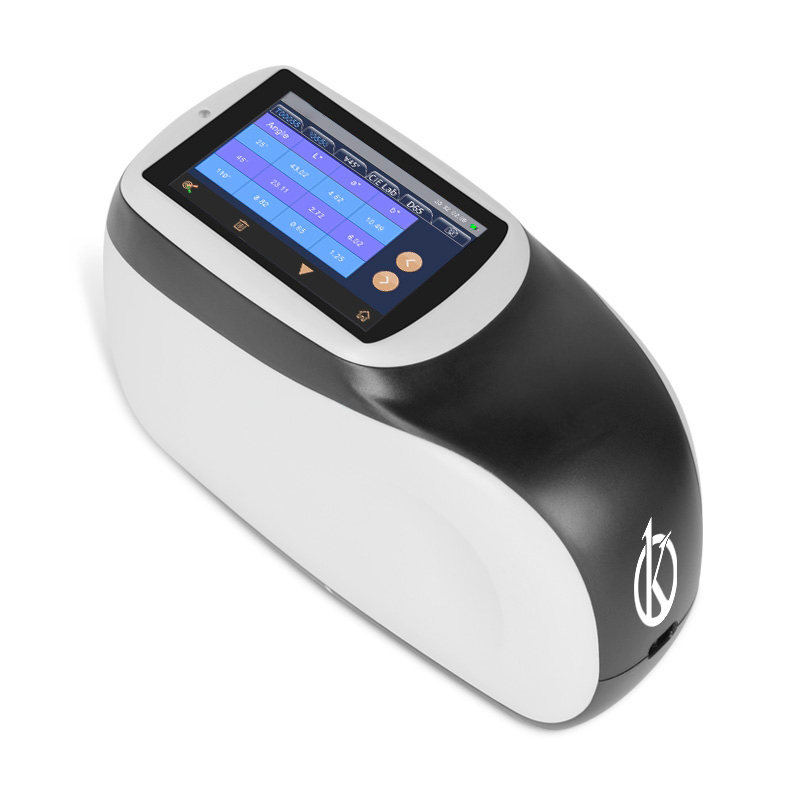
Spectrophotometry is a scientific technique that focuses on the measurement of light. This technique allows scientists to obtain detailed information about the contents of certain substances, taking into account how the difference-frequency radiation is spread through the materials. Laboratory spectrophotometry has been in use for a long time, but has undergone a significant change in recent years.
The Impact of Agitators on Modern Medicine
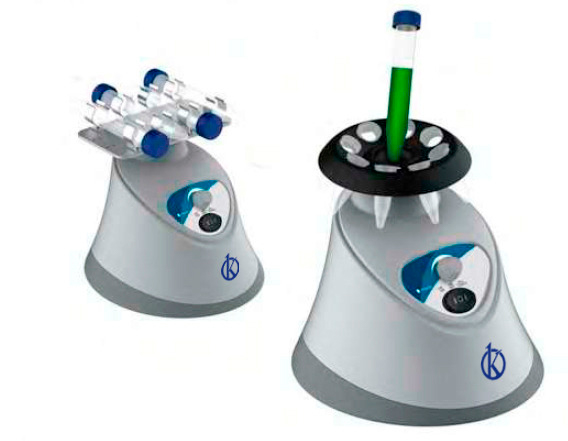
Modern medicine is one of the most important advances humanity has made; gaining access to the best medical care available and enjoying a superior quality of life are some of the striking benefits promised by technological and pharmacological advances.
Uses and applications of horizontal autoclave for laboratory
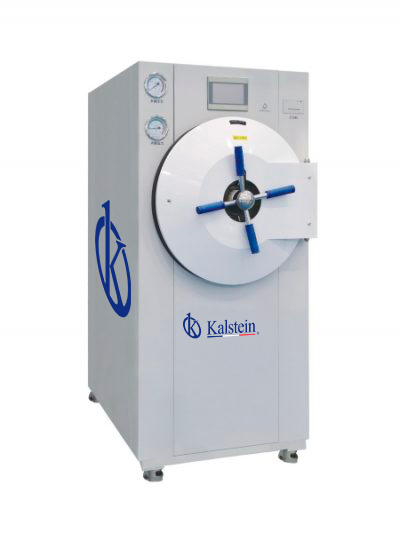
The horizontal autoclave for laboratory is a high temperature and pressure storage device used to eliminate all forms of harmful microorganisms. These devices are especially useful for food processing, drug manufacturing and scientific laboratory applications, as they offer exceptional efficiency in disinfection.
Advantages of using Biosafety Cabinets for stem cell isolation
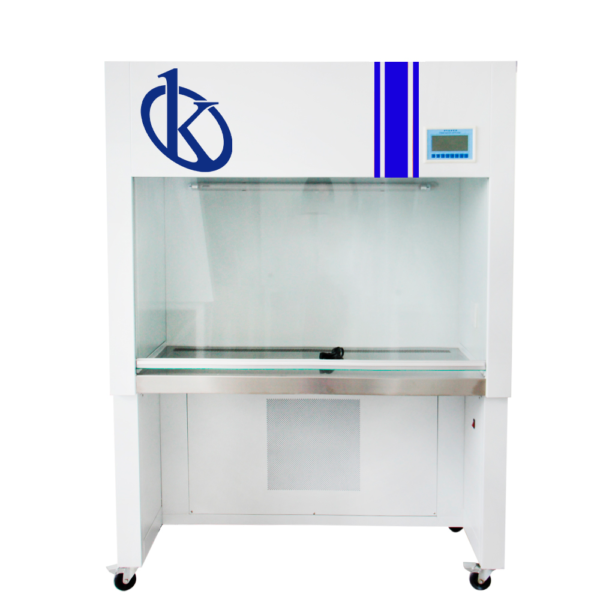
From their medical applications to biological research, stem cells have a wide range of uses; they need to be isolated to prevent contamination of material with a variety of external agents. To meet this essential requirement, laboratories use biosafety booths to separate material and ensure that stem cells are not contaminated; for this reason, we will discuss the advantages of using biosafety booths for stem cell isolation.
Can you use electroscalpel in difficult situations, safely, durably and effectively?
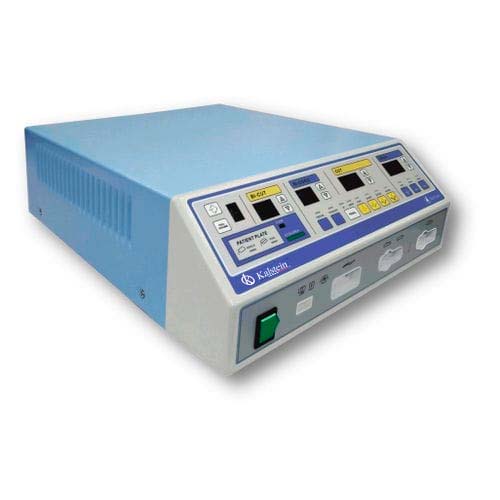
The answer is clearly yes; electroscalpel technology has evolved rapidly over the past few decades, offering surgeons significant improvements in safety, accuracy, and durability during surgical procedures. This is due to advances in modern technology that have enabled the creation of high-quality devices that meet the rigorous safety and quality standards demanded in a medical environment.
How can adequate lighting be exploited in a climate chamber for experiments?
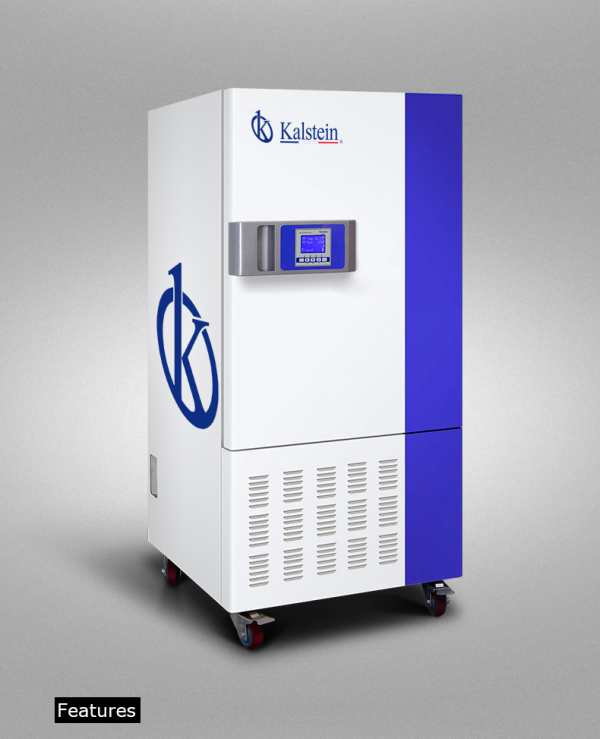
Proper lighting is a critical element in helping scientists get accurate results from their experiments. This is especially true when it comes to experiments conducted in a climate chamber. Correct lighting can increase the quality of results, improve reliability, and reduce runtime. This is especially important in weather chambers, where these constant conditions demand a high degree of accuracy.
Laboratory spectrophotometers: an introduction to innovation
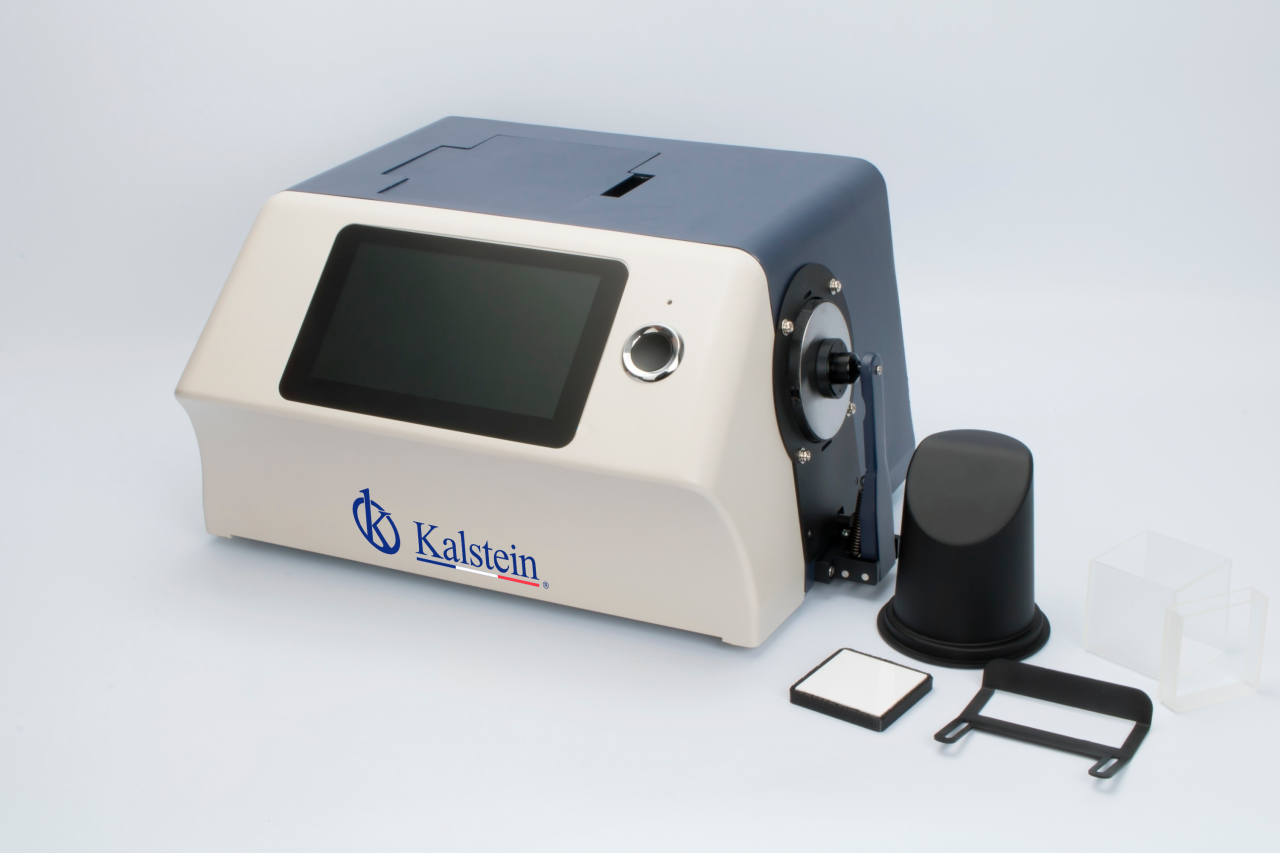
A spectrophotometer, commonly known as a UV/VIS spectrophotometer, is a device used to measure radiation absorption in the visible and ultraviolet light spectrum. It is an instrument used by scientists in laboratories to investigate materials that reflect, absorb and emit light. These instruments are used in both industry and research to identify and quantify chemical compounds in a sample.
Are there risks associated with the use of automated blood chemistry analyzers for the laboratory?
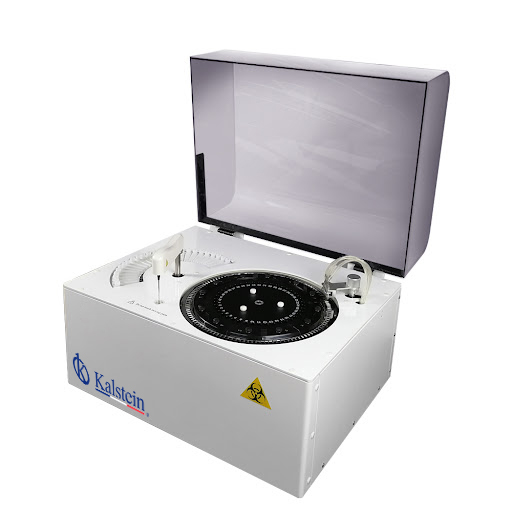
The use of automated blood chemistry analyzers and laboratory instruments is increasingly beneficial for optimizing data processing, storage, and collection, as well as for improving global health. However, the use of automated blood chemistry analyzers in a clinical laboratory may involve some risks that should be considered. These risks may be associated with errors in data interpretation, sample rejection, personnel not prepared for device operation, and administration of wrong and/or inadequate results.
Specifications and characteristics of laboratory autoclaves
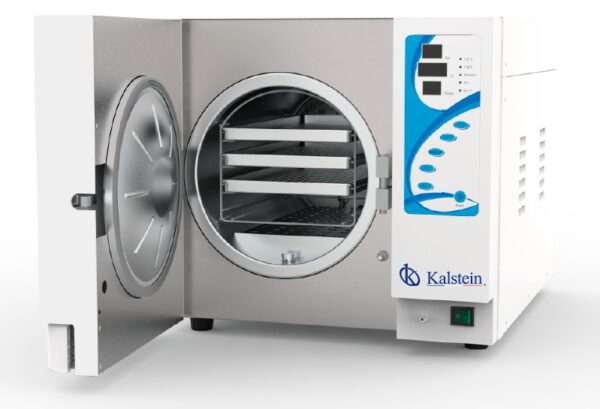
Laboratory autoclaves are one of the most important tools for laboratory research worldwide; they are used to sterilize various materials used in both scientific research and clinical applications. Autoclaves kill any bacteria, viruses, fungi, bacterial spores, and other microorganisms found in materials, thereby preventing the spread of disease and ensuring the safety of the materials.
What types of laboratory water systems are available?
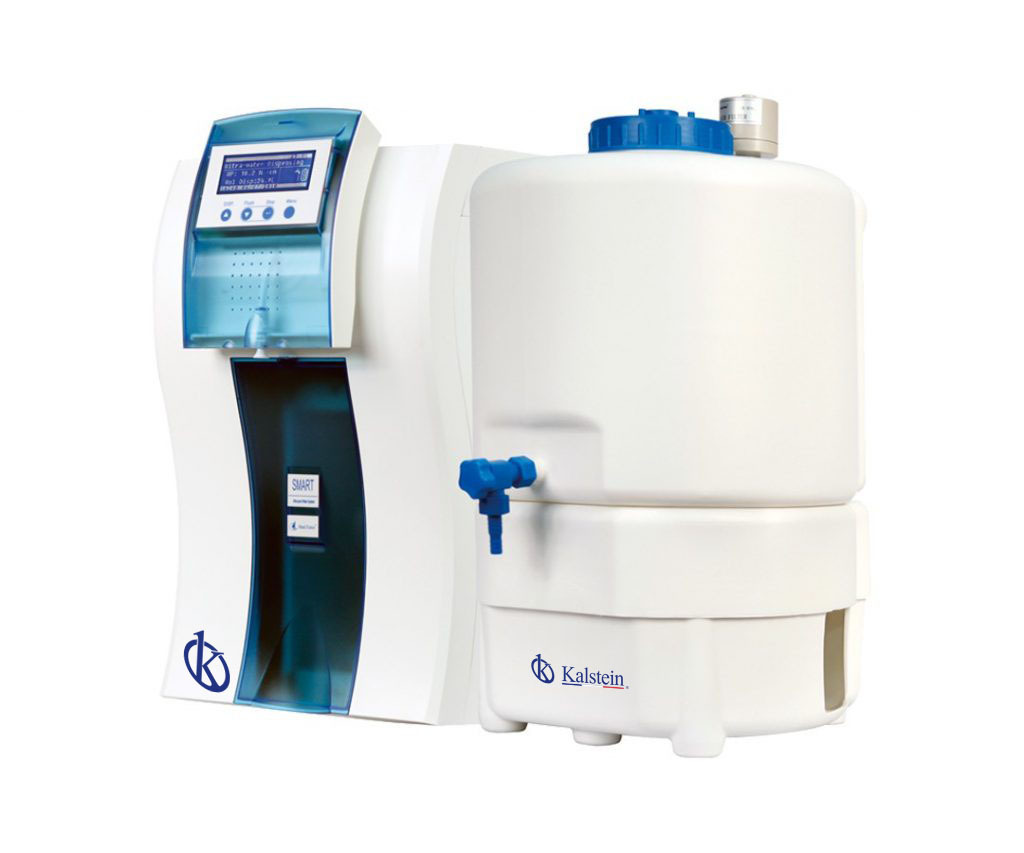
Laboratories address daily challenges to achieve results and produce reliable and environmentally friendly products, so a quality water system for your laboratory is critical. There are many types of laboratory water systems available for those seeking optimal performance and quality; first is ultra-purified water or “UPW”, which is used for recrystallization, biological sample extraction and compound dissolution.