
Electrophoresis Power Sources: How does it work?
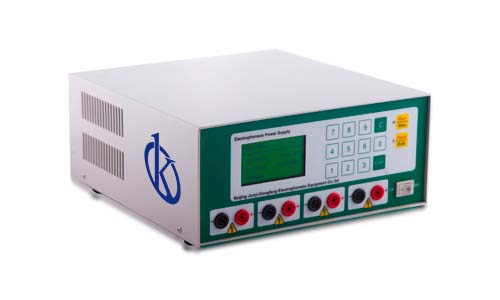
A power source for electrophoresis is the source that manages constant and direct current to the electrophoresis system, as well as indicates and allows us to control both the supply voltage and the current consumption. In other words, this device provides the necessary energy for this system to function properly; and this important laboratory technique can be carried out.
Electrophoresis chamber power source: How does it work?
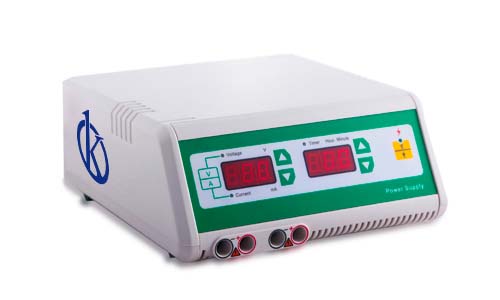
The power source for electrophoresis chambers is the source in charge of providing electricity to the electrophoresis system that is being used, in other words, it provides the necessary energy for this system to function properly; reason for which it is considered an essential element to carry out the electrophoresis technique.
Electrophoresis Run Power Sources
Electrophoresis in agarose or polyacrylamide gels is one of the methodologies most used in the laboratory in everything related to working with nucleic acids. The principle of electrophoresis consists in the migration of the molecules through a gel or another type of matrix of porous nature, in which, by the action of an electric field, they will be separated according to their size or molecular weight, this is achieved thanks to the action of a power source for electrophoresis, key equipment for the proper execution of this technique.
Is a power supply important for an electrophoresis camera?
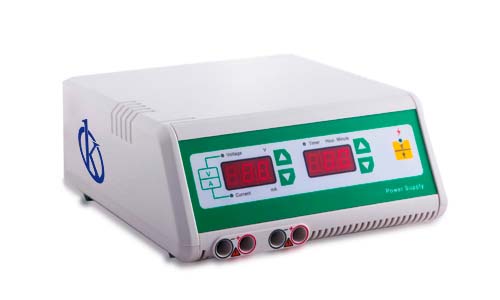
A power supply for electrophoresis chambers is a device used to generate the electrical current that allows to feed the separations of DNA/RNA, PAGE electrophoresis and membrane transfer. Note that the voltage determines the extent of the function, for example, 300V is strong enough to make the gels work, while 250V is needed to make transfers. This equipment acts as a transformer, rectifier and regulator in its output, to avoid voltage spikes that damage the system.
What are liquid nitrogen tanks and what are they used for in a laboratory?
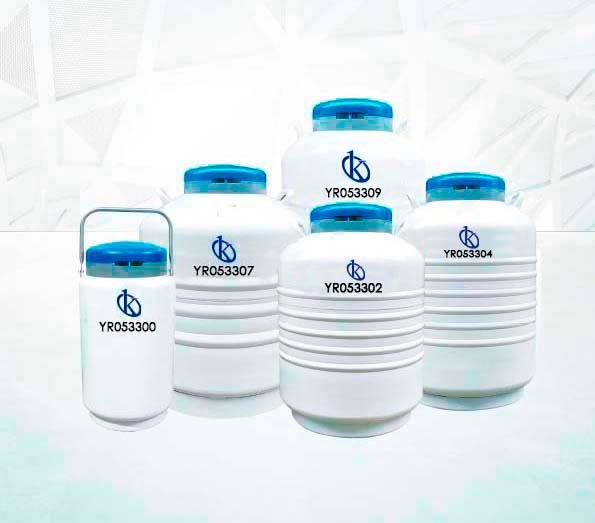
Liquid nitrogen tanks are units used for the conservation of laboratory samples at very low temperatures. Due to fast freezing, it prevents damage to structures and protects processes from moisture, oxidation and contamination.
How should a tank of liquid nitrogen be handled?
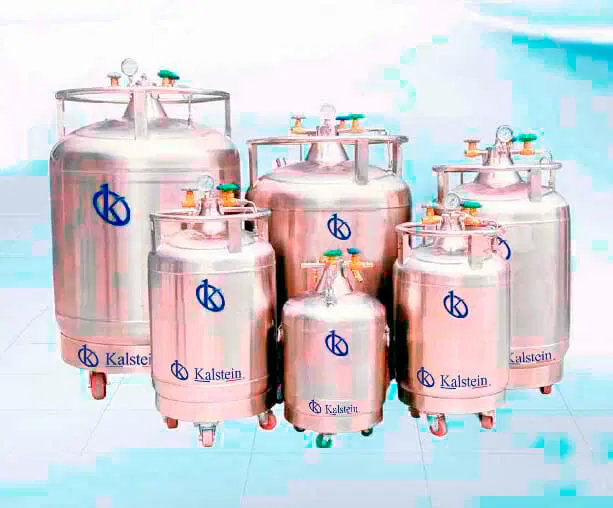
Nitrogen is a chemical element found in group 15 and period 2 of the periodic table and, in addition, its atomic number is 7, that is, each atom of it has 7 protons in its nucleus. On Earth, making up 78% of the atmosphere, is molecular nitrogen, which is just two nitrogen atoms joined together.
Nitrogen Attacks to Brew Beer
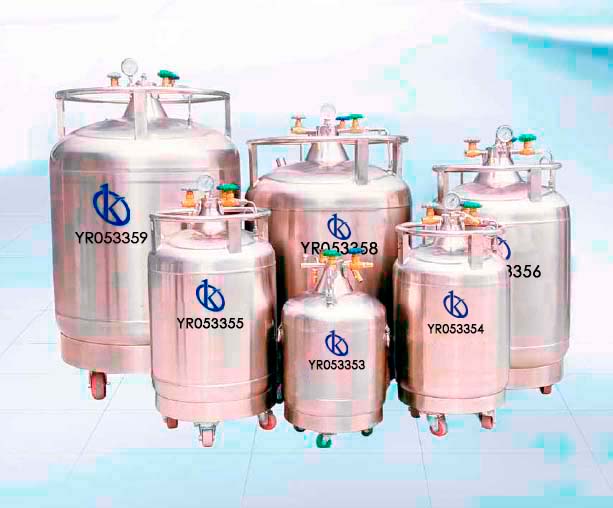
Nitrogen has many applications in the food industry for food conservation. It is also widely used in the sector of beverages, such as beer, one of the most coveted in the world.
Importance of Liquid Nitrogen for Fire Extinguishers
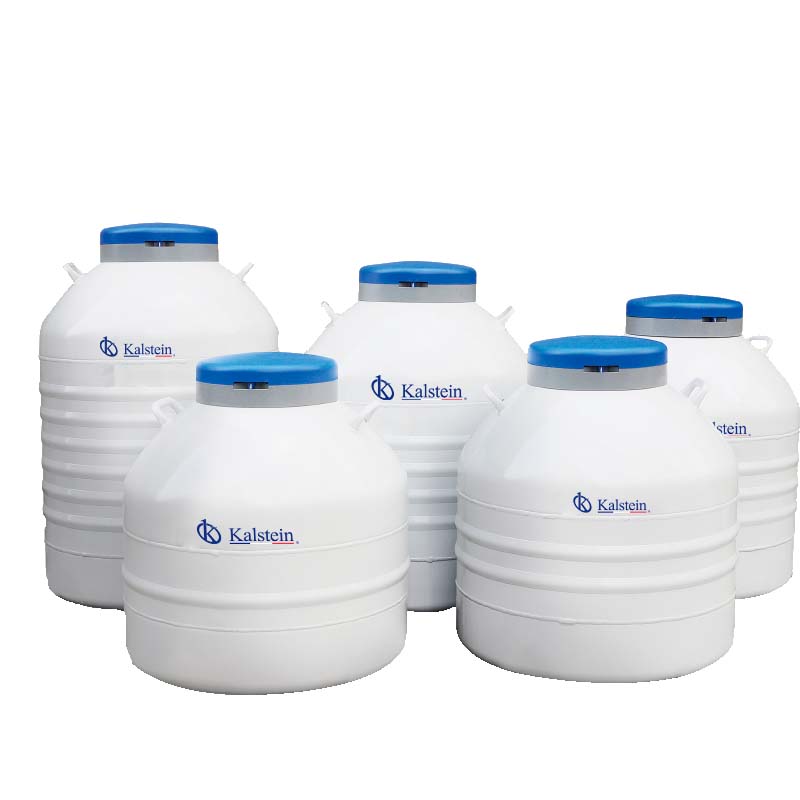
Fires are undoubtedly one of the least desired events, because of the risk it poses to life and the material good to which it destroys. Therefore, it is always advisable to have in a visible place and at hand an extinguisher, which allows to extinguish the fire before it spreads.
What is a liquid nitrogen container?
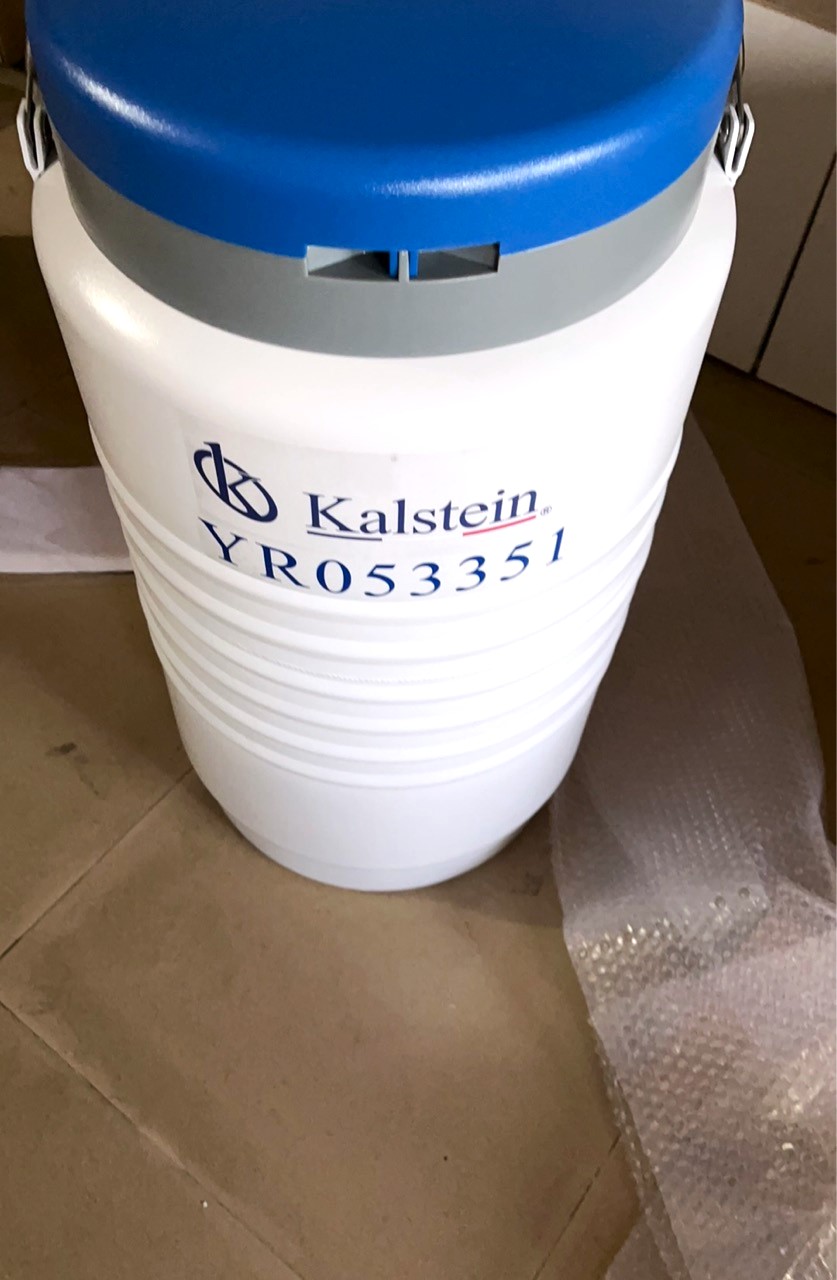
Nitrogen is a chemical element that makes up the majority of the atmosphere, approximately 78.03% by volume and 75.5% by weight. It is an inert gas, except when heated and combined with active metals such as magnesium or lithium. It also forms oxides of nitrogen, when combined with oxygen, and ammonia, when combined with hydrogen.
What are the advantages and disadvantages of liquid nitrogen?
Nitrogen is a chemical element that has multiple uses, either in elemental form in gaseous state, in liquid state or the diversity of compounds that can be synthesized from it. Its use in the liquid form has its advantages that are related to the specific field where it is applied, while its disadvantages are more homogeneous and depend on the intrinsic properties of having a gaseous compound under conditions of pressure and temperature to be in liquid form.