
Importance of Safety Cabinets for the Storage of Water Pollutants
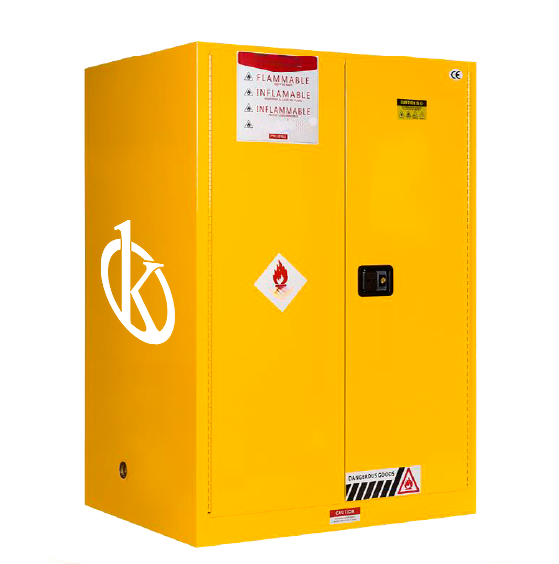
For safety at work, it is mandatory to take the necessary protective measures to ensure the health of employees at work, in which the validity of such measures must be demonstrated, and if necessary, adjust them to changing situations. In addition, efforts should be made to improve safety and environmental protection. The use of chemical storage safety cabinets is very useful for this purpose.
Functions of Security Storage Cabinets for Cytotoxic Products
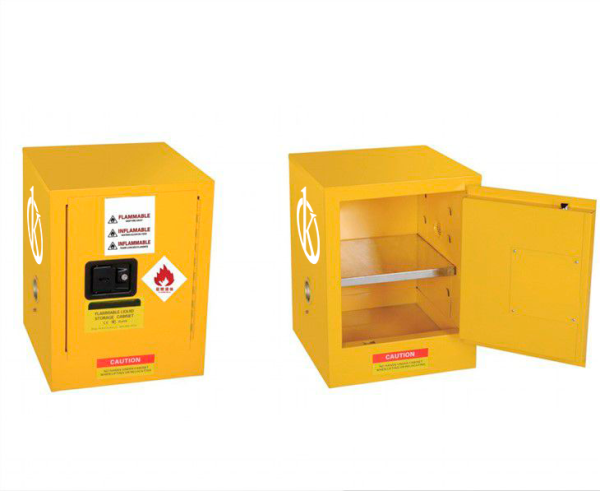
In all workspaces where substances such as cytotoxics and drugs are handled and stored, it is important to have good safety furniture that protects you at all times. Storage cabinets make sure to protect the contents of them from any danger or accident, since working with liquids and delicate substances, is even more so.
Ultrasonic Cleaner: What are the different types that exist?
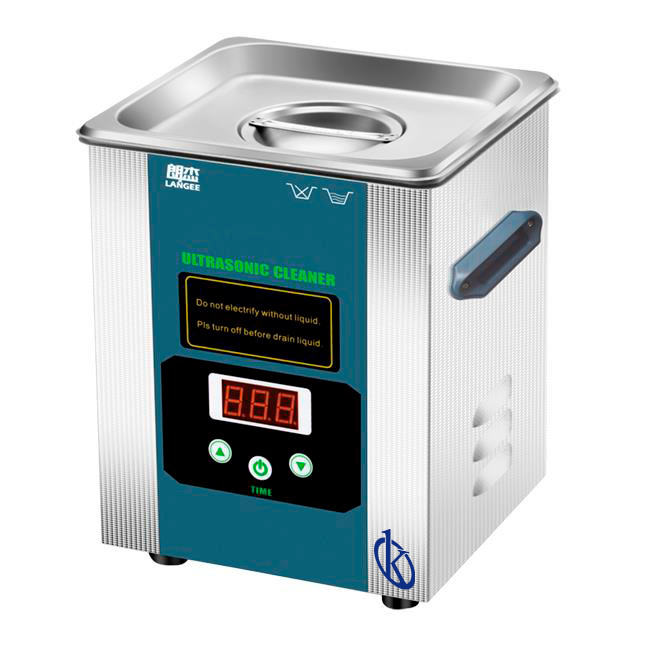
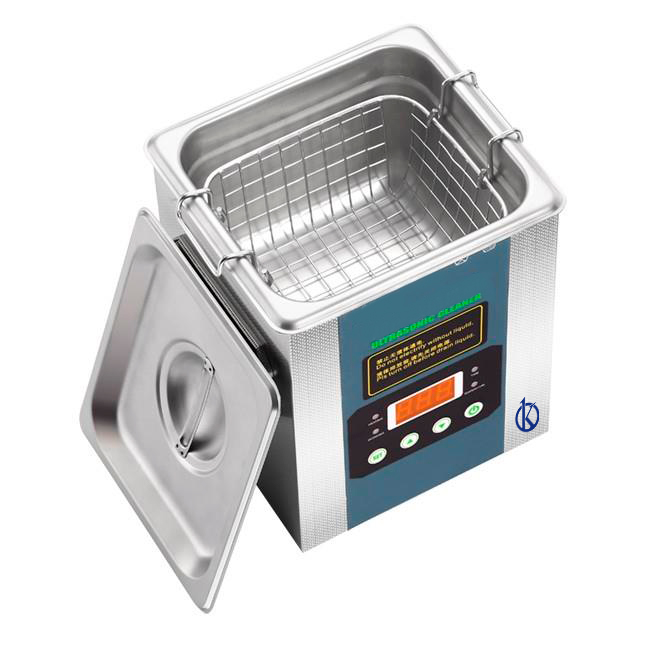
This equipment has a really amazing utility, not only in medical or aesthetic centers, but in the home; since its main function is to leave free of dirt and contamination metal instruments, both medical material or our keys of home and vehicle, owning an ultrasonic cleaner makes life easier and prolongs the life not only of the instruments but of your own health, currently with the appearance of highly dangerous viruses, it is indispensable to own a equipment such as the ultrasonic cleaner.
Use of Ultrasonic Cleaner for Mechanical Parts
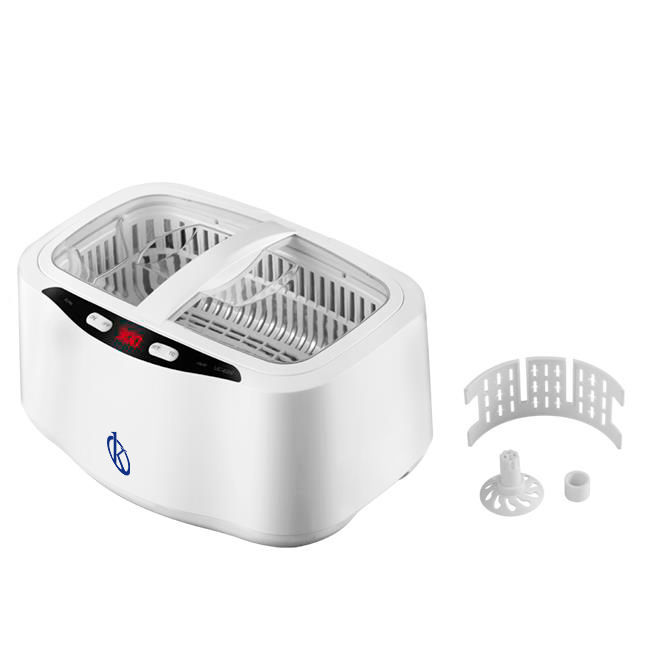
In the ambition to succeed, develop and popularize new applications, ultrasonic cleaning equipment has been manifested, and incorporated into the market, with which to improve the efficiency of specific cleaning treatments aimed at the evolution of the ecological concept of washing facilities and without renouncing the efficiency of chlorinated, chlorinated and brominated solvents, through the use of hermetic machines that guarantee the maximum efficiency in their function of degreasing and the safety of the non-emission of toxic vapors to the environment.
What are the Advantages of Ultrasonic Cleaner for Home Use
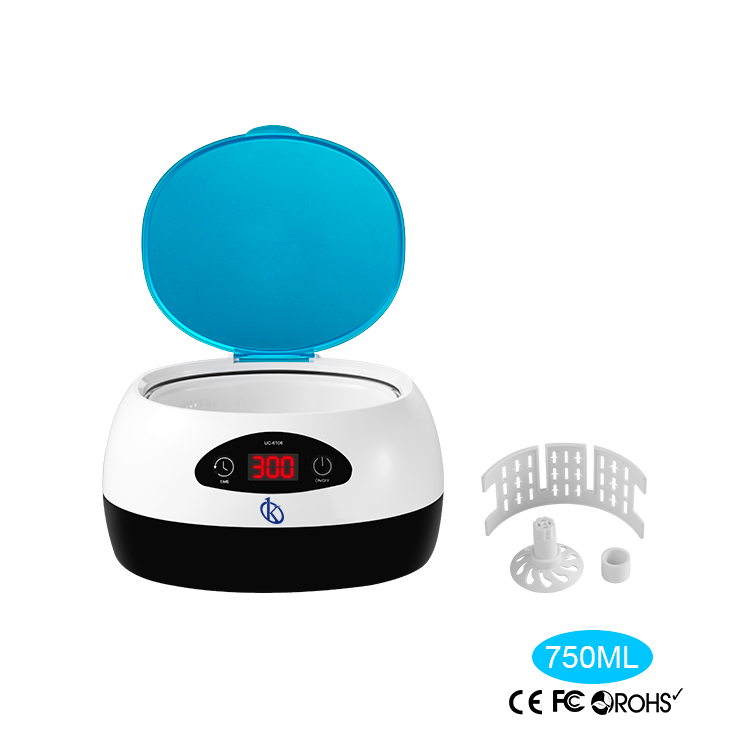
The ultrasonic cleaner is a device designed for disinfection of any material, through high frequency sound waves. These waves cause a high energy cavitation and during this process, millions of tiny bubbles are formed that implode releasing an enormous amount of energy and shock waves, reaching even the smallest and most unattainable holes. Anyway, in a manual cleaning process.
Use of Ultrasonic Cleaner for Mining Equipment Maintenance
The Ultrasonic Cleaner is a device designed to clean all types of parts and amplifies their productive content, without damaging or leaving traces of dirt in any of the possible cavities. This means of cleaning, acts by longitudinal frequencies produced in the liquid in which the pieces are immersed.
Home Security Storage Cabinets: How do they work?
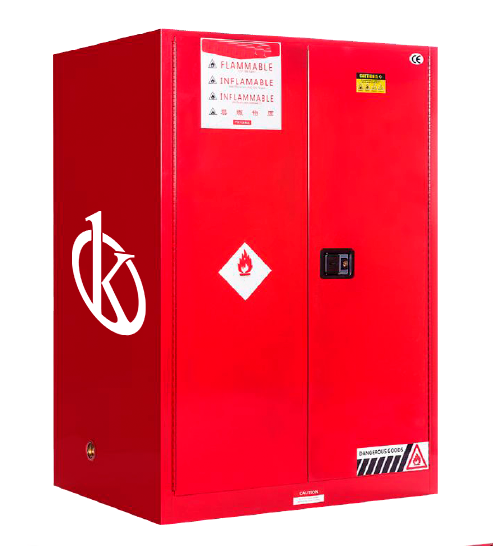
Generally, chemicals are used in most households, and keeping them out of the reach of children is a priority for every housewife. The inadequate storage of these materials symbolizes a great risk for people and the environment. Therefore, storage cabinets help protect, classify each chemical, reduce risks and ensure personal and environmental safety.
Ultrasonic cleaners and veterinary medicine
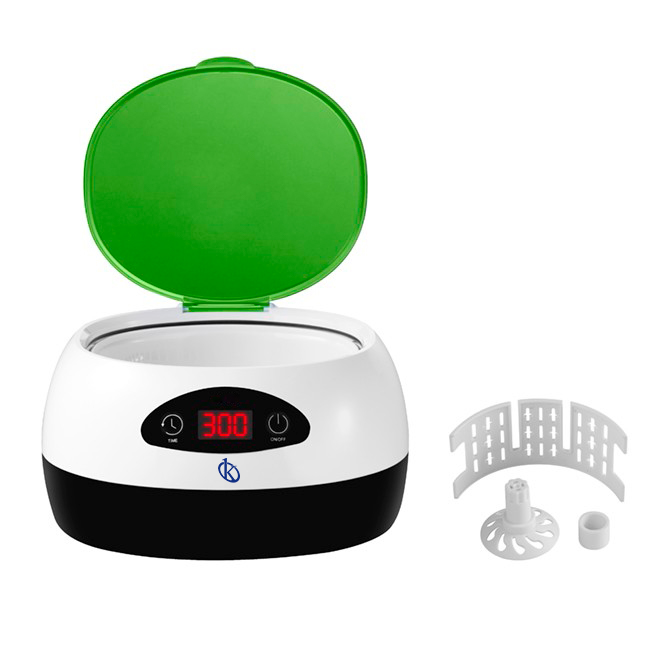
In the practice of veterinary medicine, various medical procedures are performed, both in the field and in offices. These routines include scheduled and emergency consultations, laboratory diagnoses, ambulatory surgeries and others requiring hospitalization, among others.
How does the ultrasonic cleaner for Gynecology work?
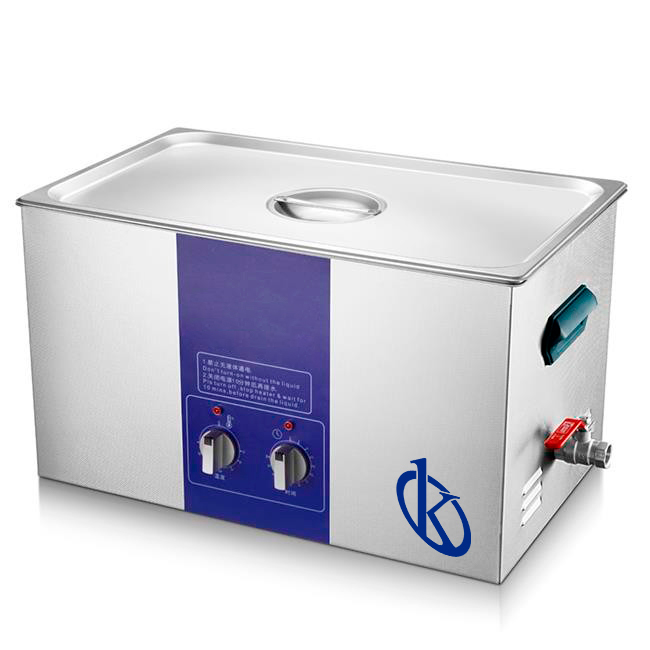
General gynecology is the medical specialty responsible for the health of the female reproductive system and provides comprehensive care for women’s health throughout their lives. In the practice of gynecology, infections and issues related to the uterus, vagina and ovaries are treated.
Sterilization of tattoo materials with the use of ultrasonic cleaners
During tattooing, there are risks of infection with various microorganisms transmitted through the blood. Tattoo needle entry into the skin, may introduce a variety of microbes if the needle has not been sterilized.