
Horizontal autoclaves with drying and without drying, uses
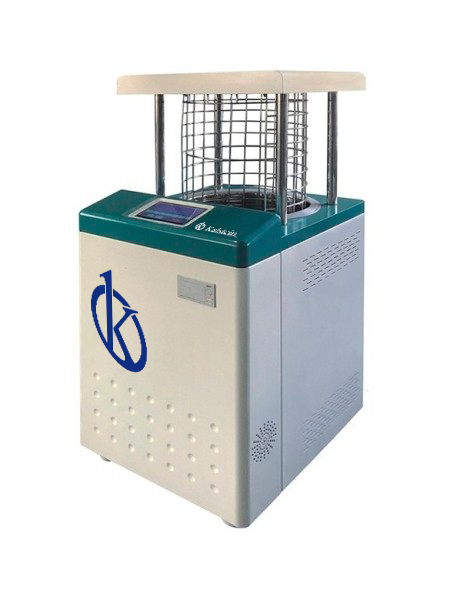
These models of horizontal autoclaves are used in large-scale sterilization applications, specially designed to sterilize surgical equipment and instruments, in addition to having other uses depending on the industry where they are used; of this type of autoclaves we can find with drying and without drying, each with certain characteristics and medical and industrial uses.
Autoclaves: What types of water should I use?
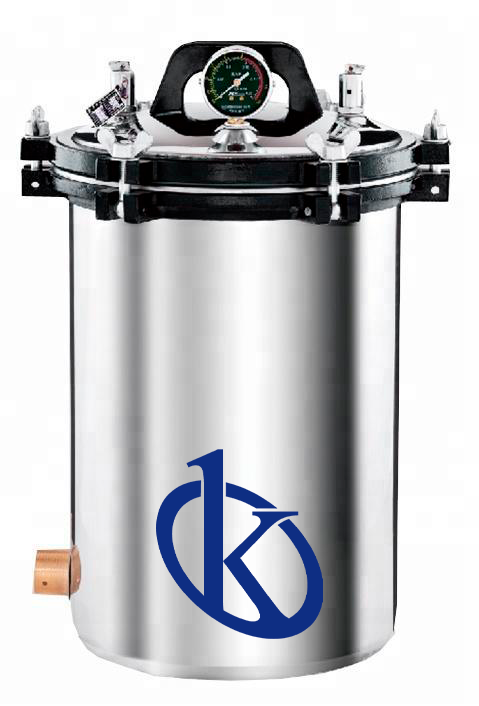
An autoclave is a piece of equipment that allows the sterilization of medical, dental and laboratory material, using steam under pressure and temperature as sterilizing agents. This makes it possible to eliminate any trace of viruses, bacteria, fungi and spores in the materials, liquids or solids that are placed inside.
What is an autoclave and what is it for?
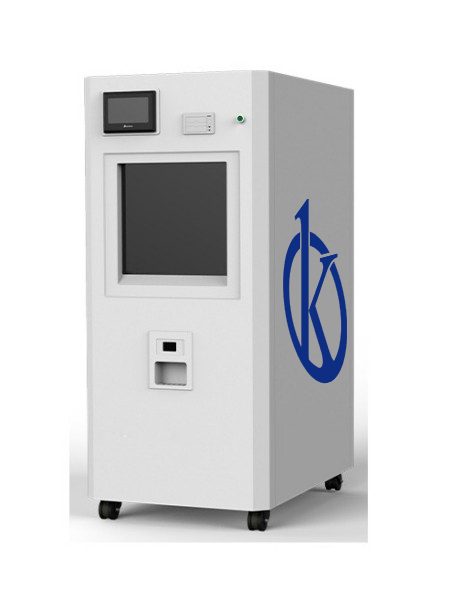
An autoclave is a thick-walled metal container with a tight seal that allows working with high-pressure, high-temperature water vapor, used to sterilize medical or laboratory equipment. This computer is capable of inactivating most viruses and bacteria. The autoclave was invented by Charles Chamberland in 1879.
Autoclave and SARS-CoV-2
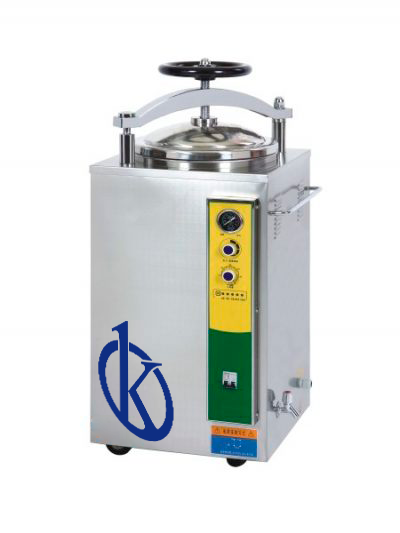
Autoclaves are essential equipment in the health sector since the sterilization process is carried out through them, using steam at high pressure and temperature, thus eliminating microorganisms such as viruses, bacteria, fungi and spores.
Dental autoclaves: types and uses
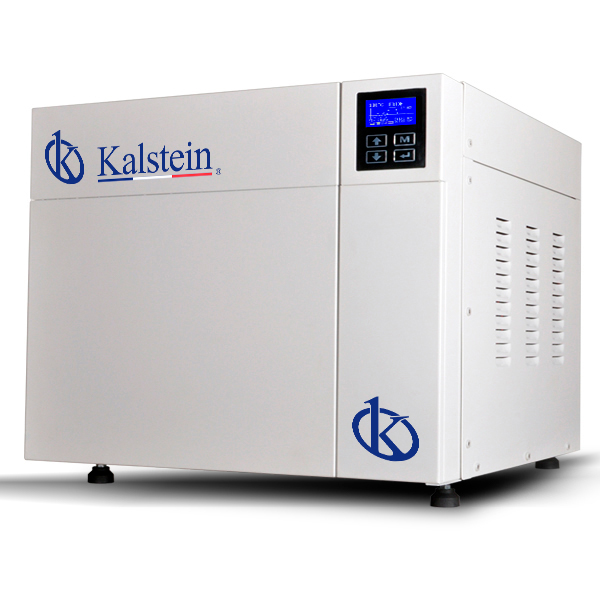
Autoclaves are essential equipment in the health sector since the sterilization process is carried out through them, using steam at high pressure and temperature, thus eliminating microorganisms such as viruses, bacteria, fungi and spores.
What is an autoclave with drying?

An autoclave is essentially a pressure vessel that uses steam pressure as a sterilizing agent. By increasing the pressure (above atmospheric pressure) the steam can reach higher temperatures. The additional pressure increases the boiling temperature of the water. Actually, about 20 ° C more. This effectively increases its heat content and its ability to kill. This comes from its latent heat of evaporation.
What are the differences between: PH Meter, Ion Meter and Conductivity Meter?
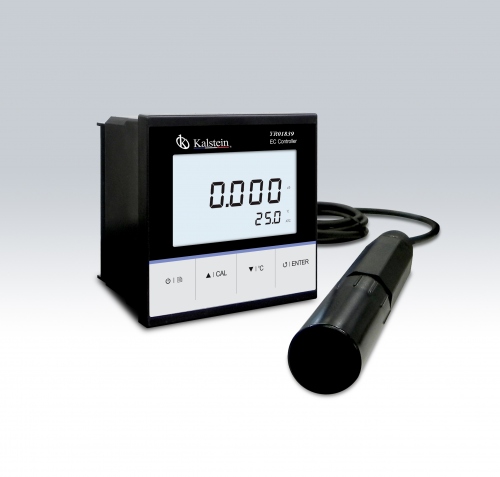
Firstly, measuring instruments are important and fundamental in laboratories, they are equipment that are created to provide a solution to professionals, for monitoring their activities.
How do I use a conductivity meter?
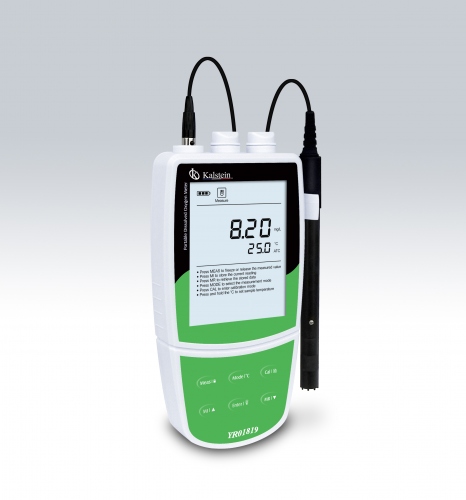
A conductivity meter is a laboratory equipment, which allows measuring the amount of electrical current or conductance of a solution, in other words, allows knowing the conductivity (electrical charge) in water body, parameter of utmost importance in the evaluation of the general health of natural water bodies.
Ion and Conductivity Meters: Differences
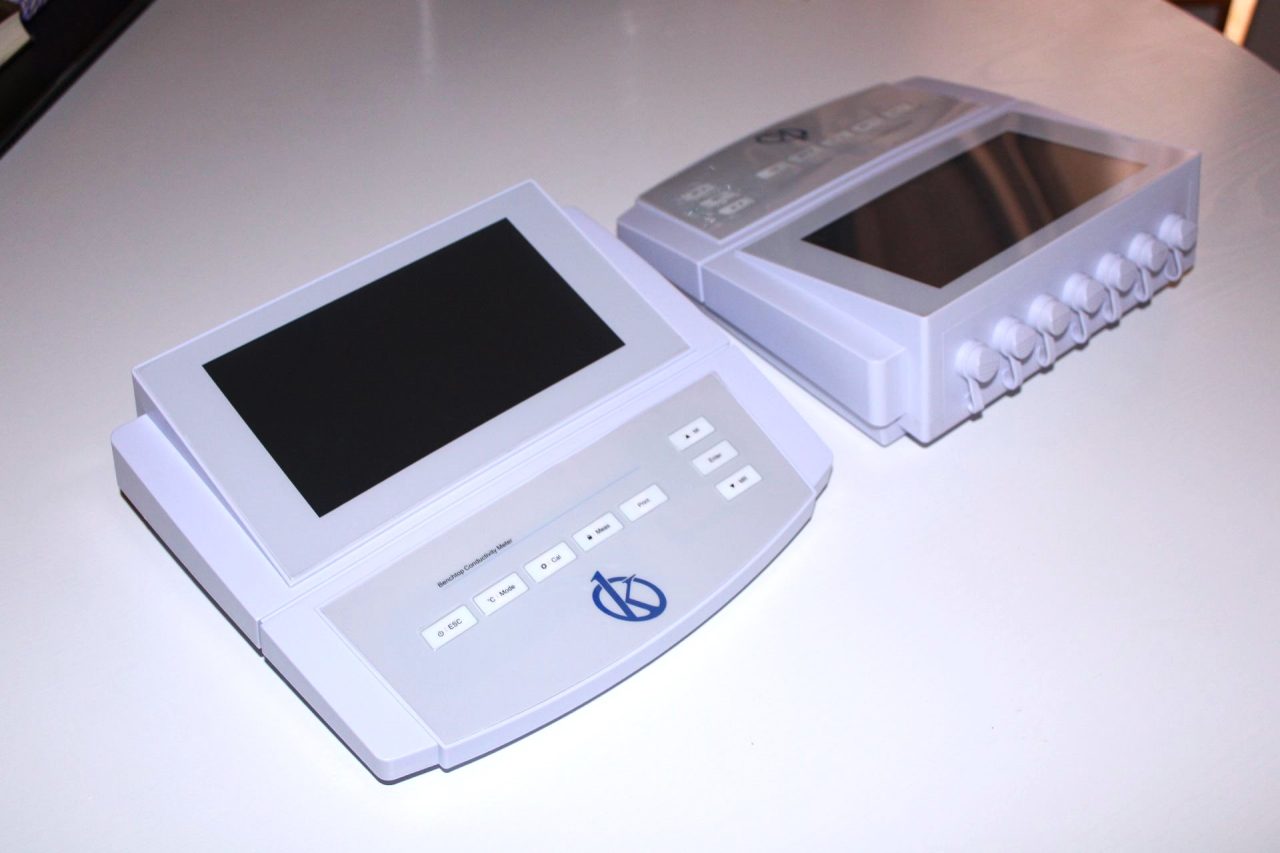
Today’s ion meters are based on the ion-selective electrode technique. These are measuring instruments that have a sensitive membrane capable of measuring ionic activities. That is, they measure the concentration of a given ion in a solution using both a sensing electrode and a reference electrode.
Conductivity meter or conductivity meter: How should he be employed?
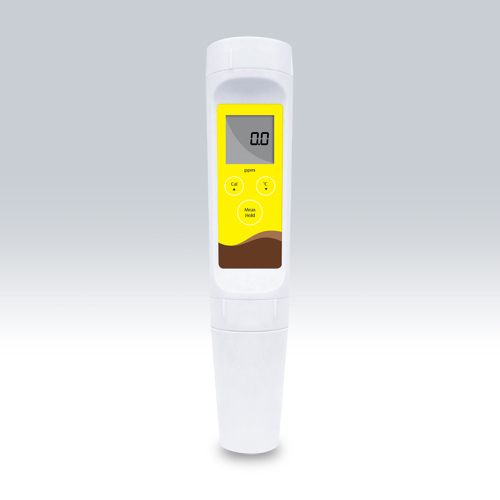
A conductivity meter or conductivity meter is a device used to determine the electrical conductivity of the ions in a solution. This is achieved because this equipment applies an electric field between two electrodes and performs a measurement of the electrical resistance in the dissolution.