
Care and maintenance of an infusion pump
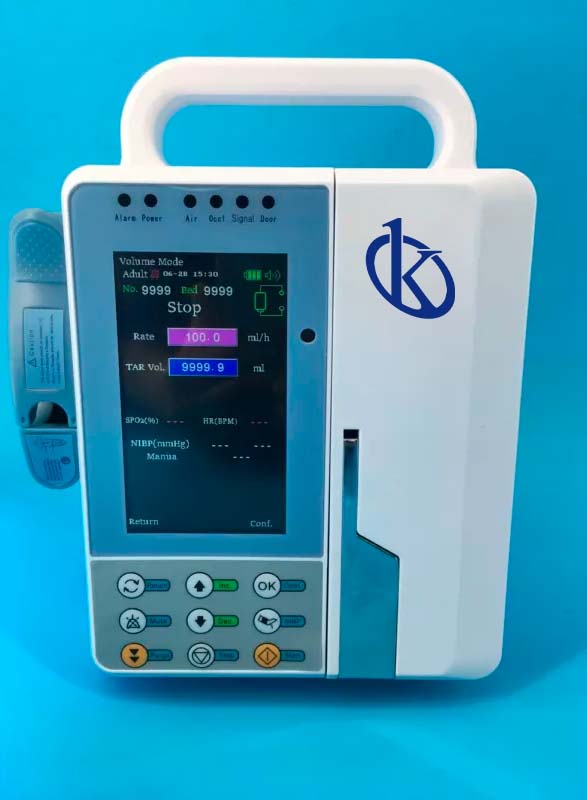
An infusion pump is a medical equipment used in clinics and hospitals to mobilize fluids such as solutions, drugs, blood and blood derivatives through a connector into the patient’s circulatory torrent, thus facilitating precise parenteral administration of drugs and solutions.
What are the benefits of using an infusion pump?

Infusion pumps are medical devices that allow fluid to be delivered to the patient’s body in controlled quantities at the right time. What allows liquids for medical purposes in very small volumes, and by the program they have included has the ability to administer these liquids at very precisely programmed speeds and even at automatic.
How should an infusion pump be used?
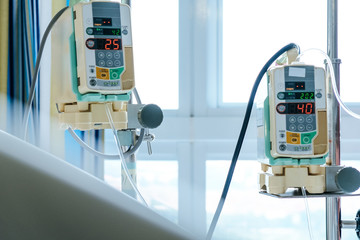
Nowadays, thanks to technological development, operating rooms are equipped with a series of equipment that have become essential for the different procedures that are performed in these places. Among these equipment we can mention infusion pumps, medical equipment used especially in the induction and maintenance of total intravenous anesthesia, but also in the administration of drugs necessary for the patient while in the operating room, since these devices
What are the uses of an infusion pump?
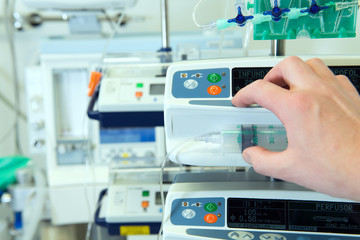
An infusion pump is a medical device that is used to move the fluids used in medicine (solutions, drugs, blood) through a tube into the patient’s vascular system, allowing more accurate management of the fluids used by doctors. This is why it facilitates the parenteral administration of drugs and solutions, and they are mainly used in conditions where precision and a constant…
How does an infusion pump work?
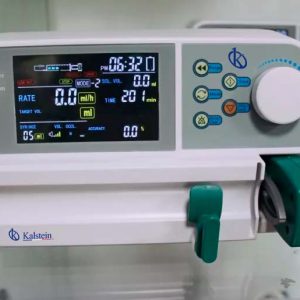
An infusion pump is medical equipment that works by producing mechanical pressure in order to move fluids through a tube into the patient’s vascular system, allowing fluids to be administered with more precision. These kits facilitate the parenteral administration of drugs and solutions, and are used especially in situations where precision and a constant contribution of the drug or drug are essential.
Infusion pumps, types and uses
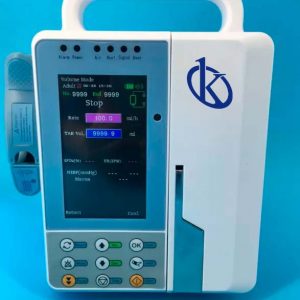
Infusion pumps are medical devices that are used in order to generate mechanical pressure to move a fluid through a tube towards the patient’s vascular system, thus allowing the administration of medicinal fluids with more precision. This medical equipment plays a fundamental role in the technological devices that are used in a surgical operation, especially in the induction and maintenance of total intravenous anesthesia, but also in the administration of necessary medication for the patient while he is in the operating room in the operating room…
Incubators in a laboratory and their different applications
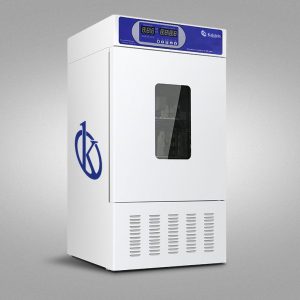
A laboratory incubator is a specialized device that has the property of maintaining a space with stable controlled conditions, through the regulation of parameters such as temperature, humidity, oxygen and CO2. Among its main applications are:
Incubators: application in cell and microbiological cultures
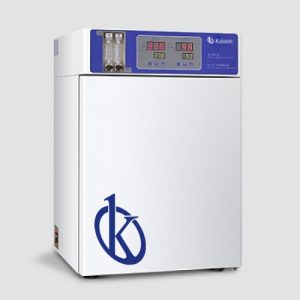
Incubators are laboratory equipment used to maintain and grow microbiological cultures or cell cultures, regulating viable growth factors such as temperature, humidity and ventilation.
What is a BOD incubator?
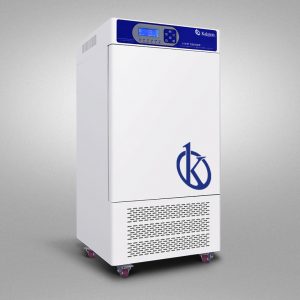
A BOD (Bio-Oxygen Demand) incubator is a type of laboratory incubator that is used in order to maintain temperature for cell culture growth, bacterial culture storage and incubation where a high degree of constant temperature accuracy is required. Kalstein’s BOD incubators provide precise conditions and uniformity throughout the chamber. They are essential to a large number of experimental works focused on cell biology, microbiology, and molecular biology.
Laboratory incubators – advantages
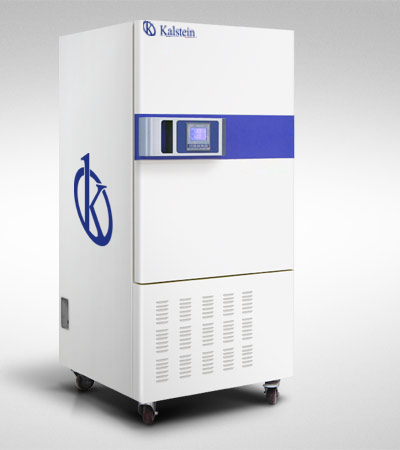
The incubator is a team that uses various means of heat transfer and environmental control, to obtain conditions under which specialized laboratory procedures can be performed. In general, they have a system of electrical resistors that are controlled by devices such as thermostats or microprocessed controls. As for heat transfer systems, incubators basically use natural or forced conduction and convection.