
How does electrophoresis work?
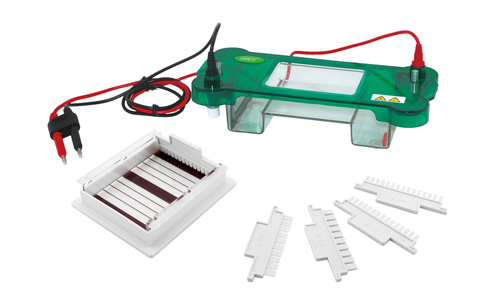
Electrophoresis is an analytical method in which a controlled electric current is used to separate biomolecules according to their size-to-electric charge ratio, using a jellylike matrix as the base. When a mixture of ionized and net charged molecules are positioned in an electric field, they undergo an attraction force toward the pole with opposite charge, allowing time elapse the positively charged molecules move toward the cathode (negative pole) and those charged positively move toward the anode (positive pole).
What is electrophoresis?
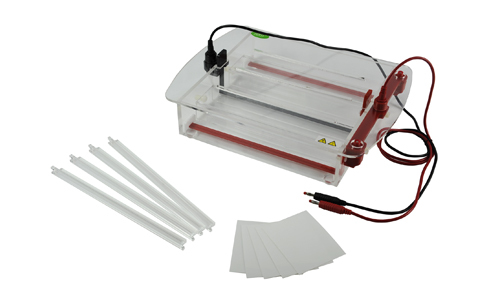
Electrophoresis is an analytical method in which a controlled electric current is used in order to separate biomolecules according to their size-to-electric charge ratio, using a jellylike matrix as the basis. This technique has a variety of practical uses, including forensic medicine for human identification, the human genome project, research for proteins and genetic mutations, and clinical diagnostic tests.
What is the function of an operating table?
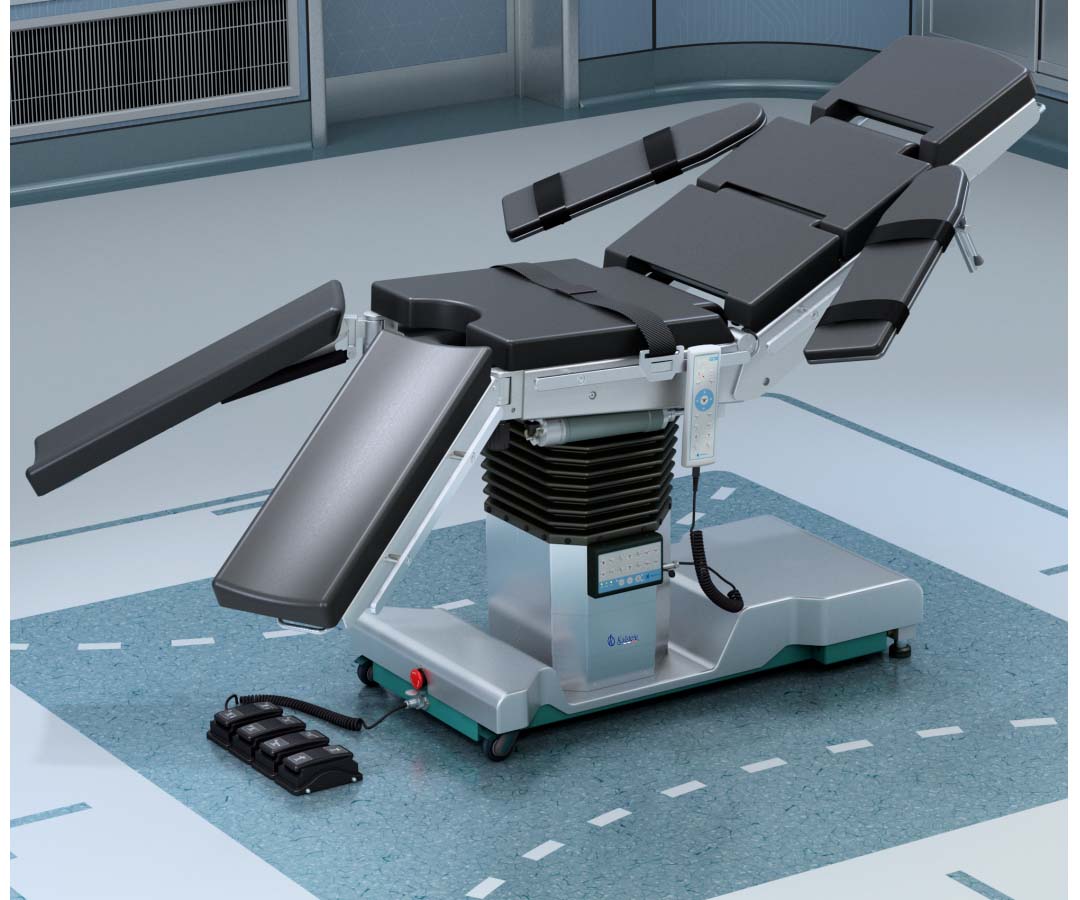
An operating table is a medical team that meets a series of precise rules, whose function is to position the patient during a surgical procedure, it has specific standards for the desired clinical position. It consists of a platform divided into sections, where the patient can sit or lie down. It also has arms; a remote control that adjusts the patient’s positions relative to the surgeon, table tilt and height; and other accessories that contribute to the stability of each position.
Types of operations and application tables
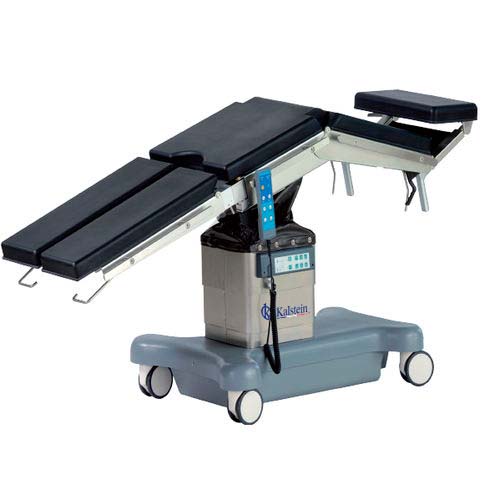
Operating tables are specialized operating tables used in operating rooms to position the patient during a surgical procedure, facilitating patient positioning during the various surgical procedures and allowing the surgeon good access to the surgical field.
Parts of an operating table
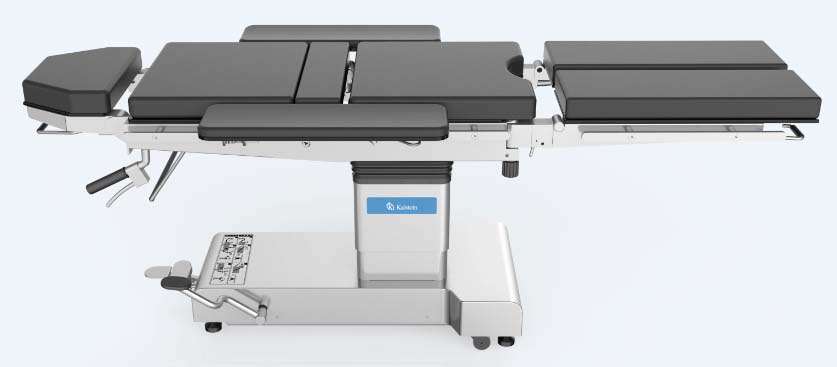
Operating tables, also called surgical tables, are used in the operating room to position patients during surgery. They consist of a main platform, on which the patient can sit or lie down and which can be divided into several sections
How do you split an operating table?
Operating tables, are used in all hospital units and are designed basically to exercise comfort to the patient, it is composed of a column, the top and the transporter, these tables can also be used for other specialized disciplines.
Who prepares the operating table?

The instrumentalist inside the operating room plays an important and essential role, his training must be constant and in accordance with the advances of medical technology, it must be marked by a strong technical element, but also ethical.
Ovens: dry heat sterilization
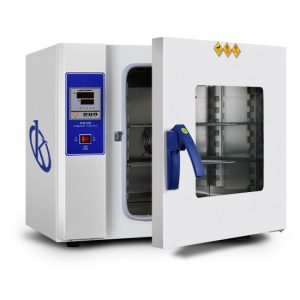
Hot air is one of the most commonly used dry heat sterilization methods. This process is carried out in the ovens, which allow the uniform distribution of heat inside, where the material is exposed to temperatures of approximately 170ºC for 2 hours.
Drying ovens, from simple to complex
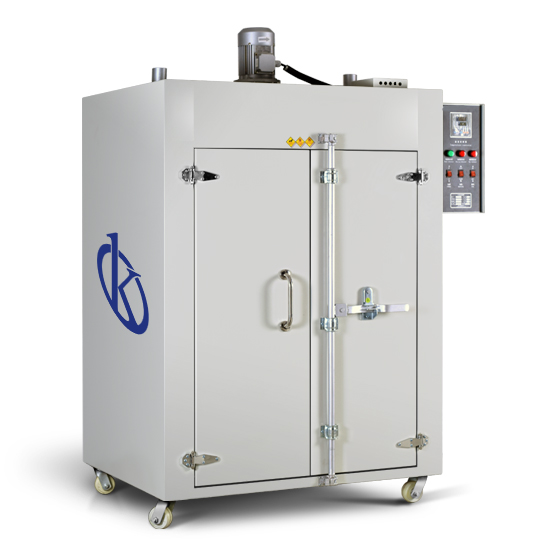
The drying ovens is a device used to dry and sterilize glass and metal containers in the laboratory. It is also identified by the name Drying Oven. Manufacturers have basically developed two types of ovens: those operating by natural convection and those operating by forced convection. The ovensusually operate between room temperature and 350 °C.
What considerations should you consider when using a drying ovens?
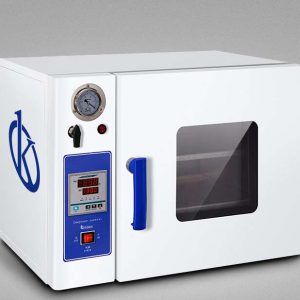
The drying ovens is a device used to dry and sterilize glass and metal containers in the laboratory. It is also identified by the name Drying Oven. Manufacturers have basically developed two types of ovens : those operating by natural convection and those operating by forced convection. The ovensusually operate between room temperature and 350 °C.