
What’s the use of a laboratory ovens?
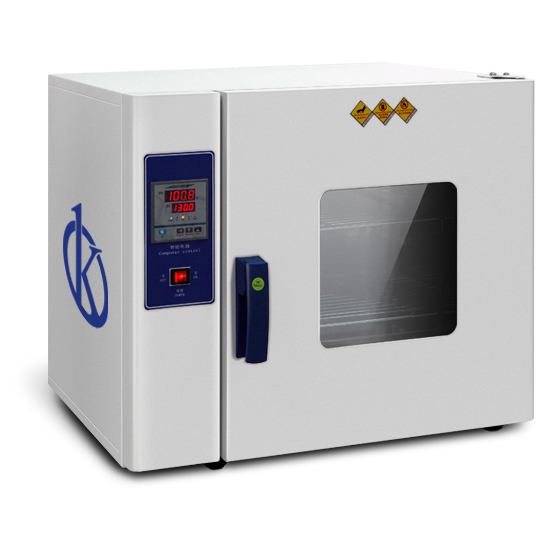
The laboratory ovens is an instrument used to dry and sterilize glass containers, which come from a laboratory wash. In other words, this chamber with cavity, which will have a higher temperature than the environment, will remove all moisture from the metal or glass container.
Types of laboratory ovens
The laboratory ovens or drying ovens is equipment used to dry and sterilize glass and metal containers in a laboratory. It is also known as a drying oven. They work between room temperature and 350°C. Usually these equipments are made of stainless steel, both on the outside and inside, this gives them a high durability. In addition, they have a microprocessor that ensures a uniform temperature and allows digital graduation.
Laboratory ovens, which to choose?
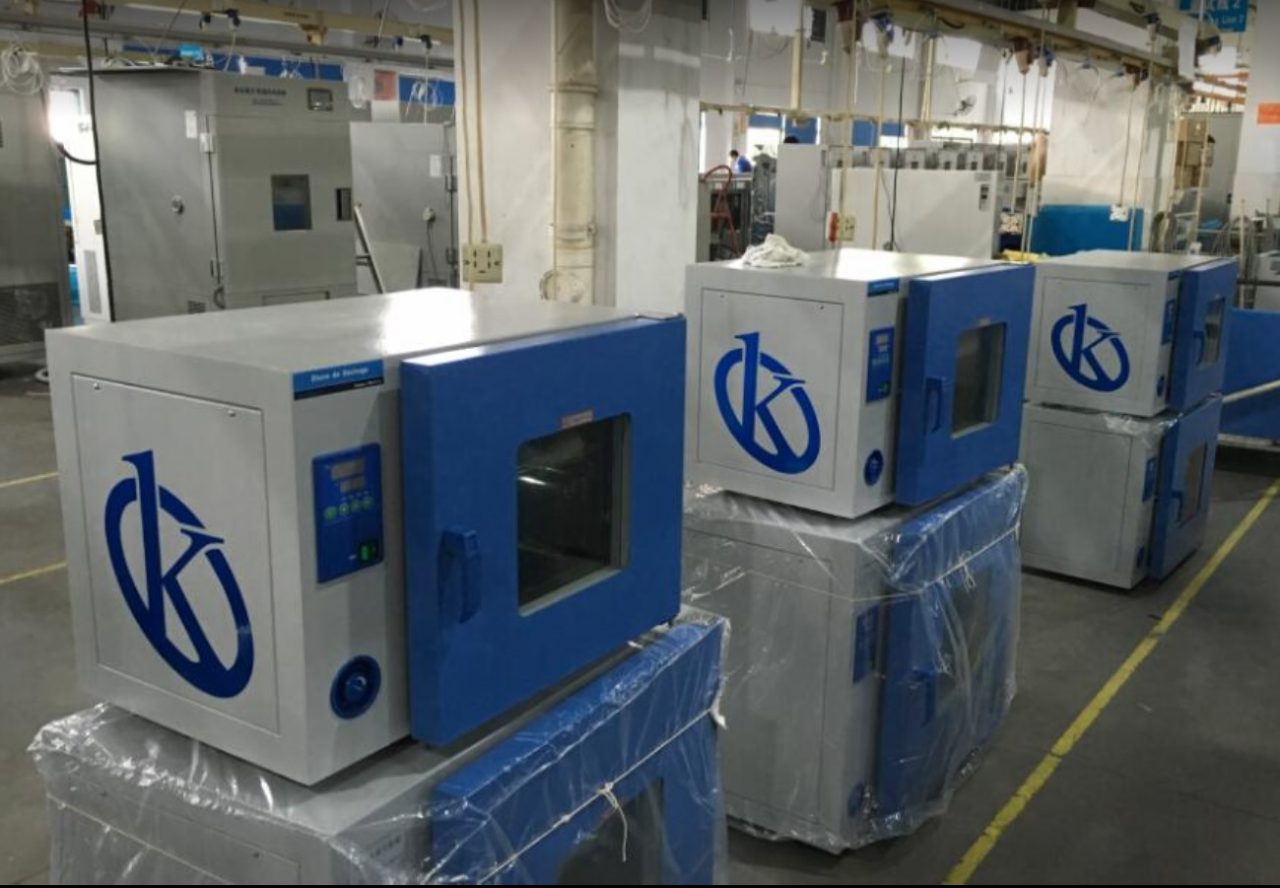
Among the great variety of equipment needed to carry out the many activities of a laboratory, we can highlight the use of the ovens or drying and heating ovens, basic equipment that are often used quite often.
How does a natural convection ovens work?
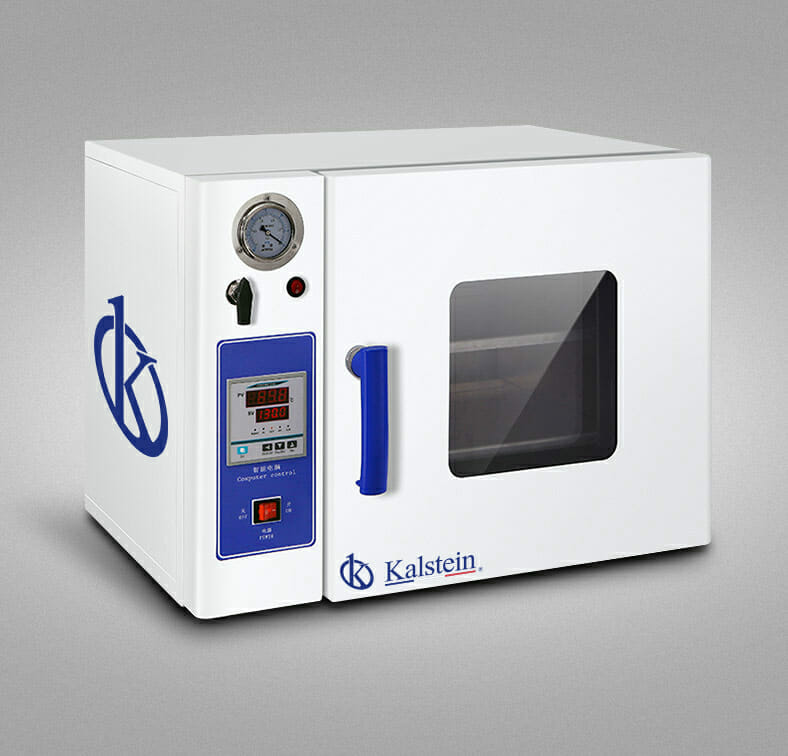
A laboratory ovens by natural convection is one that extracts air from the environment in which the ovens is located. So it transmits heat in a uniform way throughout the equipment creating a natural air circulation.
Main differences between a laboratory ovens and a laboratory incubator
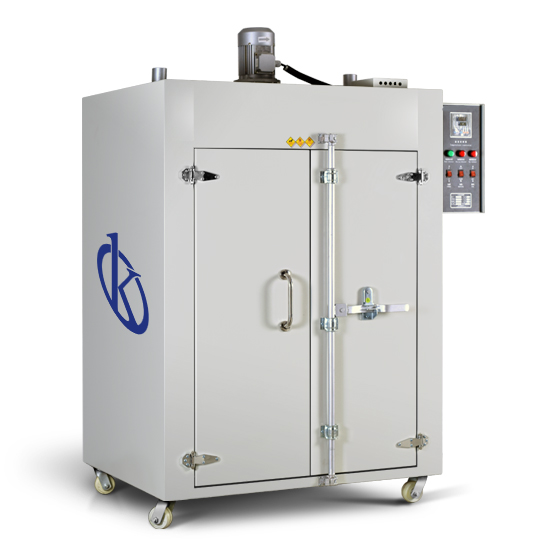
Among the great variety of equipment needed to carry out the many activities of a laboratory, we can highlight the use of ovens and laboratory incubators, basic equipment that are often used quite often. Although laboratory ovens and incubators may look the same and generate heat as per user settings, they differ in many factors that make them suitable for their specific function.
Care and maintenance of a phototherapy incubator
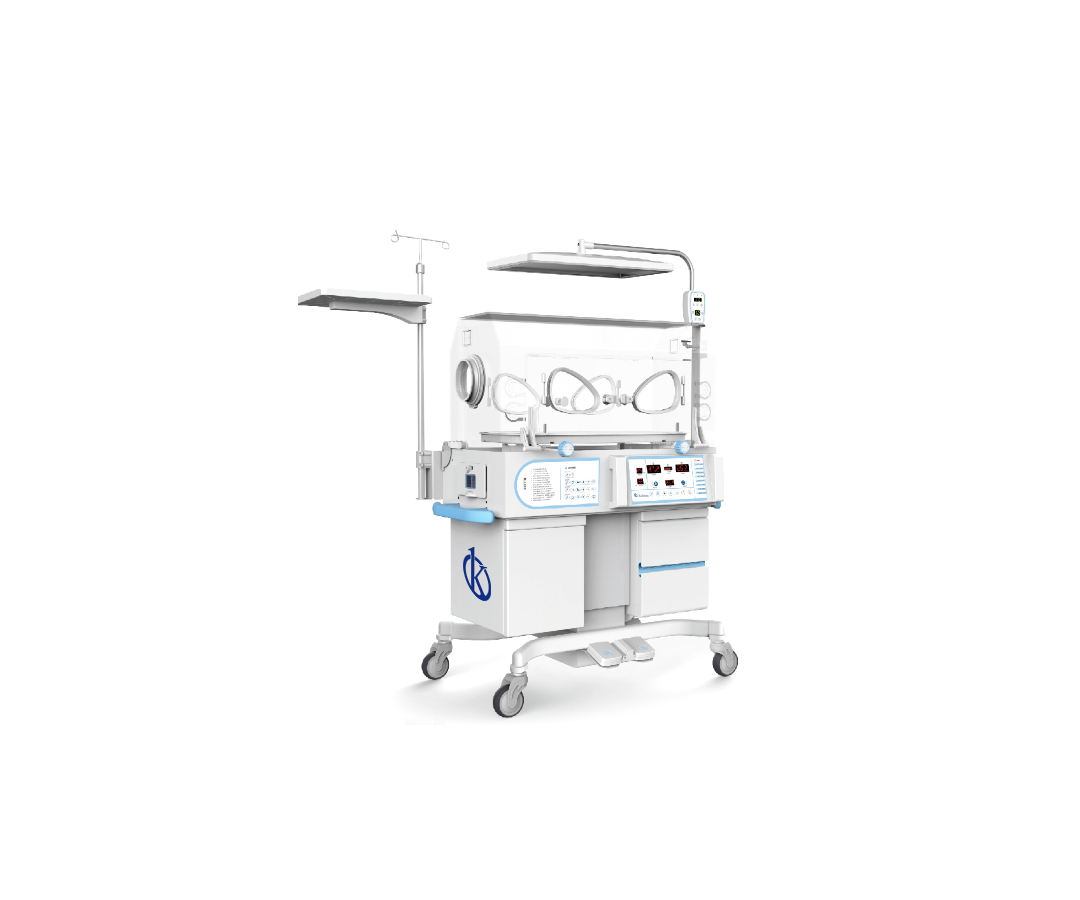
Phototherapy incubators are medical equipment designed to manipulate the newborn without removing him from the incubator, allowing other actions involving: isolation, oxygen supply and monitoring of vital functions, as well as applying phototherapy, where light emitted by special lamps is used, to treat neonatal jaundice, and thus reduce the effects of neonatal hyperbilirubinemia.
Neo-Natal Incubator And Different Types Of Phototherapy
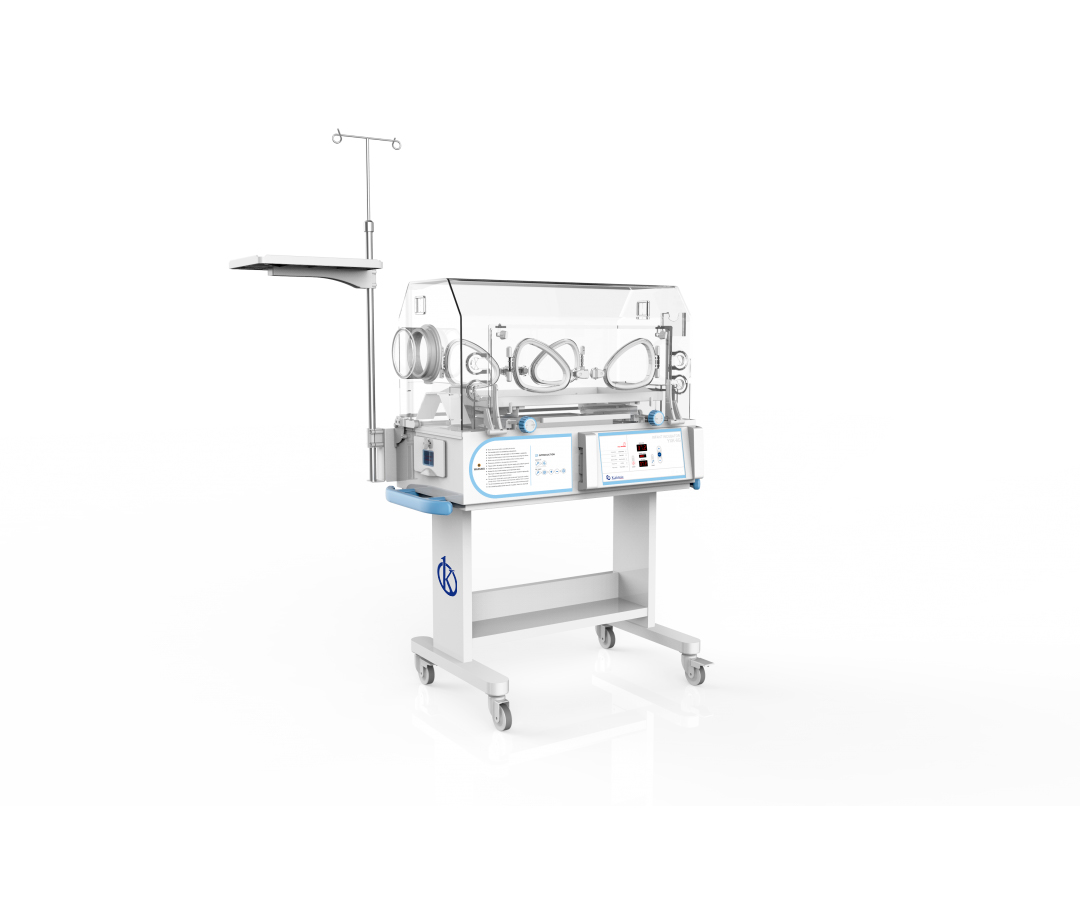
This type of device is intended to offer the full-term or premature newborn a warm and safe environment, where its vital signs can be monitored, to maintain a temperature that keeps it stable; in some cases when the blood of the baby and the mother are different, jaundice occurs in the newborn, needing special attention, through phototherapy, and all KALSTEIN incubators are conditioned for this.
What Does a Neonatal Incubator Do?
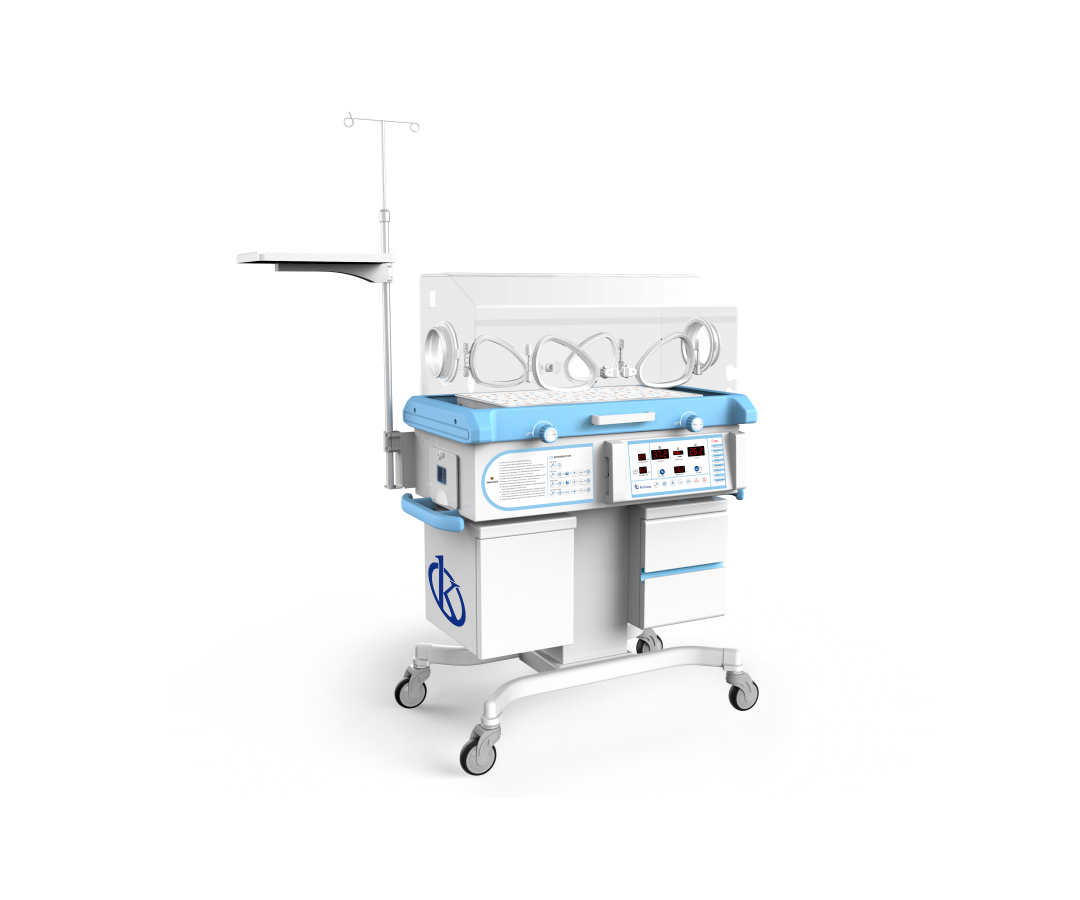
Neonatal incubators provide the newborn with a flow of hot air, through a fan or a turbine that takes it from the outside and passes it through a temperature measuring device, passing over a water tank used to moisten the air towards the patient. It is composed of the compartment for the neonate, transparent walls, mattress, platform, rolling base and control module, where all the parameters that will control the temperature are located.
Neonatal incubator with phototherapy
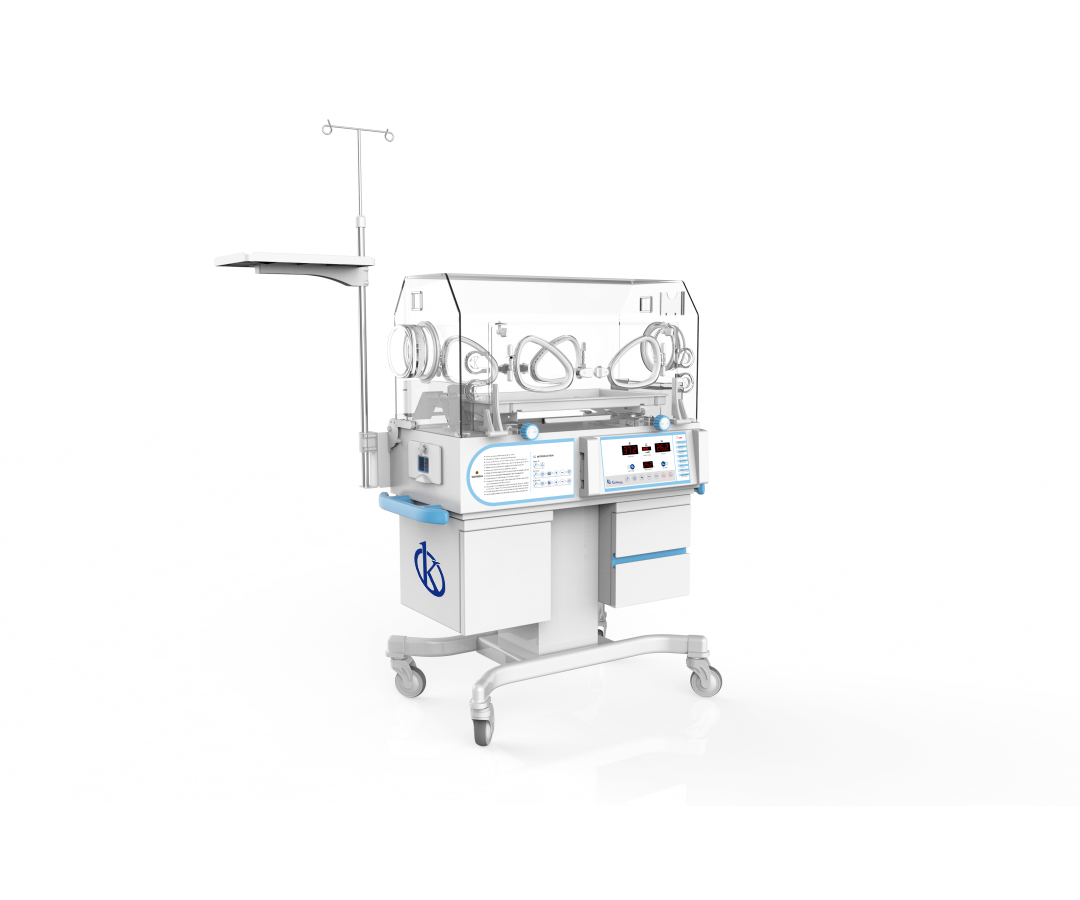
The neonatal incubator with phototherapy lamp is a device used to give life support, isolate and provide warmth to the newborn. In addition to providing optimal conditions for the care of neonates who are not prepared for extrauterine life, this type of incubator specializes in the treatment of hyperbilirubinemia in neonatal patients with jaundice.
How is a phototherapy incubator used?
A phototherapy incubator is a specialized medical team that provides optimal conditions for the care of newborns who are not prepared for extrauterine life, and who suffer neonatal hyperbilirubinemia, clinical picture that leads to a condition known neonatal jaundice. This type of incubators have units of phototherapies, equipment composed by specialized lamps that allow to apply light therapy to treat hyperbilirubinemia, in addition to provide life support, isolate and provide heat to newborns.