
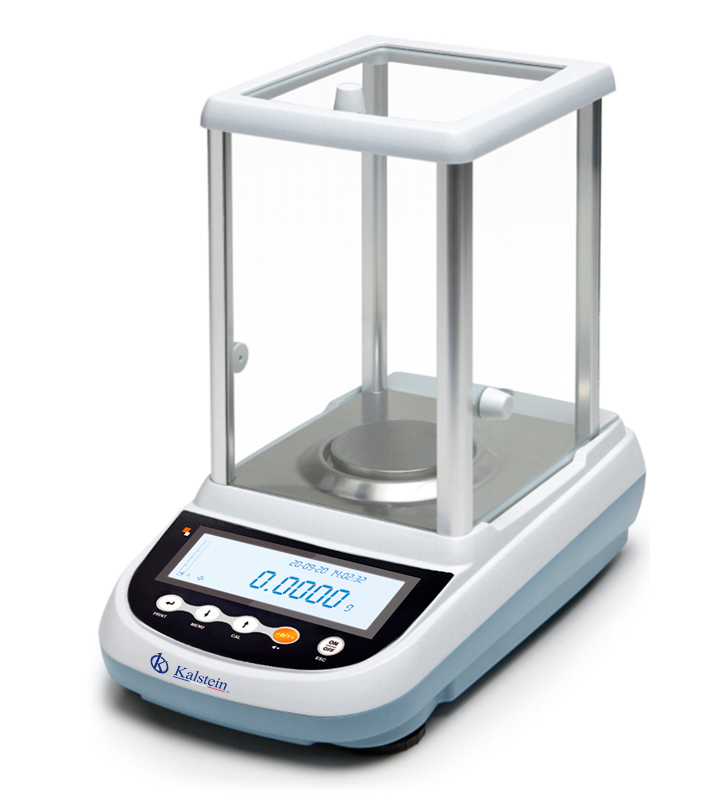
The use of the Analytical Balance to develop vaccines against Covid-19
The health event that has marked the population globally has undoubtedly been the COVID-19 pandemic, and the virus that has caused it, SARS-Cov-2 and its variants. The disease can complicate people’s respiratory system to the point of collapse, sometimes causing death.
What technology do real-time thermocyclers use?

A real-time thermo-cycler is a device that simultaneously accurately regulates thermal cycles so that the DNA chains are multiplied by the polymerase chain reaction (PCR), while incorporating a technology that allows the reaction to be tracked. To achieve the latter purpose, the thermocycler is incorporated with a fluorometer, which is made up of an excitation source, absorption filters, a radiation detector and the electronics needed to process electrical signals and transform them into digital signals suitable for computer equipment.
What is a thermal cycler?
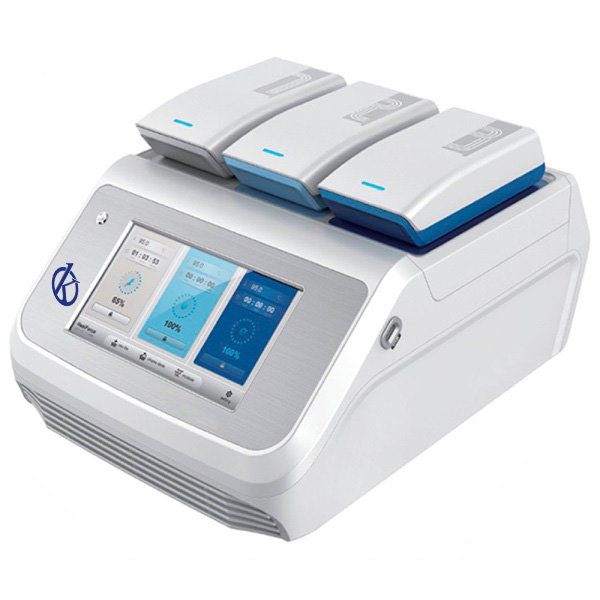
The thermal cycler is a device that allows the polymerase chain reaction (PCR) efficiently and quickly; by means of the automatic and cyclical realization of the temperature changes that are required for the amplification of a deoxyribonucleic acid (DNA) chain; from a thermostable enzyme.
Thermocycler: How many types are there?

The thermocycler is a laboratory molecular biology team that allows the polymerase chain reaction (PCR) efficiently and quickly, by performing automatic and cyclic temperature changes required for the amplification of a deoxyribonucleic acid (DNA) chain, from a thermostable enzyme. The PCR technique allows a small amount of DNA molecules to be amplified many times, exponentially.
Thermal cyclers: Care and recommendations
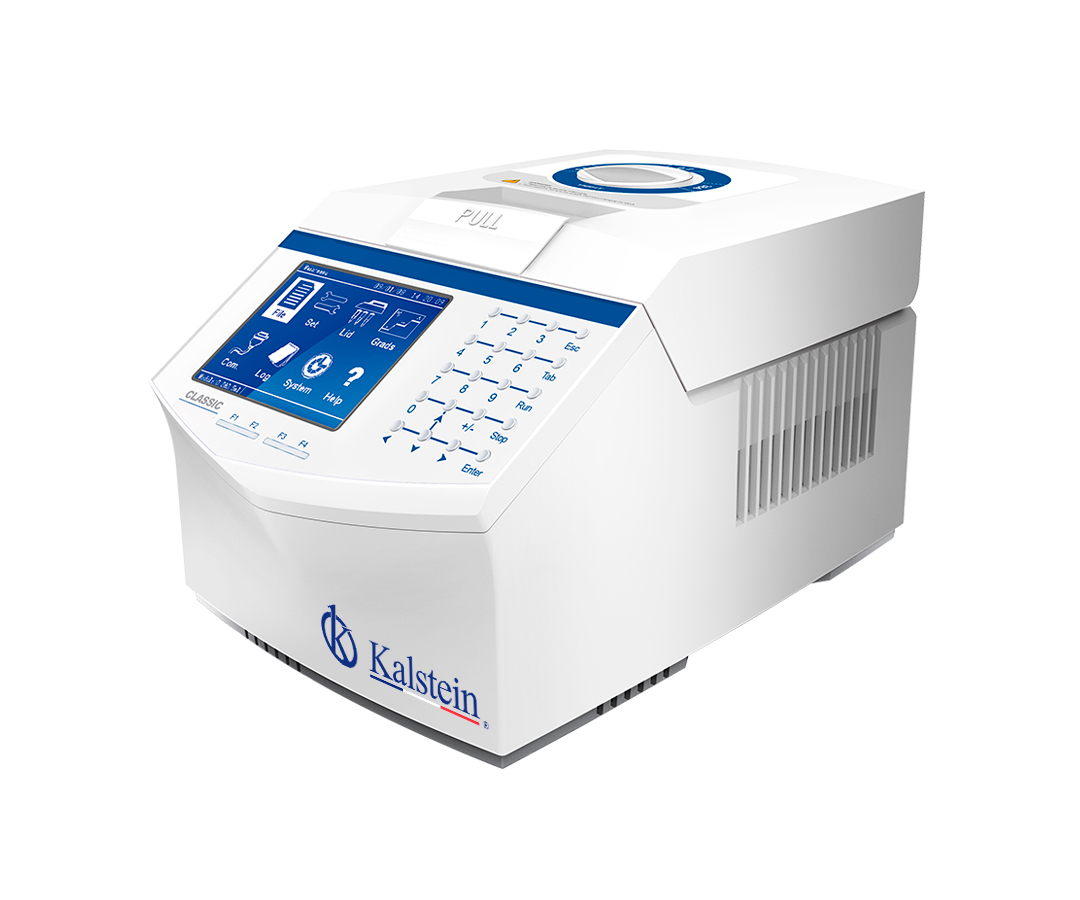
Thermal cyclers or thermal sequencers are laboratory equipment, which allow to carry out the amplification of DNA molecules using the PCR (Polymerase Chain Reaction) technique, through cyclical changes in temperatures that in turn generate amplification. of strands of this nucleic acid. This equipment is used for qualitative amplifications or even to quantify the amount of amplified DNA, since it is designed to change the reaction temperature every few minutes, making denaturation and DNA synthesis possible.
Real-time thermocycler: How does it work?

A real-time thermocycler is a molecular biology equipment widely used in the laboratories of this specialty. These devices carry out the polymerase chain reaction in real time (qPCR), that is to say they allow carrying out the PCR and at the same time they can absolutely quantify the product of the amplification.
Real-time thermocycler: what is it used for?

Real-time thermal cyclers are equipment used in various areas of molecular biology, capable of applying temperature changes that make it possible to carry out the three steps of the PCR reaction in a cyclical manner, describing this process as follows: DNA denaturation , alignment or binding of the primer with the complementary DNA sequence and chain extension.
What are the criteria for selecting your ideal thermo-cycler?
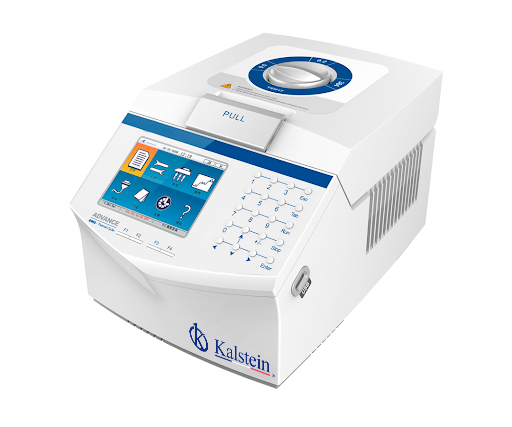
Thermocyclers are very important equipment and used in the laboratories of the branch of Biology and Medicine, especially in Molecular Biology, this is because of the function they have. This equipment is based on the realization of temperature cycles that allow to extend the strands of DNA, this reaction is known as polymerase chain reaction or PCR.
Thermal Cycler Protocols (PCR)
A thermal cycler is a laboratory equipment that allows to carry out the polymerase chain reaction (PCR) efficiently and quickly, by means of the automatic and cyclical realization of the temperature changes that are required for the amplification of a chain. deoxyribonucleic acid (DNA), from a thermostable enzyme. PCR enables a small number of DNA molecules to be amplified many times, exponentially.
What are the differences between Bacticinerador and the Lighter?
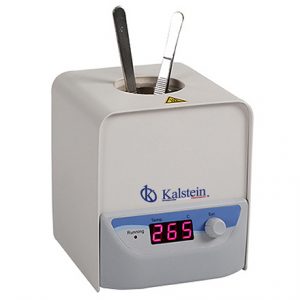
Currently, lighters are applied in laboratories around the world, for the sterilization of flasks. However, through the integration of sterilizers such as the Bacticinerador, their functions are different and they are in charge of disinfecting the handles for microbiological tests, besides being modern and has been relegating the Burner Bunsen to the role of an auxiliary medium, although still with great presence in the laboratory practices of many academic disciplines.