
What is histopathology?
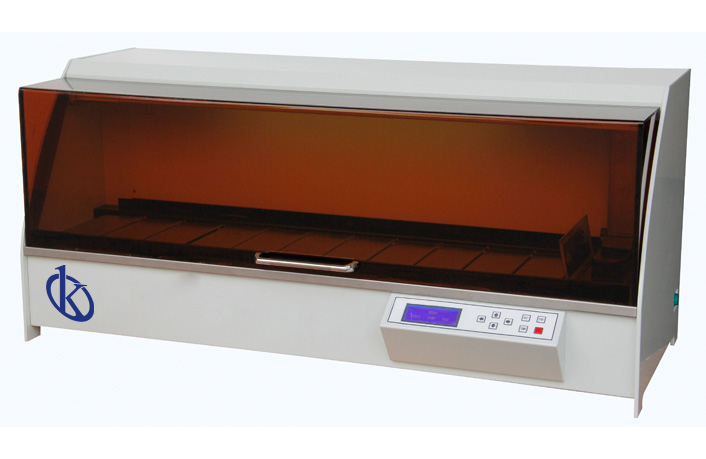
Histopathology is a branch of pathology that addresses the diagnosis of diseases through the analysis of tissues, integrating both their macroscopic and microscopic characteristics. It plays a leading role in clinical diagnosis since the analysis of the morphology of the cell allows to determine with greater precision the pathological alteration that affects the tissue and, therefore, to reach an accurate diagnosis.
In a pathological anatomy laboratory: what is the function of a tissue inclusor?
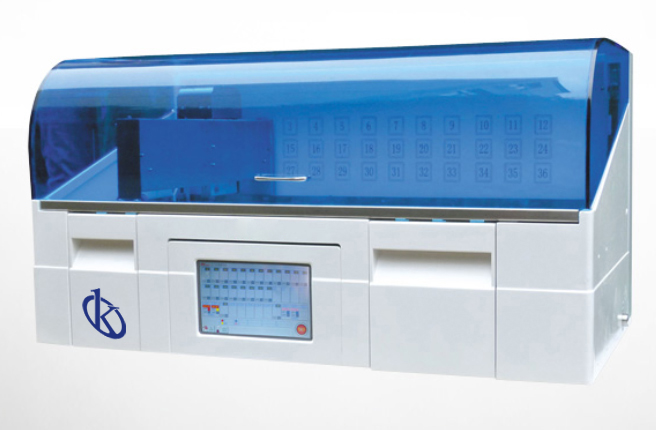
The performance of the equipment of tissue inclusor, is used for the integration of paraffin as standard method in the production of tissue blocks, to cut it into sections. This procedure is performed using an inclusion center, surrounding the tissues with a medium such as paraffin wax, which when cooled and solidified, provides sufficient support for the section cut.
What is a flotation bath and cooling plate in pathological anatomy?
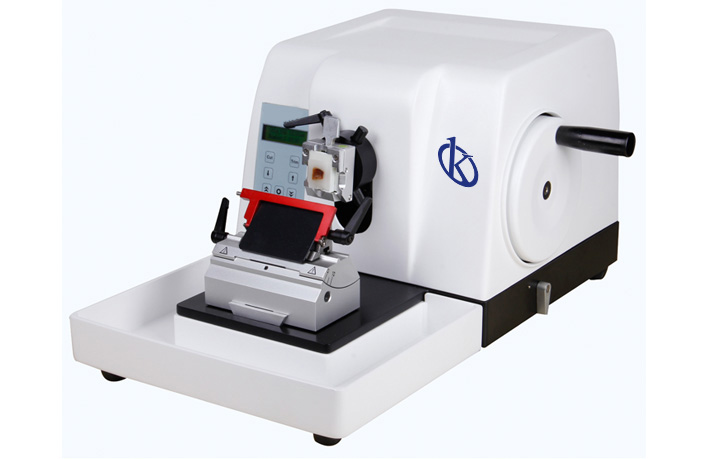
These equipment are part of the essential requirements in a laboratory of pathological anatomy, complement the services offered by labtech, these devices work with tissues, important samples in the processes of histology and pathology, each with a particular function, fulfilling a goal, improving the capabilities of the laboratory.
Warming blankets: How are they used?
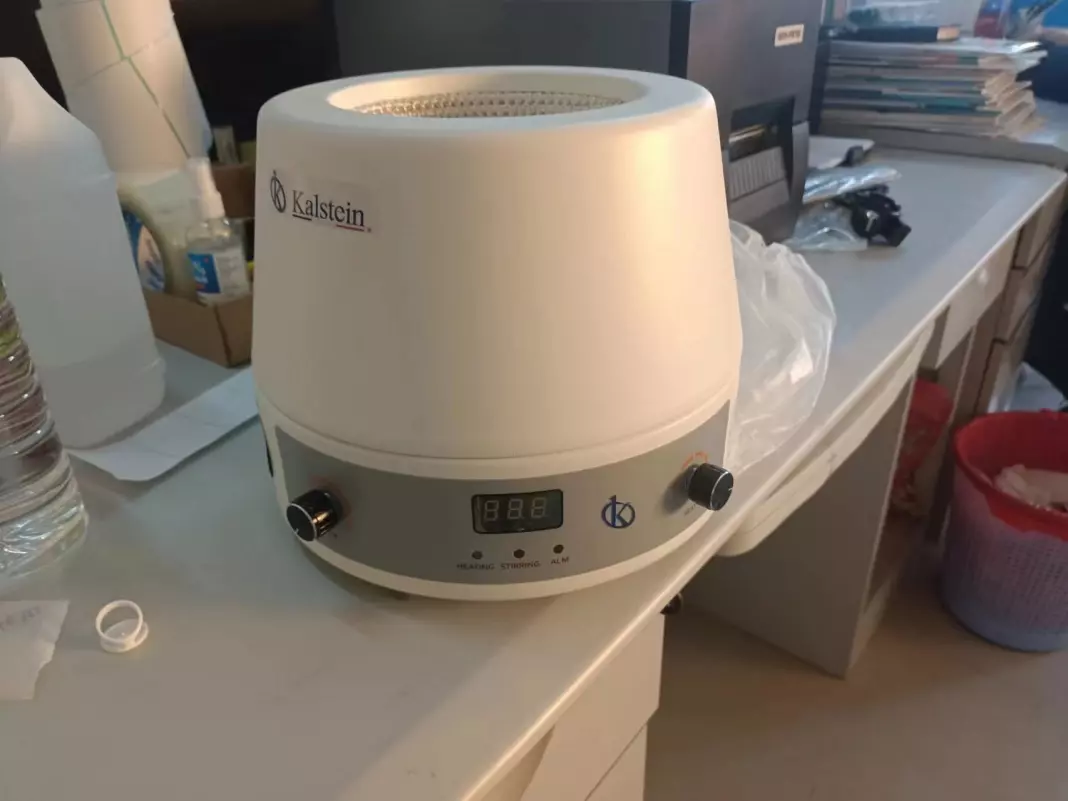
The heating blanket is a laboratory equipment that generates heat in an efficient, environmentally friendly, clean and safe way, making it an essential equipment, whether it is for technological, research or production applications. It is mainly used to heat or quench organic liquids placed in reaction kettles, round bottom flasks or reaction vessels for the boiling, evaporation, distillation or extraction process.
Types of warming blankets
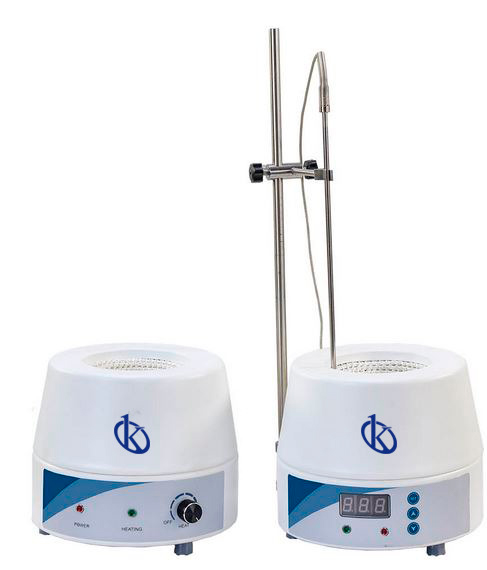
The heating blanket is a laboratory equipment used mainly in chemistry and biology laboratories, whose main function is to apply heat, evenly, to several containers with samples inside. This equipment is designed for use with difficult to position flasks and funnels and offers an alternative to thermoregulated baths.
Heating blankets and water bath: differences
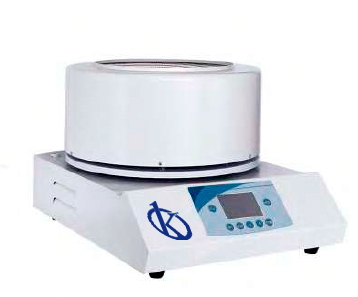
Heating blankets and water baths are laboratory equipment used in different areas and each one has its own distinctive characteristics and applications, which we will explain below.
What is a laboratory heating blanket?
The heating blanket is a laboratory device that is equipped with a flexible, insulated and comfortable heating device that allows containers or containers to be positioned inside them, without those made of glass running the risk of breaking.
Shaking heating blanket What is it used for?
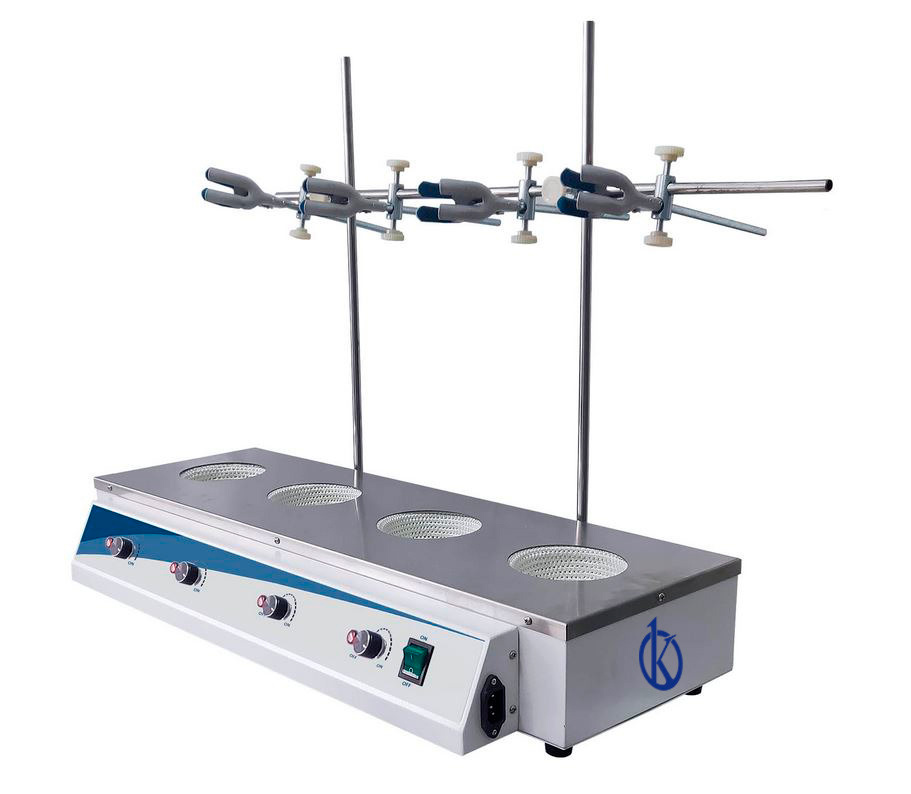
A shaking heating mantle is laboratory equipment equipped with a flexible, insulated and comfortable heating device that allows you to position, heat and mix containers such as round bottom flasks or balloons. Adapting to multiple processes that require temperature and agitation frequently used in laboratories.
Ball warm-up blanket: types and uses
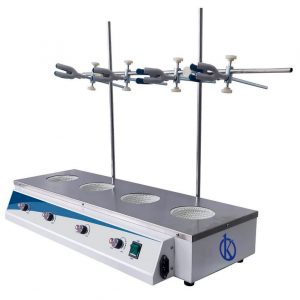
A balloon heating mantle is a laboratory instrument that allows you to position, isolate, heat and mix containers such as round-bottomed balloons. Adapting in this way to multiple processes that require temperature and even agitation frequently used in laboratories since they can also include this function as an accessory.
Warming blanket and measuring ball
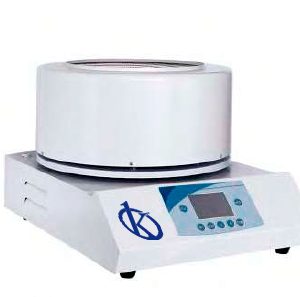
The heating blanket is a piece of equipment used in laboratories, to supply a certain stable temperature in a uniform and safe way to various containers, whose base is round. It is used mainly to provide stable temperature to volumetric or graduated balloons.