
Microwave Digester: how does it work?
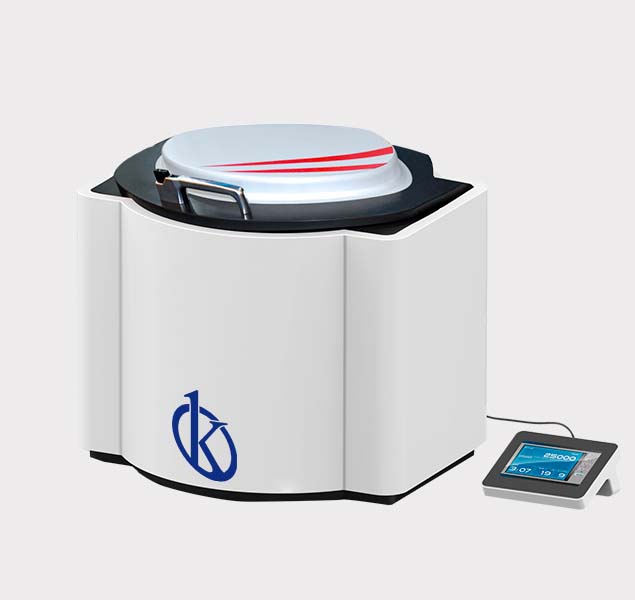
This equipment guarantees the preparation of samples for elemental analysis in analytical chemistry, performs a procedure where electromagnetic radiation is produced at a frequency of 2450 MHz; this makes it warm, where radiation penetrates glass, ceramic and plastic materials, while metals reflect this wavelength.
What is Acid Digestion for Metal Determination?
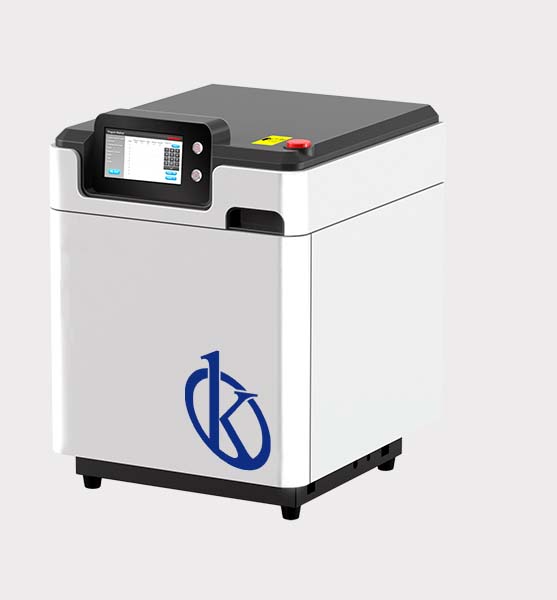
By using the techniques of atomic absorption spectrometry and microwave digesters, they comply with traditional methods for acid digestion, and are used for the development and preparation of samples, in order to obtain the analysis in liquid form.
What is a microwave digester used for?
The applications of this equipment are wide in different areas, generally used to mineralize solid samples from which information is obtained at elemental level through spectroscopic technique, so it is necessary that the sample is in liquid state, this apparatus is present in laboratories dedicated to the Environment, agriculture, food, plastics, petrochemical industry, geochemical industry, metals, ceramics.
How is a Sample Digested?
The digestion of samples is carried out through standard procedures for the preparation, by heating them, in transparent airtight containers, together with the acids necessary for the studies. For this, the Microwave Digestion equipment is used, where it applies usual parameters, such as temperature, which range between 220-240ºC, depending on the sample that requires to be subjected to heat, generating partial or complete degradation of the sample.
What is a Microwave Digester?
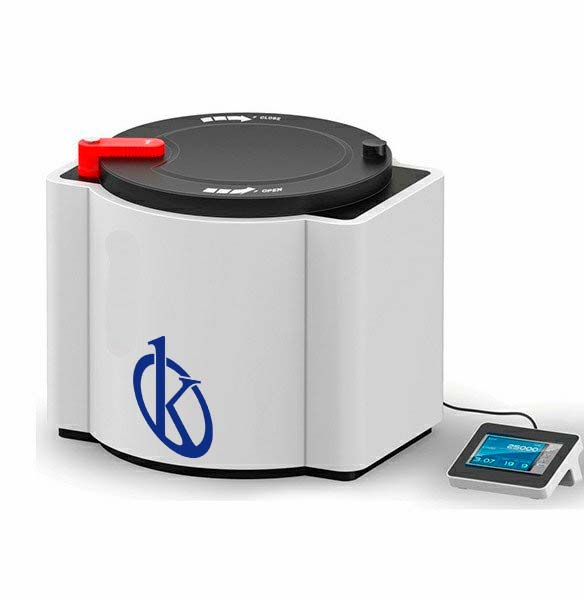
They are equipment that have a digestion system, which is used to mineralize the solid samples from which we want to obtain reliable information at elemental level, a spectroscopic technique is used, and requires that the sample to be examined is in liquid state, so if the requirements of the analyzes require preparing the sample for analyzes of food, textiles, dishes, wastewater treatments, cosmetics and other applications, you need a microwave digester, and undoubtedly the best and most reliable are the YR KALSTEIN series.
When do you need to use a laminar flow hoods and biological safety hoods?
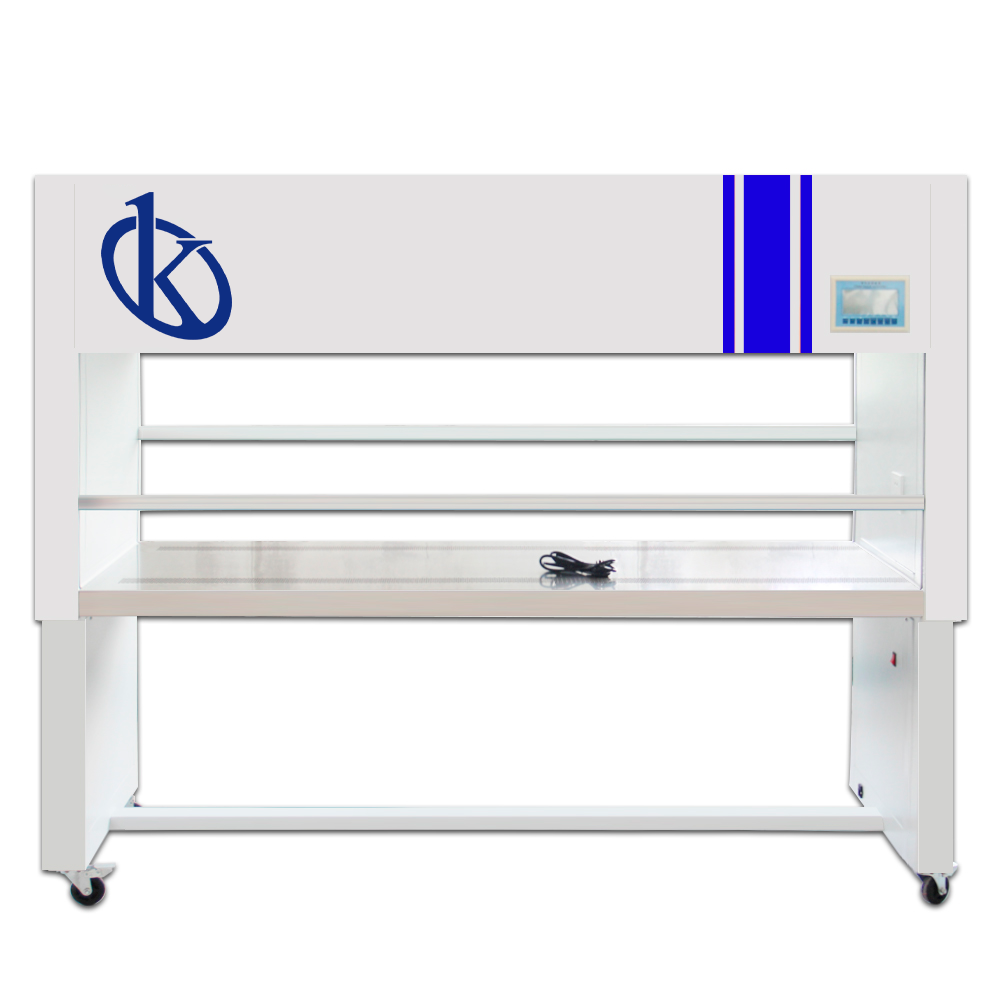
These equipment have specific functions within the field of laboratories, for different applications, it is important to keep in mind that you need in terms of your sample requirements, in order to select the correct hoods; In KALSTEIN we not only offer you the best hoods of quality and advanced technology, but we advise you regarding your requirements to be able to choose which one to buy, you just have to enter in https://kalstein.co.nz/ we are a company manufacturer of high-level laboratory equipment buy-sale.
Laboratory biosecurity cabinet: When should they be used?
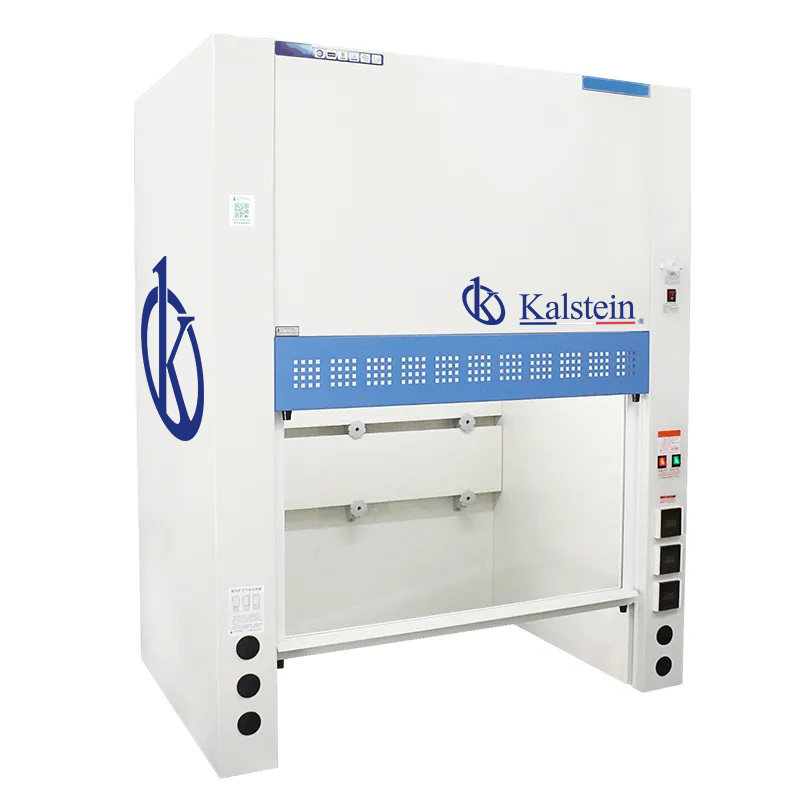
Biological safety cabinets are laboratory equipment that acts as ventilated enclosures designed to protect the operator, laboratory atmosphere and working materials from exposure to infectious spatter or aerosols that may be generated by handling material containing infectious agents. This means that laboratory equipment must be used when working with certain microorganisms, cytotoxic products or products that cause allergic reactions.
Laminar Flow Campaigns and Biological Safety?
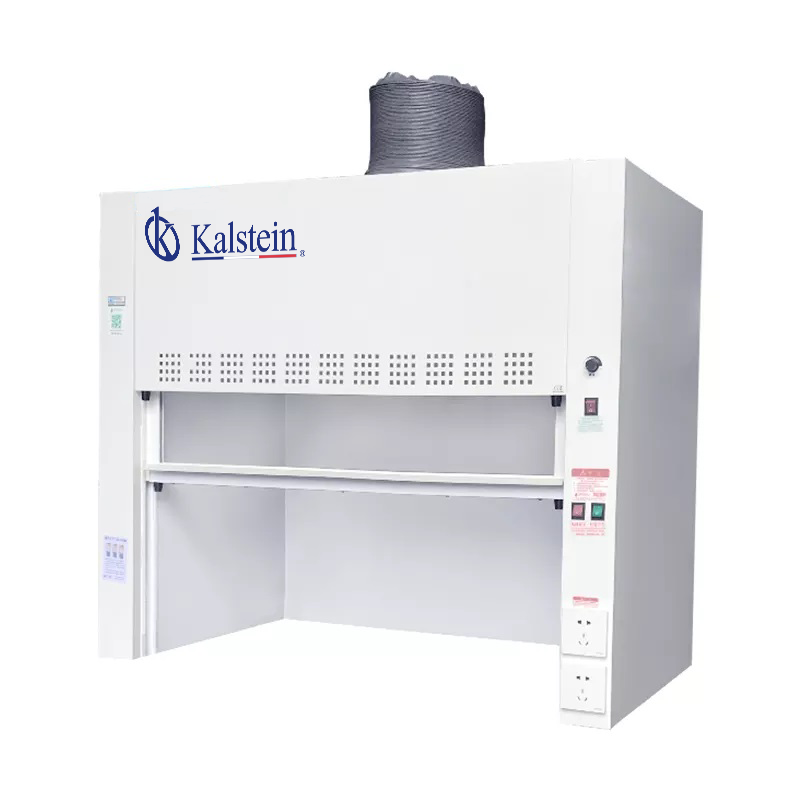
In professional practice and for many laboratory jobs, it is important to protect the product from pollution, whether from the environment or from personnel. When working with hazardous substances, it is necessary to protect the life of the operator, and to achieve this, laminar flow hoods are ideal, these allow to protect the product with which you are working. As well as biological safety, it preserves the product, the personnel and the environment.
Laminar Flow hoods, Why are they used?
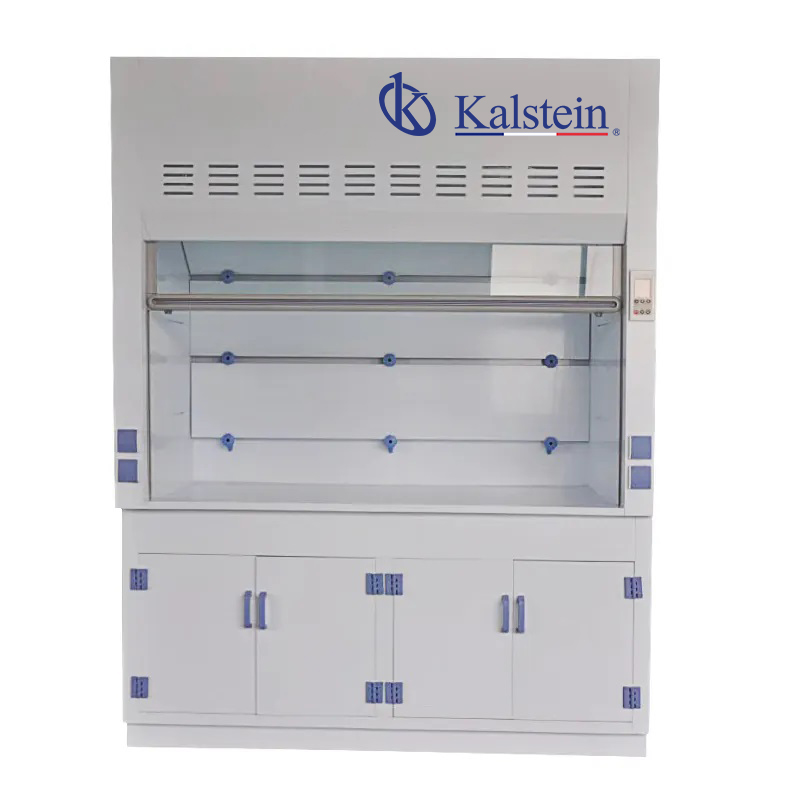
A laminar flow hoods is a laboratory instrument that is used to obtain a free environment of contamination, to the general a sterile and secure area within the laboratory, being able to carry out any activity that is required safely. This equipment provides decontaminated air in the work area, ie provides a space with a specific air treatment, which provides an area with strict non-road particle control.
Safety cabinet for cytotoxics: when should it be used?
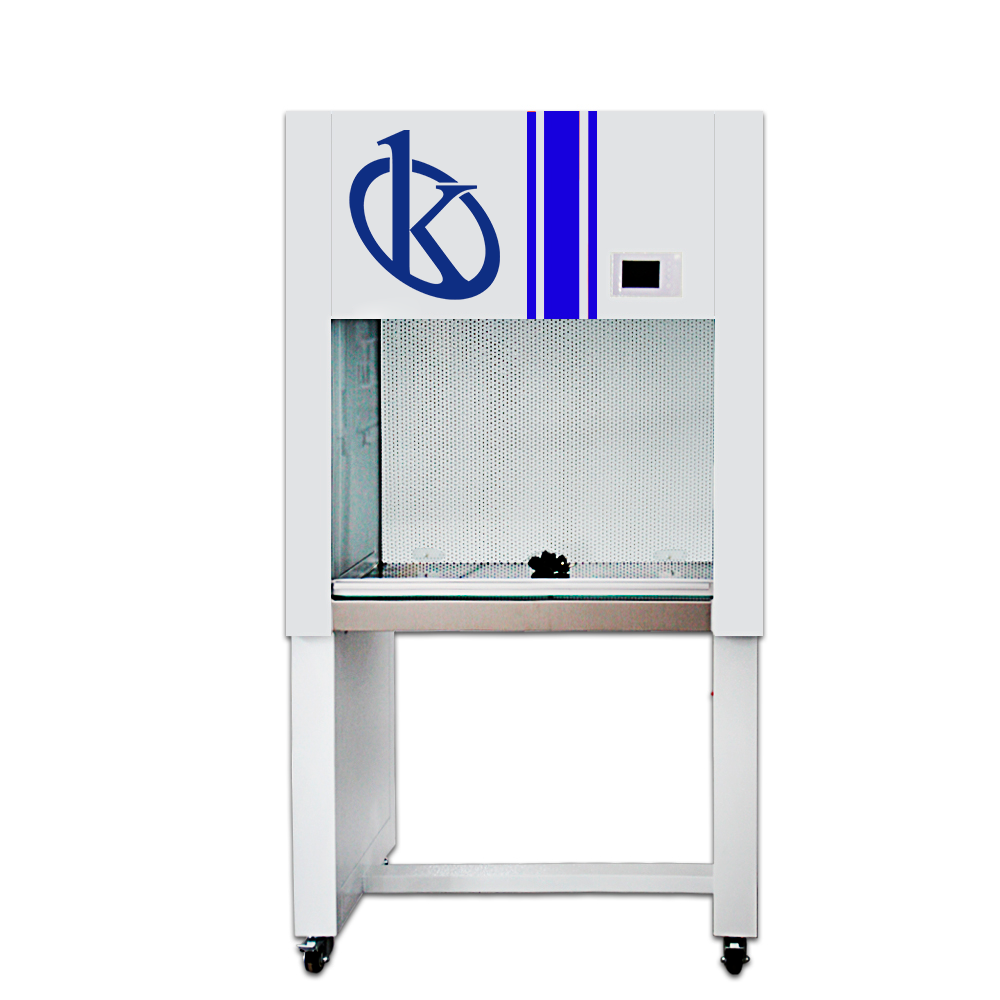
This type of cytotoxic substances that are present in medicines in order to cause cell damage, which not only affect tumor cells but all cells of the body, obtaining adverse toxic effects, in the case of nursing and laboratory staff preparing this type of medicine require to comply with a specific protocol to avoid being exposed to cytostatic agents, to avoid risks that damage the health of staff working with cytotoxic agents.