
Importance of a Fluorometer in a Laboratory
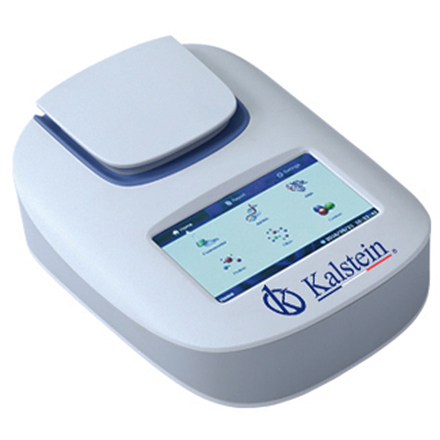
To establish the importance of the equipment that is part of a laboratory and is indispensable, we must take into account its applications and usefulness within it; in the case of fluorometers, this apparatus allows the measurement of fluorescence parameters: its intensity and the distribution of wavelengths of the emission spectrum after excitation by a certain light spectrum.
Fluorometer for a laboratory: how it works
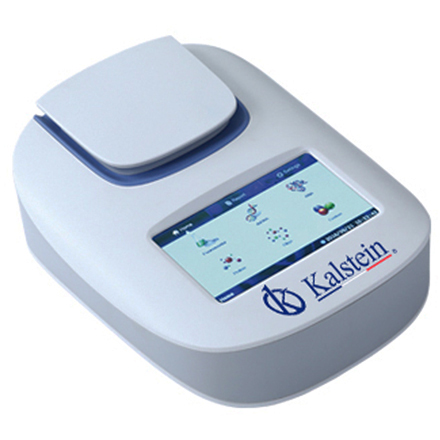
This equipment has as functionality measure the absorbance of all the ingredients in the sample at 260nm, but to be precise the KALSTEIN YR412-A equipment can measure the fluorescence intensity of the fluorescent reagent, which is combined with the target molecule to read the concentration of the sample. In general, the reading is lower than that of the Nano series products, but it is much more accurate.
Fluorometer: What is it used for?
This apparatus is an optical device, which is used in laboratories to observe and measure the fluorescent quality in biological or mineral samples; this equipment has characteristics that can be measured sensitivity to specific light wavelengths by using filters and depending on what is being studied.
Fluorometer vs. Spectrophotometer
A fluorometer is a piece of equipment that allows the analysis, identification and quantification of chemical substances with molecules capable of presenting fluorescence, using the technique of fluorescence spectrophotometry or fluorometry.
Fluorometer: care and maintenance
This laboratory device measures the fluorescence intensity of the fluorescent reagent, i.e. its intensity and distribution of the wavelength of the emission spectrum in biological or mineral samples, we can find two types: handheld device and a table unit, its sensitivity can be adjusted to specific light wavelengths using filters and depending on what is being studied, so its maintenance is an indispensable process, for it to function properly.
Fluorometers: Recommendations and care
A fluorometer is a laboratory instrument that allows the analysis, identification and quantification of chemical substances with molecules capable of presenting fluorescence, using the technique of fluorescence spectrophotometry or fluorometry.
What are the differences between fluorometers and spectrofluorometers
There are two general instruments to measure fluorescence, which are fluorometers and spectrofluorometers, in this article we will focus on the differences between both equipment.
Fluorometers and chlorophyll
A fluorometer is an instrument used for fluorometric quantification, since it allows quantifying, detecting and monitoring analytes and their reactions in the laboratory, such as chlorophyll. This equipment measures the fluorescent signal intensity (fluorescence) from stains attached to biological molecules, as well as natural fluorescent molecules based on excitation (Ex) and emission (Em) wavelengths.
How does an infant bilirubin phototherapy unit work?
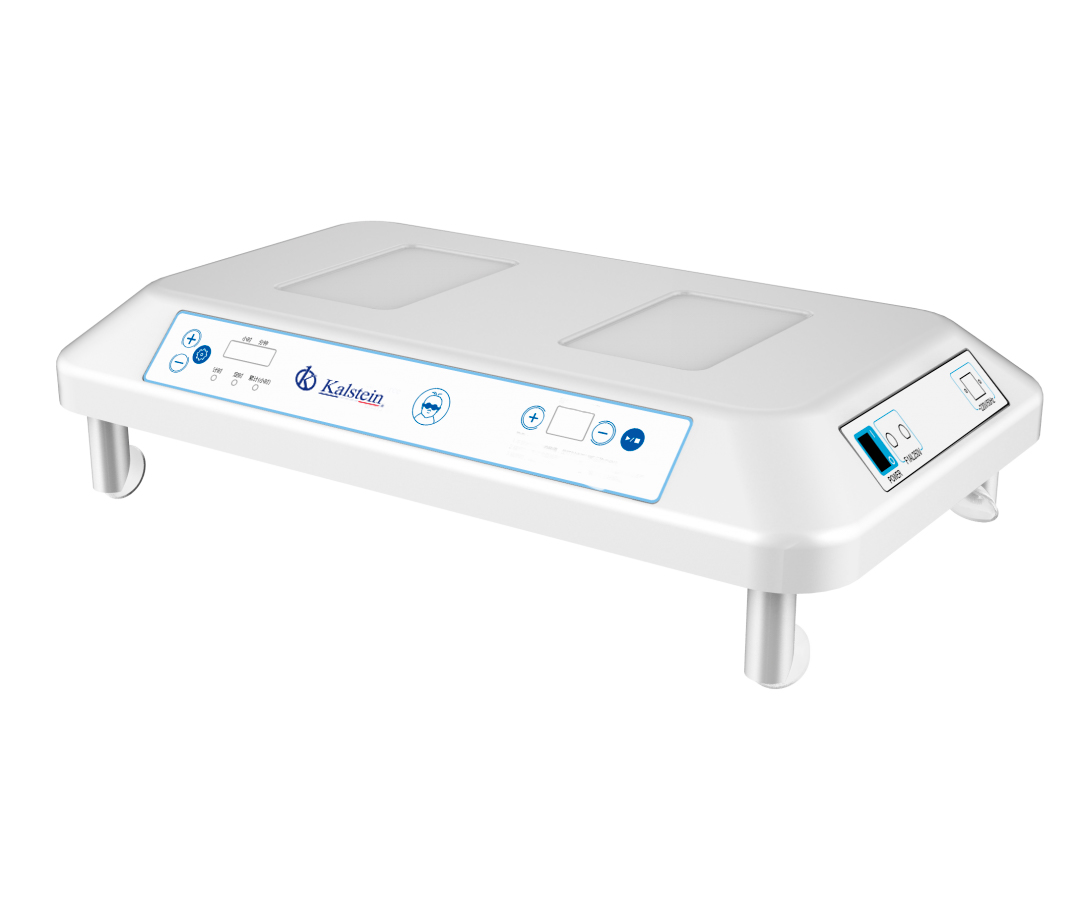
An infant bilirubin phototherapy unit is medical equipment generally made up of 4 blue light tubes and 2 white light tubes, and a cover or shield that protects the newborn in case of tube breakage and ultraviolet light. The blue ones are placed in the center and the white ones on the sides. These phototherapy lamps are fluorescent and LED type bulbs used for neonatal treatment.
Phototherapy Units for Dermatological Diseases
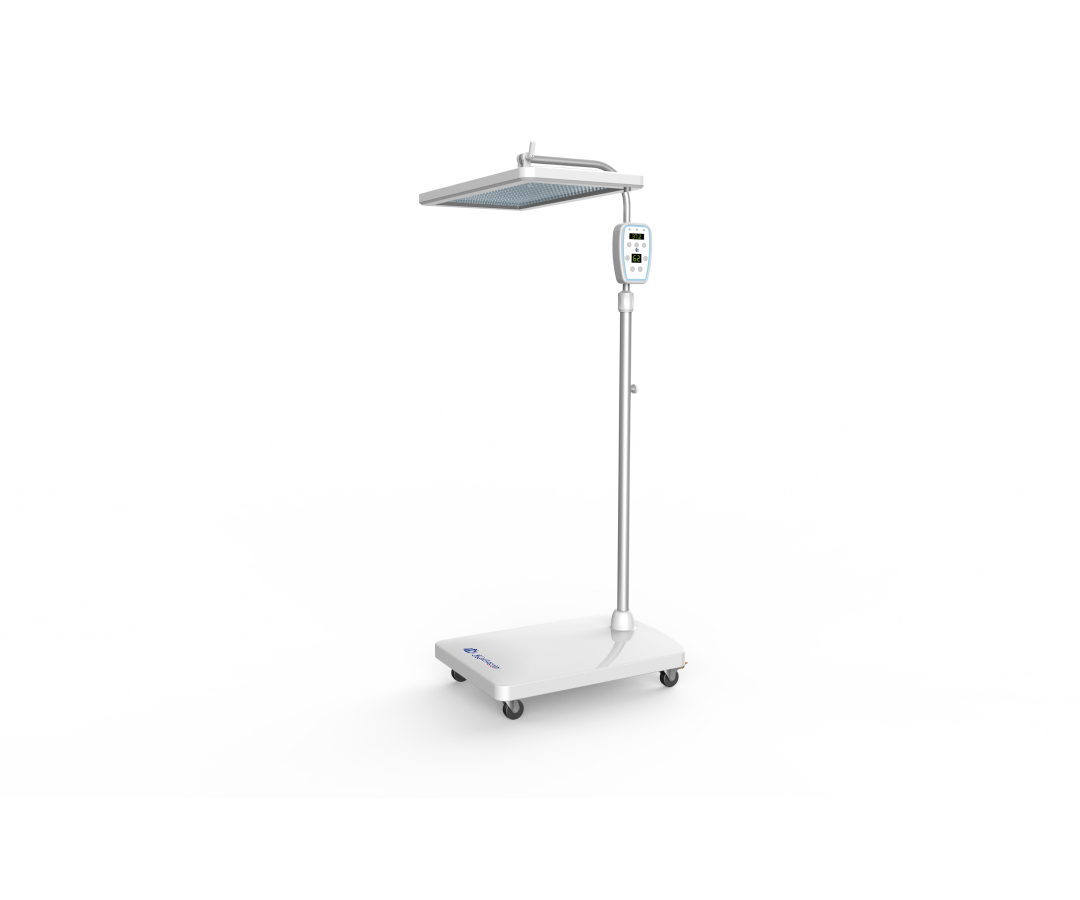
Phototherapy is a therapeutic measure in which light is used, specifically ultraviolet light (UV) because UV radiation has anti-inflammatory action, for the treatment of dermatological inflammatory and neoplastic skin diseases. The use of phototherapy dates from the early twentieth century and from there have emerged several modalities being the commonly used UVA therapy (340-400 nm), PUVA (Psoraleno + UVA), broadband UVB (280-320 nm) and the most recent the narrow band UVB (311 nm).