
What is the importance of the bilirubin phototherapy unit?
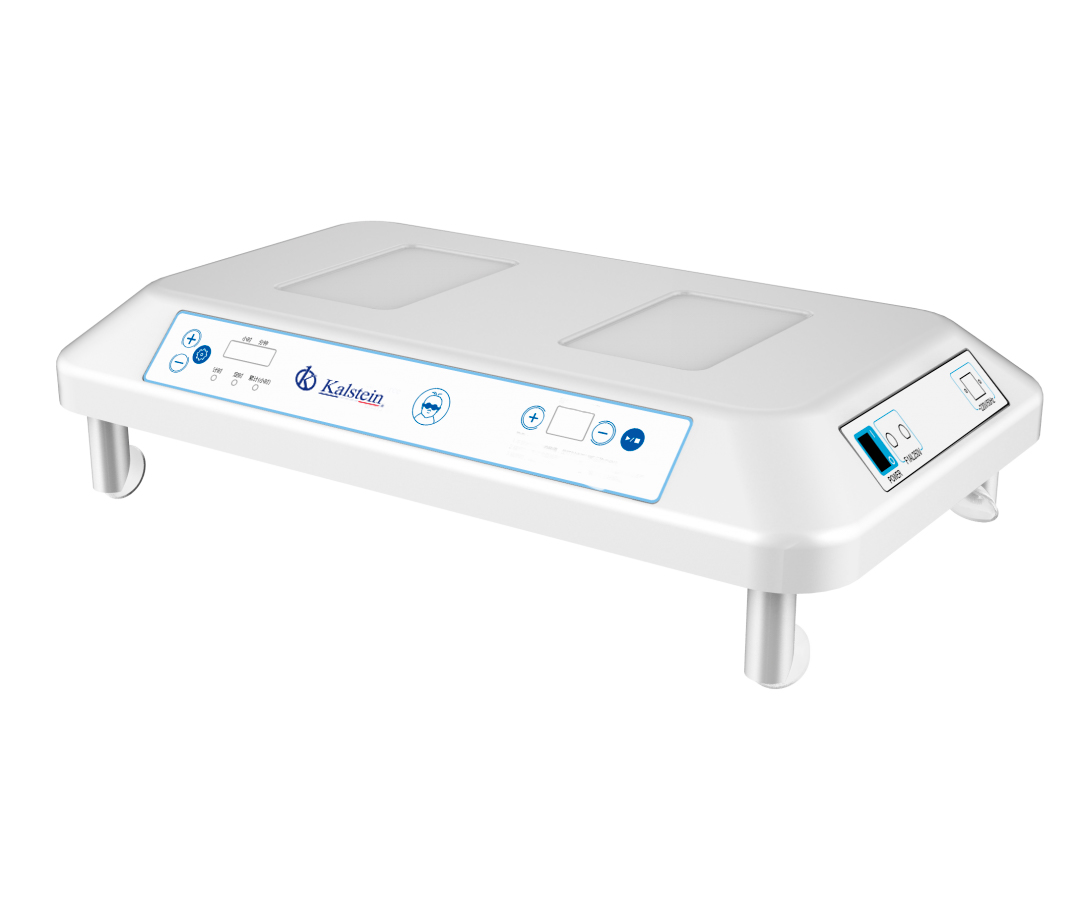
Phototherapy is a therapeutic measure that is carried out through phototherapy units, equipment that uses electromagnetic radiation (light) for the treatment of neonatal jaundice, in order to reduce the severity of neonatal hyperbilirubinemia. The administration of phototherapy will depend on bilirubin levels, age of life, gestational age at birth, birth weight, cause of jaundice, and clinical status of the newborn.
How does phototherapy work in newborns?
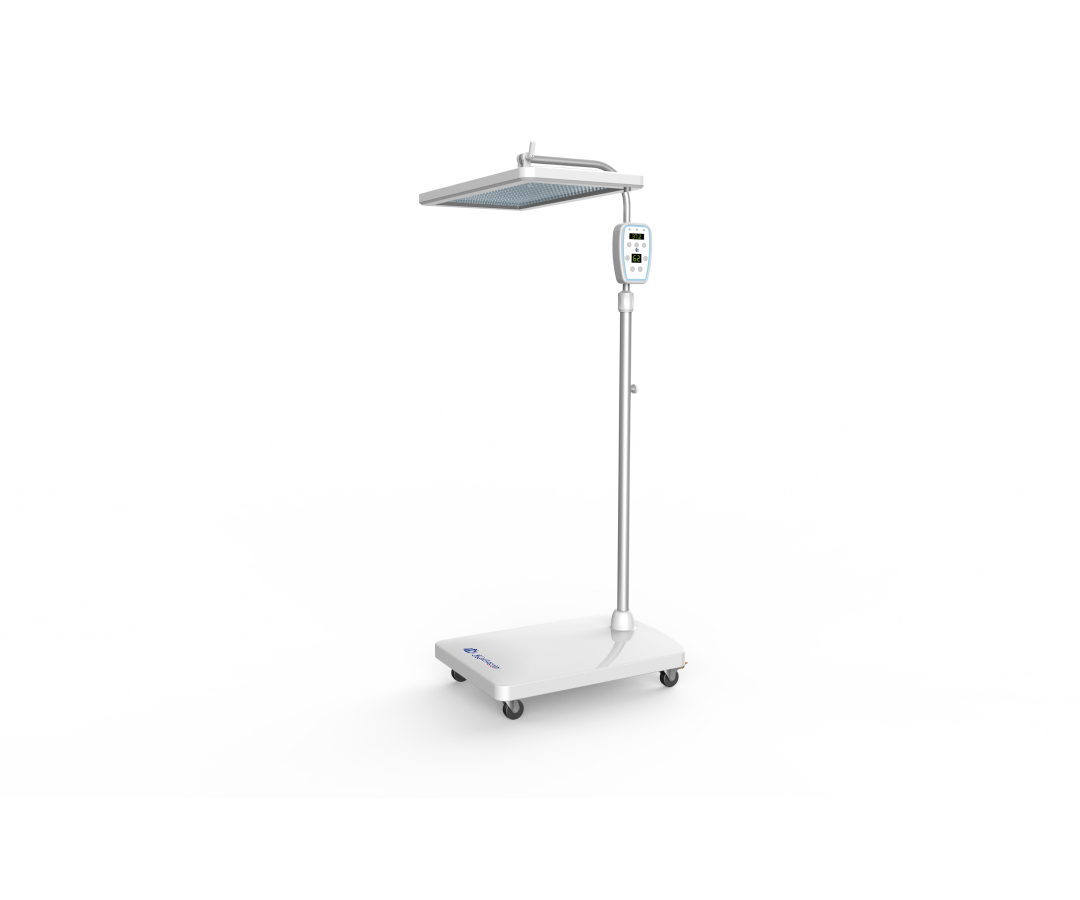
Phototherapy is a technique used in medicine to treat neonatal hyperbilirubinemia, a clinical condition characterized by high levels of bilirubin in the circulation of newborns. Through this technique, these bilirubin levels can be reduced by using light (electromagnetic radiation).
What are the types of light for childhood phototherapy?
Phototherapy is a therapeutic measure used in specialties of medicine such as pediatrics and neonatology to treat neonatal hyperbilirubinemia. It is a technique based on the use of electromagnetic radiation (light) to decrease the values of bilirubin in blood, using the properties of light. The light rays emitted by phototherapy lamps result in the transformation of bilirubin into water-soluble photoisomers which are then more easily excreted in feces and urine, without the need to conjugate in the liver, thus decreasing blood bilirubin values.
Childhood phototherapy care
Phototherapy is a therapeutic tool in which electromagnetic radiation (light) is used to treat neonatal hyperbilirubinemia. Phototherapy allows the transformation of bilirubin into water-soluble photoisomers that can be excreted in feces and urine, without the need to conjugate in the liver.
Can you do phototherapy at home?
Phototherapy is a therapeutic technique used in medicine to treat skin diseases such as psoriasis and vitiligo, and neonatal hyperbilirubinemia clinical pictures where light is used because of its anti-inflammatory capacity or to contribute to reduce serum bilirubin levels respectively.
Methods used for determination of moisture in a sample
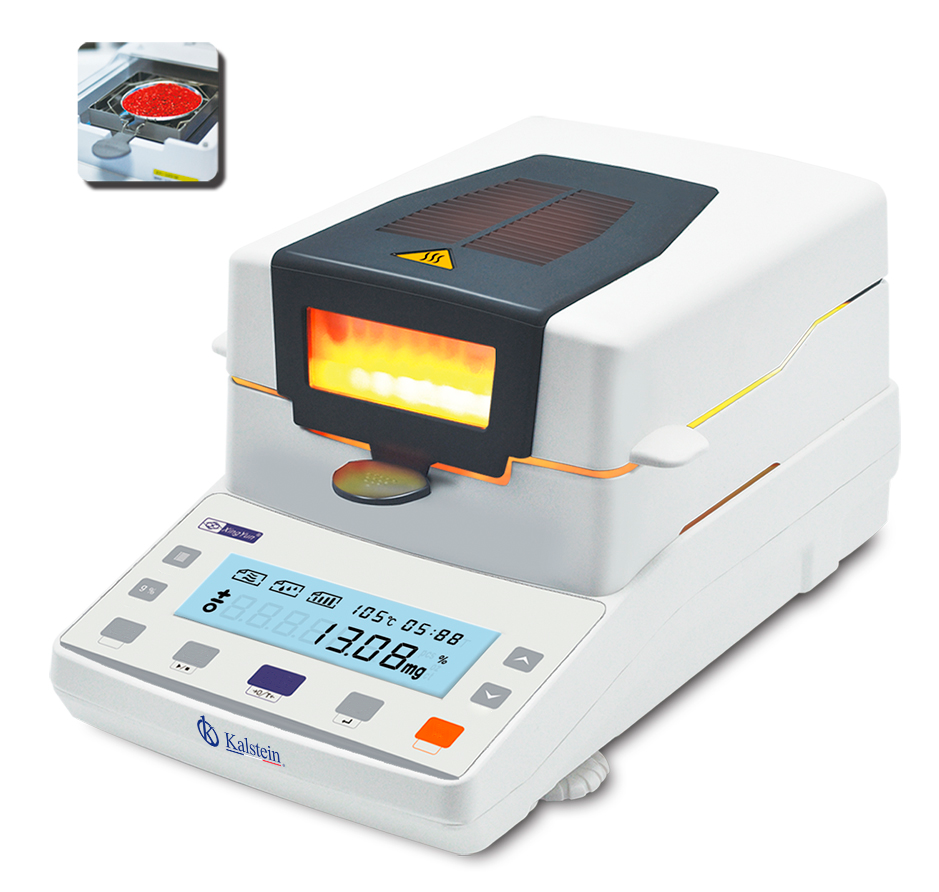
Humidity is a factor that can greatly influence the fluidity of a material, its compressibility, as well as its cohesiveness. This is vitally important in the agricultural, food, cosmetic, chemical and pharmaceutical industries, as excessive moisture can lead to abused and deteriorated products, as moisture content directly affects the processing capacity, shelf life, use and quality of a product.
What are the types of moisture analyzers that exist?
The moisture analyzers work to calculate the moisture content of the matter, have halogen and infrared heating technologies, being methods adapted to the needs of quality control and production of the samples. The halogen analyzer is an evolution of the infrared drying method. The halogen technology is composed of a heating element, which consists of a glass tube filled with halogen gas and its advantage is that the halogen being of smaller volume, the maximum heating level is obtained faster, and provides results with an exceptional level of control and a uniform heat distribution. Infrared energy is not visible to the human eye. Red light is often associated with infrared heat, which is actually red light reflected from the visible spectrum.
Why is a moisture analyzer important in a laboratory?
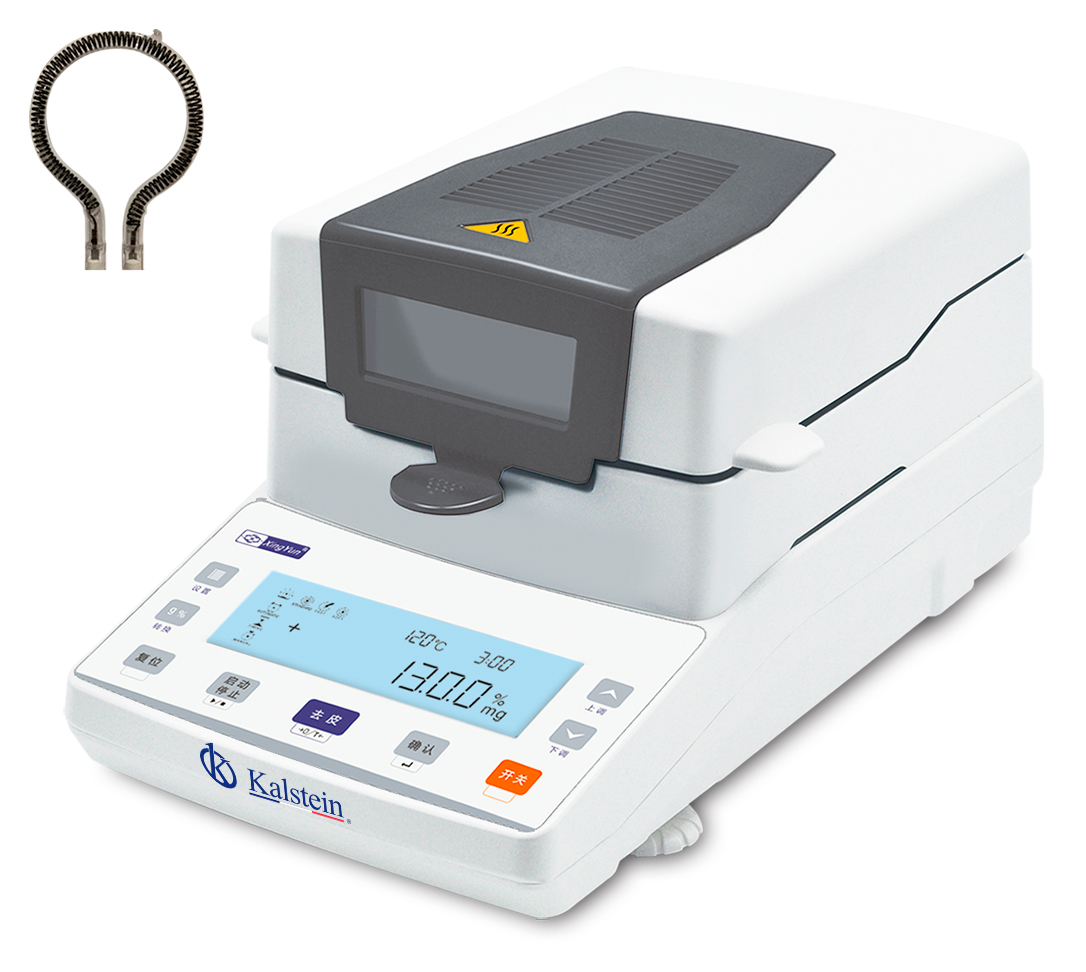
A moisture analyzer is a measuring device that establishes the moisture compensation of a sample. It works with the dry matter method and consists of a weighing unit and a heating unit (infrared).
Characteristics and maintenance of a Moisture Analyzer?
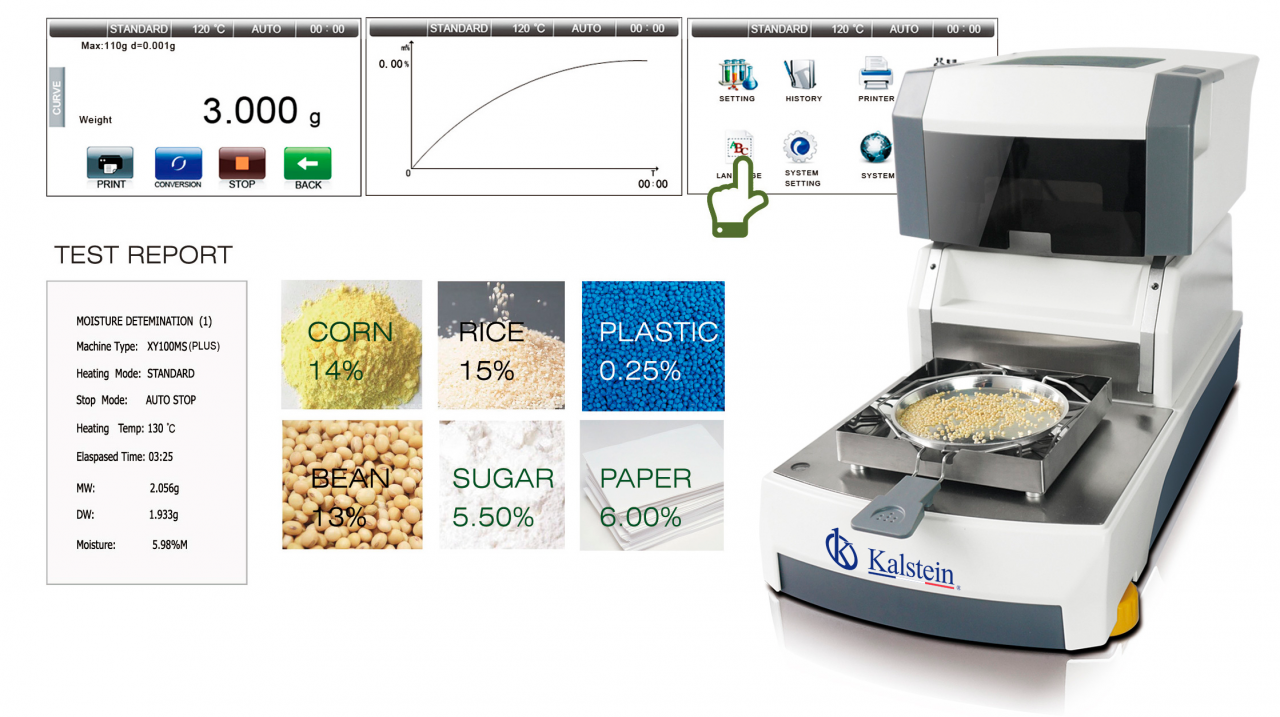
During the practice of moisture analyzers, it is of great importance, the functions according to the heating efficiency of the samples for the drying processes, together with the maintenance of the equipment for its effectiveness in each of its systems.
What is a Moisture Analyzer?
The moisture analyzer is a device used to calculate the moisture content of virtually any substance. It performs, by analyzing the weight of the sample, heating it by means of halogen desiccator units. These units are reflected through the equipment, through percentages of moisture content, solid, weight and tolerance.