
What are the dental instruments that are sterilized with the Gas autoclave
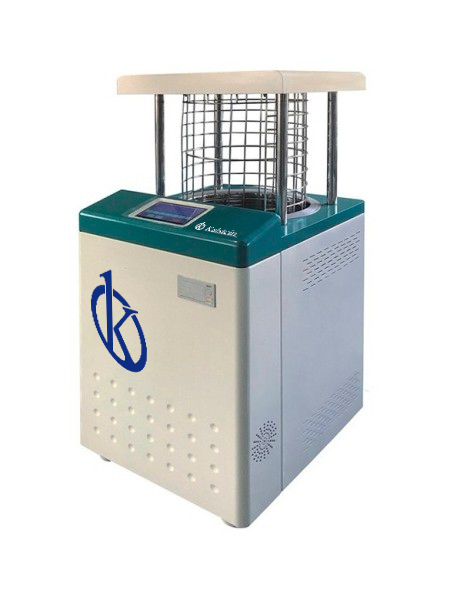
Sterilization is defined as the process by which any microorganism, including bacterial spores, is completely destroyed in a material or instrument. It can be achieved through the use of different methods, but the most commonly used in the field of dentistry, is wet heat sterilization, which is done by using an autoclave.
What are the safety protocols for dental sterilization with the use of the Gas Autoclave?
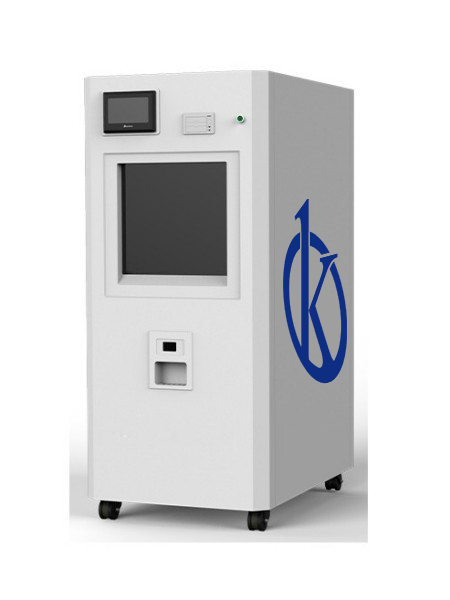
In the field of health, sterilization is a process that eliminates all living organisms, including bacteria, viruses, fungi and protozoa. It is considered the most effective method of preventing disease transmission. There are several methods of sterilization, but the gas autoclave is one of the most used in dental sterilization.
How does the Gas Autoclave for Food Conservation work?
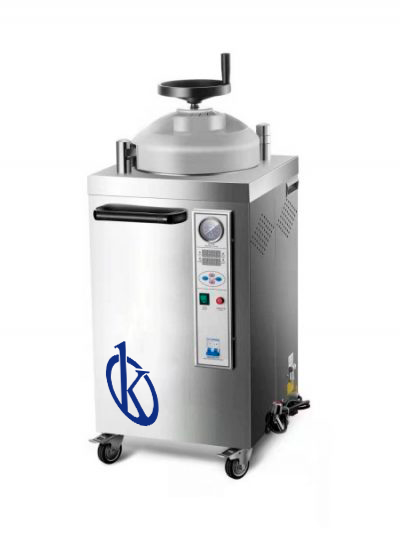
The autoclave is a hermetic equipment designed to withstand high pressures and temperatures in the disinfection at commercial level of glass, metal and plastic containers, conditioned for the food sector, laboratory, pasteurization and sterilization of finished products.
What is an autoclave with drying?
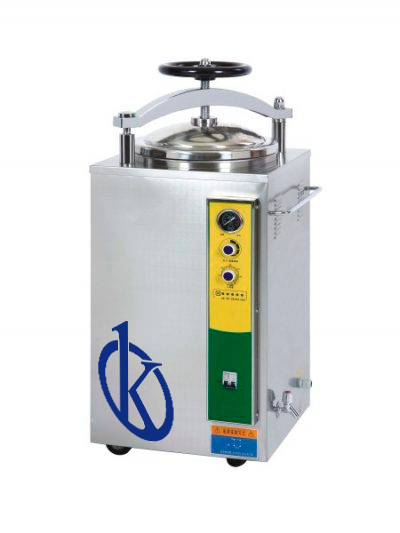
An autoclave is essentially a pressure vessel that uses steam pressure as a sterilizing agent. By increasing the pressure (above atmospheric pressure) the steam can reach higher temperatures. The additional pressure increases the boiling temperature of the water. Actually, about 20 ° C more. This effectively increases its heat content and its ability to kill. This comes from its latent heat of evaporation.
Autoclaves: what are its parts and maintenance required?
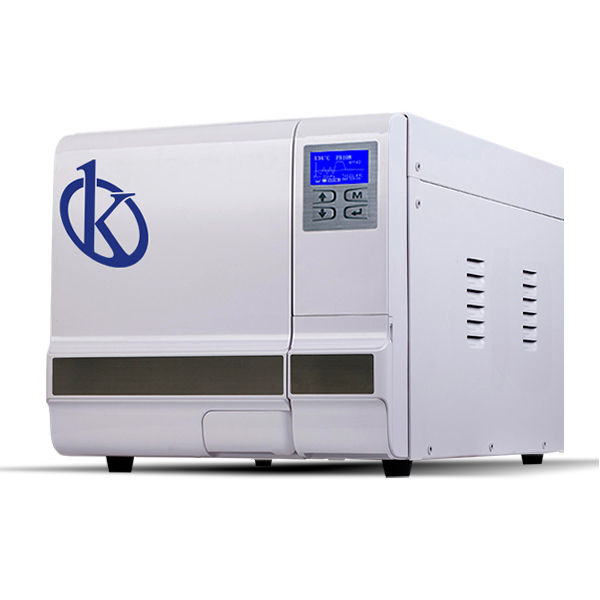
This equipment is indispensable in laboratories, clinics and surgical centers, as it is a fast, compact, versatile sterilizer; It is designed with high technology and cost-effectiveness, while offering operational efficiency and easy maintenance; the advantages of the autoclave lie mainly in the detoxification and sterilization of the material used in surgical treatments or research material; its primary function is as a sterilizing agent by treating water vapor at high temperature to destroy any microorganism found in the material.
What are the differences between N-type and B-type autoclaves?
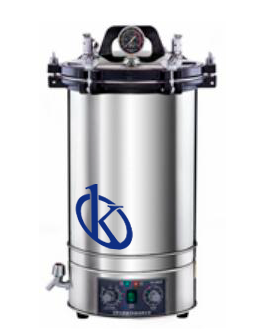
An autoclave is a cylindrical instrument, vertical or horizontal, designed to work with a high internal pressure, and used to sterilize materials and instruments using water vapor at high pressure and temperature. This equipment consists of a metal container with thick walls and hermetic closure, which allows sterilizing under high pressure, ensuring maximum disinfection of all clinical, laboratory, and dental materials.
What is an autoclave?
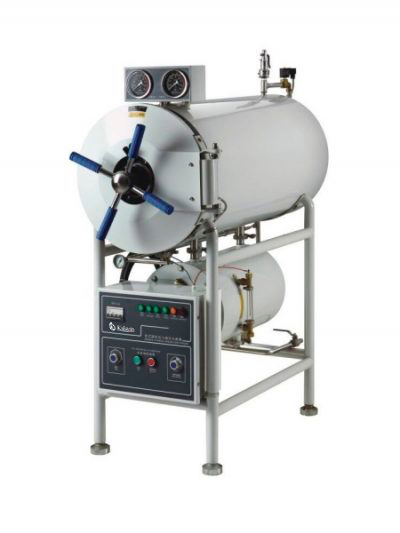
An autoclave is a piece of equipment used to sterilize medical or laboratory material, using steam under pressure and temperature as sterilizing agents. This makes it possible to eliminate any trace of viruses, bacteria, fungi and spores in the materials, liquids or solids that are placed inside.
What are the Sterilization Systems offered by the Bacticinerator?
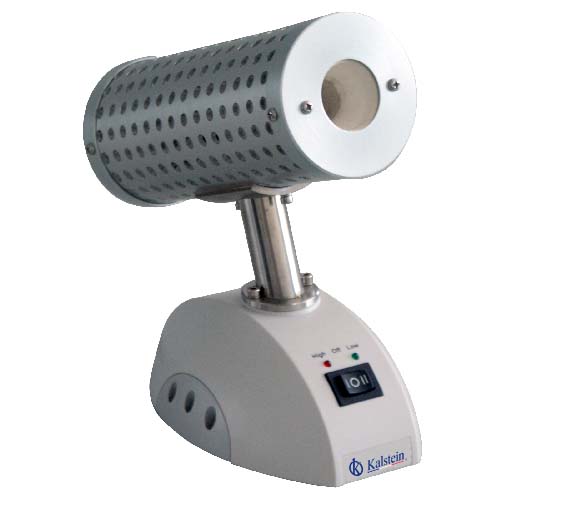
A Bacticinerator is a laboratory machine designed to sterilize and discard inoculation handles. Inoculation loops are generally used to handle hazardous biological samples in a laboratory. They are essential for safe work in a laboratory, as they prevent cross-contamination of samples. An inoculation handle incinerator works by burning the handles in a combustion chamber, at a temperature that is high enough to destroy all living organisms.
Veterinary Color Doppler – Accurate and Fast Cardiovascular Diagnostics
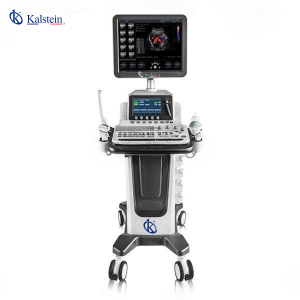
Veterinary diagnostic procedures have made significant progress over the past couple of decades. One of the most notable advances is the Veterinary Color Doppler, a reliable and effective technology for accurate and fast cardiovascular diagnostics. A leading manufacturer in this field is Kalstein, recognized for its commitment to quality and innovation.
Why Veterinary Monitors Are Essential in Any Animal Clinic
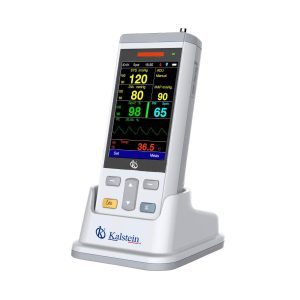
The medical care and management of animals involve a commendable amount of meticulousness and precision. In diagnostic and therapeutic procedures, Veterinary Monitors become an essential tool for any animal clinic. These advanced monitoring devices allow veterinarians to efficiently track the various organic functions of animals in real time, ensuring timely and effective treatment.