
The viscometer: Observing the pathological anatomy with it
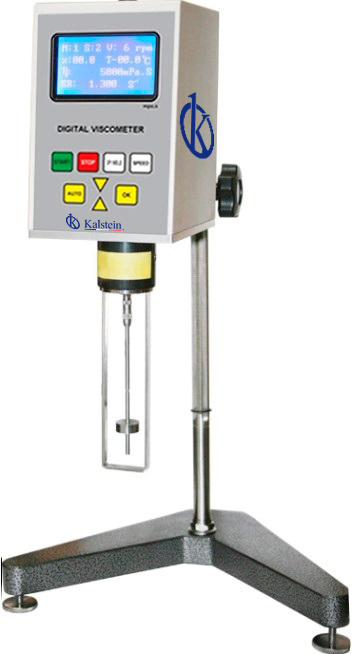
A viscometer is a mechanical measuring device used to measure viscosity, the resistance of a fluid to flow; these devices are often used to assess the condition of the pathology, this means that it is used to analyze the resistance of body tissue to dilate.
The Viscometer for the manufacture of Medicines
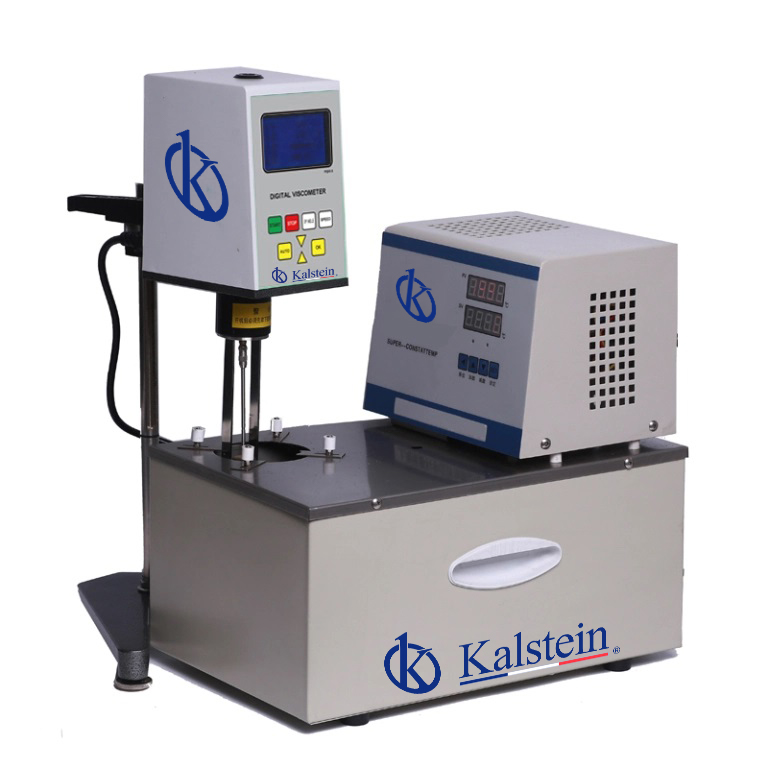
The pharmaceutical industry faces many challenges, as it must produce drugs with the highest quality standards at prices that are accessible to the population seeking to heal some ailment. In this sense, it is necessary to sustain intermediate and final quality parameters in the production process of drug manufacture, constantly making appropriate measurements.
Viscometers: an indispensable tool for scientific research
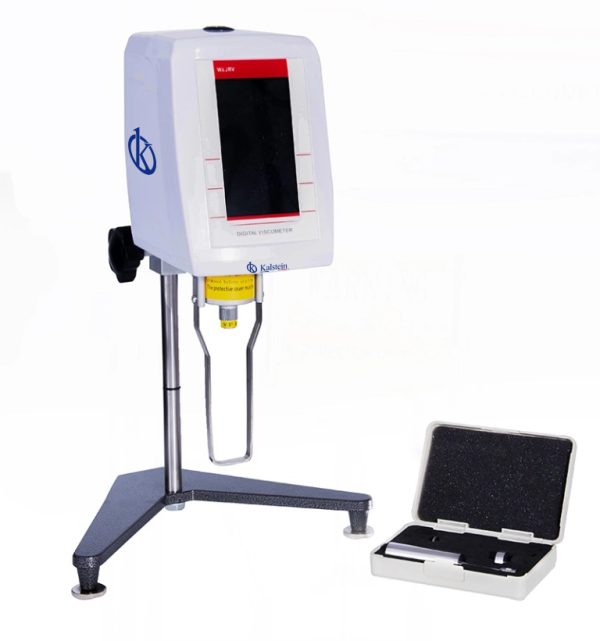
Viscometers are a crucial device in scientific research and an instrument used to measure the viscosity of a liquid or solid. These devices are used in a wide variety of research, from chemistry and biology laboratories to engineering and food technology laboratories. Although there are several types of viscometers, they all share the same main principle of measurement. This tool is essential for many industries, as they are vital for optimizing production processes and improving end products.
Why viscometers are essential for industry
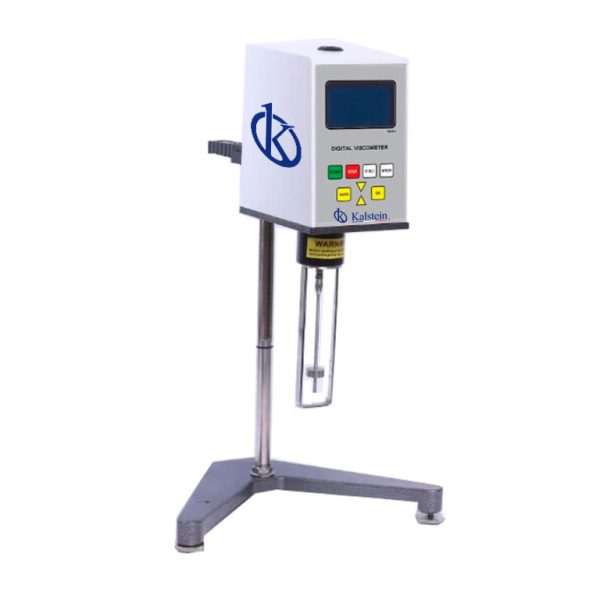
Viscometers are important tools in industry because of their ability to measure the viscosity of liquids. This measurement provides useful information about the quality of liquids, allowing companies to identify problems and rule out unsuitable liquids. Viscometers can also be used to ensure that products are of the highest possible quality. For these reasons, viscometers are critical to the industry.
What Benefits does the Viscometer bring?
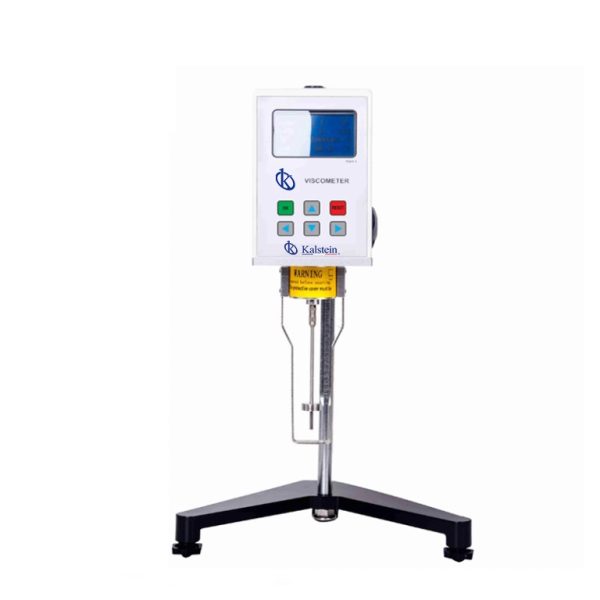
The viscometer allows us to measure the viscosity of liquids and assess their flow properties. This equipment has various applications and can be used in different substances and materials. For its part, viscosity can be defined as the resistance of the molecules that form a liquid, to separate, due to their adhesion forces. Monitoring this property is essential, as it affects the performance of the liquid. For example, during pumping or channeling, or their ability to submerge and coat other elements.
How a viscometer can improve your business
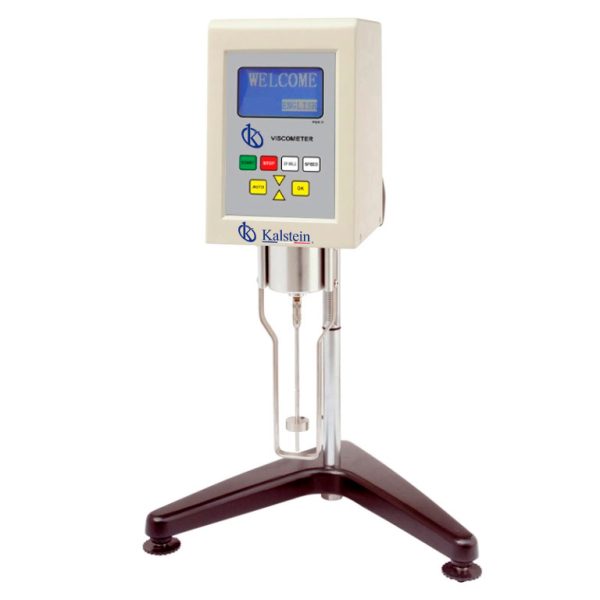
A viscometer can significantly help in improving business by measuring the viscosity of materials. Viscosity measurement is very important for those industries that work with liquids, from medicines and cosmetics to food, petroleum and chemicals. The viscometer, also known as a “viscosity meter”, measures the consistency of the liquid and is a powerful tool for those industries that work directly with liquid phase substances.
How to use a viscometer ?
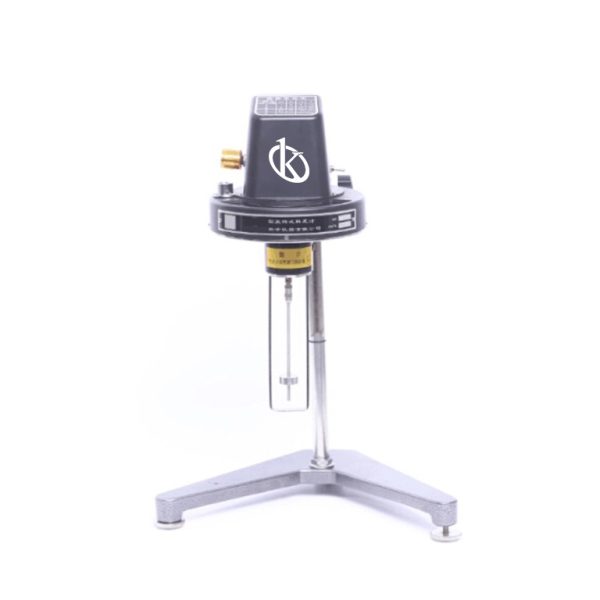
A viscometer is a device used to measure the viscosity of fluids. These measurements can be useful when designing products or improving industrial processes. These measuring devices can be found in a variety of situations, from measuring the viscosity of automotive oils to measuring the viscosity of a fluid to validating a food product as it goes through an industrial process. The most commonly used viscometer is the capillary viscometer.
The Laboratory Autoclave: Brief Introduction
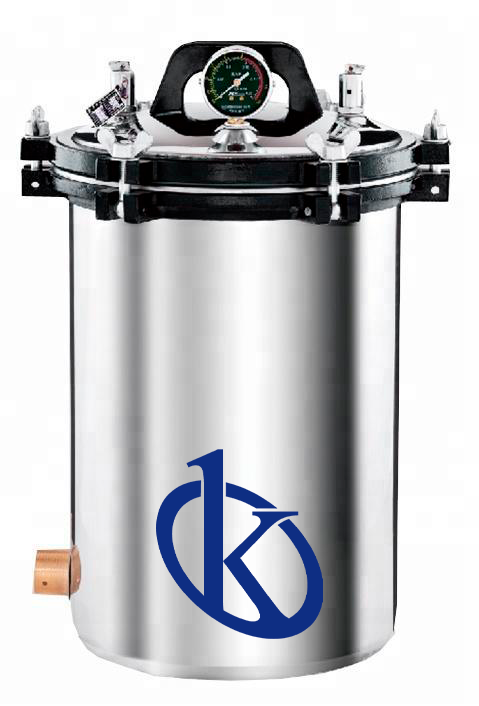
The Laboratory Autoclave is an essential tool for pollution control in the working environment. An autoclave is a device used for the disinfection of material, equipment and areas within a laboratory.
How are user safety levels ensured in a plasma centrifuge?
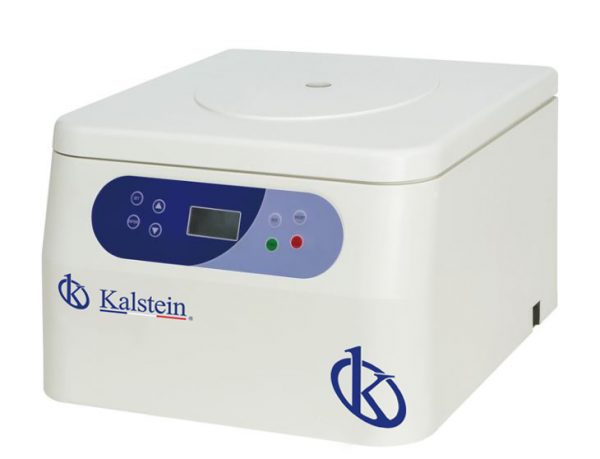
With modern medicine in full revolution, plasma centrifugation is an indispensable piece of equipment for the extraction and analysis of biological samples; plasma centrifugation can be used to completely separate cells from proteins, blood serum and other solutions.
Using the tissue processor to diagnose Marfan syndrome
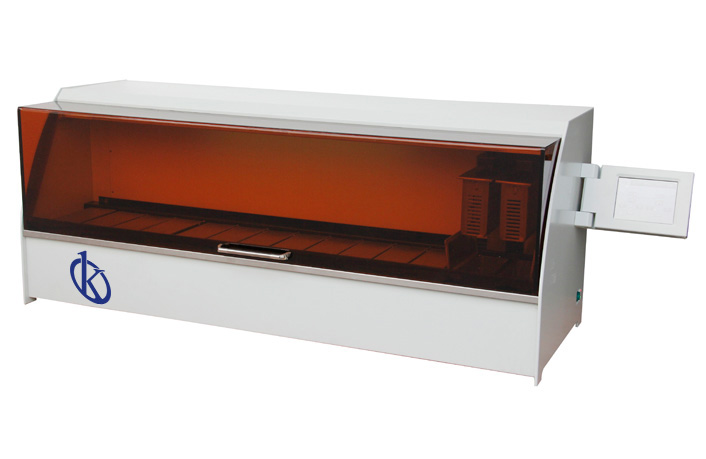
This disease is an inherited disorder of connective tissue, in which the collagen matrix is affected. Clinical presentation and severity of Marfan syndrome vary widely, ranging from isolated features to neonatal presentation of a severe and rapidly progressing disease involving multiple organ systems.