
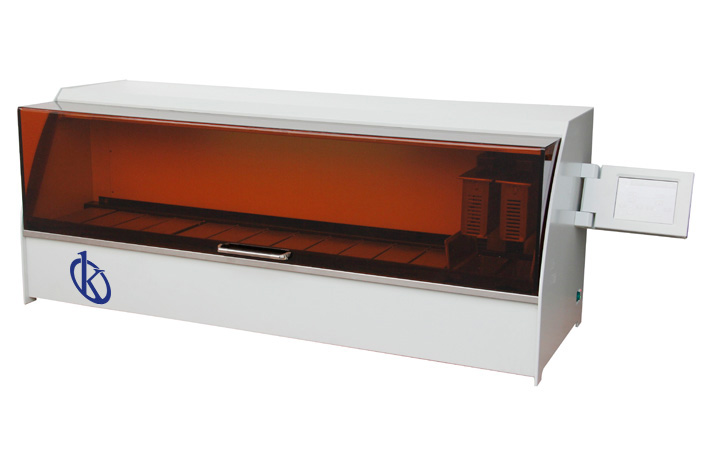
Tissue Processing at Kalstein
At Kalstein, we understand the pivotal role that tissue processors play in modern laboratories. They are the backbone of pathological anatomy, ensuring that tissues are adequately prepared for examination. Our meticulous approach to tissue processing ensures that each sample is preserved in its most natural state, making it easier for pathologists to assess and diagnose.
Having trialed these instruments myself, I can attest to their robustness and reliability. Kalstein’s equipment is engineered with precision, offering a seamless user experience. Whether you’re a seasoned lab technician or new to the field, these processors are designed to simplify the tissue preparation process, ensuring both efficiency and accuracy.
Features of Tissue Processing
Kalstein’s tissue processors are characterized by their advanced technological features. One of the standout aspects is their programmability; users can customize the process to fit specific tissue types, which is crucial for obtaining optimal results. The interface is user-friendly, with intuitive controls that guide the user through each step of the process.
Moreover, the capacity of these tissue processors is impressive. They can handle multiple samples simultaneously, making them ideal for high-volume laboratories. Safety features, such as automatic shutdown and overheating protection, are in place to prevent accidents, ensuring a secure working environment.
Different Models of Tissue Processing
Kalstein offers a range of tissue processing models tailored to meet various laboratory needs. Whether you’re running a small clinic or a large research facility, there’s a model that fits your requirements. Each model is equipped with specific features that enhance its utility, ranging from compact sizes to high-capacity units.
The diversity in models ensures that no matter how unique your laboratory needs are, there’s a Kalstein tissue processor ready to meet those demands. Some models even offer customizable settings and improved reagent management, indicating the brand’s dedication to innovation in laboratory technology.
Why Do Tissue Processors Cost What They Do?
The pricing of tissue processors, especially those from a reputable provider like Kalstein, reflects the sophisticated technology and materials used in their construction. The cost includes the integration of high-precision engineering, durable components, and rigorous testing each unit undergoes to ensure performance and reliability.
Investing in a high-quality tissue processor can save laboratories money in the long run. Cheaper, lower-quality alternatives may require frequent maintenance or even replacement, leading to higher operational costs and potential disruptions in laboratory workflow.
Comparing Tissue Processors
When comparing Kalstein’s tissue processors to those from other companies such as Leica Biosystems, Sakura Finetek, and Thermo Fisher Scientific, it’s clear that each brand has its strengths. Kalstein stands out for its user-centric design and intuitive controls, making it accessible to users with varied levels of technical expertise.
In contrast, Leica Biosystems offers models with innovative features but at a higher price point. Sakura Finetek is known for their compact designs, which can be ideal for smaller labs. Meanwhile, Thermo Fisher Scientific focuses on high throughput models suitable for larger operations, showcasing the industry’s diverse array of options to suit any laboratory’s requirements.
Pros and Cons of Tissue Processing
| Pros | Cons |
|---|---|
| High precision in processing | Initial setup cost |
| Programmable for different tissues | Needs regular maintenance |
| User-friendly interface | Potential learning curve for new users |
| High capacity for multiple samples | Occupies lab space |
| Durable and reliable | Requires specialist repair services |
| Customizable settings | Limited mobility |
| Innovative safety features | |
| Strong customer support |
Benefits of Using Tissue Processing
The use of high-quality tissue processors significantly enhances laboratory efficiency. By streamlining the preparation phase, laboratories can process more samples in less time without compromising the quality of the specimens. This efficiency allows pathologists to deliver quicker diagnoses, improving patient care.
Additionally, the consistency offered by these machines ensures that every sample is treated under identical conditions. This uniformity is crucial in research settings where comparability of data across samples is necessary for accurate results.
Other Advantages of Tissue Processing
Beyond efficiency and consistency, Kalstein’s tissue processors contribute to a safer laboratory environment. Their advanced safety features minimize the risk of operator error and reduce exposure to potentially harmful chemicals. The automated nature of the process further reduces the workload on lab technicians, allowing them to focus on more complex tasks.
Moreover, these processors are built to last, with high-quality materials that withstand the rigors of daily laboratory use. This longevity means less frequent equipment replacement, providing cost savings in the long run.
User Testimonials
Users of Kalstein’s tissue processing equipment frequently praise the system’s ease of use and reliability. Many have noted the significant decrease in processing errors, which directly translates to improved diagnostic accuracy. Users appreciate how the processors integrate into existing laboratory workflows seamlessly without additional infrastructure investments.
Feedback from laboratories around the world highlights the brand’s commitment to quality and innovation. Customer support is rated highly, with clients appreciating the prompt assistance and detailed guidance provided by Kalstein’s expert team.
Frequently Asked Questions
How easy is it to operate Kalstein’s tissue processors?
Kalstein’s tissue processors feature an intuitive interface, making them easy to operate even for those new to the technology. The user manual and customer support are also available to assist with any questions.
Are these tissue processors suitable for high-volume laboratories?
Yes, Kalstein’s models are designed to handle large volumes of samples efficiently, making them ideal for high-throughput laboratories.
What type of maintenance do these processors require?
Routine maintenance, such as cleaning and checking for wear, is recommended. Kalstein provides detailed maintenance guides and support to ensure longevity and optimal performance.
Is there any dedicated customer support available?
Absolutely, Kalstein is known for its robust customer support network, offering assistance via phone and email to resolve any equipment-related queries promptly.
Can the processing settings be customized?
Yes, one of the key features of Kalstein’s tissue processors is their customizable programming, allowing users to tailor the process to specific tissue types and laboratory needs.
What are the safety features included in these tissue processors?
Kalstein’s tissue processors are equipped with several safety features including automatic shutdown in case of errors, anti-overheating systems, and sealed processing chambers to prevent exposure to chemicals.
Final Recommendations on Tissue Processing
In conclusion, Kalstein’s tissue processing solutions offer a blend of innovation, efficiency, and reliability that is critical in modern laboratory settings. Their advanced technology caters to diverse laboratory needs, ensuring optimal sample preparation and safety. If you’re in the market for a new tissue processor, Kalstein’s offerings are worth considering for their excellent balance of quality and cost-effectiveness. To explore these state-of-the-art tissue processing solutions, visit the official Kalstein website here: https://kalstein.co.nz/category-product/laboratory-line/pathological-anatomy/tissue-processing/.