
Infusion pumps for the treatment of delayed movement disorder
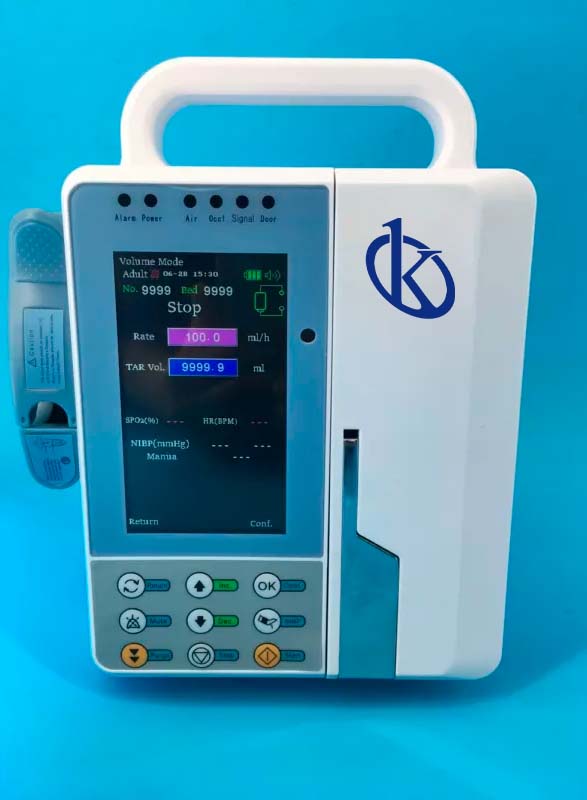
Infusion pumps for the treatment of delayed movement disorder (TMT) are portable electronic devices developed to improve the quality of life of patients suffering from this disorder. These pumps offer the ability to control symptoms by continuous administration of drugs, which would be injected at regular intervals through a catheter.
Effectiveness of phototherapy in neonatal hyperbilirubinemia
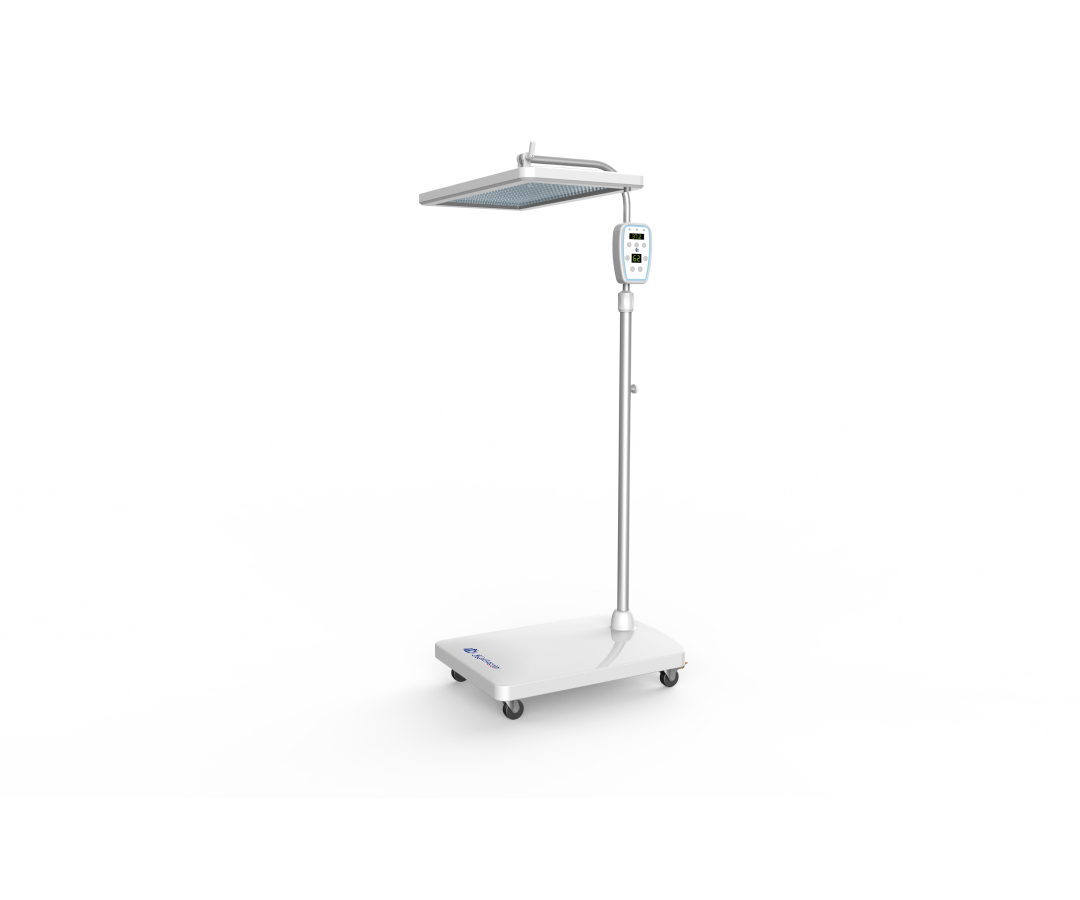
Neonatal hyperbilirubinemia is a commonly known syndrome in neonates. It is characterized by an abnormally high level of bilirubin in the blood, which results in a complication for a healthy baby. This condition is thought to occur in about 10% of newborns. Neonatal hyperbilirubinemia often occurs in the first few days of life but is sometimes not detected until several weeks later.
Functions of Color Evaluation Boxes in the Textile Sector

Color evaluation boxes are LED lighting units, manufactured to check color consistency and quality. It is also used to visualize quality in textile tests, where there is a need from different sources of radiant energy. In this way it can be evaluated by comparing the color consistency between the products, for example, there can be the difference between the light sources used in its manufacture, and the light source applied by the customer.
What are the risks of using the anesthesia machine?
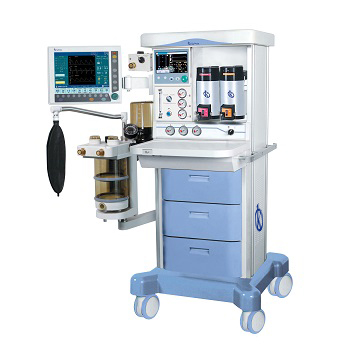
Anesthesia is a vital medical resource for various surgical and dental procedures. Anesthesia is a branch of medicine treatment that provides temporary pain relief by blocking the sensory and motor senses. A variety of drugs, collectively known as anesthetics, are used to provide the anesthetic.
Use of radiant heater and respiratory function in newborns
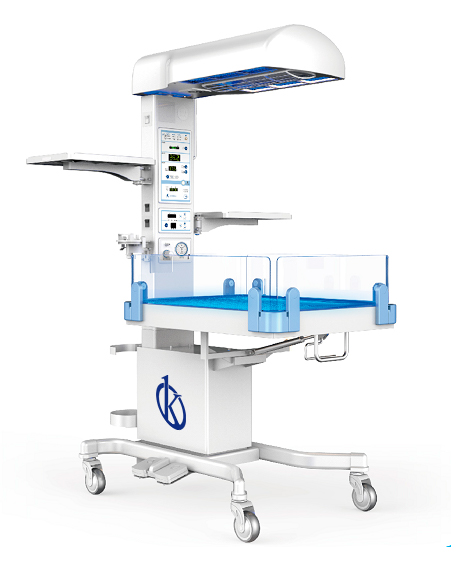
A newborn has a number of essential needs to meet to ensure healthy growth and development, one of them is to have an optimal temperature, which is achieved by means of a radiant heater.
Prevention and early diagnosis using electrocardiographs
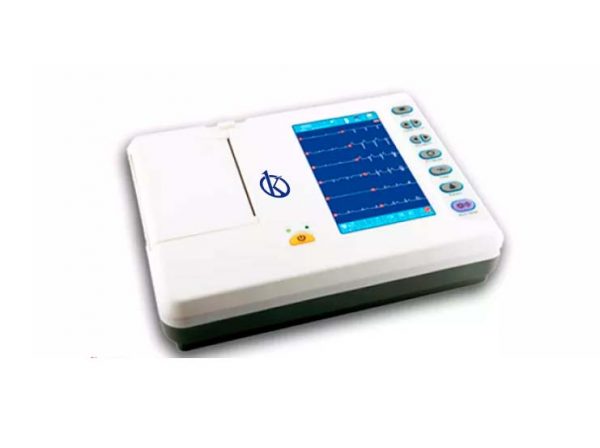
The measurement of electrocardiogram has allowed medical professionals to diagnose and prevent heart diseases that affect humans for years. An electrocardiogram (ECG) is a graphical record of changes in the heart’s electricity produced by heart cells, providing information about heart rhythm, abnormal heartbeats, heart structure, and conduction disorders.
Benefits of Bilirubin Phototherapy for Term and Preterm Newborns
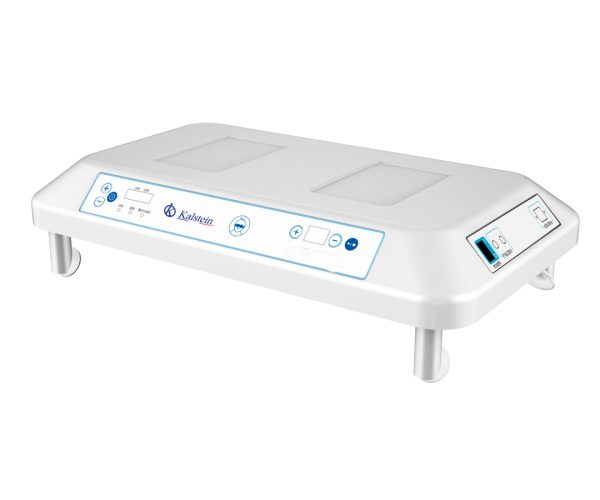
Bilirubin phototherapy is an increasingly common treatment used in neonatal departments to treat jaundice in full-term and preterm infants. Although there is no definitive scientific evidence, some studies have shown that phototherapy offers numerous benefits for newborns, both at term and before term, phototherapy uses low-intensity fluorescent lights to help newborns metabolize bilirubin, a yellowish pigment drained from the newborn’s red blood cells.
Turbidity Measurement: Why Does Precision Matter?
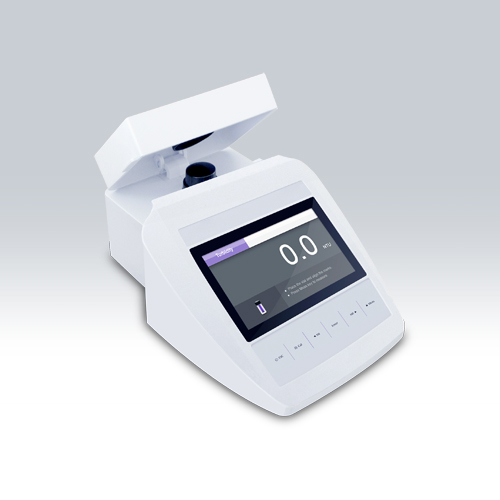
The development of the current industry has led to the need for ever faster, more powerful and more accurate analytical tools that provide reliable and high-precision results. At present, turbidity measurement instruments are tools with technology, which work on the basis of optical phenomena that occur when a beam of light hits a medium. Turbidity is an optical property that results when light passes through a liquid sample and is dispersed by particles.
How are muffles used in scientific research?
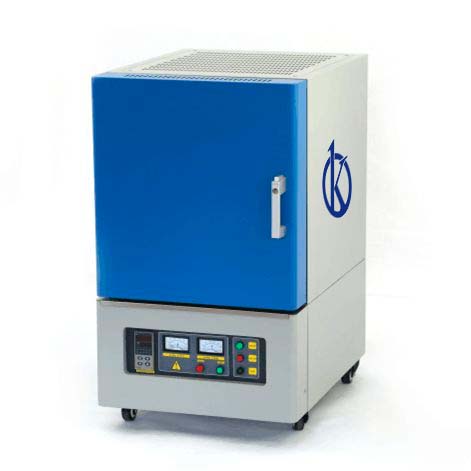
Scientific research is a rigorous process, because it leads to the acquisition of new knowledge through study. As its main function, scientific research is responsible for explaining, understanding, predicting and describing facts and behaviors. This process answers questions and tests previously established hypotheses.
Using Patient Monitors to Reduce the Risk of Postoperative Complications
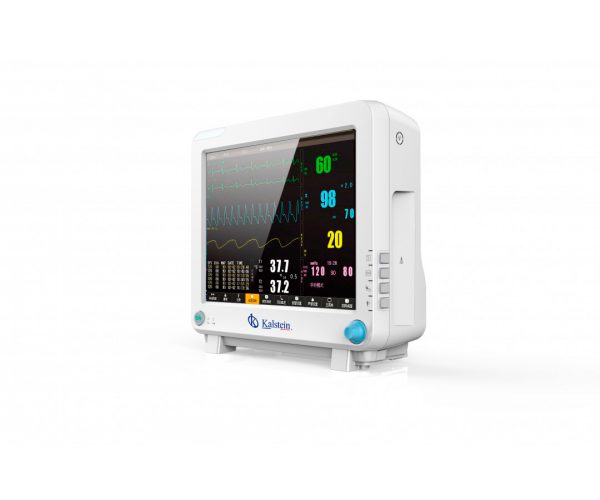
Patient monitors have a variety of uses in modern healthcare environments. The main uses include monitoring a patient’s health status, monitoring patient-specific processes, and early identification of any problems. A specific area in which an innovative approach to using the patient monitor to reduce the risk of postoperative complications has been developed is post-surgery patient surveillance.