
Applications of Nitrogen Tanks in Industrial Safety
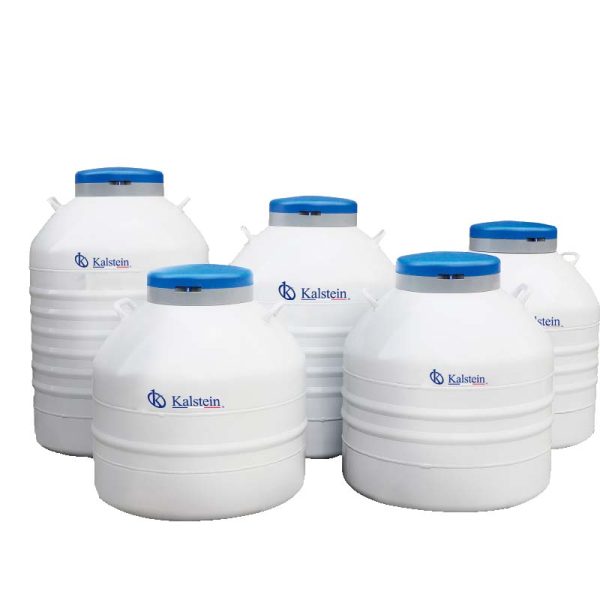
Nitrogen tanks are a very useful safety technology for the industry. These tanks are used to store nitrogen, a colorless gas and odors, and their applications range from food to industrial uses. Nitrogen tanks are used to provide a controlled environment in which industrial manufacturing and handling processes are unaffected. This helps to ensure that the products obtained comply with the quality standards.
Innovation in Surgery: Benefits of Using the Optical Surgical Navigator
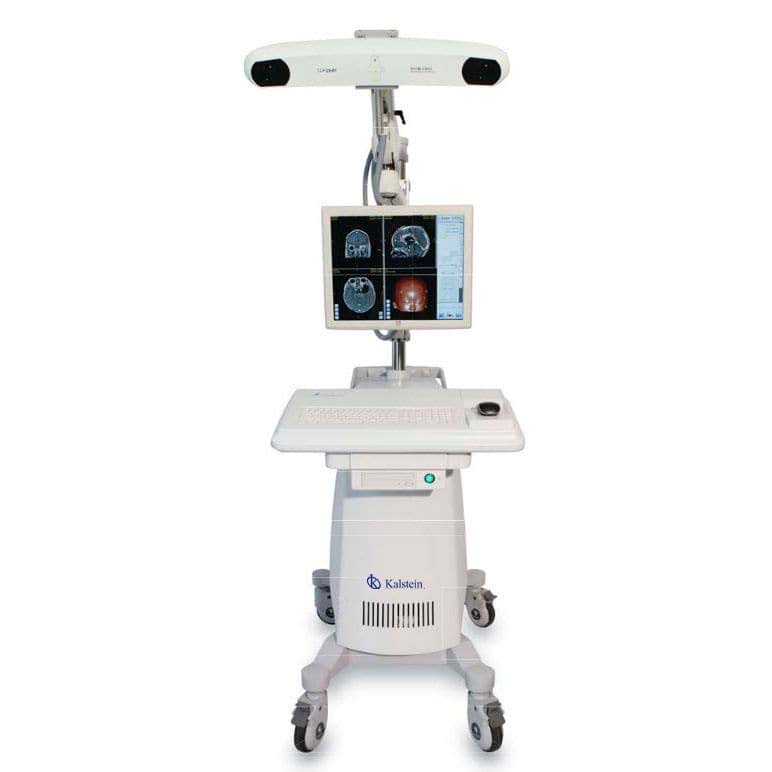
Surgery is one of the most important fields of medicine with a track record of success in improving patient health. Innovation has been and remains the key to success in the field of surgery and has had to move quickly to meet the new needs of patients. Technological advances have significantly improved the efficacy and safety of surgical procedures, allowing professionals in the area to diagnose and treat clinical problems effectively.
Study of Safety, Efficacy and Reliability of the Optical Surgical Navigator in the Spine
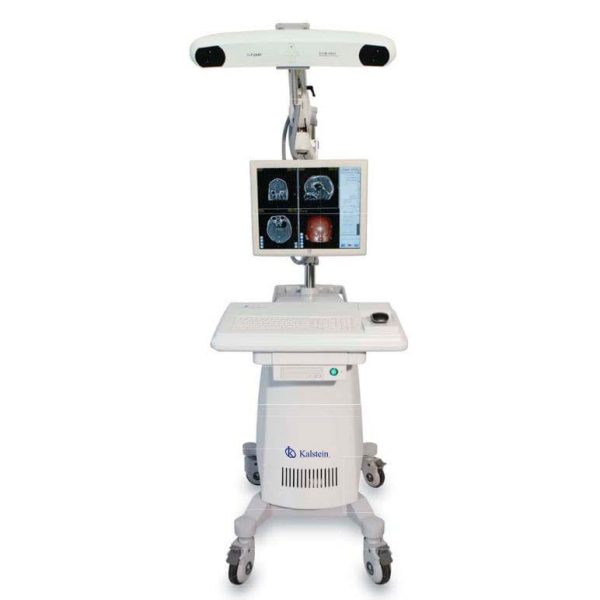
The optical surgical navigator is a relatively new technology, which is gaining popularity in spinal surgery. The short-lived optical navigator is an optical position control system based on a traction screw, used to guide the correct reference plane during minimally invasive surgery.
Reverse osmosis for the water desalination process
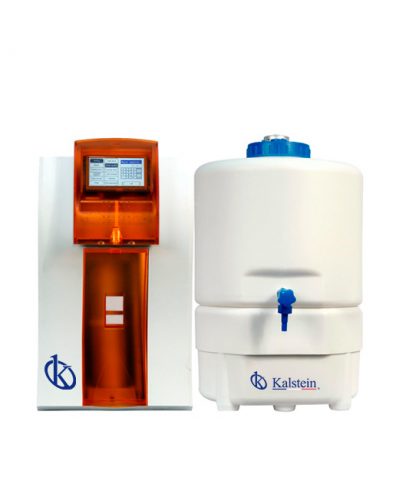
Desalination is the process by which mineral salts dissolved in water are removed, so that brackish water can be converted to drinking water. The transformation that passes water from saltwater to freshwater can occur naturally through the water cycle, as it is evaporated and then condensed. For centuries, water desalination has been employed on ships and submarines to provide fresh water to the crew for long periods, and it was until recently that it was available on an industrial scale.
What to do if the water purification system in the lab stops working?
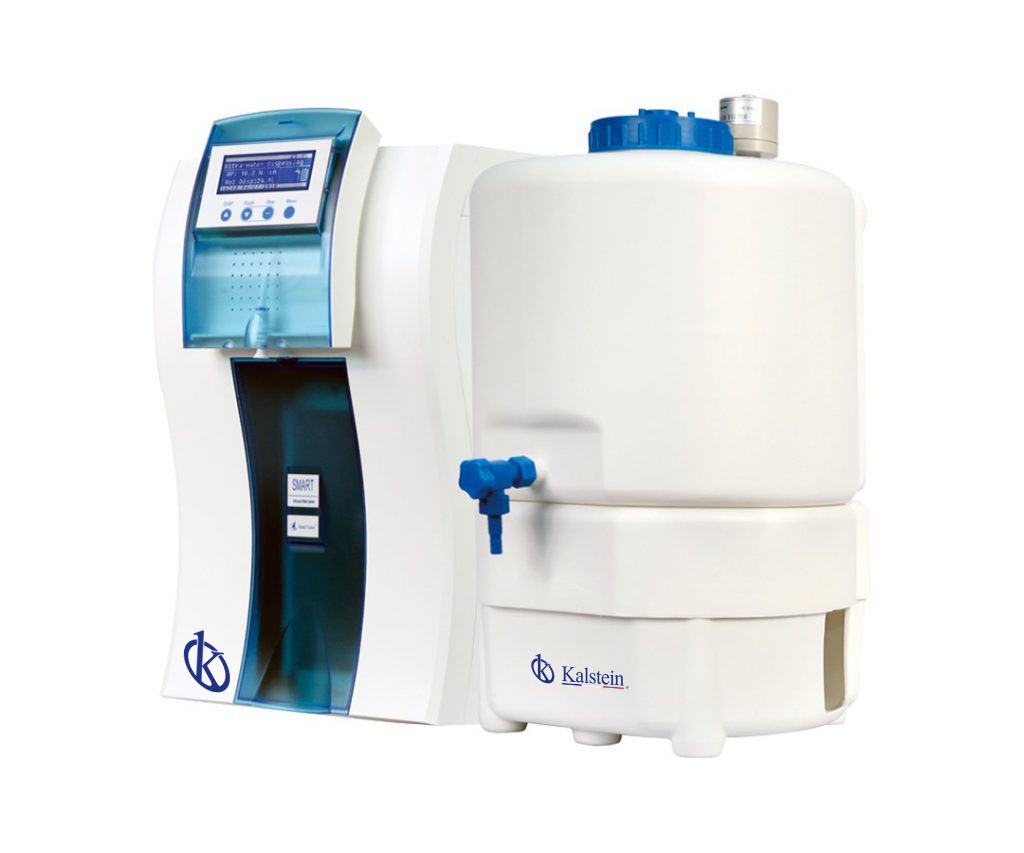
Contamination of the water used in the laboratory can not only affect the performance of the process, it can also decrease the sensitivity of detection. For example, it has been revealed that 70 % of the problems that occurred during high performance liquid chromatography processes are directly attributable to water quality and the presence of impurities in it….
What to do if there is a leak in the water purification system in the laboratory?
To carry out precise and efficient experiments at laboratory scale it is necessary that the incorporated water is of high quality. Water is an essential resource for successful experiments, its physicochemical and biological characteristics make it suitable for certain uses. To obtain optimal analytical results, water should be used with a quality according to the methodology to be used and the available technology. At present, there are different levels of purity that vary depending on the properties and composition of this substance…
Components of the water purification system in the laboratory
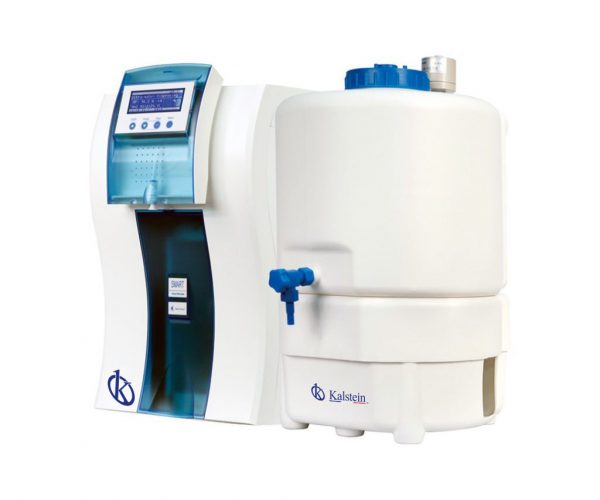
The equipment for water purification that will be used in the laboratory, vary according to the degree of purity of the water they produce; likewise, the components of each system, differ between them. The selection of equipment or system will depend on the requirements in terms of water quality and quantity…
Water purification system: What systems exist in a laboratory?
Good quality water is considered a key element to successfully carry out the analyzes and experiments that are carried out in laboratories. Laboratory water purification systems provide a source of pure water, continuously and alternatively, to carry out the different analyses, tests and experiments that are carried out in a laboratory…
How to store water from the water purification system in the laboratory?
However, pure water can absorb impurities during storage, a situation that increases as time passes, due to the existence of multiple sources of contamination in the laboratory. This contamination, which can take the form of ions, gases, bacteria, endotoxins, silica, can filter through the walls of water tanks and reach stored water. The contamination may even come from the container itself….
Water Purification Systems: Ionization
In any laboratory we require the use of drinking water to fulfill some basic functions within them, such as: repair solutions, safely wash laboratory materials, perform experiments; there are several processes that are carried out to obtain drinking and ultrapure water, some are used combined…