
Advantages of water purification system in the laboratory
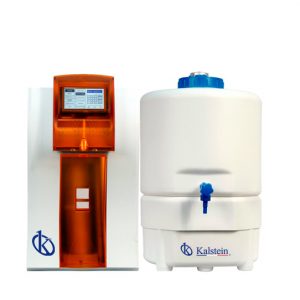
The repeatability and accuracy of a laboratory’s analytical results depends on the reliability of the pure water it uses. Water purity requirements vary depending on the equipment being used or the analysis being performed. This means that, for each experiment, the purity and conductivity of the water must be rigorously taken care of….
What is a Water Purification System?
Water is one of the most precious and vital riches for humanity, to the point that it is primary for life. But, despite this, it can also contain and transport microorganisms and bacteria that can potentially cause serious health problems (including high mortality rates in the developing world). Fortunately, today there are solutions to clean water from impurities, such as water purifiers….
Inspection of Power Supplies in the Laboratory
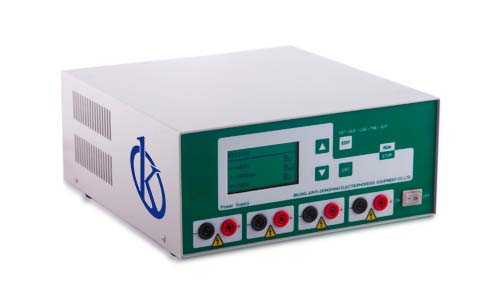
Inspection of power supplies in the laboratory is an important part of proper maintenance processes. This ensures that equipment, voltages and instruments are doing their job as efficiently, safely and effectively as possible. This also helps prevent accidental damage to equipment, which could lead to data loss or expensive repair time.
How to test the Power Supplies in the Lab?
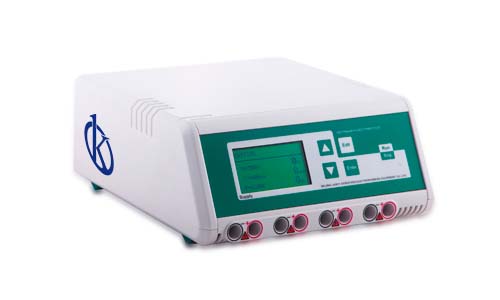
As electronic devices become smaller and smaller, power requirements become increasingly important. That’s why power supplies have become a vital part of electronic equipment design. This means that testing is a critical part of electronics manufacturing and is done in a laboratory, so it is important to understand the basics of how it is done.
Optical microscope and stereoscopic microscope: what are the differences
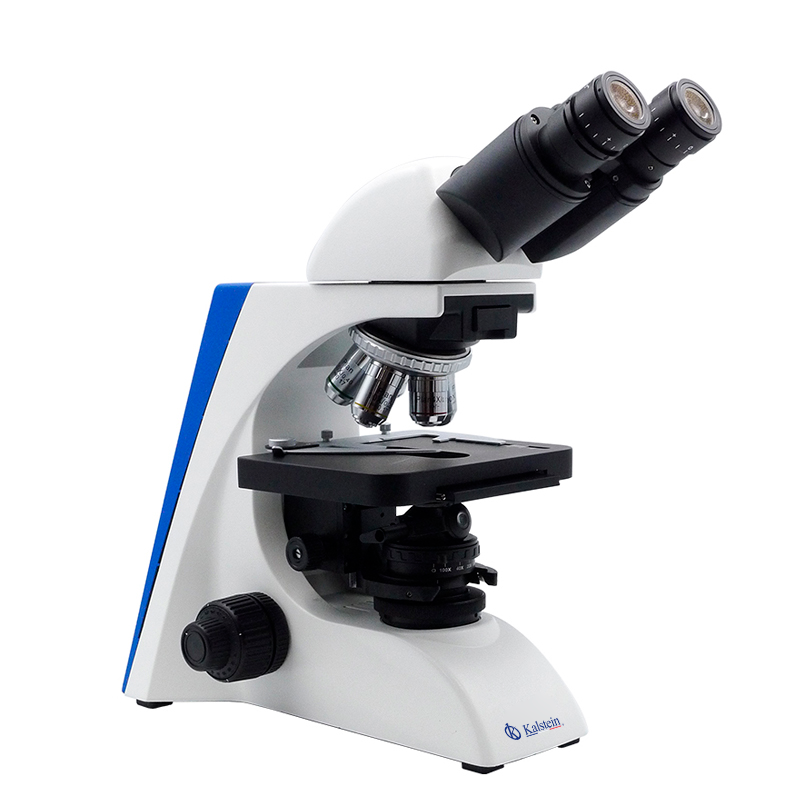
The optical microscope is one of the greatest scientific inventions of humanity, its appearance marked a before and after in the history of science, especially in the fields of medicine and biology. A microscope can be defined as an instrument that allows you to observe in an enlarged size elements that are imperceptible to the human eye.
Laboratory microscopes: types, uses, and applications
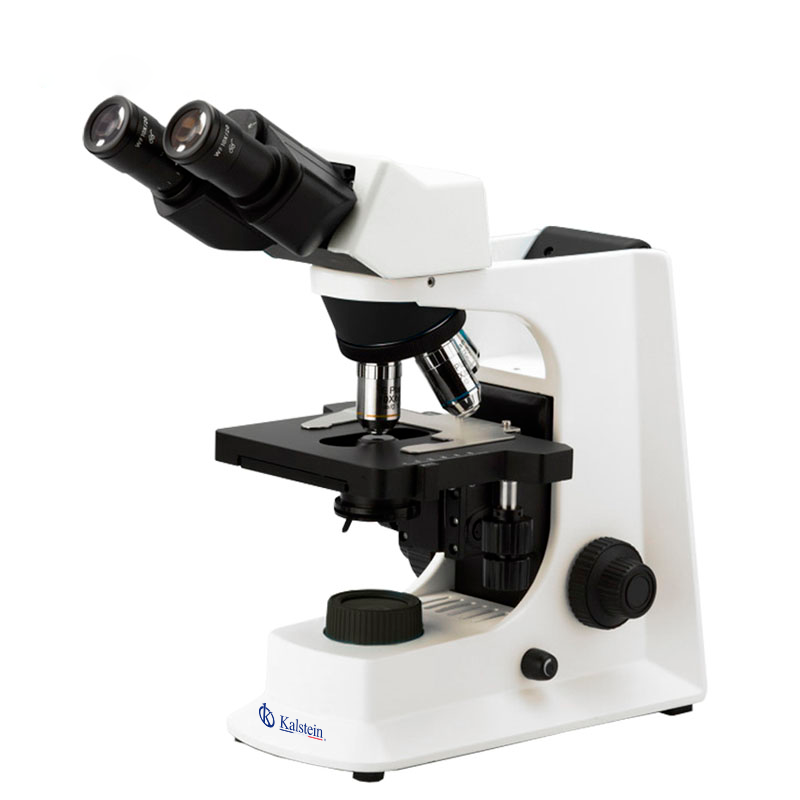
Currently there are a wide variety of microscopes for different applications in the laboratory. Its main differences are in the imaging system, lighting, configuration and design.
Microscopes and Technical Service
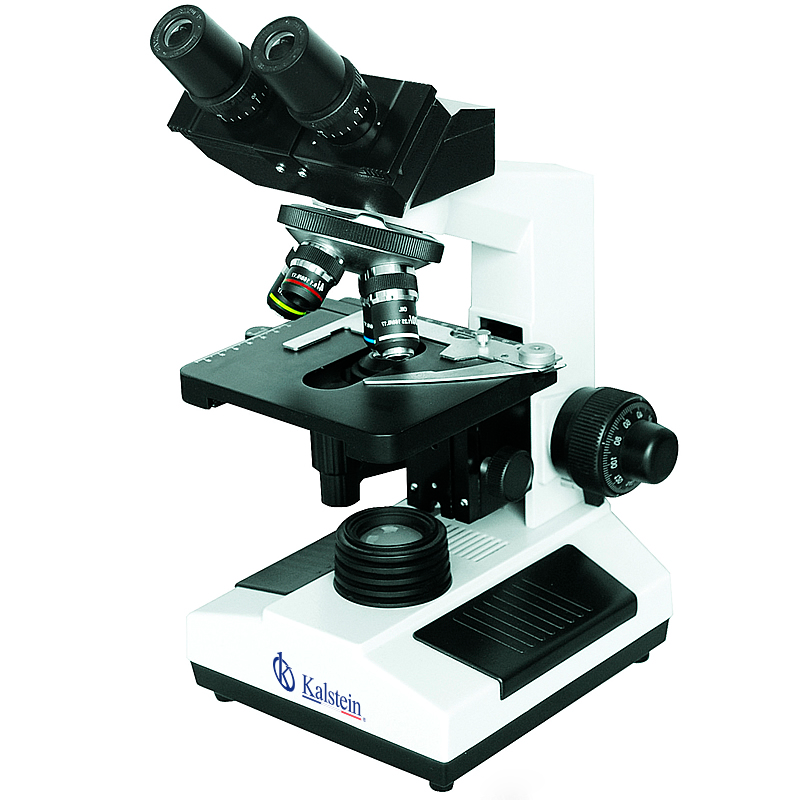
We will epistemologically define the word microscope; Micro which means small and scopio which means to observe; this is a reference of the usefulness of this device, which is a device that allows us to observe elements that are invisible to the naked eye, through a lens, viewfinders and rays of light; This instrument includes a set of elements that allows us to enlarge or bring the sample closer to scales where we minimally observe components to perform an analysis and examine the sample.
Microscopes – types of condensers
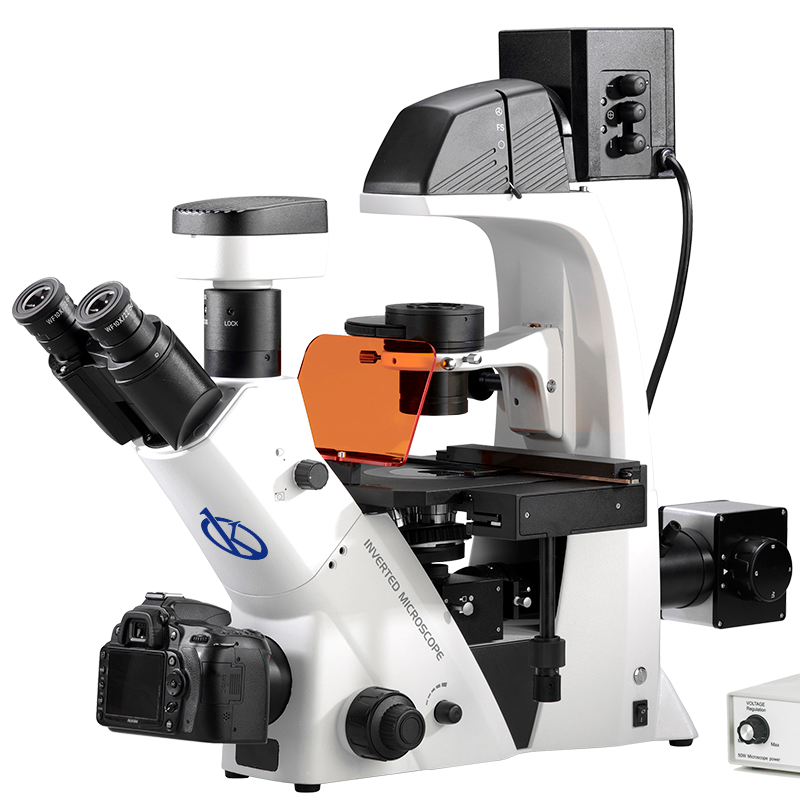
The microscope is an instrument that increases the size of an image and allows you to see more details than would be possible to perceive with the naked eye. The condenser of a microscope is a key part of a microscope, it focuses the light that passes through the stage of the microscope where the sample is placed, thus providing illumination, contrast and clarity in a uniform way to the sample.
Maintenance of an electrosurgical unit
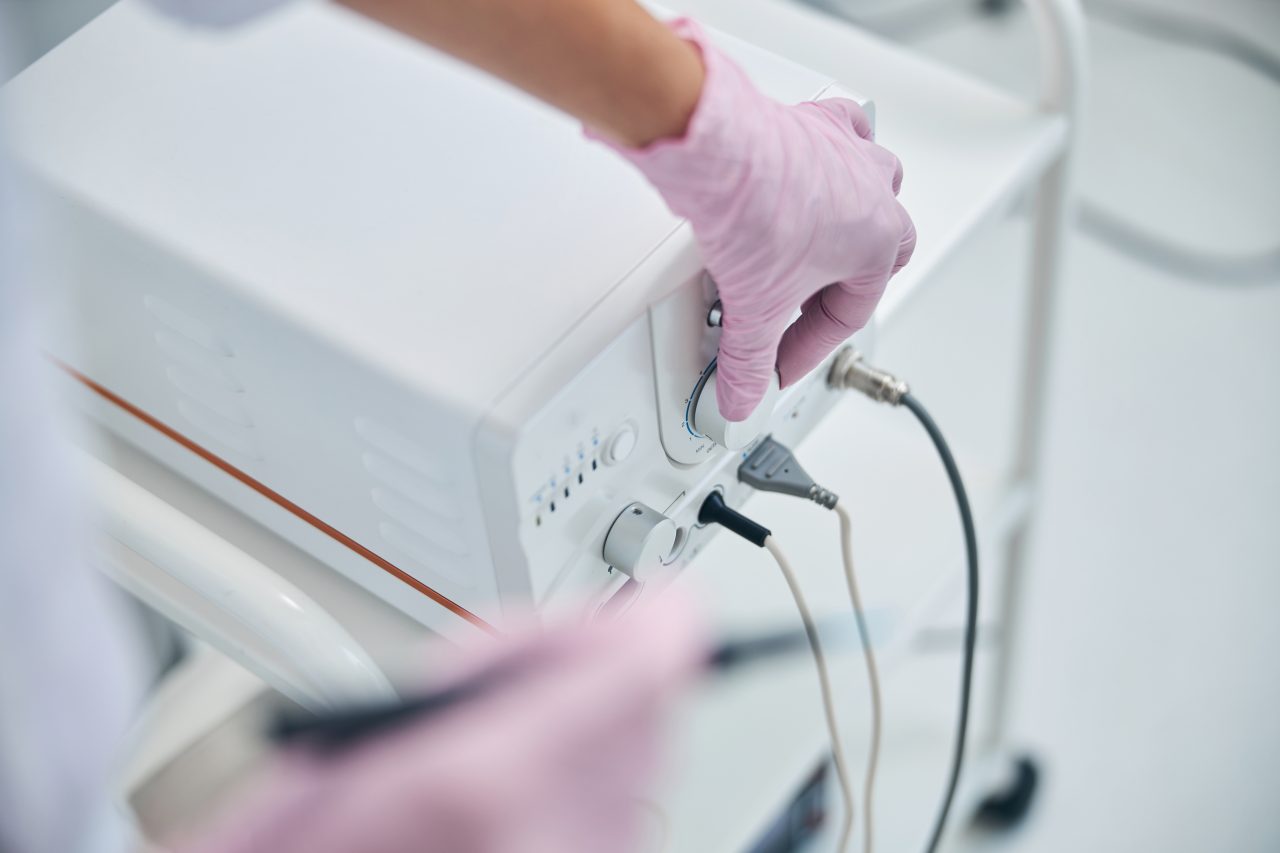
The electrosurgical unit is a medical equipment that uses heat-generating electrical phenomena; to achieve effects such as clotting, flushing, drying or cutting tissues, depending on the action desired by the medical operator. This is achieved, thanks to heat production by the passage of an oscillatory electric current, concentrated in a small area.
Electrosurgical unit What is its importance in an operating room?
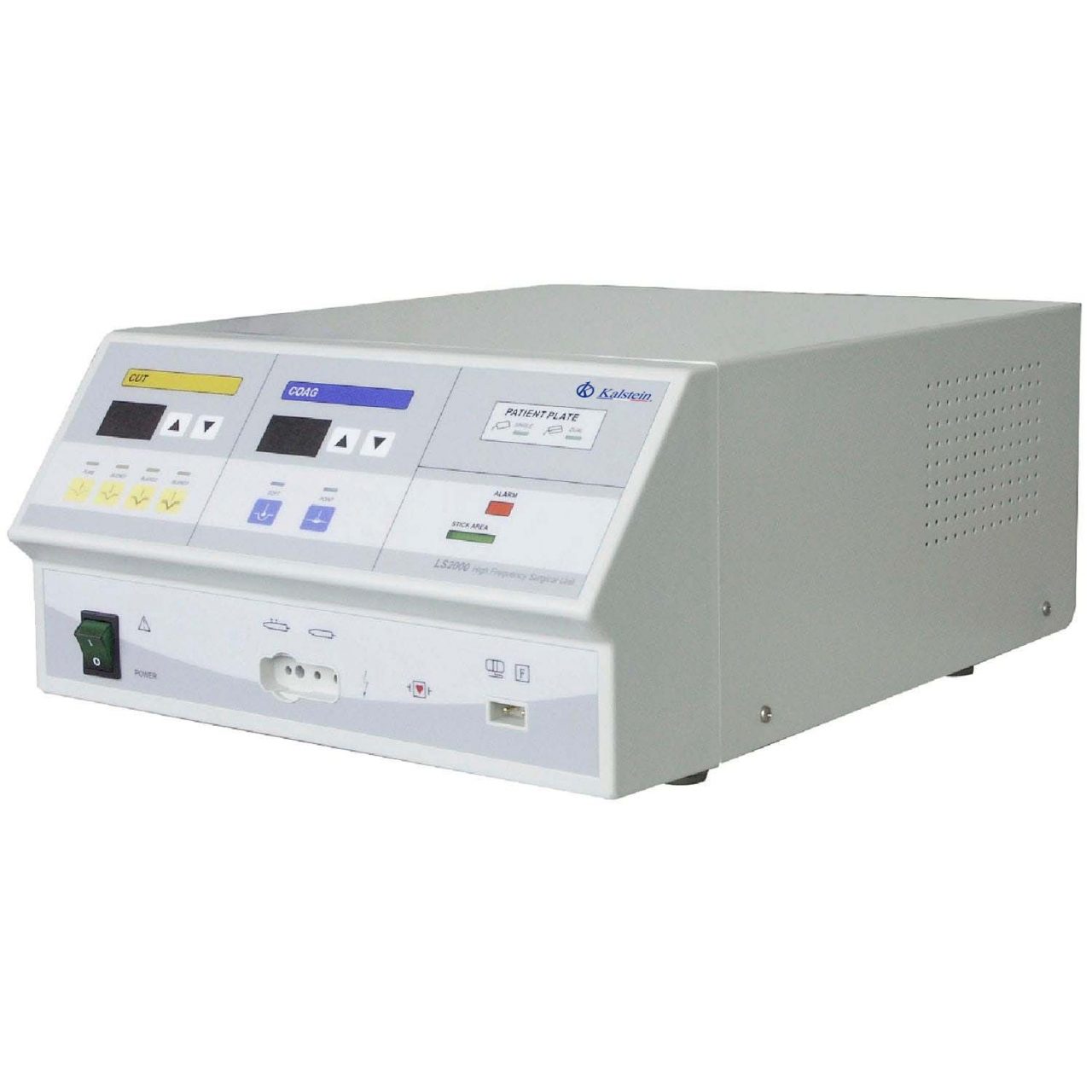
The electrosurgical unit, also known as electrosurgical unit, is a medical equipment that uses electrical phenomena that generate heat; in order to coagulate, fulgurate, dry or cut tissues, depending on the parameters established by the medical operator. The generation of heat is achieved through the passage of an oscillating electrical current, concentrated in a small area.