
Climate chamber for cosmetic industry
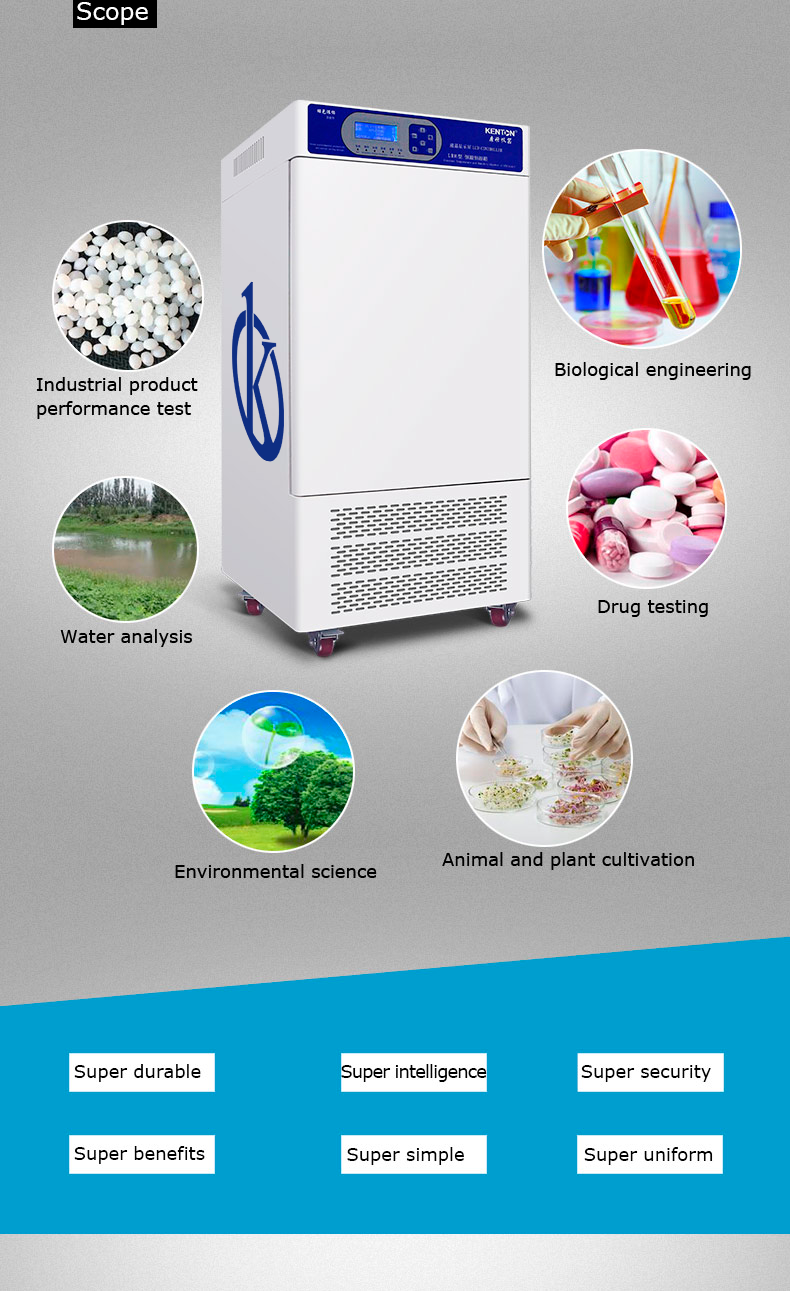
The climate chamber, also known as test chamber, moisture chamber or environmental chamber, is used to perform life and stability tests in the cosmetic industry. It is a team that allows evaluating the response of different types of samples to different environmental conditions.
Monitoring of thermal testing with the use of the climate chamber
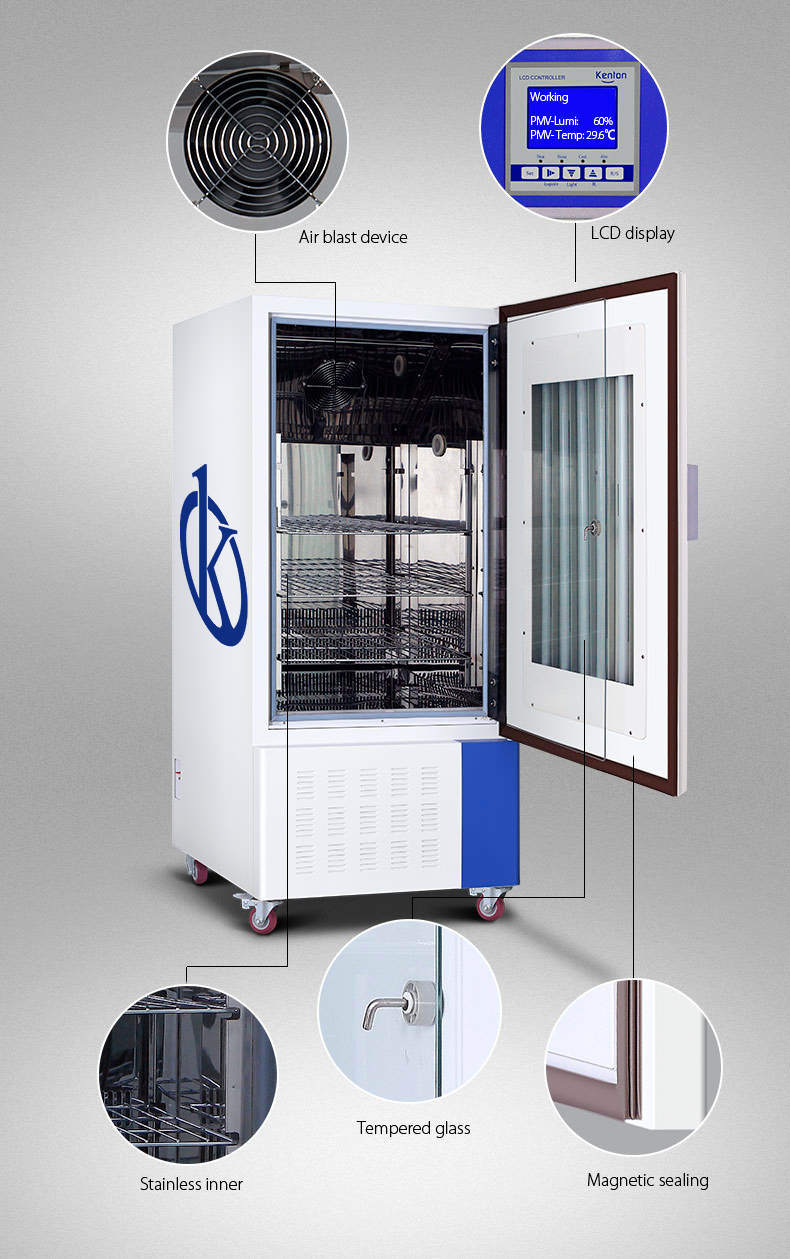
The evaluation of manufactured products, under environmental conditions similar to those where these elements will operate, allows to guarantee the quality and reliability of the product, in addition to the expected performance, in the environment where it will be used.
What are air conditioning chambers?
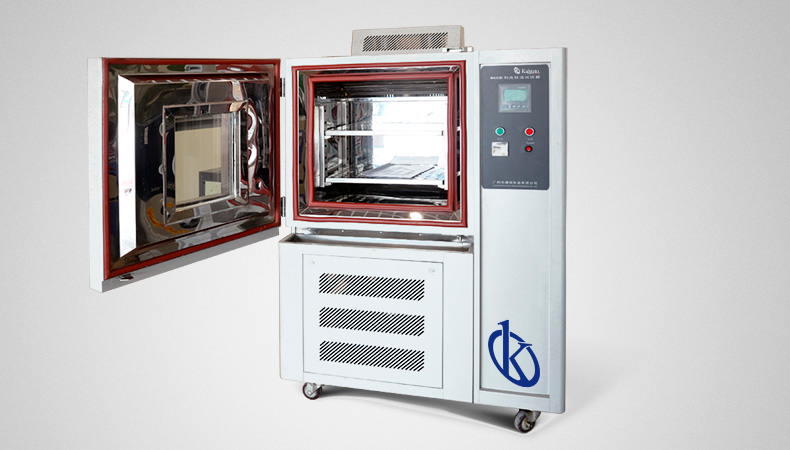
The air conditioning chambers are units that artificially offer controlled environments necessary to perform tests according to the specialty. They are responsible for environmental simulation, accelerated aging, quality control, materials and systems research, product stability study, wet conditioning, behavior analysis of animal and plant species, among others.
Portable refractometers and their clinical applications
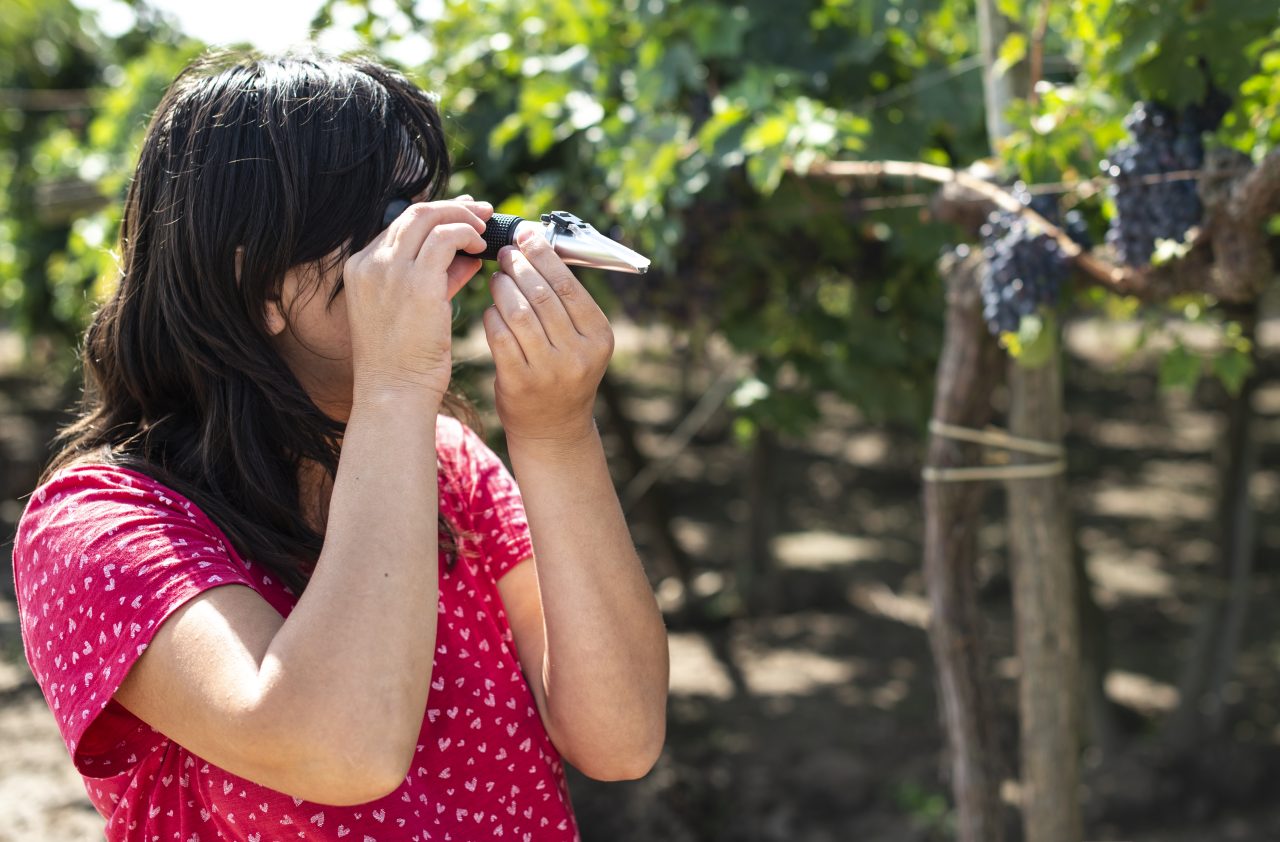
It is a portable device of firm use, which is used easily to monitor in a simple way the Brix degrees, that is, the sugar content in solutions, facilitates measurements in the field, these portable refractometers can be manual and desktop type, which makes it more practical in addition to being considered synonymous with accuracy and simplicity.
Refractometers How many types are there?
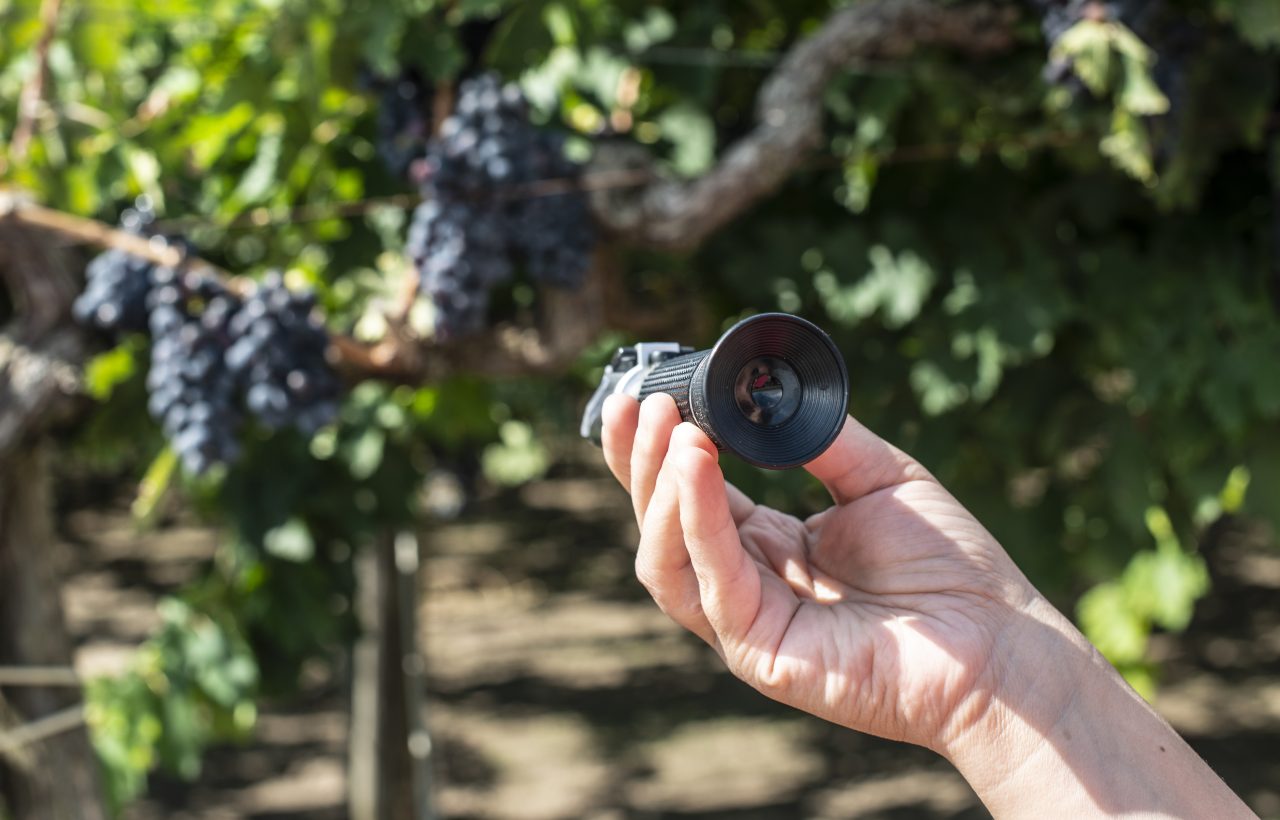
A refractometer is an optical instrument that measures the refractive index of a substance. In obtaining this index, different properties of the element can be calculated, such as the concentration of blood protein, urinary density, sugar content or salinity.
Characteristics of refractometers

Refraction can be defined as the change of radiation direction when passing from one material to another, this phenomenon is associated with the differences in the speed of light propagation in the two media. The method to calculate the refractive index of a sample in order to know its purity is the refractometry and the instrument used to determine it is the refractometer.
Refractometer: What do they measure?
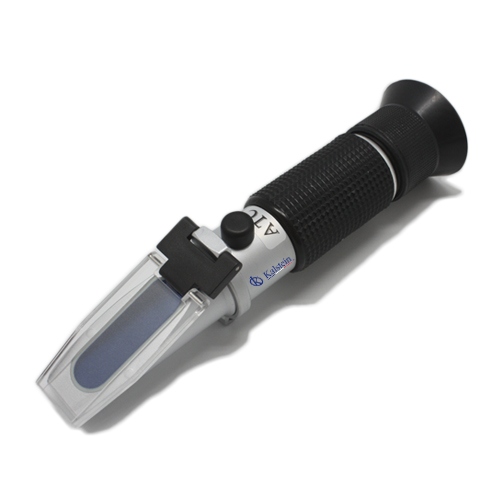
The refractometer is an optical device that serves to measure the percentage of soluble solids in a liquid solution, this instrument uses the physical principle of total refraction of light, which originates from the concentration and type of substance dissolved in a liquid solution.
How is Food Analyzed with the Refractometer?
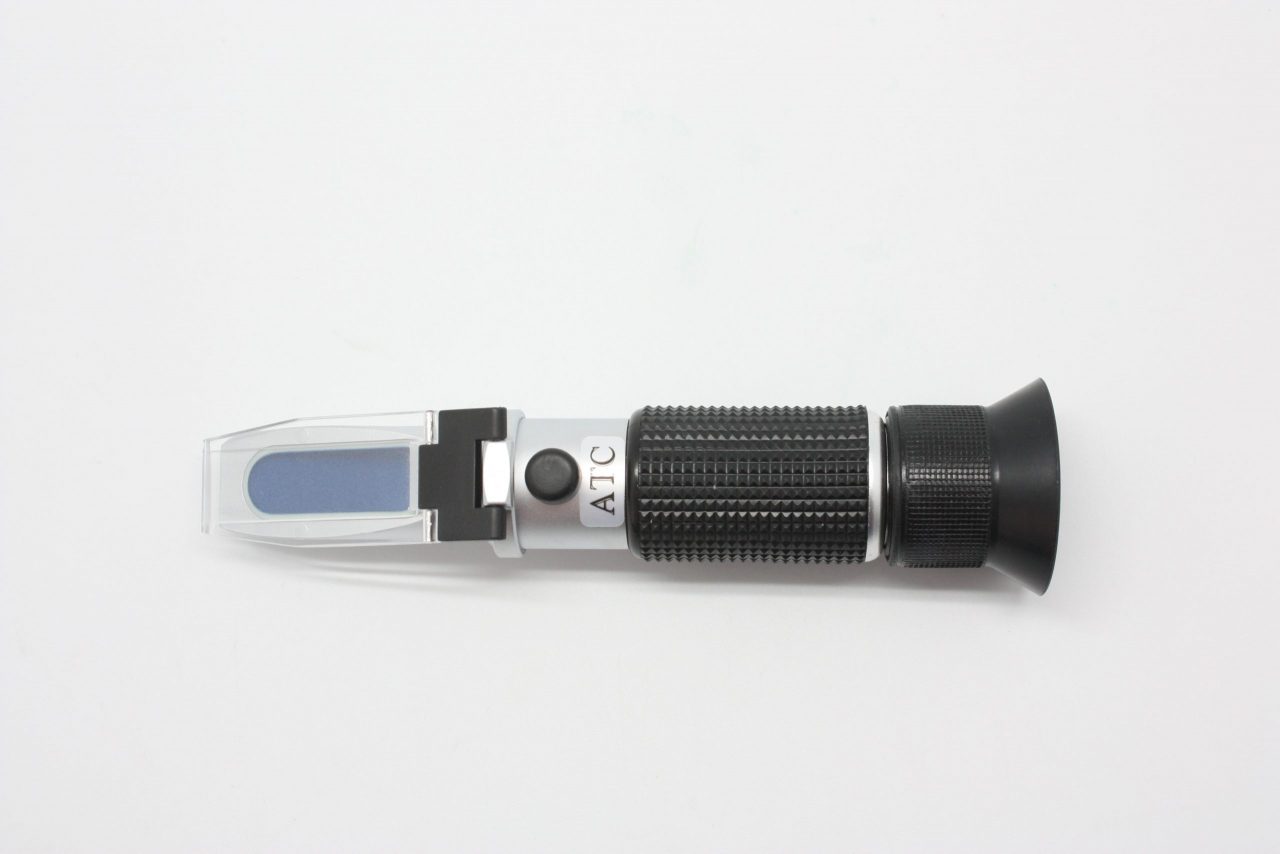
The refractometer is an instrument that is used in laboratories to obtain sugar levels, sodium chloride, degrees Brix expressed in percentage (%), fructose, glucose in syrups, oils, juices, among others. This new equipment calculates the refractive index of light passing through the sample and correlates the values in scales, demonstrating that a certain amount dissolves in it, and converts it to dense, and its optical properties are altered, all this corresponds to the speed at which light passes through the substances and determines how much is refracted or bent.
How do I read the Refractometer?
The refractometer is an optical laboratory instrument designed to measure sugar, alcohol or salt content in Brix, depending on the type of sample. This type of measurement is usually applied in the food and beverage industries, among others., and constitutes the determination of sucrose in water, where 1gr Brix, is equal to 1gr sucrose / 100g solution.
Use of Micropipettes in Blood Tests
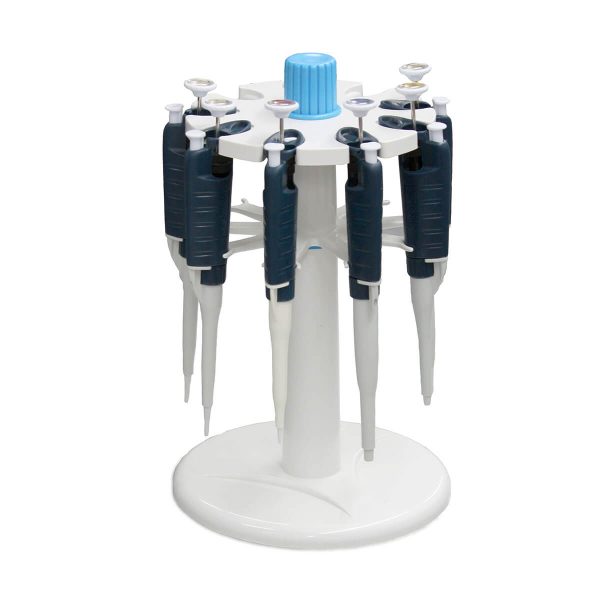
Micropipettes are small portable devices that can be used to measure and transfer small amounts of fluid. They are often used in laboratories to transfer small volumes of fluids, such as DNA, RNA, and blood samples. As micropipettes are increasingly used in blood tests, it is important to understand how they work and how they can be used effectively.