
Ultrasonic Cleaners: Personal Care for Beauty Salon
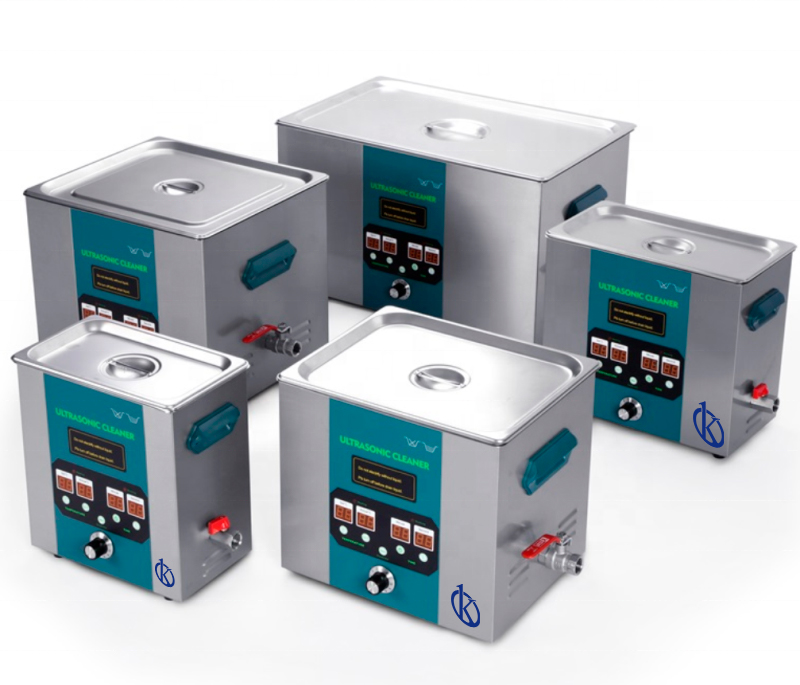
In cosmetic centers, the topic of health is a priority. It is necessary to implement safety measures in beauty salons linked to hygiene, to ensure the well-being of customers and workers, due to the constant exposure to microorganisms causing infections.
How does an Elisa Microplate Washer work?
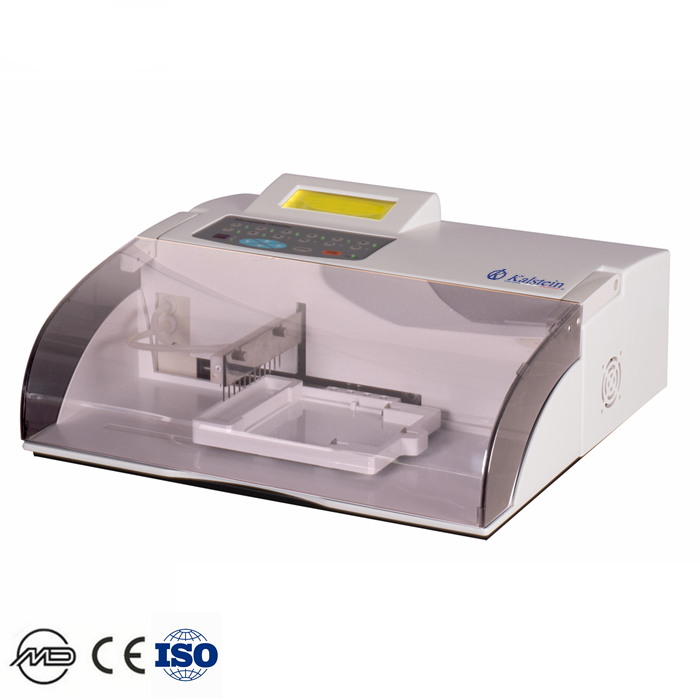
It is a laboratory device used to perform automatic washing operations on microplates. They are used for studies and research, drug discovery, and quality control. It is an autonomous system, able to configure microplates, from 96 to 384 wells, using simple protocols.
Using the Microplate Washer to Perform Syphilis Virus Serology
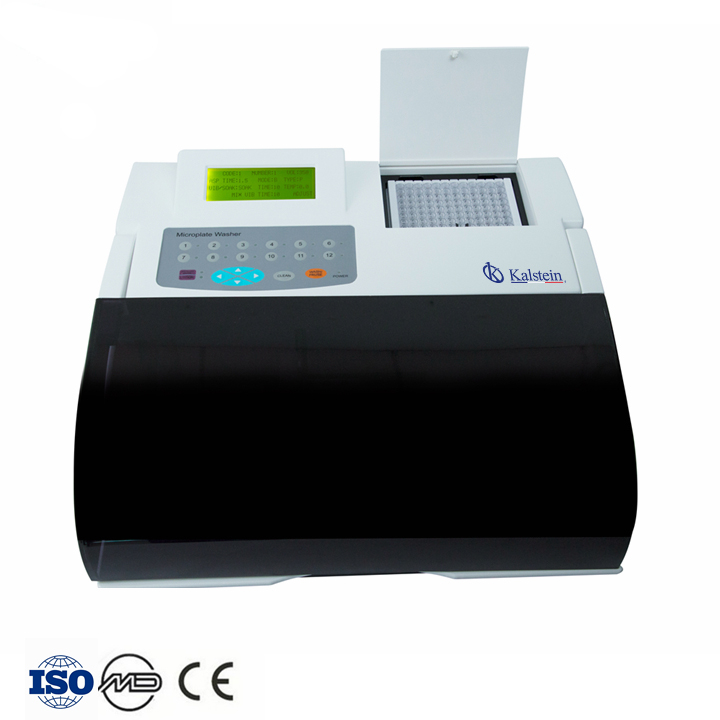
The microplate washer is a laboratory team responsible for cleaning the polyethylene plates used during Elisa’s practice. Its importance lies in sanitizing to remove any unbound material and substances that have not reacted.
Elisa washing machine to detect Human Lymphotropic Virus infection

The microplate washing machine is a machine designed to clean the plates used during the Elisa practice, by processes of infusion and suction of the substances or show that they are embedded in the polyethylene support. It has tanks that contain liquids, one of them is in a washing buffer and the other one collects the substances that are discarded.
What technology does the homogenizer use?

Homogenizers are indispensable elements in any laboratory, since homogenization is a technique widely used in various fields and with various materials, for example, with tissues, food, soil, plants and many others. In fields such as biology and biochemistry, homogenizers are used to break cells and disintegrate tissues, aiming to do the least damage to the plasma membrane. Thanks to its operation, biological samples can be prepared to analyze proteins or nucleic acids, to study cells, pathogens or metabolic pathways, among other applications.
Use of Homogenizer for dental products
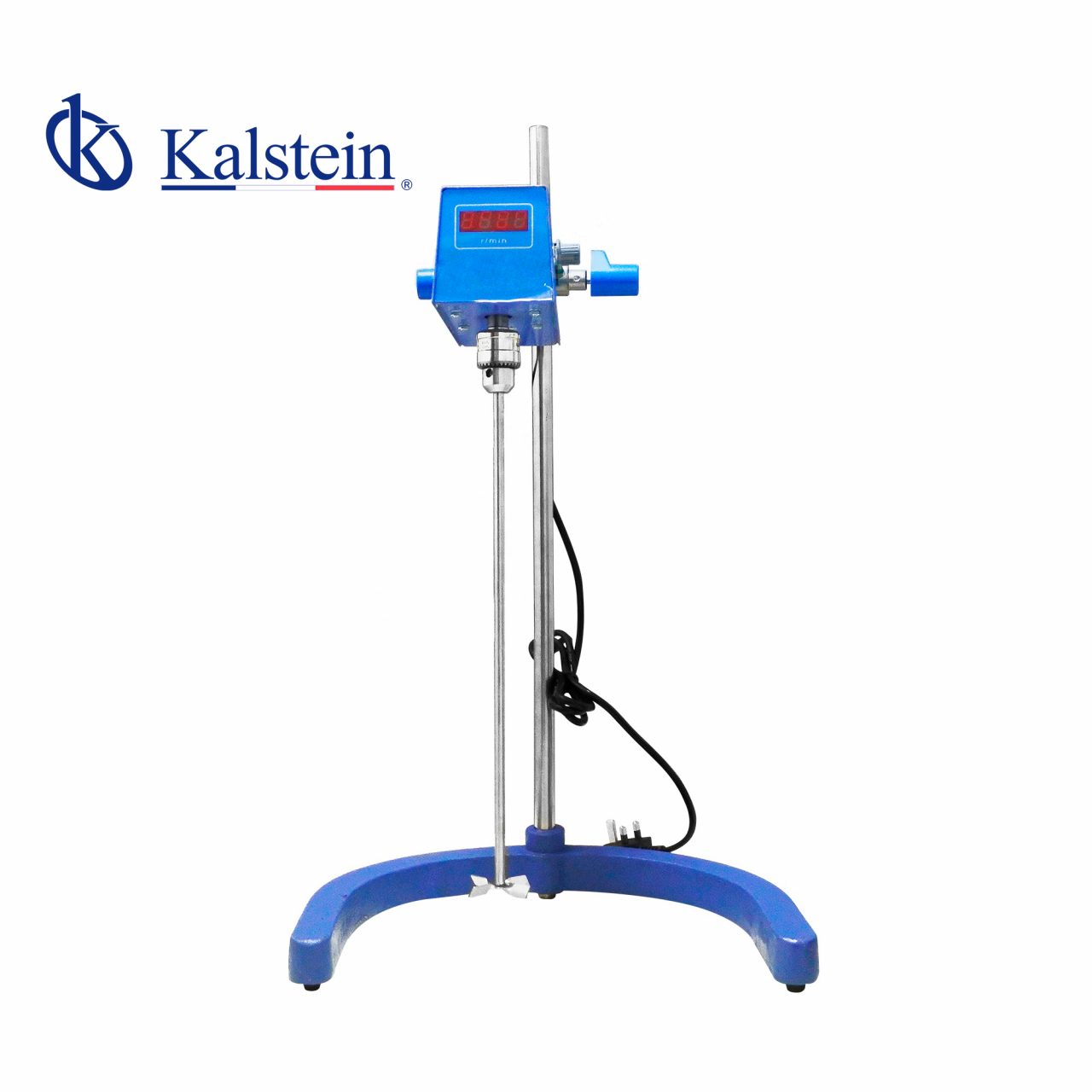
A homogenizer is a vital equipment among the components of any laboratory, since with them the technique of homogenization can be performed to different types of materials, among which stand out, food, plants, tissues, chemical reagents and particles, among others. Homogenization is an extremely common process in most science and industrial laboratories, and its applications include the preparation of biological samples, the processing of food to increase quality and the processing of cosmetic and dental products.
What are the advantages of the homogenizer?
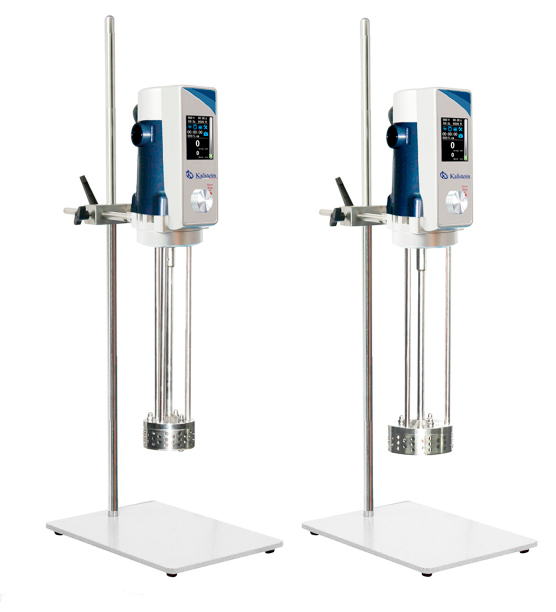
The word homogenize refers to uniformity, that is, the ability to move a mixture from being formed by several phases to being formed by one phase, that is, to be uniform or homogeneous. Homogenization is related to the use of chemical substances, which are sought to mix until obtaining a uniform solution, by using physical means. Homogenization can be applied to a wide variety of samples, such as tissues, food, plants, soil, among others. For this reason it is very useful in many fields of science and industry, among these can be highlighted biology, agriculture, chemistry, cosmetic or food industry, among other disciplines.
Why are the samples homogenized?

The word homogenize refers to the ability to make a mixture homogeneous, the latter referring to uniformity. This is usually related to the use of chemicals, which are mixed through physical means, until it results in a uniform solution. Homogenization is a technique that is used in many fields, from biology, agriculture and chemistry, to gastronomy, to name a few disciplines, however, are many more.
What are the techniques of homogenization?
Homogenization is a chemical technique through which components are constantly mixed that are not miscible among themselves, that is, that conventionally do not mix, in order to obtain homogeneous solutions or soluble suspensions. The final result will depend on the solutes that are mixed together as well as the type of equipment used for this technique. At present, the most commonly used instrument is the homogenizer.
Laboratory homogenizer: What are the different types that exist?
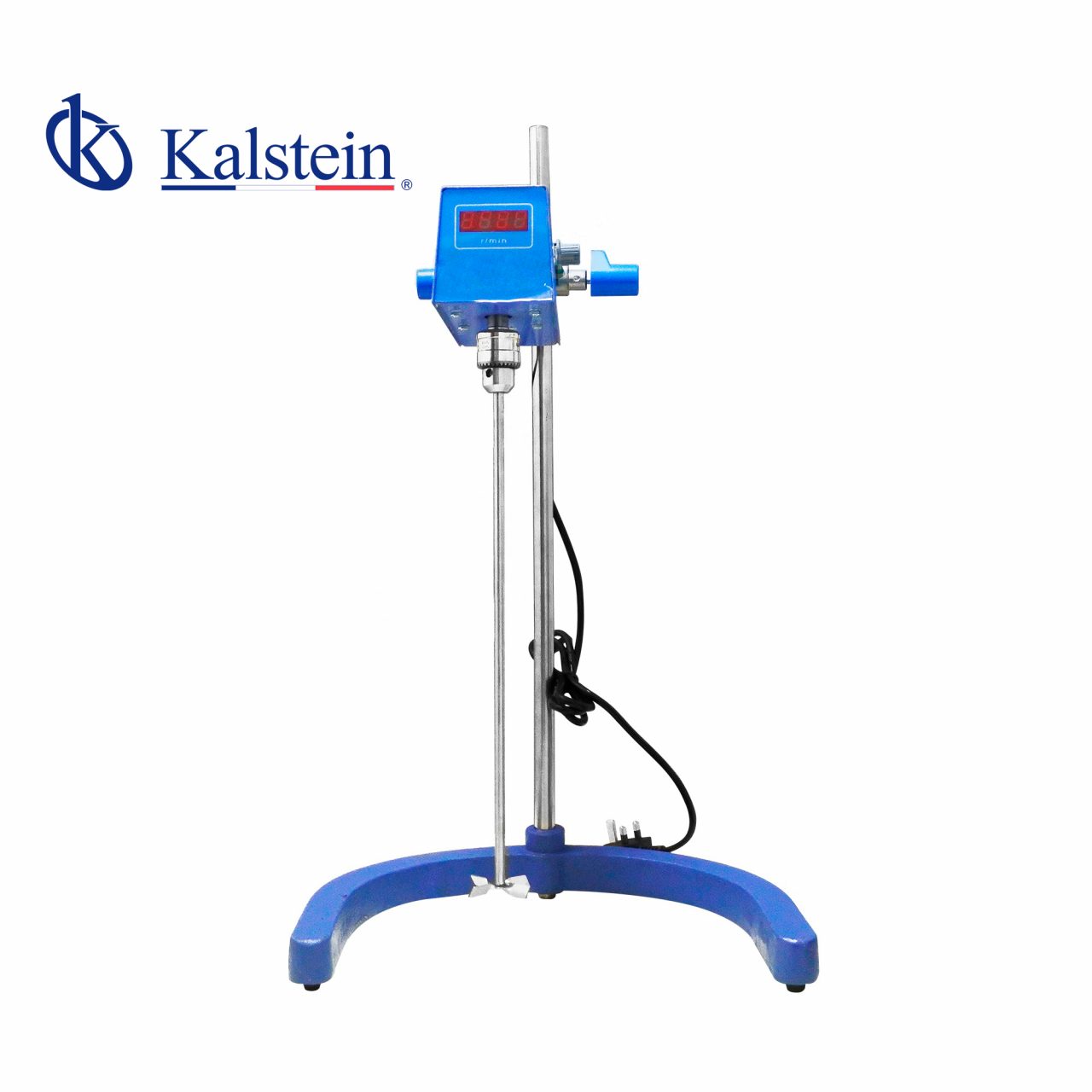
These equipments allow obtaining nanoparticles, nano dispersions, nano emulsions and cell rupture at high pressure. It is widely used in laboratories as it facilitates testing with small amounts of sample and ensures quality results; this procedure is a very common step in the preparation of biological samples before analysis of nucleic acids and proteins, or the study of cells, metabolism, pathogens and many other targets.