
How is hydroalcoholic gel made with homogenizer?
Hydroalcoholic gel, also known as alcohol gel, antibacterial gel disinfectant gel, hydrogel or antibacterial gel, is a cleansing solution used as hand sanitizer, is an adjunct to the use of soap and water. Its main purpose is to prevent the spread of germs. In general, hydroalcoholic gels should be composed of alcohol in an approximate proportion between 60 % and 85 %, the most common being 70 %.
When should the Ultrasonic Homogenizer be used?
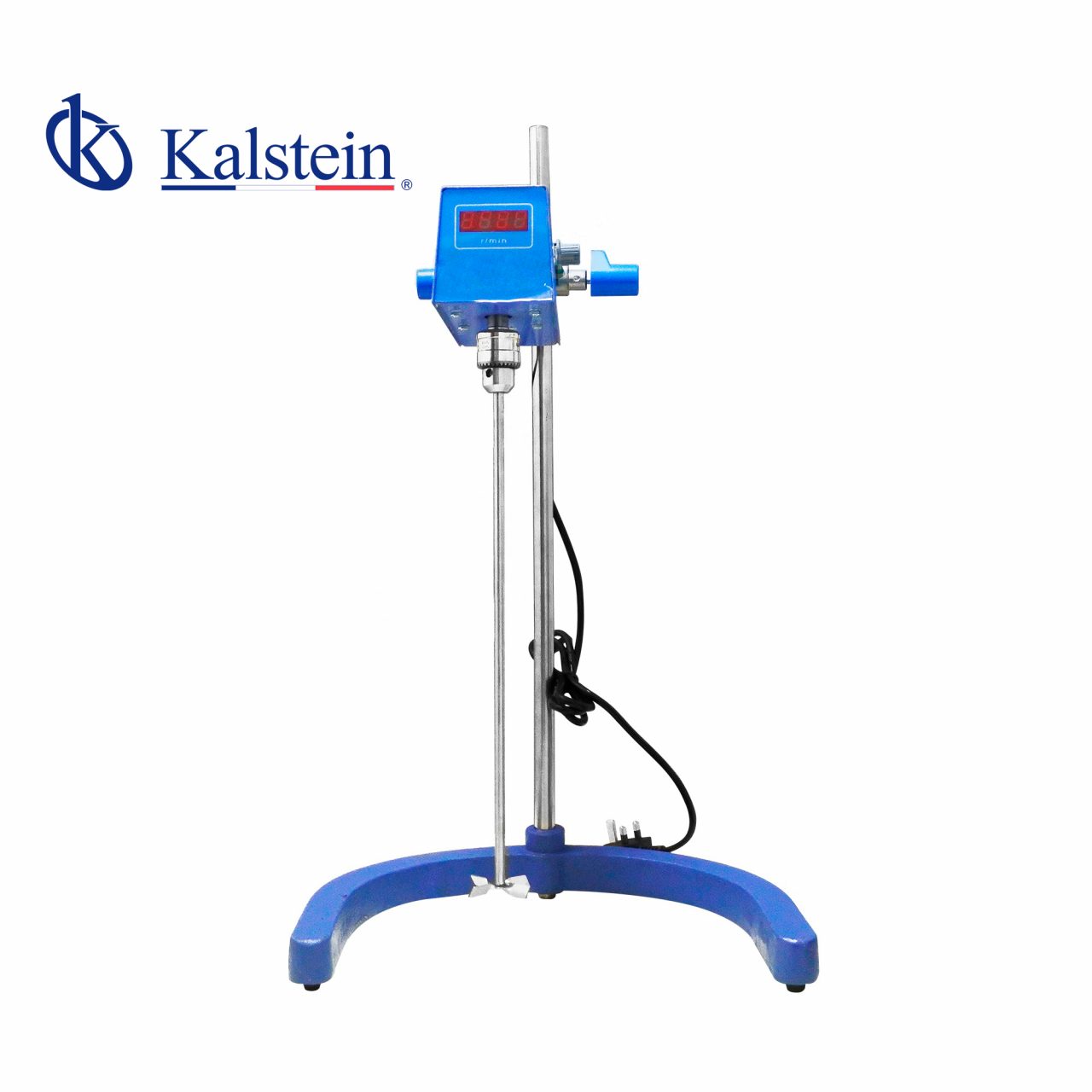
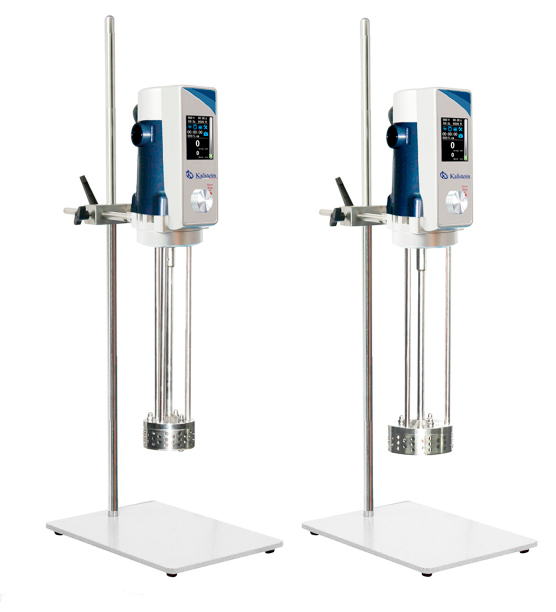
Homogenization is a chemical technique in which solutes or solvents are constantly mixed, in order to obtain as a result a uniform solution, this procedure is mainly applied when the solutes or solvents to be mixed are not miscible with each other. The degree of homogenization of the substance will depend on what is being mixed and the equipment used to apply the technique. Currently, the most common and used equipment in laboratories are rotor/stator homogenizers, high pressure homogenizers and ultrasonic homogenizers.
Recirculation Cooler: How Does It Work?
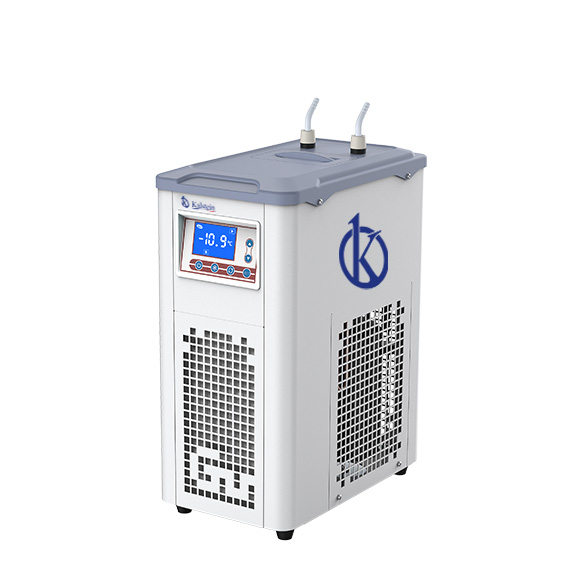
Chillers are used in many laboratories for a wide variety of important purposes, from improving the precision of experiments to improving the safety of laboratory personnel. They are teams with many uses and important benefits. Depending on the needs of the laboratory, there are different types of chillers that can be used. In this article, we will focus on recirculating coolers.
How are Recirculating Chillers used for Drinks Factories?
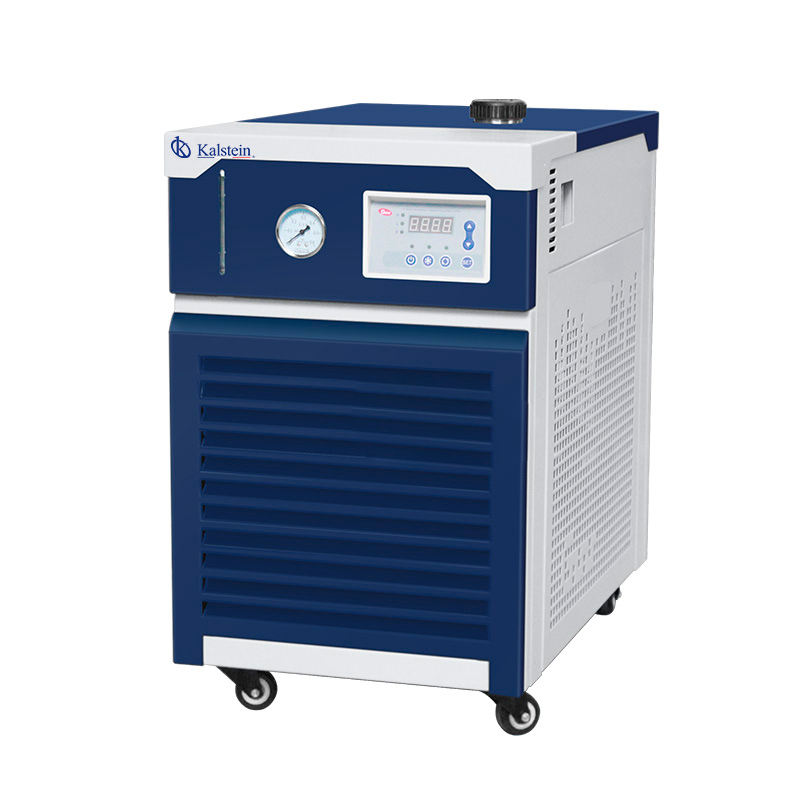
Recirculating cooling units are the equipment responsible for supplying cycles of heat reduction and continuous heat within industrial processes. These methods have a strong impact on production, operation costs and environmental conservation.
Recirculation Chillers for the Plastic Industry
Initially, the use of recirculation chillers improve manufacturing and manufacturing processes, perfecting process times, designed to work with water pressures for the control of machinery temperature. Therefore, in many industries require cooling their production units and chillers provide these functions, becoming a chilling tool applied in a wide range of operations.
Use of Recirculation Coolers for Hospital Machines
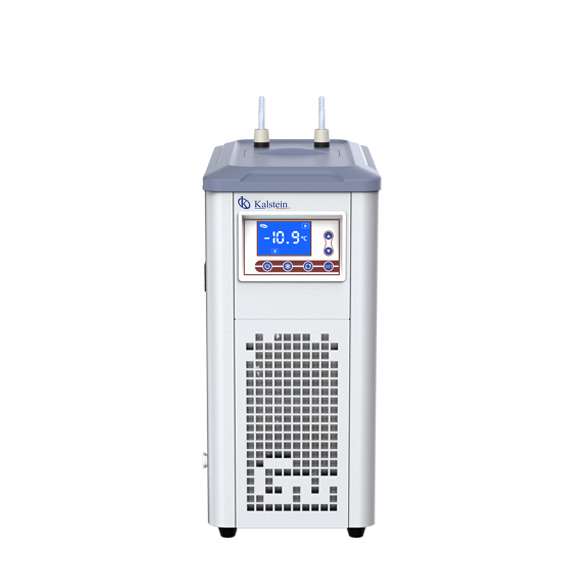
Recirculation coolers are units composed of closed circuits responsible for controlling the temperature to provide comfort to the space you want, are airtight equipment and protect the circulation of air away from pollutants present in the environment. Basically, they work with water that passes inside the machine to the recirculation cooler.
What is a recirculation chiller used for?
A recirculation chiller is laboratory equipment that is a high-efficiency closed cooling system used in various external cooling applications. These devices are especially ideal for laboratory applications that require continuous use.
Use of Recirculation chillers to conserve chemicals
Recirculation chillers are equipment responsible for air-conditioning spaces by liquid or water-glycol mixing to create comfort processes and cool a product or equipment. Transforms water into hot or cold air as appropriate. It’s a two-in-one computer that worked under a vapor compression system, using refrigerants as part of the work. There are many types of refrigerants and they are used for each application and according to the temperature needed.
Benefits of Recirculation Chillers for the food sector
Recirculation chillers are highly efficient and safe equipment with energy saving capabilities for water condensation for various sectors. These equipment are designed to meet natural cooling processes using water as a coolant and transmit the right climate to the environment before thermal situations. Its operation is based on different mechanisms, using the condensation of refrigerating water for refrigeration installations for industrial, commercial refrigeration, air conditioning, heating, etc.
Refrigeration Recirculation: What Technology Do You Use?
Within the laboratory field, recirculation chillers are high-efficiency cooling equipment, which is used in external cooling studies, to improve sample accuracy, and in turn protect the user. These equipment, with many uses and important benefits, provide constant, low temperature situations for inspections, chemical, biological and physical experiments, which must be carried out at low temperature. Such equipment in the field of medicine, are also applied in food processes, chemical industry and teaching in universities and research institutes.