
What are the characteristics of Ice Maker?
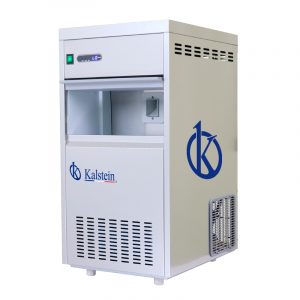
Ice, which is nothing more than solid water, can become an ingredient in the preparation of cocktails or an indispensable element for the conservation of food in the kitchen. The water used to produce the ice must be of maximum purity to meet transparency requirements and give the ice the quality of an ingredient, but this is not enough, there are processes in ice production that also depend on the type of machine chosen
What technology uses a spectrophotometer?
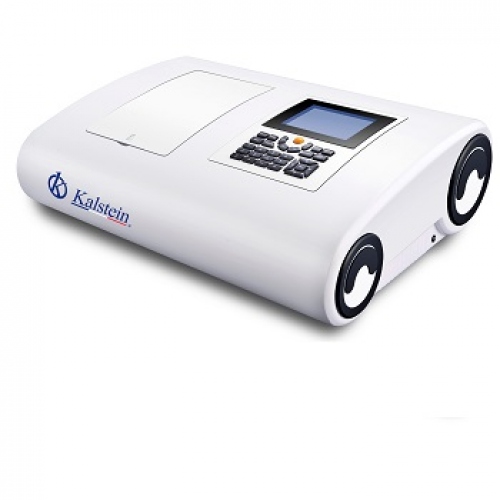
Spectrophotometry is a technique that has the ability to evaluate and measure how much light can be absorbed by a substance, either solid or liquid, this technique seeks to measure the luminous intensity of the sample when it passes through a beam of light. Spectrometry is based on the Beer-Lambert law, which explains that there is an exponential interaction between the transmission of light by means of a substance and the concentration of the same, this foundation allows it to be used in different medical and scientific areas.
Spectrophotometer: kinetic curves

A spectrophotometer is a piece of equipment used to measure the absorbance of a sample, as a function of the wavelength of electromagnetic radiation. There are several types of spectrophotometers. These are grouped according to the type of sample analyzed; There are atomic absorption and molecular absorption (commonly known as a UV-VIS spectrophotometer).
How does a spectrophotometer work?
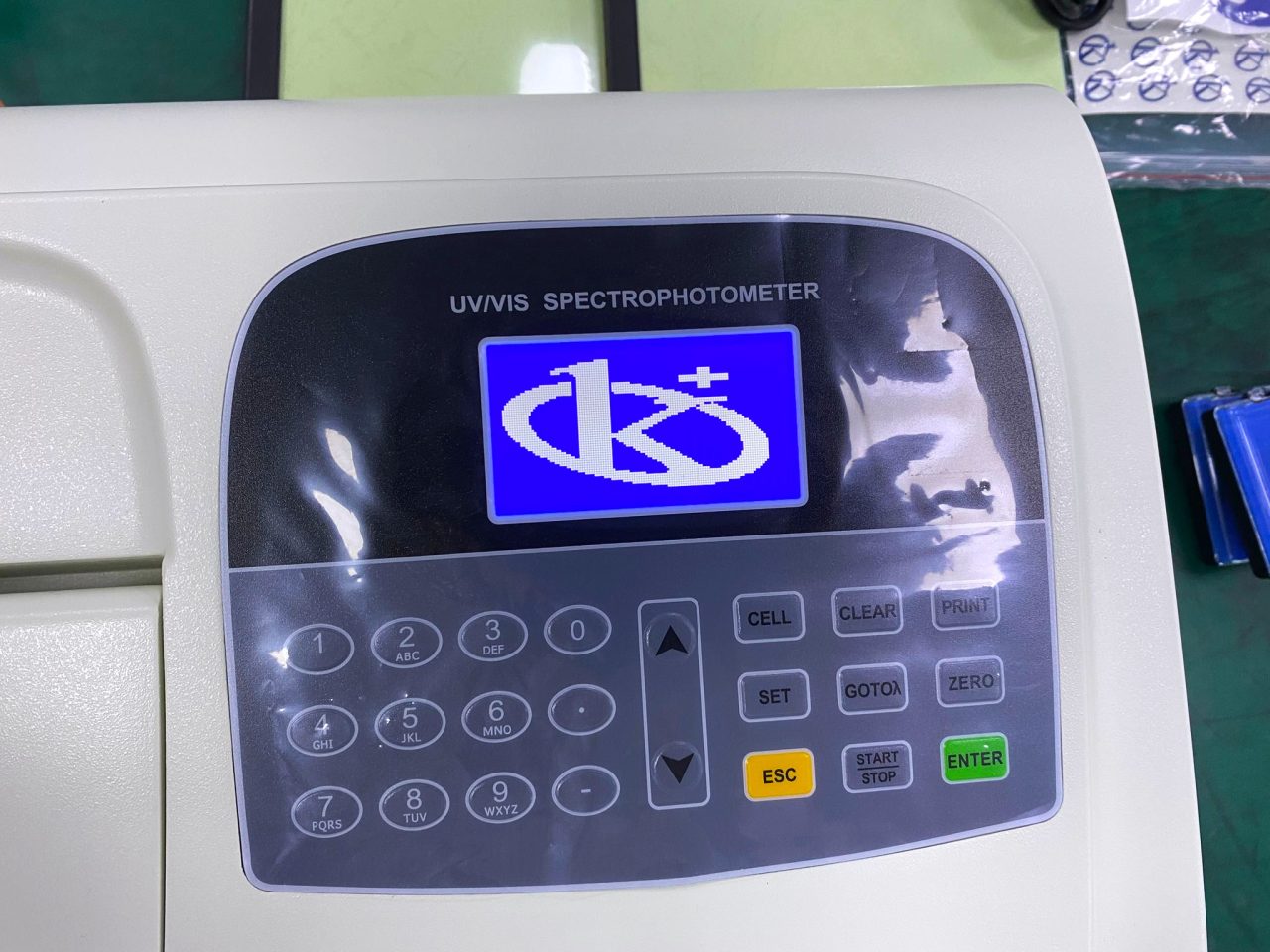
The spectrophotometer is a piece of equipment frequently used in laboratories. It is a device that measures the intensity of the light absorbed when passing through a solution, it is used to determine which is the beam of electromagnetic radiation or light, and thus identify, qualify and quantify how its energy is; in addition to allowing to identify its efficiency, sensitivity, resolution and spectral range
Visible and UV Spectrophotometer: Differences
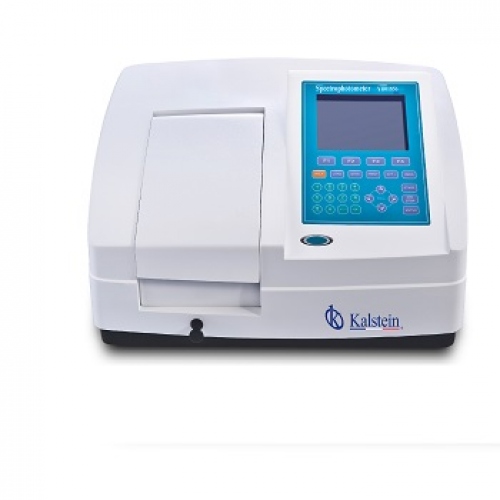
A spectrophotometer is an instrument that measures how much light a substance absorbs. This equipment measures the amount of absorbance after light passes through a solution. Each substance transmits, reflects, and absorbs light slightly differently. In chemistry, spectrophotometry is the quantitative measurement of the transmission properties of a material based on the light wave.
Where is spectrophotometry applied?

Spectrophotometry is an analytical technique that allows determining the concentration of a compound in solution. It is based on the principle that molecules absorb electromagnetic radiation and in turn that the amount of light absorbed depends linearly on the concentration. A spectrophotometer is used to measure the amount of light absorbed by a solution.
What potential does the thermo-cycler offer in the laboratory?

Polymerase chain reaction (PCR) is an enzymatic process by which a section of DNA can be duplicated as many times as desired. In English, polymerase chain reaction is also spoken, so the method is also abbreviated with PCR. Nowadays, this technique has become a part of molecular biology with great potential, since, among other things, it can be used:
PCR in scientific research
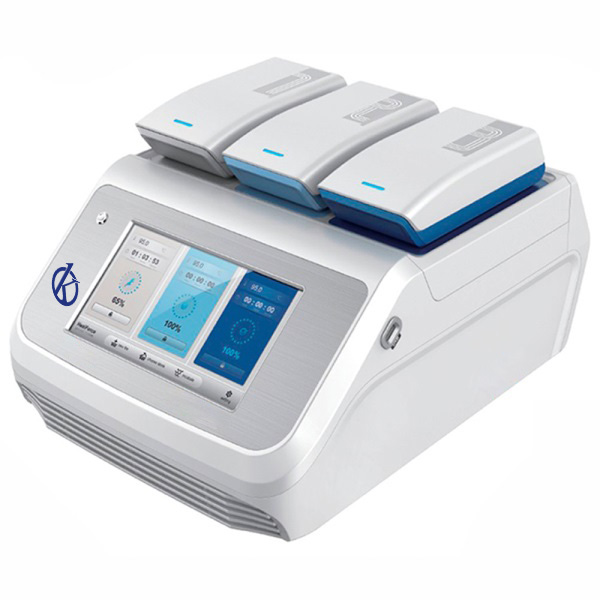
The polymerase chain reaction (PCR) is one of the scientific advances that had the most impact during the twentieth century, this technique was created by the biochemist Kary Mullis, with the aim of serving as a method to expand DNA and synthesize large amounts of it. Later on, as PCR became known, a group of scientists discovered the great contribution that PCR could have in molecular biology, which led them to investigate and perfect it to transform it from a theoretical process to a reality.
Benefits of Bacticinerator for Microbiology tests in the Laboratory
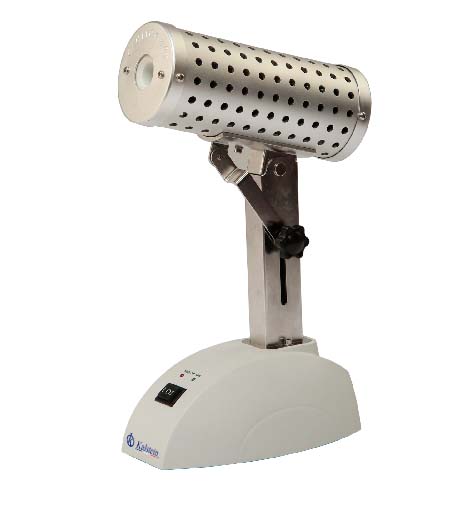
The work of the microbiology laboratory is to identify precisely, firmly and quickly the responsible agents at the species level, and identify their patterns of antimicrobial resistance. Thus, standard microbiologic methods remain consistent in providing rapid identification and susceptibility testing.
Safety measures for the use of the Bacticinerator in the laboratory
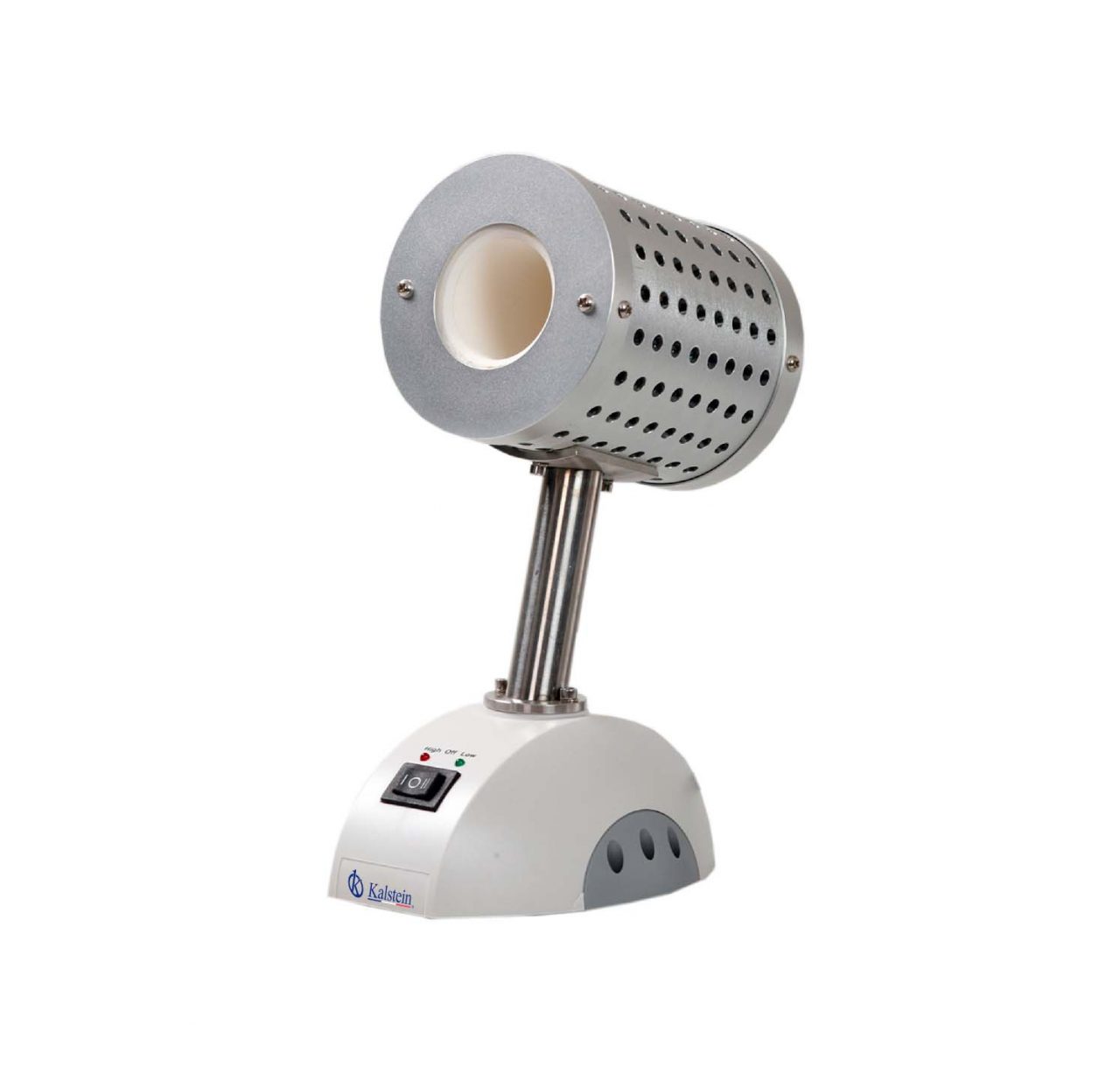
It is important to comply with security measures, because it is not only the right way to work, it is the only way to do it. Therefore, working in a laboratory involves the use of equipment and other elements, whose dangers are mandatory to study them to prevent in all aspects. Reflecting on safety measures in the laboratory is a formal requirement, since the risk of accidents such as burns, poisoning, fires or electrical shocks are always present.