
Using the Bacticinerator for the Cosmetic Laboratory
Cosmetics are products that we use to clean, protect and alter our appearance. They can be found in almost every home and are used every day by people of all ages. Although cosmetics have been around for thousands of years, their ingredients and formulations have changed dramatically over time.
Advantages in the use of Bacticinerator for Infectology Units
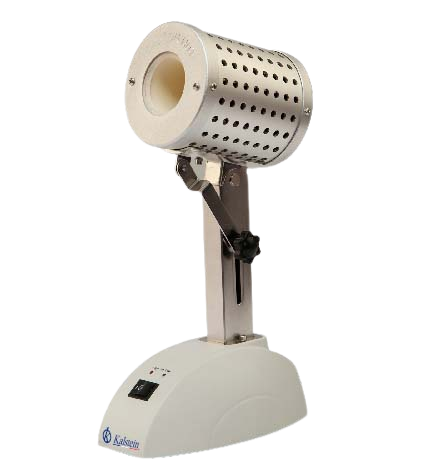
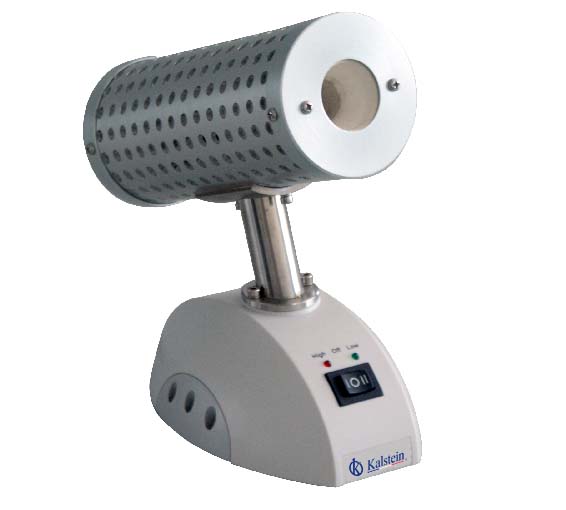
The Bacticinerador, is a equipment that sterilizes the handles used in laboratories, in charge of eliminating bacteria by infrared heat originated by a central ceramic mechanism. This equipment contains no fuel and certifies maximum sterility without splashing on the work surface. Heat is respected as the means of sterilization par excellence, as long as the material withstands high temperatures without suffering any damage. Complete sterilization occurs in 5-7 seconds, at a temperature of 815.6°C (1500°F). I
Bacticinerator Characteristics
The Bacticinerador sterilizer is a gas-free, flameless laboratory instrument for use with microbiological needles and inoculation handles. It achieves sterilization through infrared heat without dangerous splashing of microorganisms, to comply with widely fundamental antiseptic techniques in the field of microbiology.
What are the Sterilization Systems offered by the Bacticinerator?
Firstly, all laboratory equipment and instruments are exposed to be contaminated by microorganisms, something that cannot happen if you want a correct use according to the sanitary regulations that must be practiced within these spaces. It is important not to confuse cleaning with sterilization, which are processes that can be combined but have different characteristics that need to be noted.
What are the Shaker’s recommendations for use in the manufacture of medicines
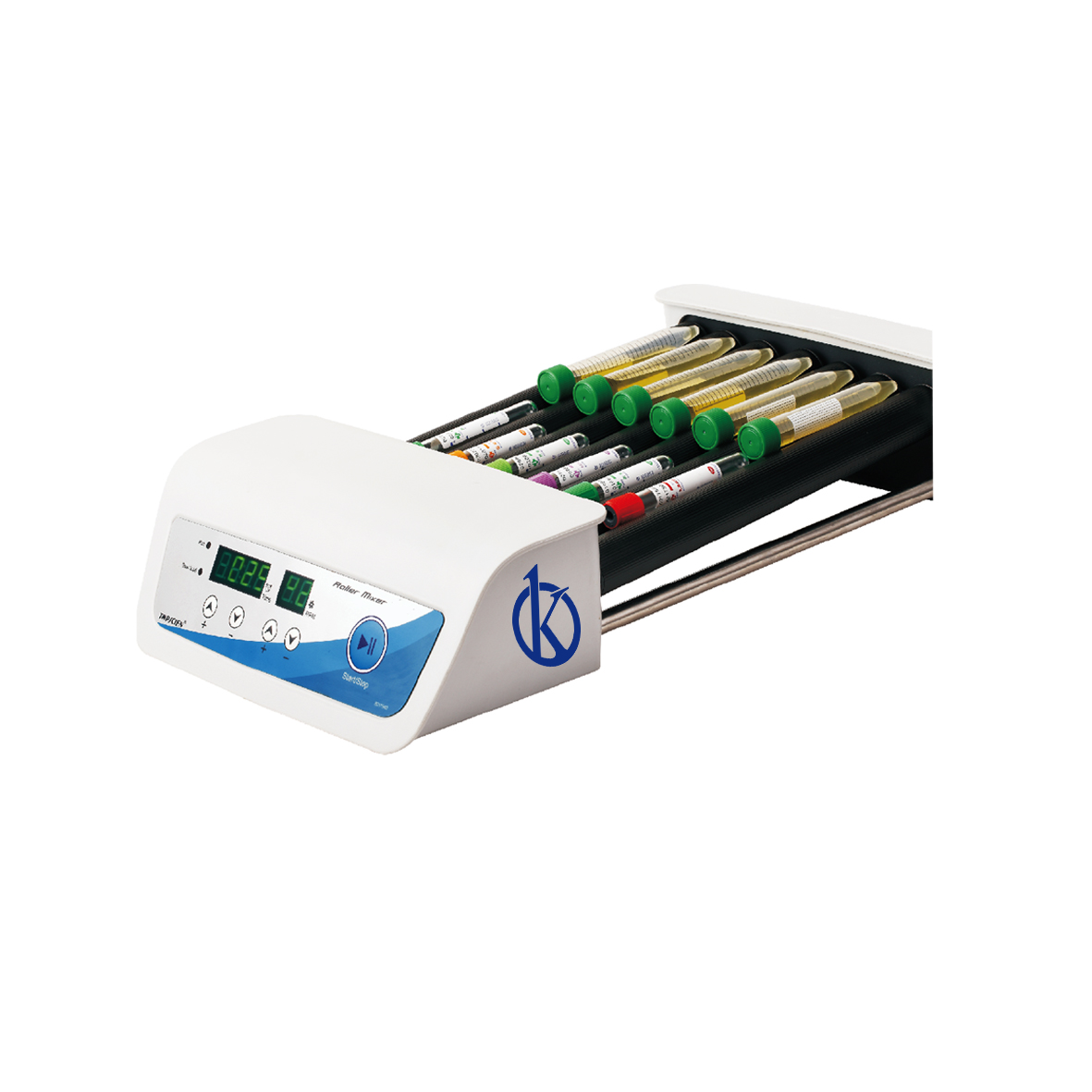
The shaker is an essential element in the drug manufacturing process. It has the function of mixing the ingredients evenly, which ensures the quality and efficacy of the final medicine. It is an essential machine for the pharmaceutical industry, used for mixing and homogenizing liquids, and is designed to operate in a variety of conditions. It has a variety of sizes and shapes, and can be equipped with a variety of accessories to suit the specific needs of an application.
What are the methods of homogenization of cosmetic products with the use of the Stirrer (Skaker) ?
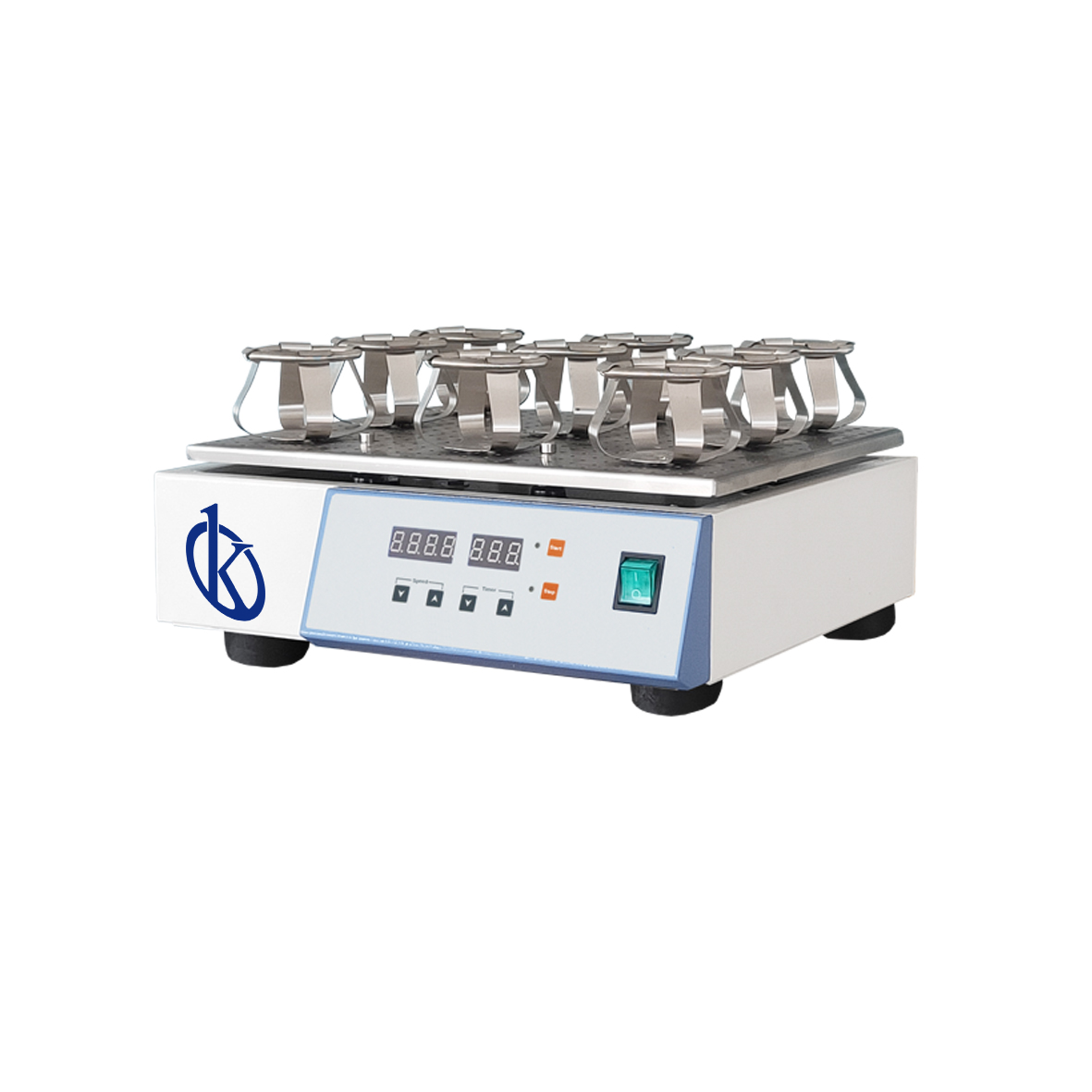
Homogenization of cosmetics is usually performed in a shaker, which is a device that uses a propeller or a palette to shake the mixture and prevent it from separating. Other homogenization methods, such as ultrasound, can be used, but shaker is the most commonly used method.
The Electrocardiograph to evaluate Hypocalcemia
Hypocalcemia is frequently observed in critically ill patients, with a reported incidence of up to 50%. Also, hypocalcemia is often associated with hypomagnesemia. Neuromuscular irritability is the cardinal feature of hypocalcemia, with carpal-pedal spasm being the classic physical sign that can progress to overt tetany, laryngospasm or tonic-clonic seizure activity.
Using the Electrocardiogram to Predict Pericarditis
Pericarditis or inflammation of the pericardium may present as acute or chronic pericarditis. If inflammation also affects the heart muscle, it is called peritonitis. Acute pericarditis usually lasts up to three weeks.
Benefits of Industrial ovens for Cosmitry
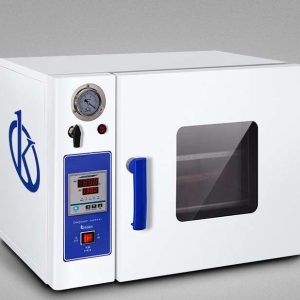
Industrial ovens are equipment responsible for producing large amounts of heat, allowing to operate with various materials and samples. In addition, its size allows several samples to be dried and in large quantities, allowing by processing cosmetic products for trade and treatment of materials, including curing and drying.
Electrocardiogram for angina pectoris
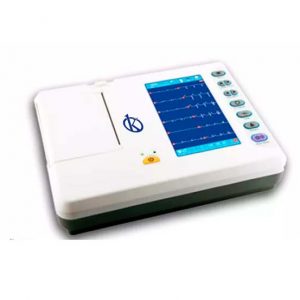
Angina is temporary chest pain or discomfort. It is clinically defined as a syndrome resulting from myocardial ischaemia (damage or disease to major blood vessels in the heart), caused by decreased blood flow to the heart muscle. It is characterized by discomfort near the breastbone but can be felt anywhere on the body, from the epigastrium, jaws, shoulders, back, or arms that occurs during exercise or stress. Symptoms are often described as tension, tightness, or heaviness and may be accompanied by a sensation of constriction, strangulation, or burning.