
CO2 incubator: Recommendations and care
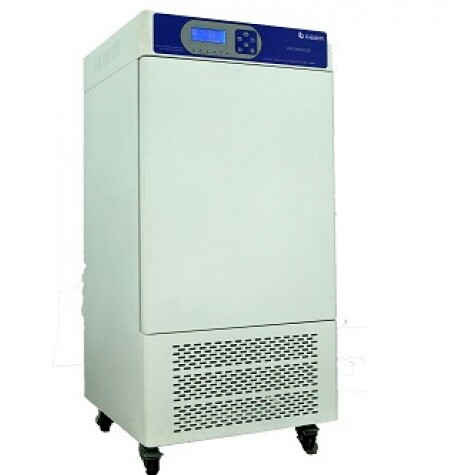
A CO2 incubator, is a laboratory equipment that is also called a gasification incubator, and is used to carry out the development of cell cultures and tissues through a natural atmosphere. This in vitro culture of living organisms is one of the main applications of CO2 incubators. That is why these devices are widely used in medical research and in the pharmaceutical industry in: tissue engineering product development, in vitro fertilization, diagnostic medicine, cancer research.
Main applications of a CO2 incubator
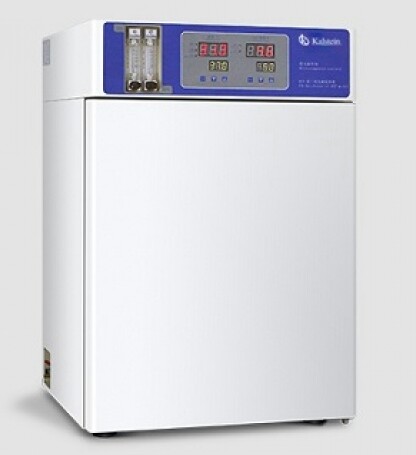
A CO2 incubator is a laboratory equipment also called a gasification incubator, where the development of cell cultures and tissues is ensured creating a natural atmosphere. This in vitro culture of living organisms is one of the main applications of CO2 incubators. That is why these devices are mainly used in medical research and in the pharmaceutical industry.
What is a moisture incubator?
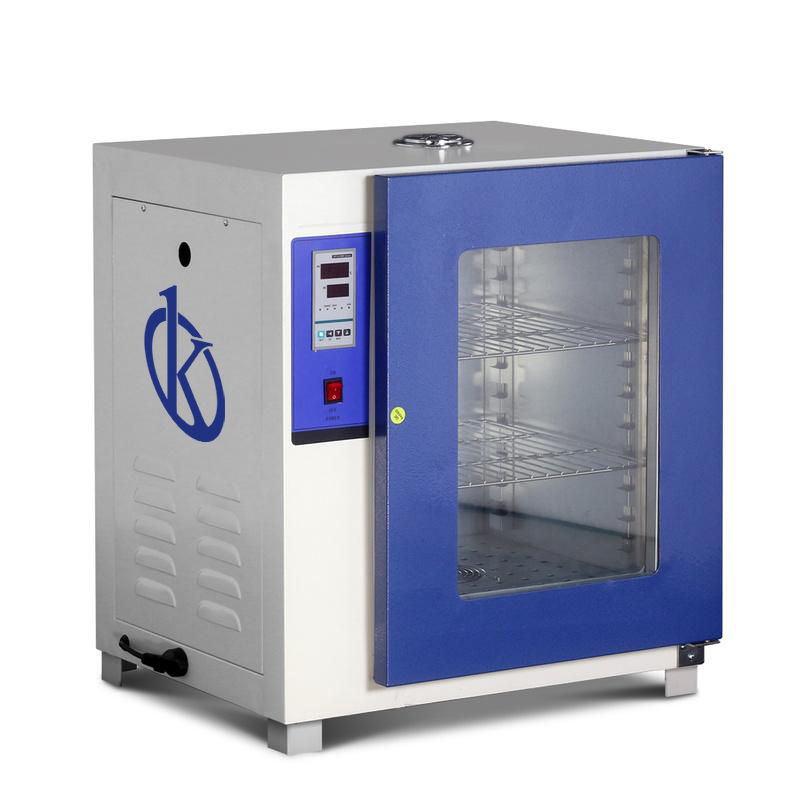
A humidity incubator is a laboratory equipment, which in addition to controlling the temperature of the indoor environment, also controls the humidity, by means of a cooling system, instead of a direct heating one. They allow the development of a myriad of experimental works, since with it you can maintain microbiological and cellular cultures thanks to its ability to achieve the optimal temperature and humidity for it, as well as the levels of carbon dioxide and oxygen.
How does the Lab Incubator work?
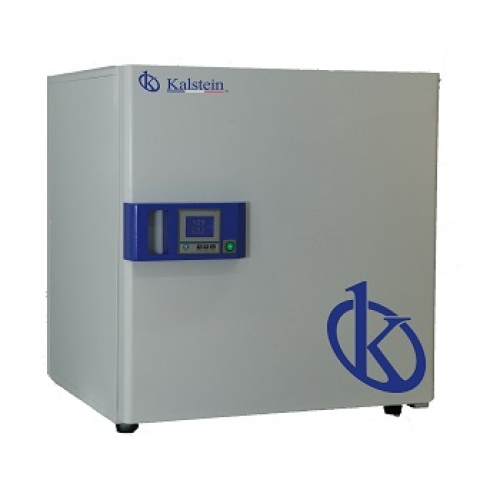
The laboratory incubator, it’s a machine that’s used to maintain microbial and cell cultures. How do you do this? The incubator has the ability to maintain optimal temperature and humidity, as well as the levels of carbon dioxide and oxygen that may be present in the incubator.
Using the Microplate Washer to Detect Omicron Variant
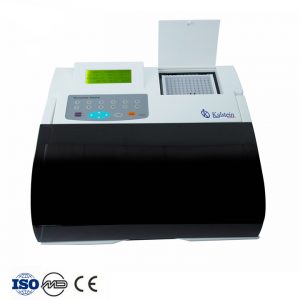
The microplate reader offers multiple advantages allowing specific quantitative analysis, it is efficient and easy to use. However, it should be used after the equipment is fully prepared and sanitized, and the microplate washer is the ideal tool.
Use of the Elisa washer to assess cytotoxicity of chemotherapeutic drugs

Microplate washing machine is a laboratory equipment used for mechanical washing directly to sheets containing 96 or 384 wells used for chemical research. They are widely used to maintain hygienic instrument for depositing samples during research, drug discovery, and quality control.
Laboratory shakers: different types and applications
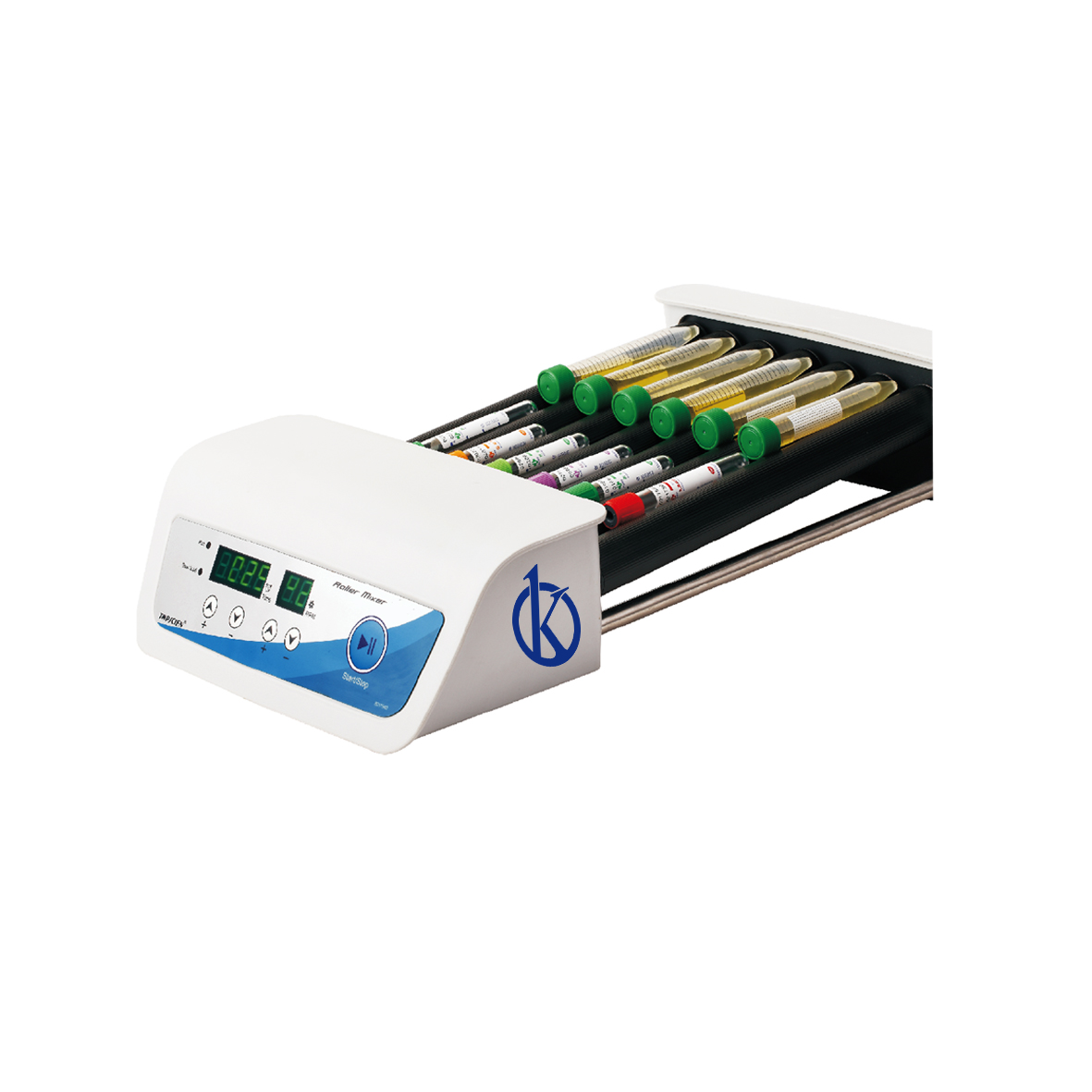
Laboratory agitators are electromechanical devices commonly used in laboratories to homogeneously mix solutions and suspensions. These are usually made up of a plate, which is moved by an electric motor. The sample to be mixed is placed in a container, which can be a beaker, tube or flask, which is positioned on a vibrating surface.
Orbital shakers, functions and parts
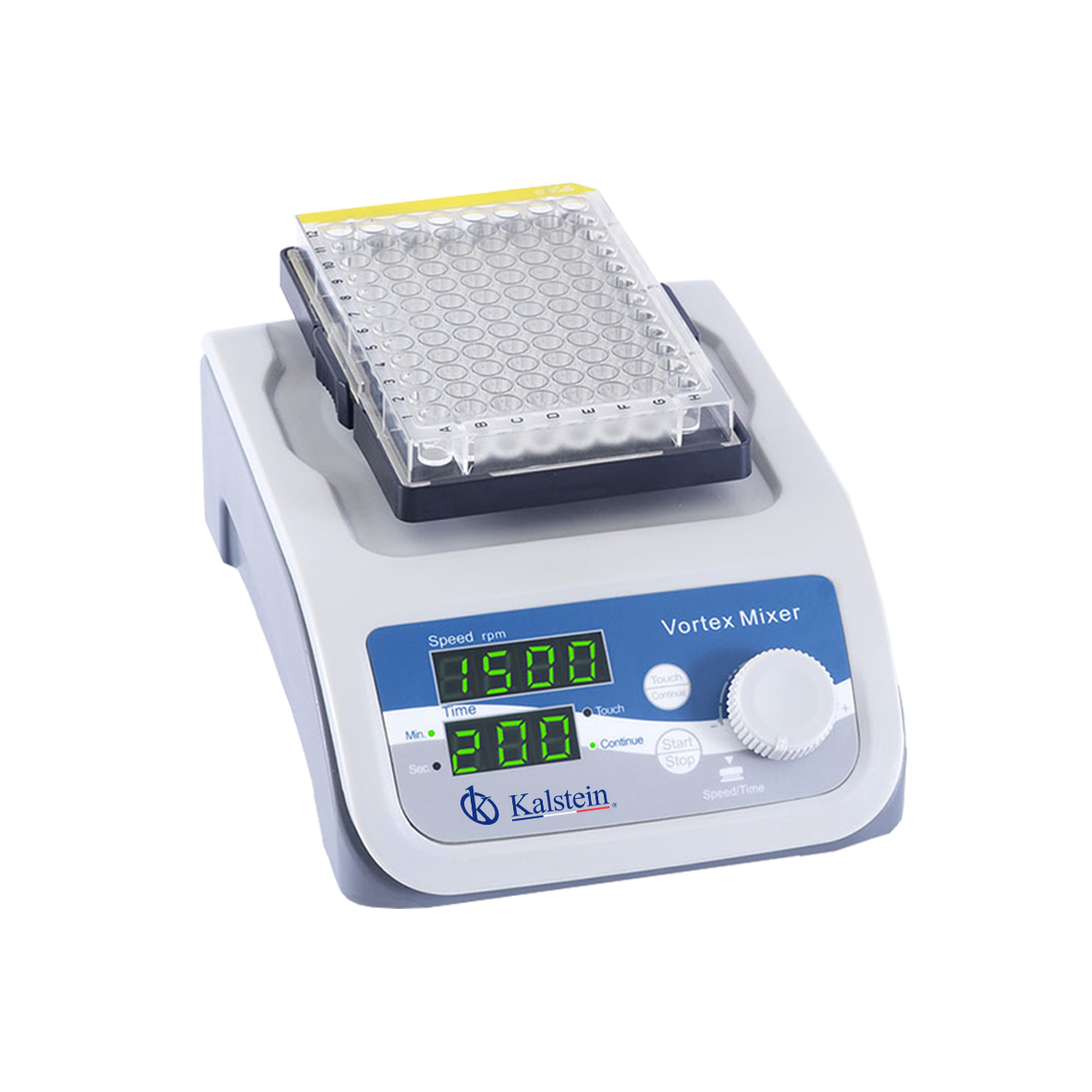
Orbital shakers are laboratory equipment used to combine, divide or prepare substances. These equipment creates a movement between liquids or between liquids and solids in order to achieve mixing, suspension, dispersion, homogenization, heat transfer processes, among others.
What is a magnetic stirrer?
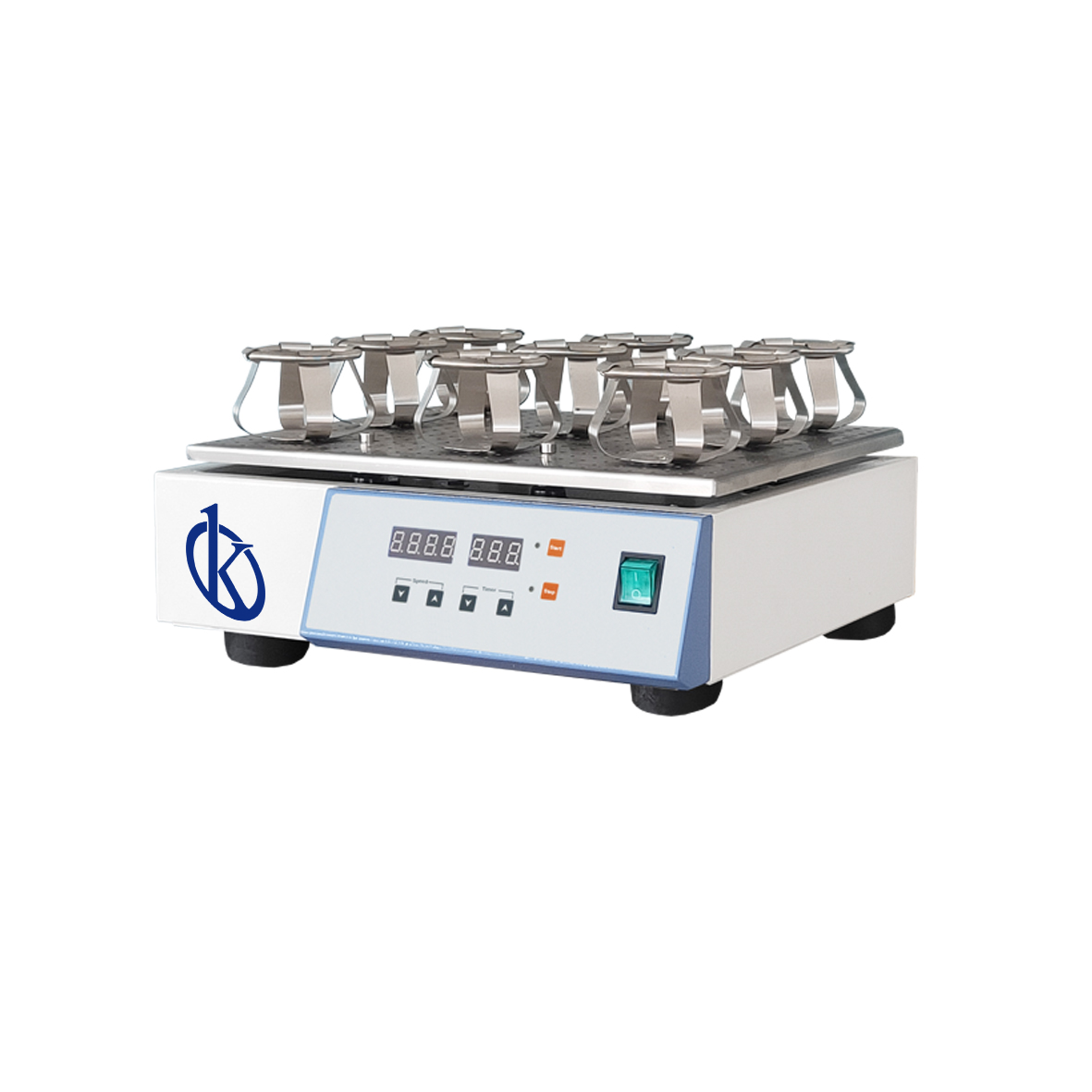
A magnetic stirrer is an electronic instrument that uses a magnetic field to mix one or more solutes with a solvent in an automated way. This equipment has the ability to heat chemical solutions, also minimizes the risk of a solution being altered, as usually when shaken manually the solutions tend to become contaminated.
Agitator with heating plate: Why is it fundamental in a biology lab?
Hot plate stirrers are electronic desktop computers that adapt to multiple processes that require temperature and shaking. That is, they are instruments that provide options for simultaneous heating and stirring. This equipment is often used in biology laboratories, as it serves to mix liquids with each other or with powders, for pro produce solutions and different suspensions, due to its versatile design that allows shaking and heating at the same time. Reducing the time of use and reducing the risks of contamination.