
Photo therapy incubators and neonatal jaundice
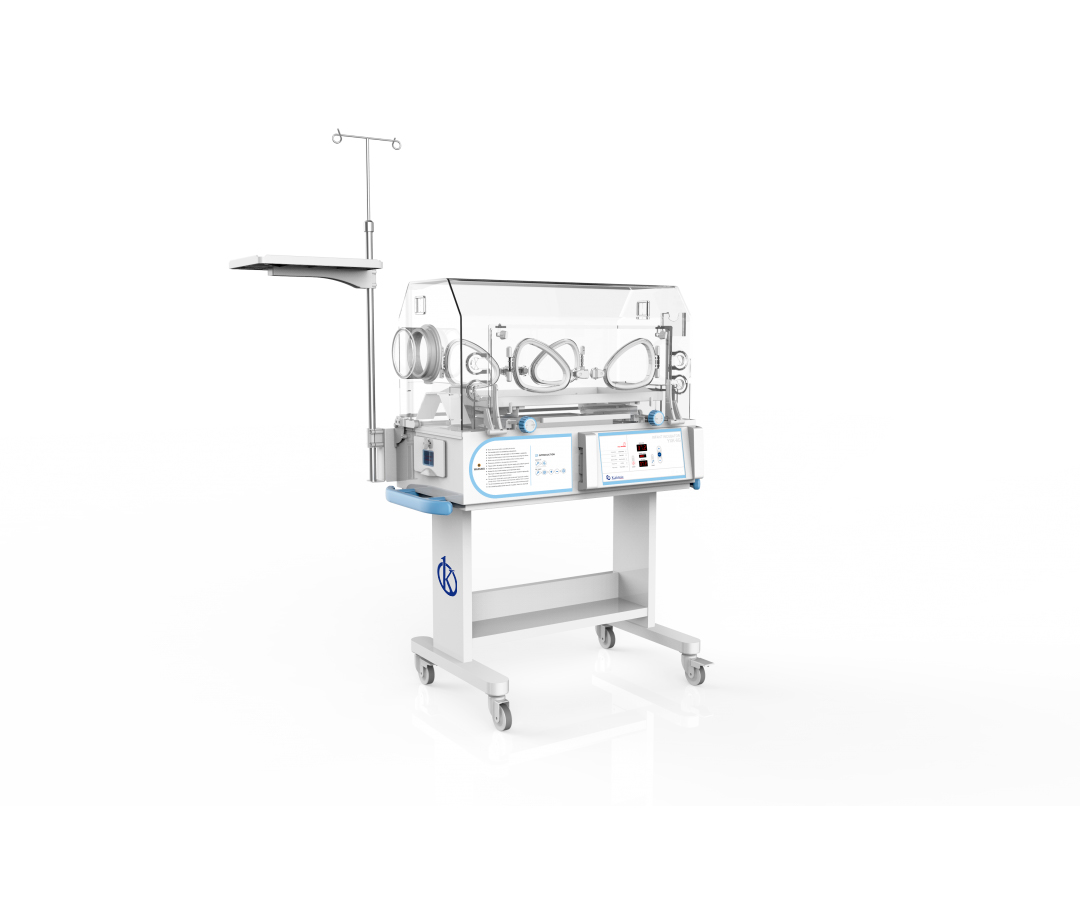
The phototherapy incubators are medical equipment used to provide a controlled environment to newborns, whether premature or full term, to undergo phototherapy, a therapeutic measure in which light emitted by special lamps is used to treat childhood jaundice, and thus reduce the effects of neonatal hyperbilirubinemia.
Infant heater and infant incubator: what are their differences?
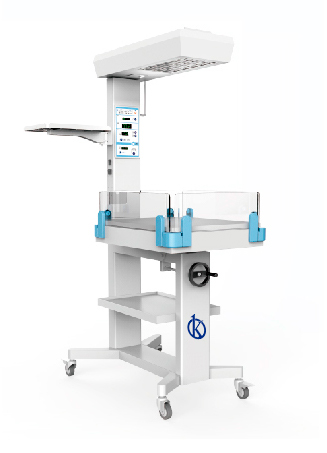
An infant warmer is specialized equipment used to provide newborns with a comfortable warming area that maintains their body temperature at 36 to 37 degrees, thus providing a warm and cozy environment that helps them maintain their body temperature.
When should a child radiant heater be used?
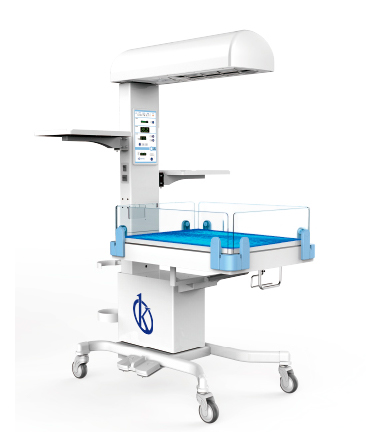
The usefulness of this equipment highlights in its 4 main functions of rescue and integral management in the newborn, is a unit that guarantees the effective flow of work, favors the immediate attention of medical personnel belonging to emergencies, in addition to reducing the time of rescue and immediate and detailed care of the newborn, radiant infant heaters, are primarily used in the delivery rooms, neonatal care, neonatal intensive care, areas of neonatal intensive therapy, and in the pre and postoperative care of the newborn.
Infant radiant heater: When is it necessary?
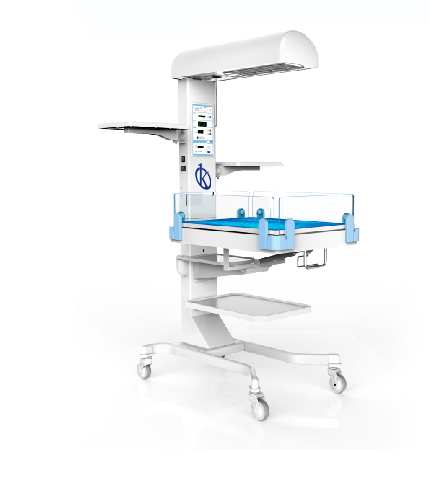
An infant radiant warmer is medical equipment used in neonatal intensive care units, aimed at providing the newborn with a comfortable thermal area that maintains their body temperature within normal levels. This is because when a baby is born from the mother’s womb, which is a natural incubator, it needs to be heated.
Children’s radiant heater: When should it be used?
A radiant infant heater is a medical equipment used in the field of neonatology and pediatrics, specifically in neonatal intensive care units, to provide newborns with a comfortable thermal area that maintains their body temperature from 36 to 37 degrees.
Is a child radiant heater important?

A child radiant heater is a unit used to provide radiant heat to newborns in a comfortable thermal area that maintains their body temperature from 36 to 37 degrees. Newborns who are placed in radiant heaters are usually premature or low birth weight patients who have thermo-regulation problems and are therefore unable to maintain thermal balance, and newborns who may present some critical condition that require constant intervention by medical personnel.
What are the results when using a child radiant heater?
A child radiant heater is a medical device used to provide newborns with a comfortable thermal area that maintains their body temperature from 36 to 37 degrees, that is, this equipment is a controlled source of radiant heat for newborns and pediatric patients, providing them with infrared energy that produces both penetrating and superficial heat.
How do you use an infant warmer?
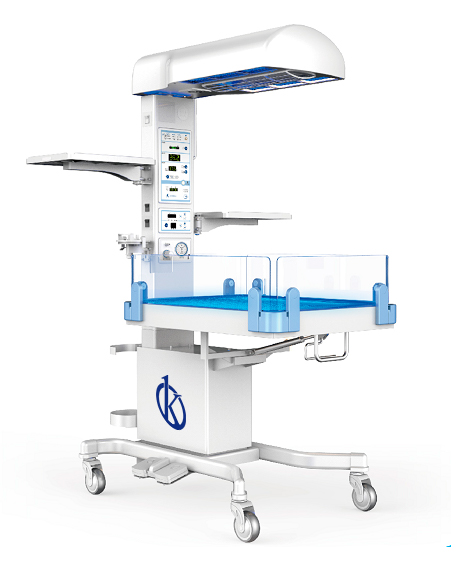
An infant warmer is medical equipment designed to provide a temperature-controlled environment to help newborns maintain their body temperature, especially babies born prematurely or with disease. They have a heating element to provide a temperature not higher than 39 ° C radiant type, regulator to stabilize the temperature of the newborn and maintain the temperature or the selected heating power, as well as allowing the monitoring of control parameters.
What is a neonatal heater?
The neonatal heater is a necessary equipment within the intensive care units, which allows saving the life of newborns, keeping them in optimal body temperatures of their body. As soon as the infant is born, it loses a lot of body heat, which can be deadly for them, subjecting them to controlled temperatures to make them feel comfortable, cozy and safe, thus avoiding any state of hypothermia, which would be detrimental to all their bodily and organic functions.
How is HIV detected through the use of a microscope?

HIV, which stands for human immunodeficiency virus, is a virus that attacks and damages the immune system by causing the destruction of T cells, also called CD4 cells, needed for the body to fight infections. This virus consists of three phases of progression, the third being the final phase of HIV infection, which is known as AIDS, acquired immunodeficiency syndrome.