
What are the Bacticinerator Applications?
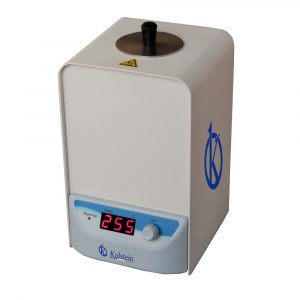
For the sterilization of the handles used in microbiology laboratories, the use of the Bacticinerator is ideal. This disinfects handles made of platinum, needles, glass tube/pipette nozzles, and various glass and metal instruments by incinerating at temperatures between 500 °C to 815 °C or more. These processes succeed in eliminating pathogenic and non-pathogenic microbial load from culture instruments. In this sense, the Bacticinerator is applied in food, pharmaceutical and / or cosmetic industries; passing and diluting samples up to 1g, avoiding microbial contamination.
How does the Electric Wheelchair work?

The wheelchair often makes the difference between being a passive recipient or an active contributor. With the use of a wheelchair, a person can earn a living and help the family income, but without a wheelchair, that person can be left behind and be a burden to his family and the country in general. Similarly, a wheelchair that is not durable will be made more excessive by the need for frequent repairs, absence of work and final replacement of the chair.
Importance of Wheelchairs for Children

Wheelchairs are an individual alternative that benefit the movement of people who have permanently, totally or partially lost the ability to walk, and thanks to the use of wheelchairs, allow people with disabilities to work and integrate into society. Similarly, a wheelchair helps a child go to school, get an education, and when the time comes, find work.
High speed centrifuges and low speed centrifuges: different applications
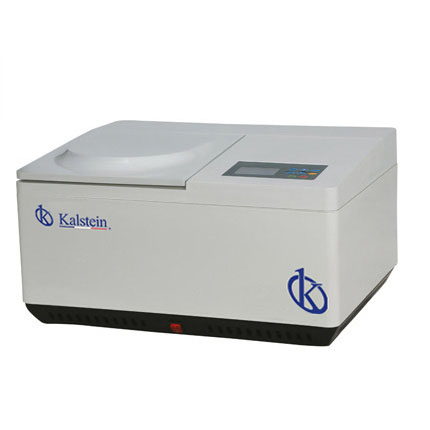
The centrifuge is an essential piece of equipment in every laboratory. This equipment generates rotation movements, with the aim of separating the components that constitute a solution. This instrument applies a sustained centrifugal force to push matter away from the center of rotation. The basic components of a centrifuge are: rotor, motor, vacuum chamber, and speed, time and temperature control.
Centrifuge: When to use an angular rotor and a horizontal rotor?
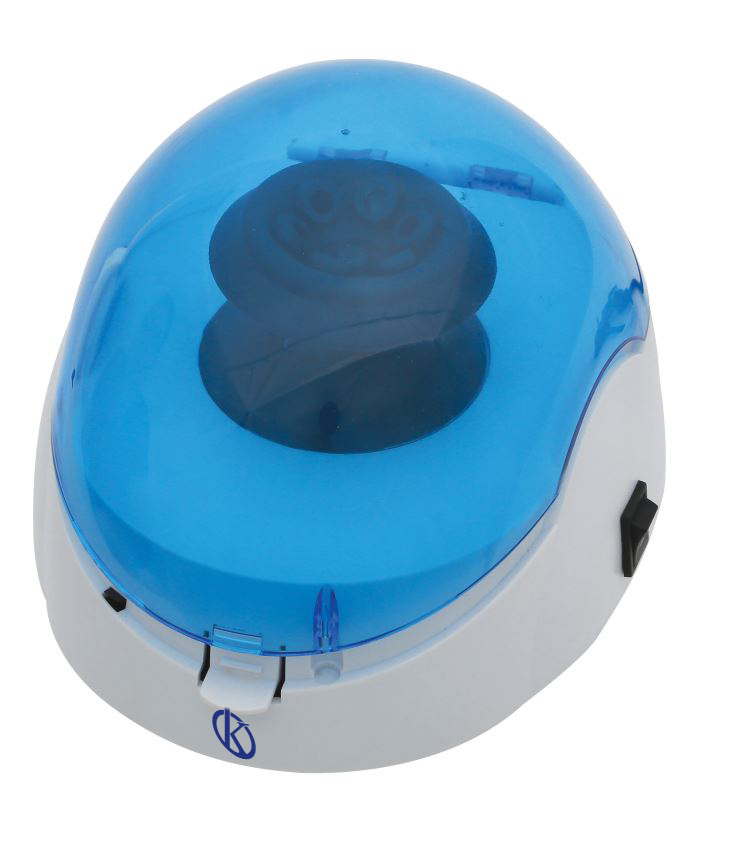
This is an indispensable equipment for any laboratory, it is designed for material separation in the areas of molecular biology, medicine and in the food industry; its function is based on gravity and mass, i.e. it separates particles in a heterogeneous solution according to their size and density and performs this process in a faster and more efficient time.,
Hematocrit Centrifuge and Micro Centrifuges. Differences
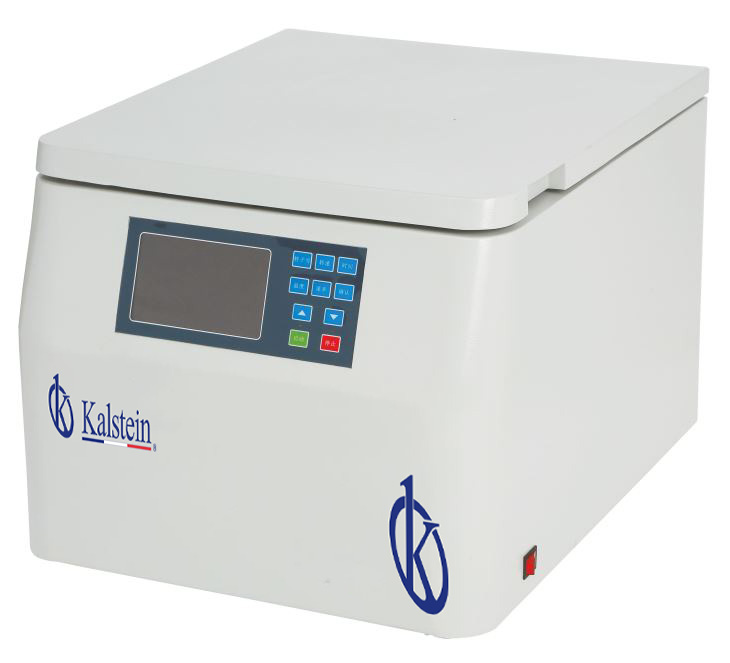
The key difference between these two appliances is based on their functions and dimensions; we have hematocrit centrifuges, it is especially used to determine volumetric proportion of erythrocytes in the blood, it is widely used in areas such as neonatal, hematology; and separate the plasma for further studies; micro centrifuges are small centrifuges, capable of centrifuging small blood samples, and separating the components of a liquid or solid sample.
Laboratory centrifuges: care and maintenance
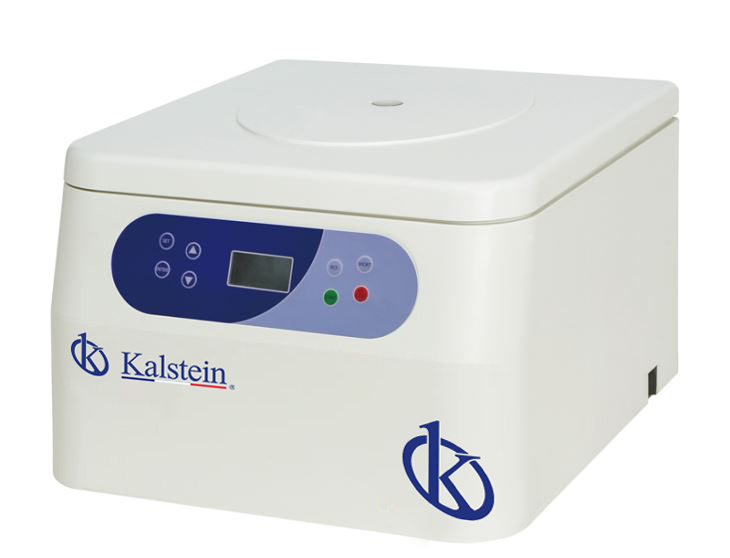
The care and maintenance of these laboratory equipment is indispensable to extend the useful life of the apparatus and mainly to obtain effective and efficient results without contamination, although there are routines or general recommendations to protect,
How many types of laboratory centrifuges are there?
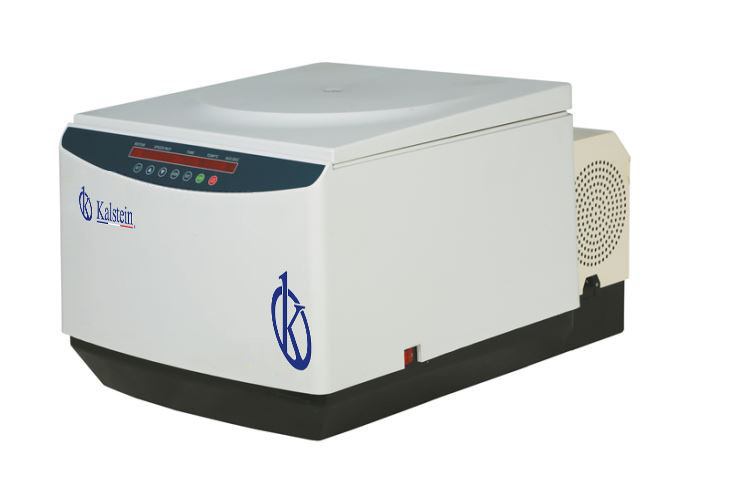
It is a device used in the processes of separation of sedimentation of the liquid and solid components of a sample, this device generates rotational movements and through centrifugal force accelerates the decantation or sedimentation of the components of the sample, according to their density, there are different types of centrifuges, which pursue the same objectives.
Laboratory centrifuge: what is its function?

The centrifuge is a laboratory equipment that generates rotational movements, it has the objective of separating the components that constitute a substance. This equipment applies a sustained centrifugal force (that is, a force produced by rotation) to push matter out of the center of rotation.
What is a clinical centrifuge?

A clinical centrifuge is a laboratory instrument that separates cellular components, blood plasma and serum, cellular elements from urine samples and other biological liquids, through rotational movements. It does this by applying sustained centrifugal force (that is, a force produced by rotation) to propel elements away from the center of rotation, allowing particles to separate in a liquid medium by sedimentation.