
What is a laminar flow and biosafety hood?
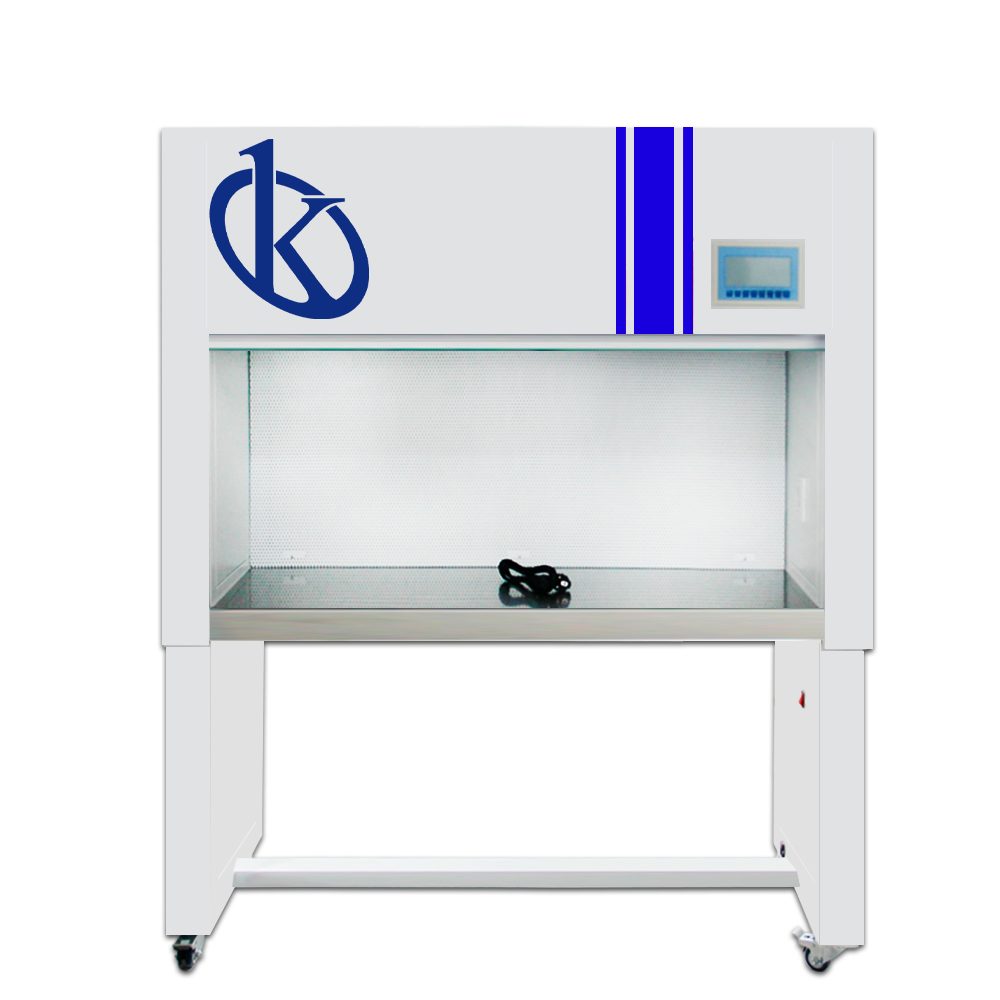
Laboratory hoods are equipment that allow maintaining the quality of the air in these spaces, preserving the reagents and samples used in them, as well as ensuring the integrity of the operator. Currently there is a wide variety of hoods and these respond to specific needs, so each one has a defined purpose.
Laboratory Water Baths: Uses and types
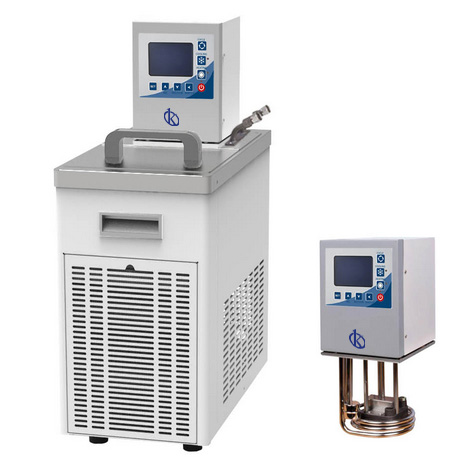
A water bath is a laboratory equipment consisting of a container filled with hot water, used to incubate samples in water at a constant temperature for a long period of time.
Differences between a tissue water bath and a tissue floatation bath
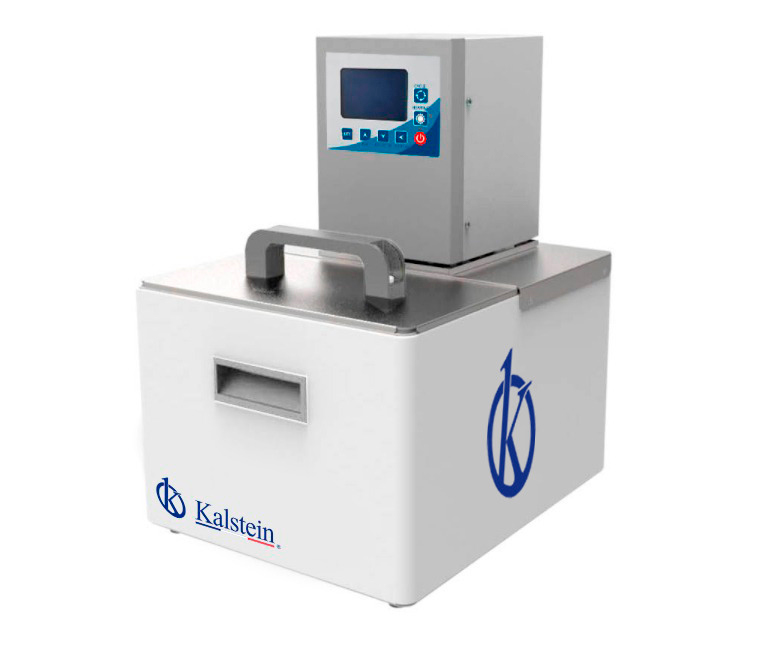
A tissue water bath is an equipment composed of a container capable of holding hot water to incubate tissue samples in water at a constant temperature for a prolonged period of time.
What type of water should be used for a water bath?
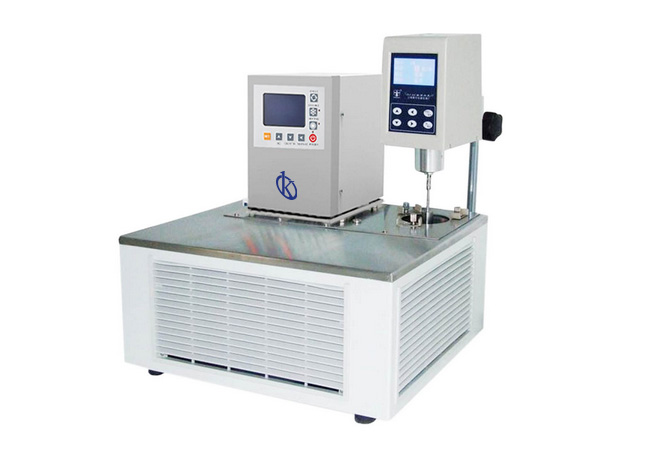
Water baths are equipment that allows maintaining a uniform temperature necessary for different tests and laboratory tests; so it depends on these tests, the types of samples and tests to be carried out that you select the type of water you should use; we refer to water type 2, type 1 and type 0, ranging from the required water, water that has certain conditions and definitely the water not suitable for this kind of equipment.
Laboratory water baths: preventive and corrective maintenance
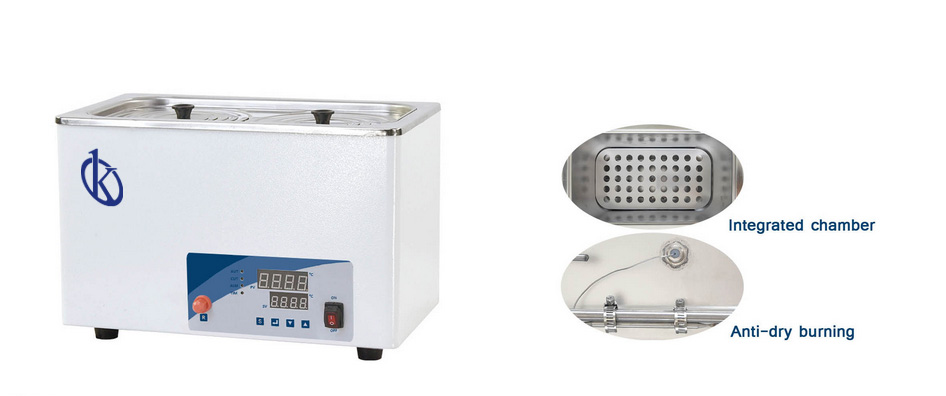
Water baths are equipment that fulfill a function mainly in chemistry laboratories, where they are used to transfer heat indirectly by thermal convection uniformly and constantly to various substances or solids, are divided into general baths and recirculated baths, in this way we can heat liquids or cool them to certain temperatures.
Tips for using water baths in a laboratory
A laboratory water bath is an instrument consisting of a container filled with hot water, used to incubate samples in water at a constant temperature for a long period of time. It is used to incubate samples in water at a constant temperature for a long period of time.
What is a laboratory water bath?
A water bath is laboratory equipment that is designed with a container filled with hot water. This equipment is used to incubate samples in water at a constant temperature for a long period of time. Among its uses we have the heating of reagents, fusion of substrates or incubation of cell cultures.
What are the criteria for selecting the ideal operating table?

Operating tables, also known as surgical tables, are indispensable elements in any medical service center. They are used mainly in the operating rooms so that the patient can rest during surgery. It is very simple to operate, consisting of a central platform, usually divided into several sections, and a base in the center, to adjust the inclination and height of the table.
What are the criteria for selecting an ideal anesthesia machine?
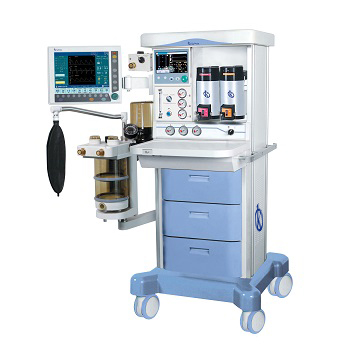
Anesthesia is simply the application of medicines during a medical intervention, in order to relieve or prevent the patient’s pain. In general, the drugs used do no harm to the body, and most people have no problems with injecting them.
Importance of a Fluorometer in a Laboratory
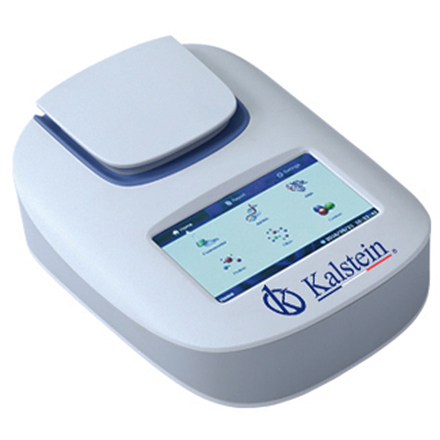
To establish the importance of the equipment that is part of a laboratory and is indispensable, we must take into account its applications and usefulness within it; in the case of fluorometers, this apparatus allows the measurement of fluorescence parameters: its intensity and the distribution of wavelengths of the emission spectrum after excitation by a certain light spectrum.