
Laboratory spectrophotometers: an introduction to innovation
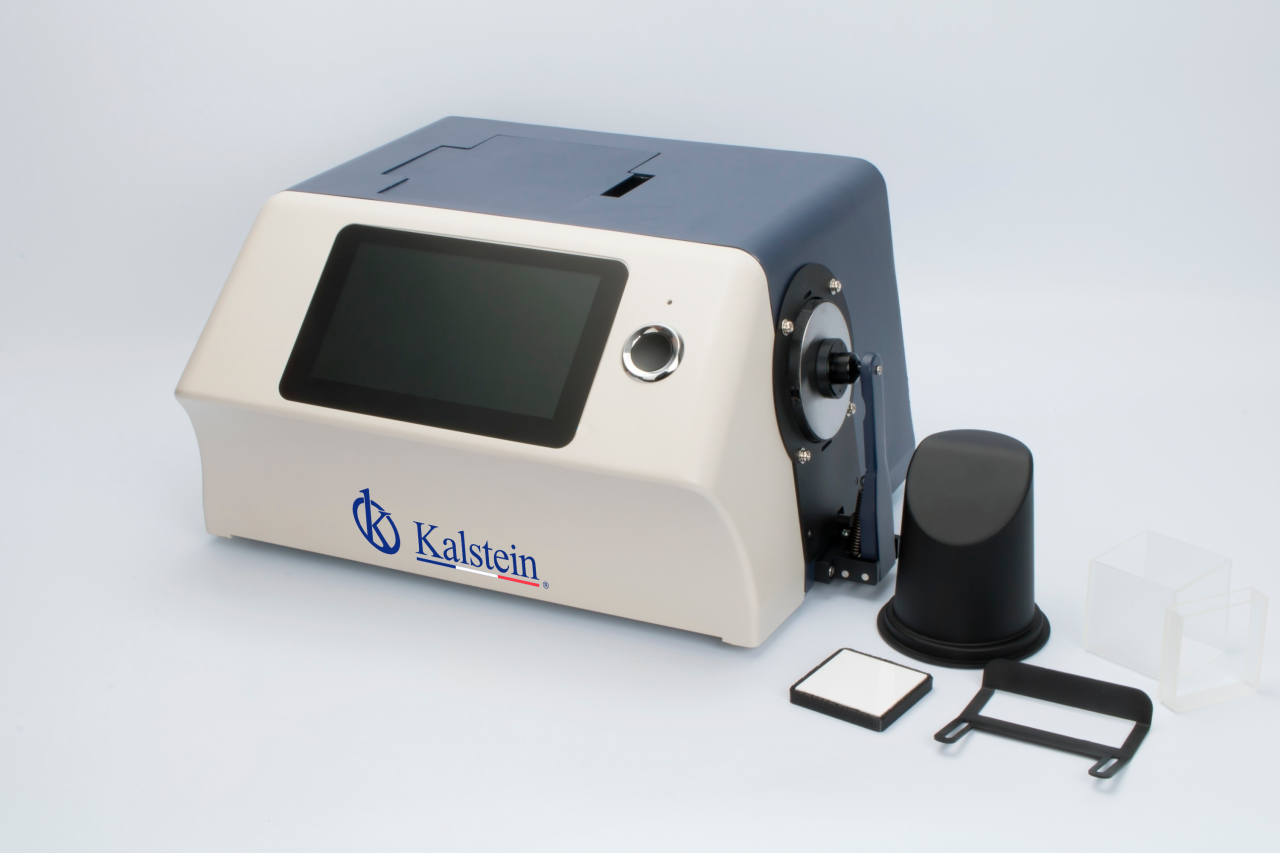
A spectrophotometer, commonly known as a UV/VIS spectrophotometer, is a device used to measure radiation absorption in the visible and ultraviolet light spectrum. It is an instrument used by scientists in laboratories to investigate materials that reflect, absorb and emit light. These instruments are used in both industry and research to identify and quantify chemical compounds in a sample.
Are there risks associated with the use of automated blood chemistry analyzers for the laboratory?
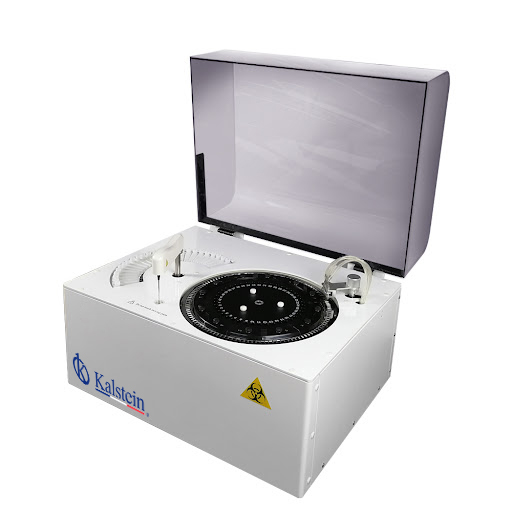
The use of automated blood chemistry analyzers and laboratory instruments is increasingly beneficial for optimizing data processing, storage, and collection, as well as for improving global health. However, the use of automated blood chemistry analyzers in a clinical laboratory may involve some risks that should be considered. These risks may be associated with errors in data interpretation, sample rejection, personnel not prepared for device operation, and administration of wrong and/or inadequate results.
Specifications and characteristics of laboratory autoclaves
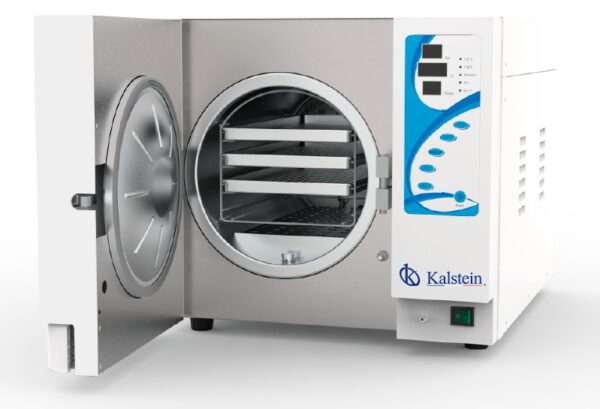
Laboratory autoclaves are one of the most important tools for laboratory research worldwide; they are used to sterilize various materials used in both scientific research and clinical applications. Autoclaves kill any bacteria, viruses, fungi, bacterial spores, and other microorganisms found in materials, thereby preventing the spread of disease and ensuring the safety of the materials.
What types of laboratory water systems are available?
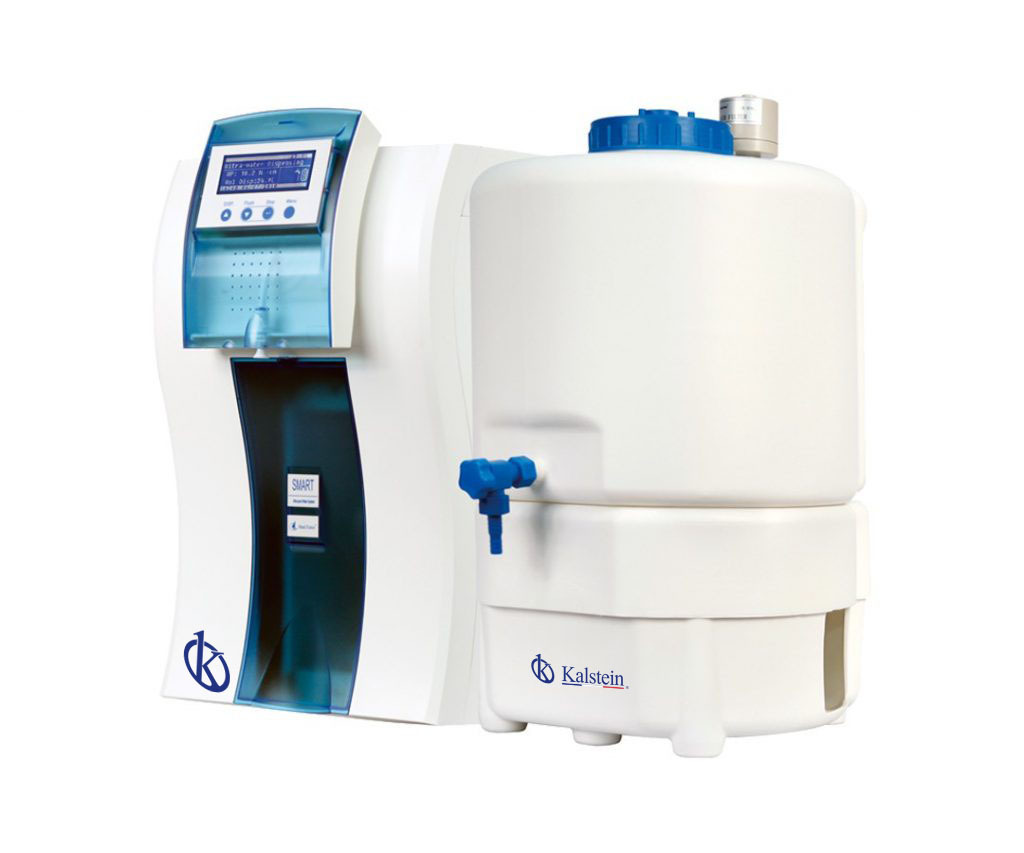
Laboratories address daily challenges to achieve results and produce reliable and environmentally friendly products, so a quality water system for your laboratory is critical. There are many types of laboratory water systems available for those seeking optimal performance and quality; first is ultra-purified water or “UPW”, which is used for recrystallization, biological sample extraction and compound dissolution.
Infusion pumps for the treatment of delayed movement disorder
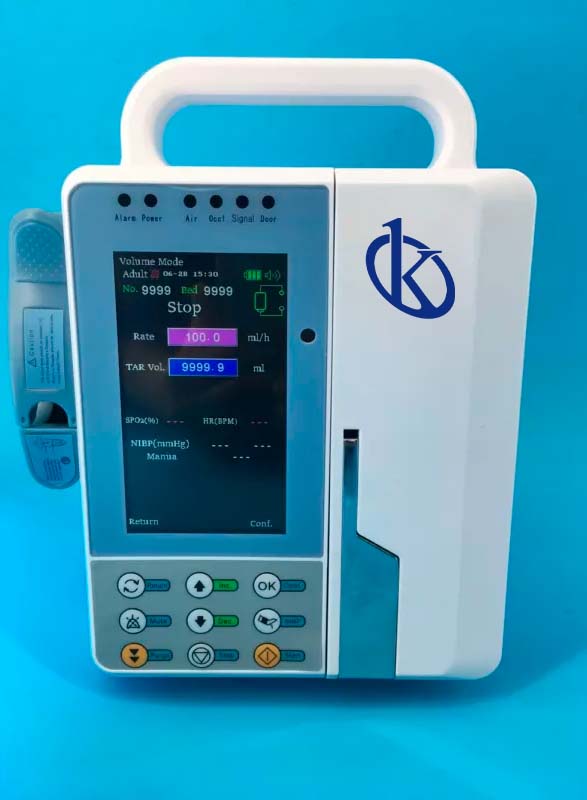
Infusion pumps for the treatment of delayed movement disorder (TMT) are portable electronic devices developed to improve the quality of life of patients suffering from this disorder. These pumps offer the ability to control symptoms by continuous administration of drugs, which would be injected at regular intervals through a catheter.
Effectiveness of phototherapy in neonatal hyperbilirubinemia
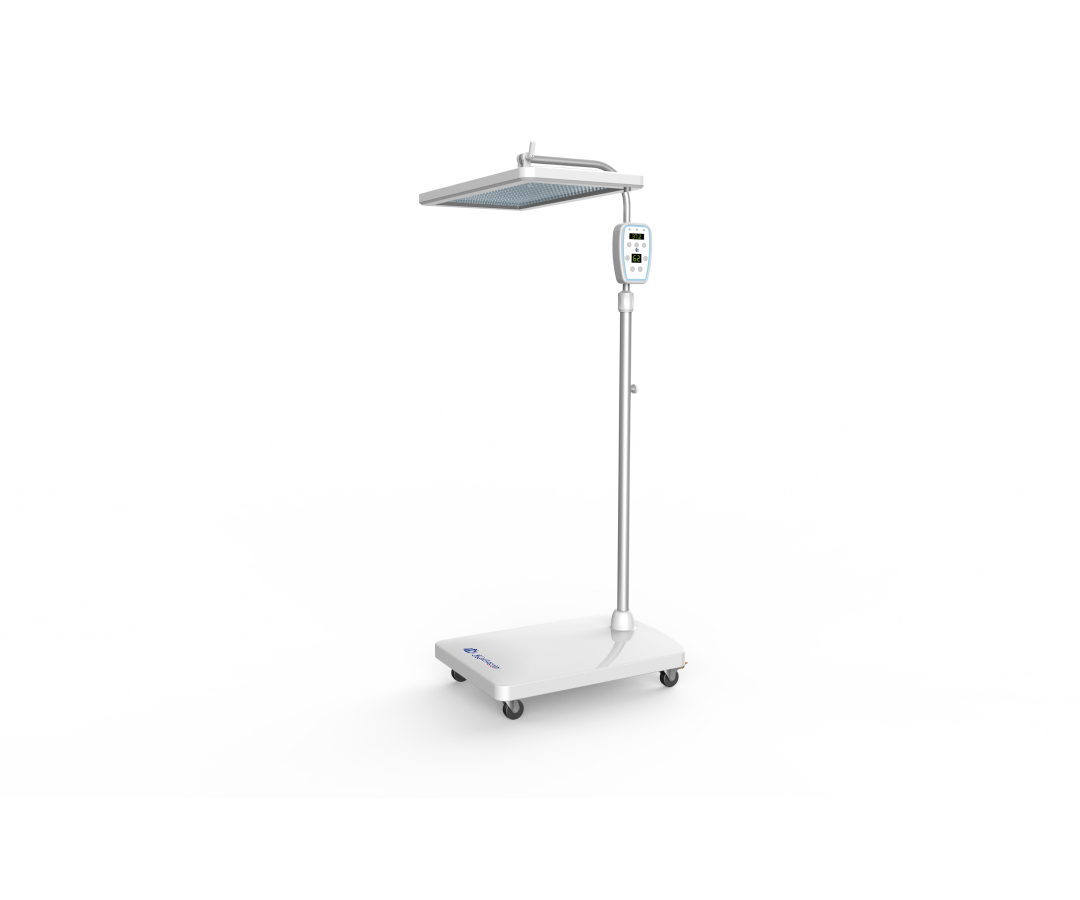
Neonatal hyperbilirubinemia is a commonly known syndrome in neonates. It is characterized by an abnormally high level of bilirubin in the blood, which results in a complication for a healthy baby. This condition is thought to occur in about 10% of newborns. Neonatal hyperbilirubinemia often occurs in the first few days of life but is sometimes not detected until several weeks later.
Functions of Color Evaluation Boxes in the Textile Sector

Color evaluation boxes are LED lighting units, manufactured to check color consistency and quality. It is also used to visualize quality in textile tests, where there is a need from different sources of radiant energy. In this way it can be evaluated by comparing the color consistency between the products, for example, there can be the difference between the light sources used in its manufacture, and the light source applied by the customer.
What are the risks of using the anesthesia machine?
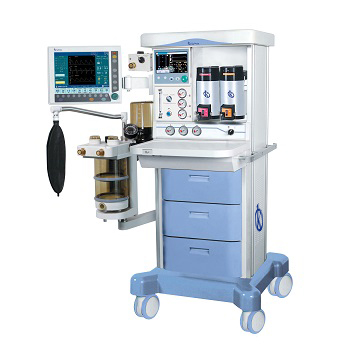
Anesthesia is a vital medical resource for various surgical and dental procedures. Anesthesia is a branch of medicine treatment that provides temporary pain relief by blocking the sensory and motor senses. A variety of drugs, collectively known as anesthetics, are used to provide the anesthetic.
Use of radiant heater and respiratory function in newborns
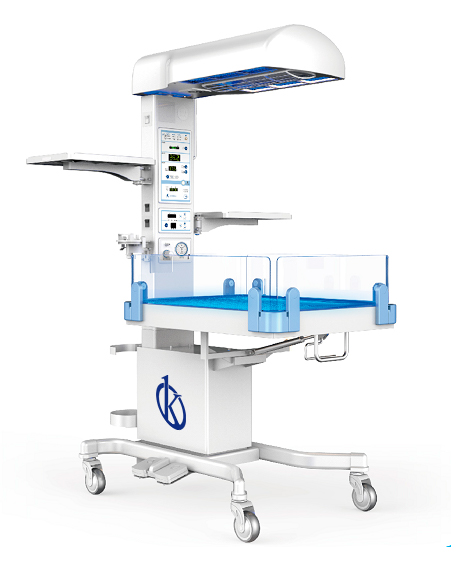
A newborn has a number of essential needs to meet to ensure healthy growth and development, one of them is to have an optimal temperature, which is achieved by means of a radiant heater.
Prevention and early diagnosis using electrocardiographs
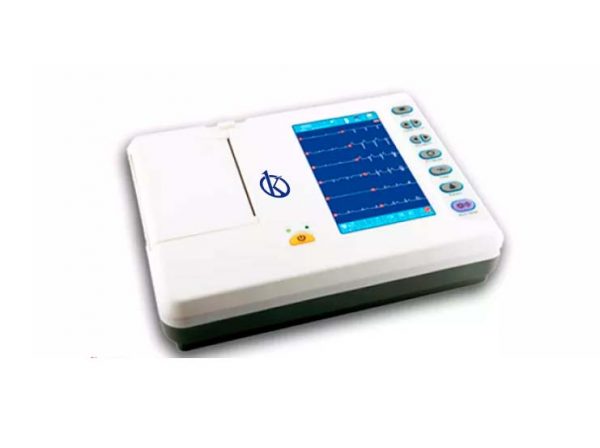
The measurement of electrocardiogram has allowed medical professionals to diagnose and prevent heart diseases that affect humans for years. An electrocardiogram (ECG) is a graphical record of changes in the heart’s electricity produced by heart cells, providing information about heart rhythm, abnormal heartbeats, heart structure, and conduction disorders.